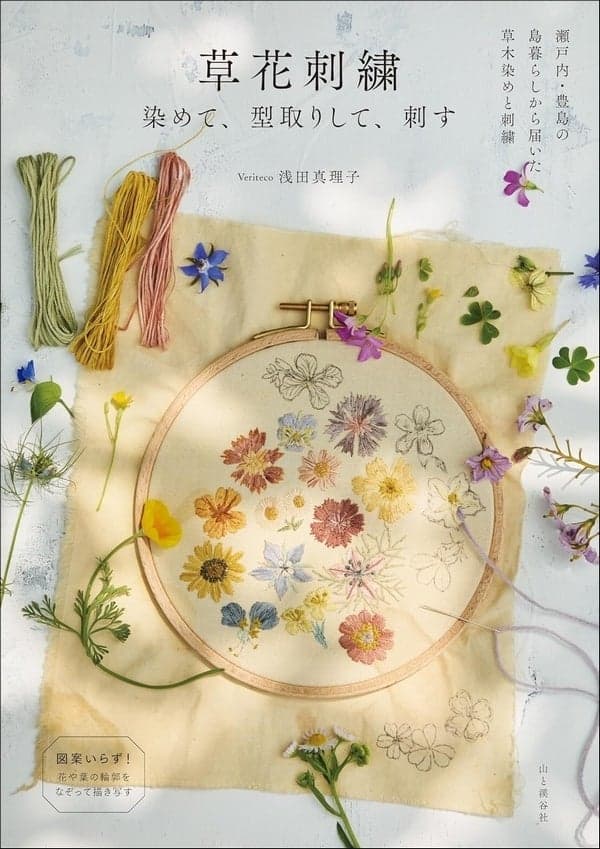
Wildflower Embroidery: Dye, Trace, and Stitch (草花刺繍 染めて、型取りして、刺す), a book on embroidery that needs no pattern, was released on October 5, 2026 by Yama-Kei Publishers (山と溪谷社), part of the Impress Group. The book shows how to make original embroidery by tracing leaves and flowers found in gardens, parks, and along walking paths.
For embroidery beginners, starting by transferring a pattern onto fabric can be a hurdle. This book instead introduces plant embroidery that can be done without a pattern. It begins with dyeing thread and fabric using familiar plants, and no special tools or techniques are required. Readers can also skip the dyeing and start by tracing leaves and flowers using store-bought thread and fabric.
The author is Veriteco 浅田真理子, an artist on Teshima in the Seto Inland Sea who creates handcrafts that begin with walks through fields and mountains and with growing plants.
What's Inside the Book
Part 1: Dyeing
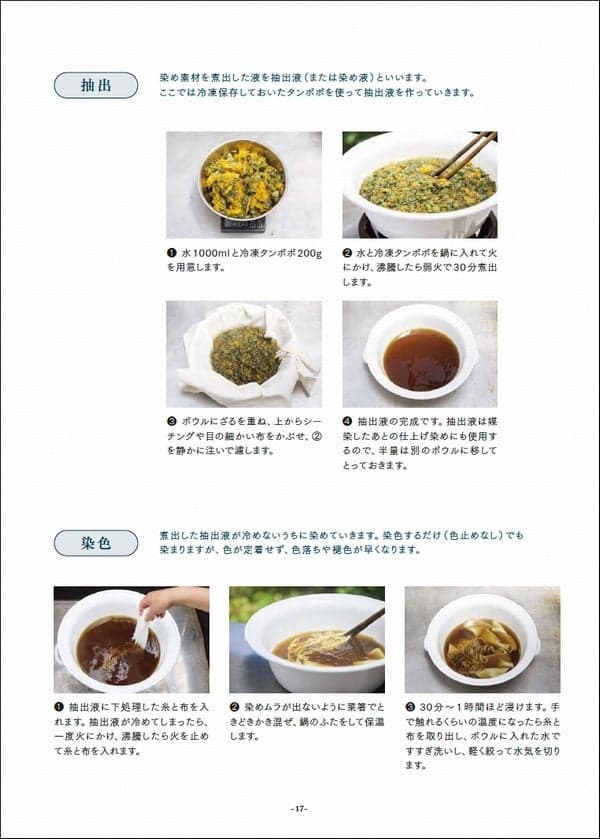
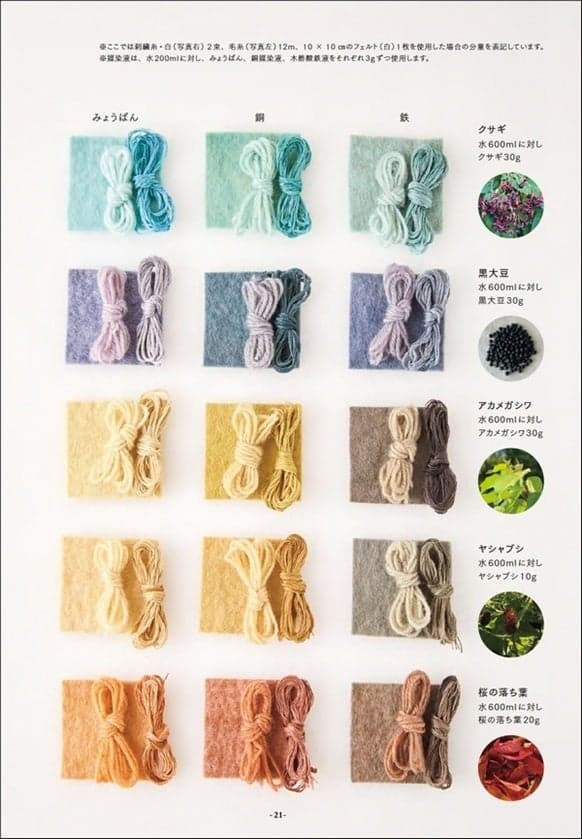
This section explains plant dyeing, in which thread and fabric are dyed with dye extracted from plants. Familiar plants such as dandelion, mugwort, black soybean, fallen cherry leaves, loquat, camellia, and chestnut are used. Even with the same plant, the way it takes the dye varies depending on the season and the condition of the plant, and the color changes over time can also be enjoyed.
Part 2: Tracing
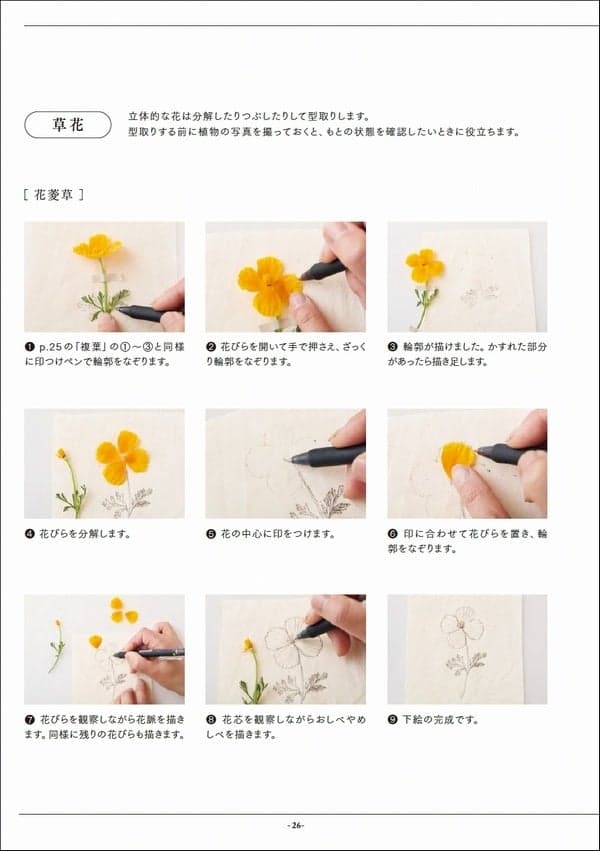
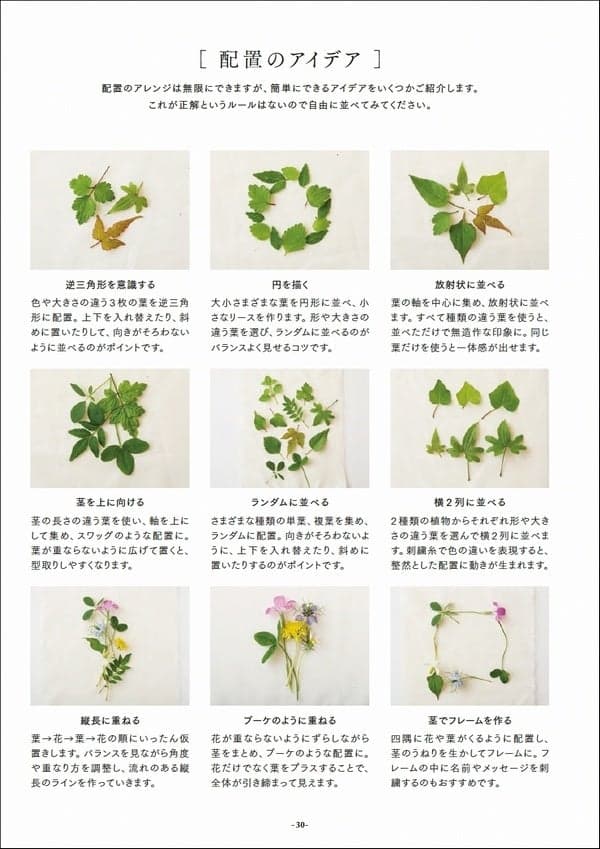
Instead of tracing a pattern, this section explains how to place a real plant on the fabric and trace its outline. Favorite leaves and flowers are taken apart and observed as the piece comes together. Even without stitching, repeating the tracing alone is described as absorbing and relaxing.
Part 3: Stitching
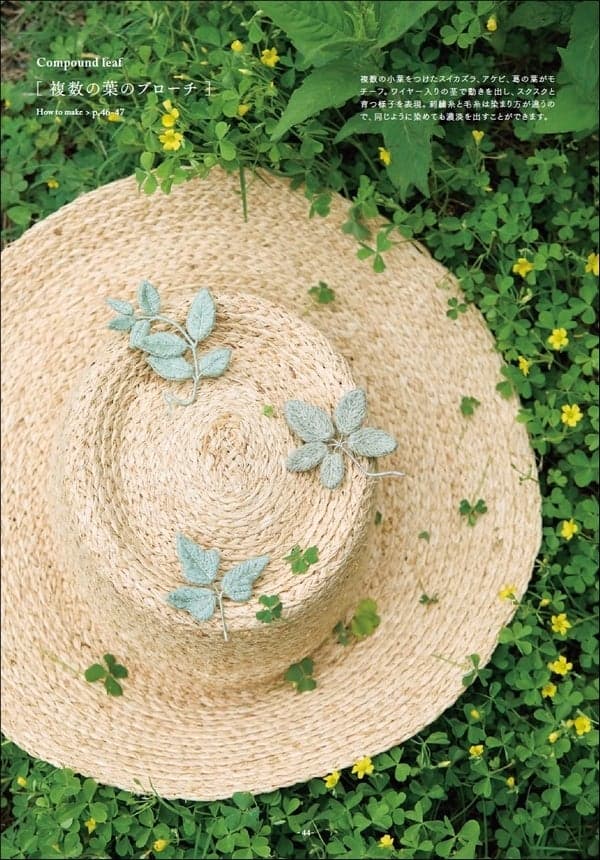
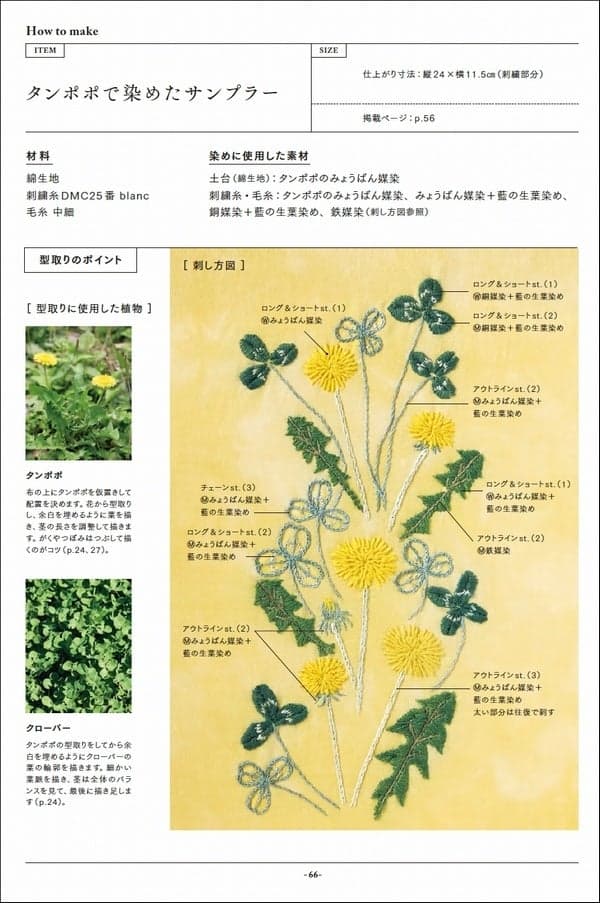
Once the thread and fabric are dyed and the plants are traced, it is time to embroider. The embroidery in the book uses no difficult techniques and only a small number of stitch types, so it is approachable even for beginners.
Part 4: Arranging
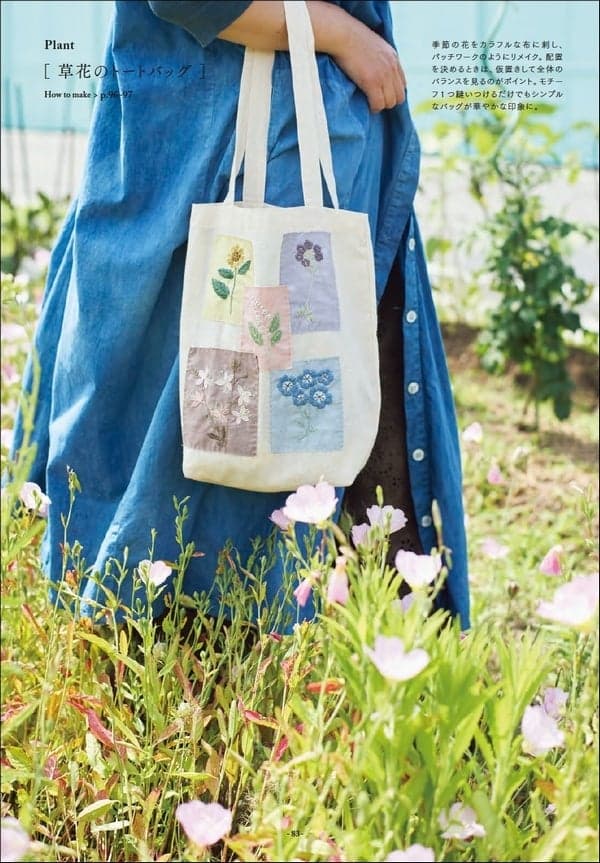
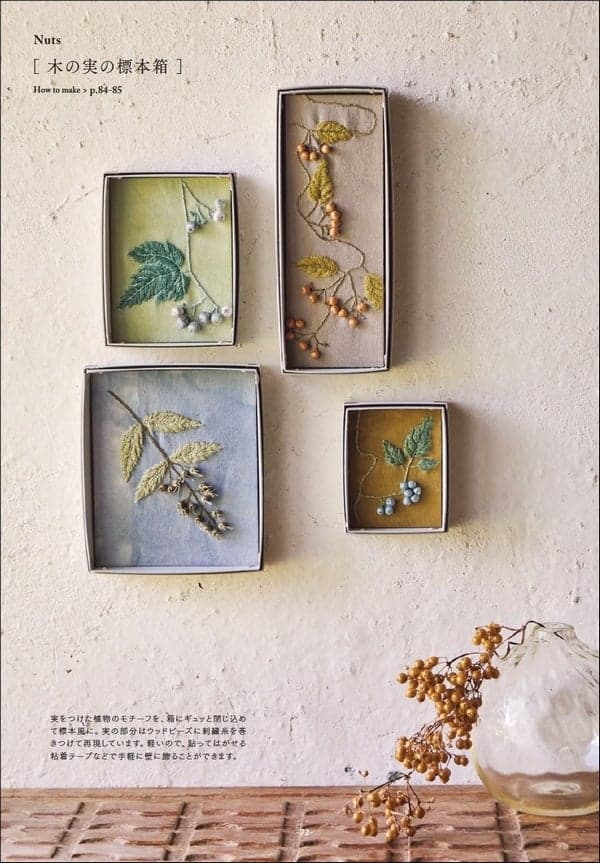
The ideas for arranging the embroidery expand endlessly with the type of plant and the color combination, including a specimen box of tree nuts, brooches, and bags. A framed flower embroidery displayed as is can also serve as an interior decoration item.
About the Author
Veriteco 浅田真理子 was born in Tochigi Prefecture. After working as an artist in Tokyo, she and her husband moved to Teshima in Kagawa Prefecture in 2015. Using plant dyeing with the island's plants and delicate handwork, she makes accessories for adult women and travels around Japan to exhibit at various events.
Website: https://veriteco.com
Instagram: @veriteco
Book Details
- Title: 草花刺繍 染めて、型取りして、刺す (Wildflower Embroidery: Dye, Trace, and Stitch)
- Author: Veriteco 浅田真理子
- Publisher: Yama-Kei Publishers (山と溪谷社)
- Release date: October 5, 2026
- Price: ¥2,200 (¥2,000 plus 10% tax)
- Format: B5 size
- Pages: 104
- ISBN: 978-4-635-49081-8
- Details: https://www.yamakei.co.jp/products/2826490810.html