Fukuoka Grand Sumo Tournaments
◆ Event Introduction
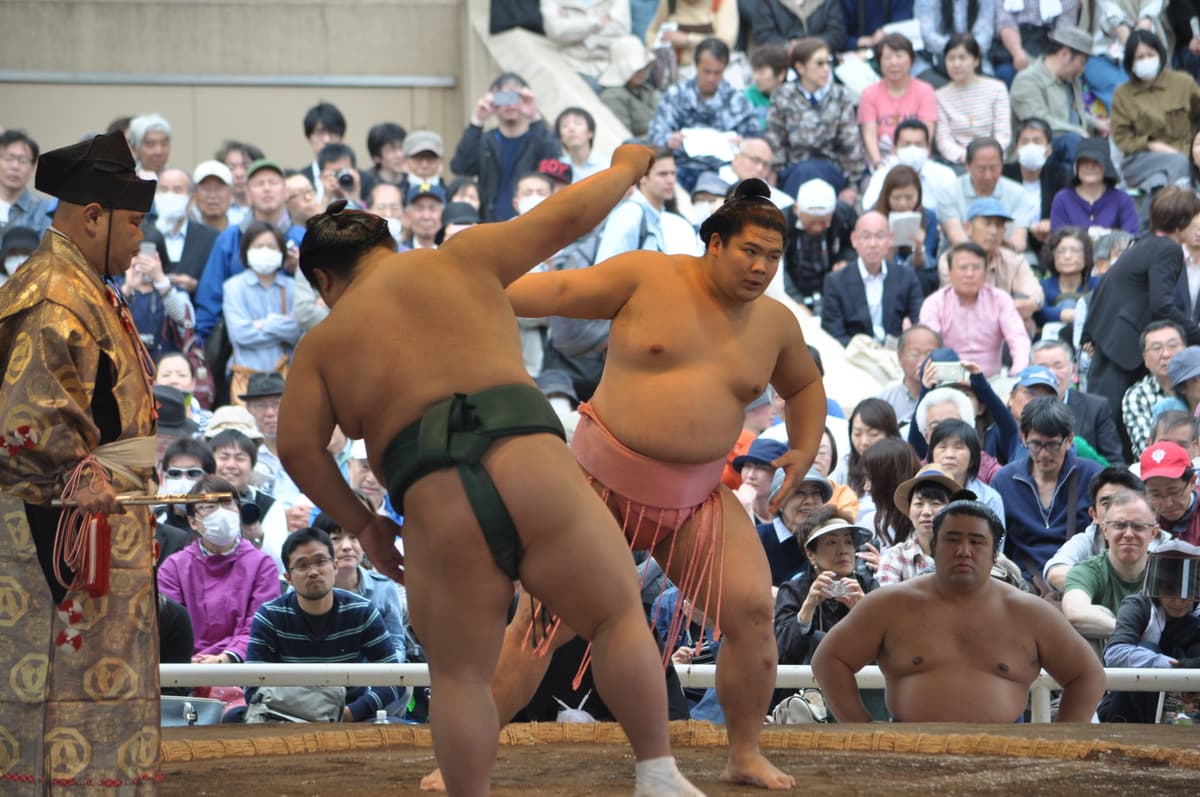
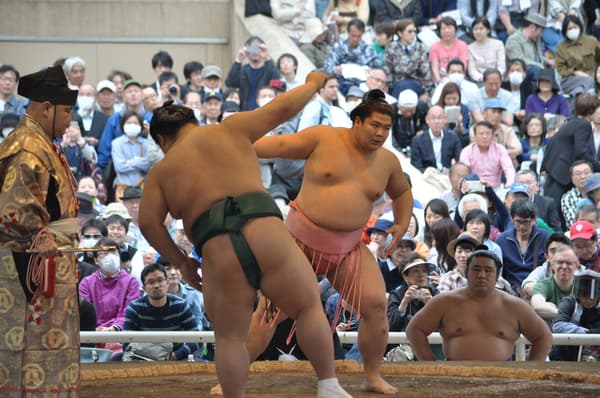
The Fukuoka Grand Sumo Tournament (Kyushu Basho) is the sixth and final official sumo tournament (honbasho) of the year, held every November at the Fukuoka Kokusai Center (Fukuoka International Center) in Hakata Ward, Fukuoka City. As the closing chapter of the annual sumo calendar, this 15-day tournament carries special significance, often deciding critical promotion and demotion outcomes as wrestlers make their final push before the new year. The intimate atmosphere of the venue, combined with the passionate support of Kyushu-born wrestlers by local fans, creates an unforgettable experience that sets this tournament apart from its counterparts in Tokyo, Osaka, and Nagoya.
◆ Historical Background
Sumo has a history spanning over 1,500 years in Japan, with origins deeply rooted in Shinto mythology and ancient court ceremonies. The earliest references appear in Japan's oldest chronicles, the Kojiki and Nihon Shoki, where wrestling bouts among the gods are described. During the Nara and Heian periods, sumo was performed at the imperial court as a ceremonial ritual. The sport evolved into popular entertainment during the Edo period (1603 to 1868), when many of today's recognizable traditions, including salt-throwing purification, the referee's traditional costume, and the elaborate ring-entering ceremonies, were established.
The Kyushu Tournament was elevated to full honbasho (official tournament) status in 1957, making it the newest addition to the annual sumo calendar. Since 1981, the tournament has been held at the Fukuoka Kokusai Center, which has become the beloved home of November sumo. Over the decades, the Kyushu basho has witnessed many memorable moments, including high-profile bouts that helped fuel nationwide sumo booms.
◆ Tournament Schedule
📅 Dates: Held annually in November, typically starting on the second Sunday of the month and spanning 15 consecutive days
📍 Venue: Fukuoka Kokusai Center (Fukuoka International Center), Chikkohonmachi, Hakata Ward, Fukuoka City
◆ Daily Schedule
The day begins in the morning with bouts from the lower-ranked wrestlers in the lower divisions (jonokuchi, jonidan, sandanme, and makushita). The juryo (second-highest division) matches take place in the mid-afternoon, followed by the highly anticipated makuuchi (top division) bouts in the late afternoon. The final match of the day, known as the musubi no ichiban, typically concludes around 6:00 PM.
The final day of the tournament, called senshuraku, is the climactic conclusion where the tournament champion (yusho) is decided and awarded the prestigious Emperor's Cup along with numerous other prizes and trophies.
◆ Venue: Fukuoka Kokusai Center
📍 Location: 2-2 Chikkohonmachi, Hakata Ward, Fukuoka City, Fukuoka Prefecture
🚃 Access: Approximately 10 to 15 minutes by bus from JR Hakata Station; several bus lines stop near "Kokusai Center Sunpalace-mae"
The Fukuoka Kokusai Center opened in 1981 as part of the Fukuoka Convention Center complex. The main hall features a pillar-free design spanning over 5,000 square meters. This relatively compact size compared to larger venues creates an intimate viewing experience where spectators can clearly hear the impact of collisions, the referee's calls, and the roar of the crowd.
◆ What Makes the Kyushu Basho Special
🏆 Season Finale
As the last official tournament of the year, the Kyushu basho carries immense weight. It often decides key promotion and demotion outcomes, especially for ozeki candidates or struggling ozeki. Wrestlers treat it as their final chance to secure a winning record (kachi-koshi), avoid demotion, or build a case for rank promotion heading into the January New Year Tournament.
🎌 Sacred Rituals
Every aspect of sumo is steeped in Shinto tradition. Wrestlers throw salt to purify the ring before each bout, perform ceremonial stomps (shiko) to drive away evil spirits, and participate in elaborate ring-entering ceremonies (dohyo-iri). The yokozuna (grand champion) ring-entering ceremony is a particularly awe-inspiring display of tradition and power.
🏙 Fukuoka Becomes a Sumo Town
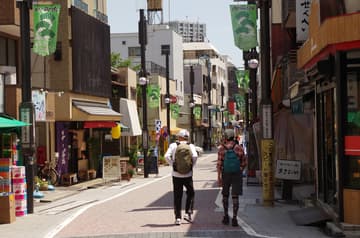
During the tournament period, Fukuoka transforms into a sumo town. Sumo stables set up temporary training bases around the city, and it is common to spot rikishi (wrestlers) in their traditional yukata walking through the streets, dining at local restaurants, or riding public transportation. This unique opportunity to encounter wrestlers outside the arena adds a special charm to the Kyushu basho experience.
🍲 Local Culinary Culture
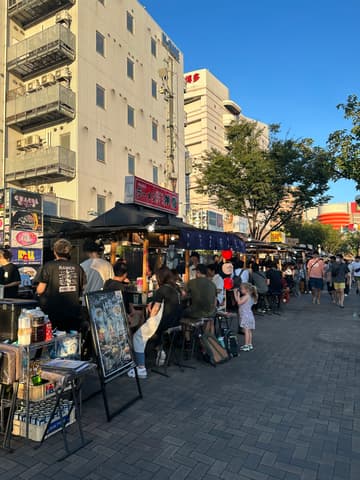
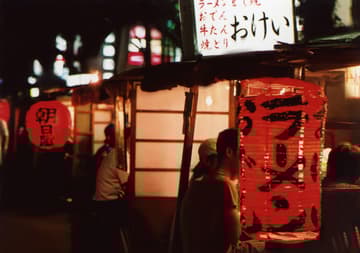
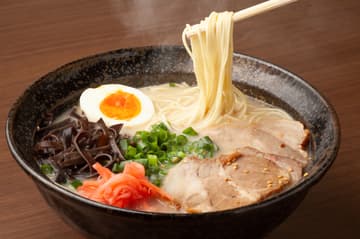
The Hakata area surrounding the venue is renowned for its incredible food scene. Visitors can enjoy Hakata ramen, mentaiko (spicy cod roe), and motsu-nabe (offal hot pot), as well as chanko-nabe, the hearty hot pot stew that forms the staple diet of sumo wrestlers.
◆ Important Notes
⚠️ This page is for event information only. For inquiries about the tournament, please feel free to contact us directly.
⚠️ The arena can become extremely crowded during the tournament, especially on weekends and the final days. Plan your visit well in advance.
⚠️ Photography rules may apply inside the arena. Please follow the venue's guidelines regarding cameras and recording devices.
⚠️ November in Fukuoka is generally mild, but temperatures can vary. Please check the weather forecast and dress accordingly.
Got questions? Let's chat on Instagram!
Send us a DM and we'll help you plan the perfect experience.
Highlights
- The sixth and final official sumo tournament of the year, carrying special significance for wrestler rankings and promotions
- Over 1,500 years of sumo tradition rooted in Shinto rituals, from salt purification to the yokozuna ring-entering ceremony
- Intimate venue offering a close-up viewing experience where you can feel the impact of every bout
- Fukuoka transforms into a sumo town with wrestlers visible around the city during the tournament period
- Explore Hakata's renowned food scene including ramen, mentaiko, and chanko-nabe near the venue
Contact us for booking details