Here are some of the popular sightseeing spots in Hakone that you should not miss if you are planning to visit Hakone. There are famous spots such as hot springs, Owakudani, and the Hakone Open-Air Museum, as well as Hakone's unique rides such as the Hakone Tozan Train, cable car, and pirate ship.
Getting to Hakone
The most popular way to reach Hakone from Tokyo is the Odakyu Romancecar, a limited express train running from Shinjuku Station directly to Hakone-Yumoto Station in about 80 minutes. The reserved-seat surcharge is 1,200 yen one way on top of the base fare. If you are coming from Tokyo Station or Shinagawa, taking the Tokaido Shinkansen to Odawara (about 35 minutes) and transferring to the local Hakone Tozan Railway (15 minutes to Hakone-Yumoto) is another good option.
For getting around within Hakone, the Hakone Freepass is highly recommended. It covers most local transport including the Tozan Railway, cable car, ropeway, pirate ship cruise, and buses. From Shinjuku, the pass costs 7,100 yen for 2 days or 7,500 yen for 3 days (prices revised as of October 2025). From Odawara, it is 6,000 yen for 2 days or 6,400 yen for 3 days.
For a step-by-step guide on the Romancecar and what to do along the way, check out our detailed Hakone itinerary article:
Yumoto Area: The Gateway to Hakone
Hakone Yumoto Onsen
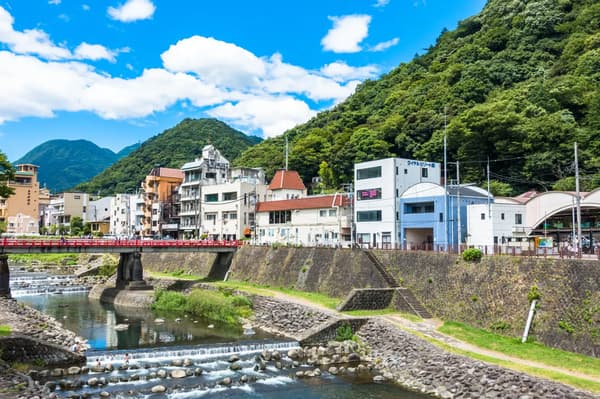
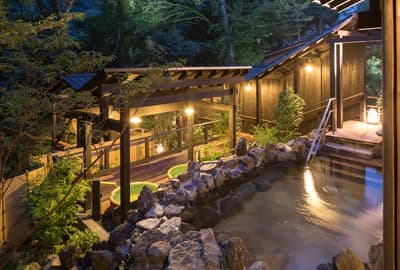
Hakone Yumoto Onsen, one of the oldest hot spring resorts in Japan, is located at the entrance to Hakone. It is a popular tourist spot due to its easy accessibility, only one and a half hours from Tokyo. The area has a wide range of onsen facilities, from traditional ryokan inns to day-trip hot spring baths where you can stop in without a reservation.
For a deeper look at the hot spring culture across Hakone's many onsen areas, see our guide:
Hakone-Yumoto Shotengai (Shopping Street)
Hakone-Yumoto Shotengai is always crowded with tourists and is lined with Hakone souvenir stores. Onsen manju, kamaboko fish cakes, croquettes, and other delicious food unique to onsen resorts are also available for eating and walking around, which is one of the most popular ways to enjoy Hakone-Yumoto. You can also find Hakone's traditional yosegi zaiku (wooden mosaic marquetry) crafts at several shops along the street -- these handmade wooden boxes, coasters, and puzzles make excellent souvenirs.
Hakone Tozan Railway
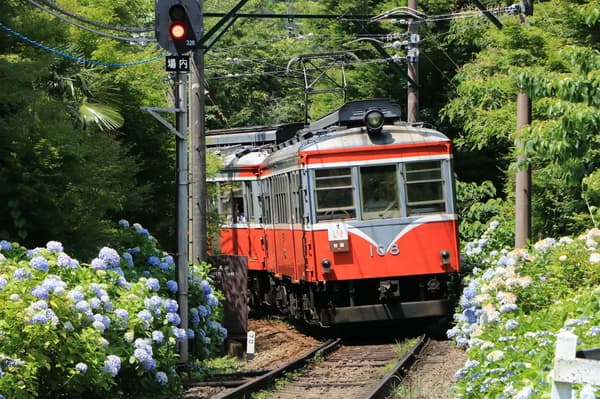
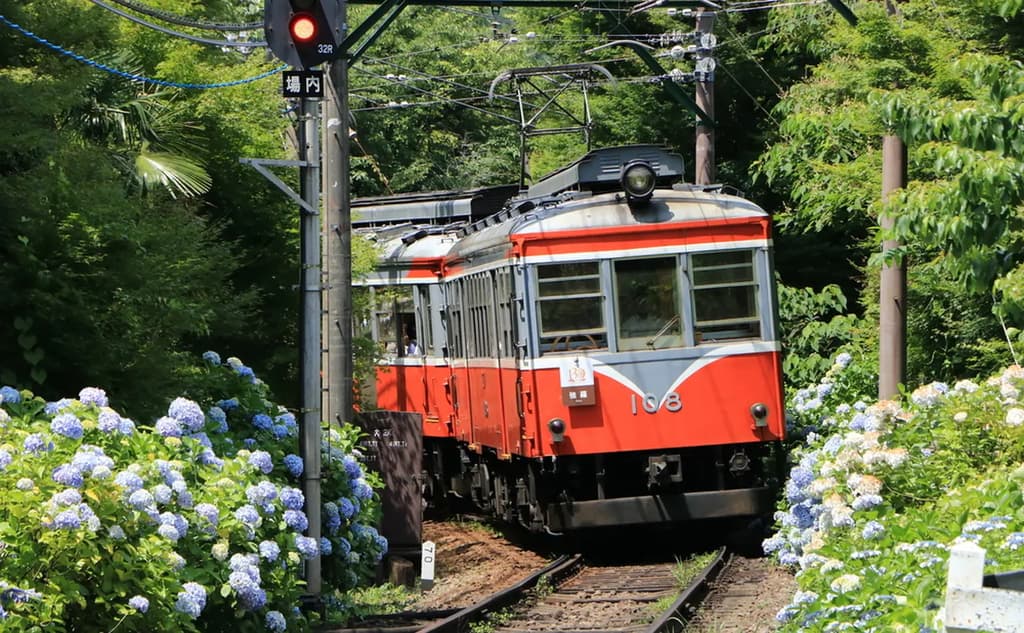
The Hakone Tozan Railway, which zigzags its way up the mountains of Hakone, is a must-see sightseeing attraction in Hakone. It connects Odawara and Gora using a series of switchbacks to climb the steep mountain slopes. It is one of the most authentic mountain railways in Japan, and the ride itself is part of the Hakone experience. In June and July, hydrangeas bloom along the tracks, earning it the nickname "Hydrangea Train."
Forest Adventure HAKONE
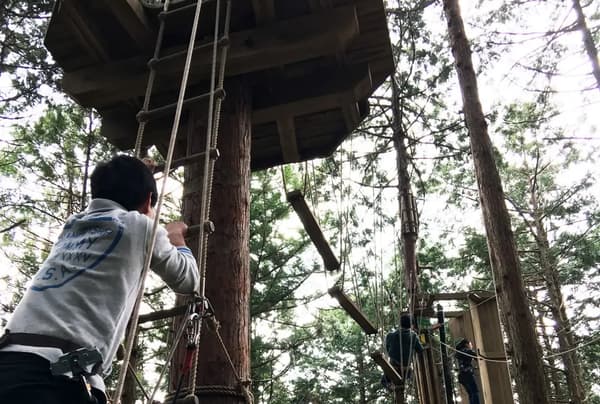
It is an outdoor park in harmony with nature that is easily accessible by a 2-minute free bus ride from Hakone Yumoto Station. Adults can enjoy zip-sliding and suspension bridges in the great outdoors to the fullest. After a long day of walking, enjoy relaxing time in the hot springs.
Fukazawa Zeniarai Benten Shrine
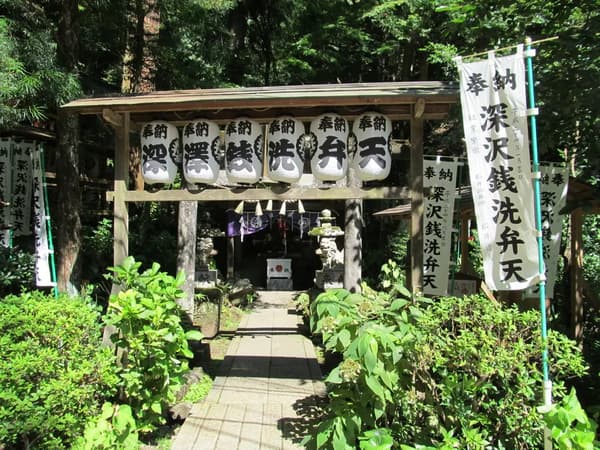
Located just off the platform of Tonosawa Station, Fukazawa Zeniarai Benten Shrine is a sacred place surrounded by nature. Visitors wash their money with a ladle and tray provided in the shrine. It is said that you will be blessed with good fortune if you spend the money after washing it, so use it gracefully!
Sounji Temple
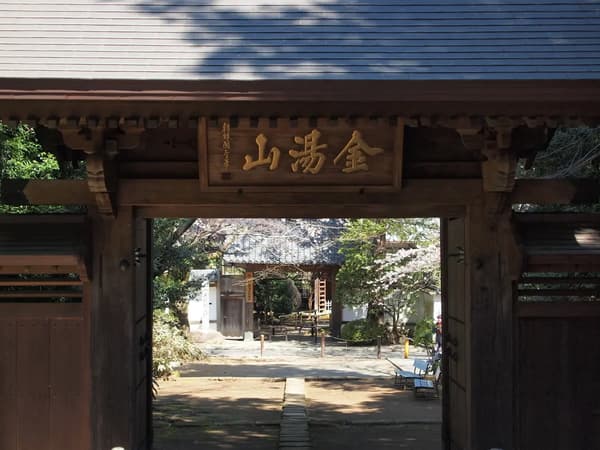
The temple is a 15-minute walk from Hakone-Yumoto Station, is designated as a protected habitat for the himeharuzemi (Euterpnosia chibensis, a sort of cicada) and you can hear the sounds of them in early summer.
Amidaji Temple
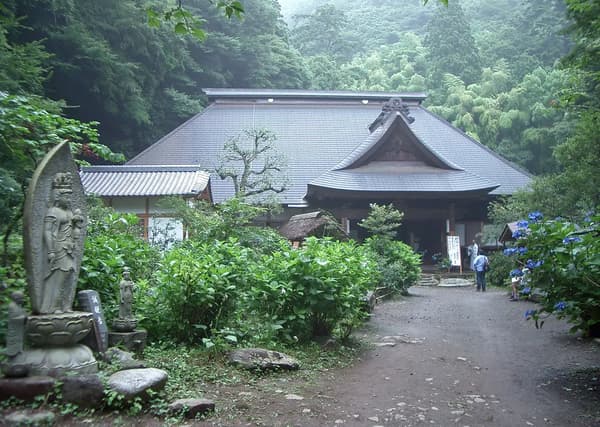
This temple is also famous as the hydrangea temple in Hakone. Various flowers, plants, and trees bloom throughout the year, and the 300-plus year old building with a sense of history is also an attraction.
Hakone Yuryo
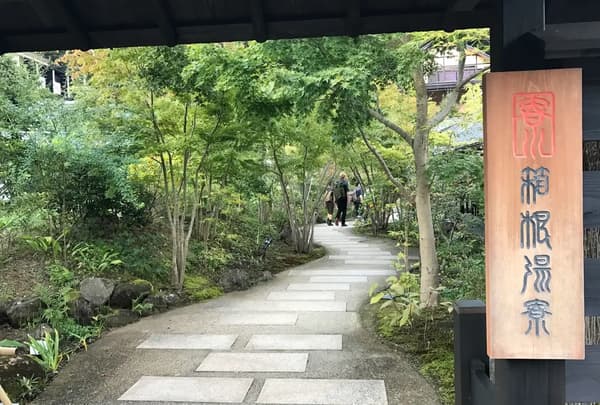
This is an onsen spot with 19 private open-air baths, one of the largest scale around Tokyo area. You can enjoy a large public bath, Japanese hearth dishes, relaxation, and a full range of other facilities. The large baths include an open-air bath, a Shigaraki bath with high heat-keeping effects, and a sauna.
Want to explore the local food and drink scene around Hakone-Yumoto after dark? Join a guided bar hopping tour with a local guide:
Miyanoshita and Kowakidani Area: The Retro Townscape
Okada Museum of Art
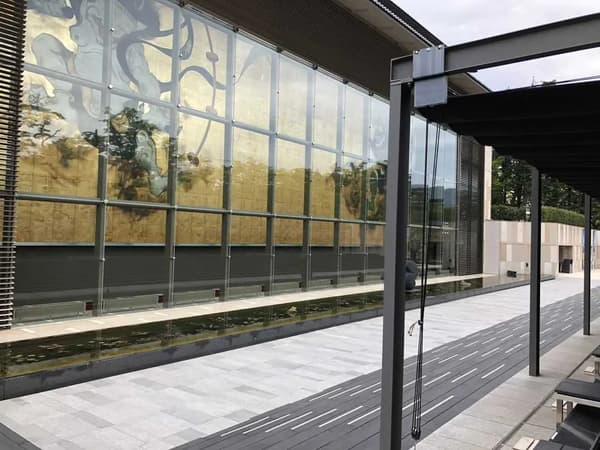
This is an art museum located in Kowakudani, Hakone. It houses a collection of art works from ancient to modern times, mainly from Japan, China, and Korea. The museum also has an onsen foot bath on site where you can rest your feet while looking out over the garden -- a nice bonus after walking through the galleries.
Hakone Kowakien Yunessun
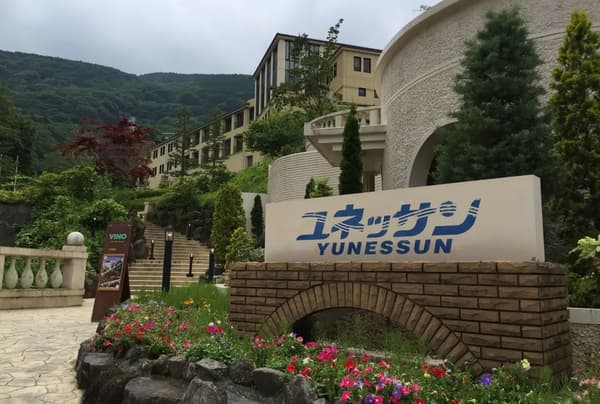
Natural hot springs that spring from Hakone and unique themed baths that can be enjoyed in swimsuits are gathered here. Both day trips and overnight stays are possible, making this a popular hot spring theme park for families and couples. In spring 2025, a new water slide attraction called Rocky's Splash was added, giving families another reason to visit.
Kumano Shrine
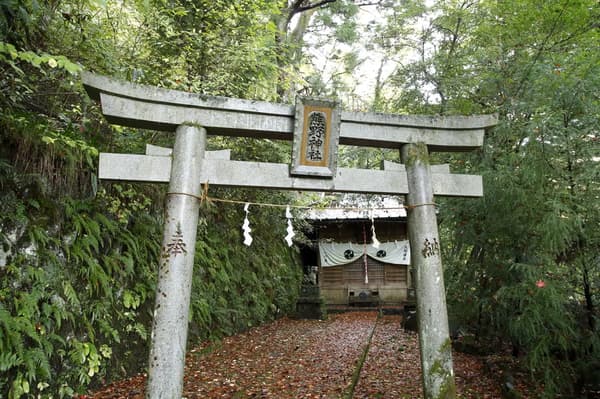
Kumano Shrine is located on the way back to Miyanoshita station from Miyanoshita Hakone Shrine, right next to Fujiya Hotel, surrounded by greenery and popular among tourists who love hot springs. Kumano Shrine is also located in Yumoto, Tonosawa, and Ashinoyu.
Fujiya Hotel
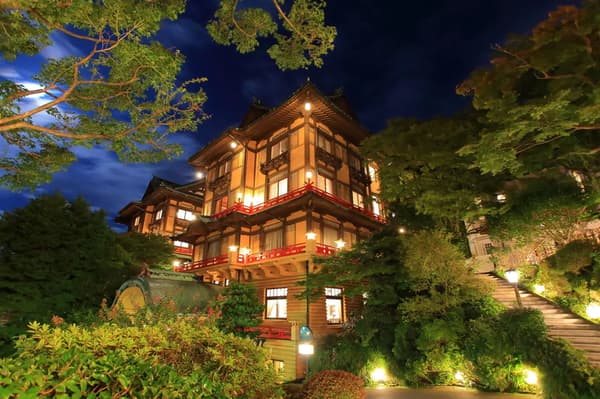
This is a famous long-established classic hotel in Miyanoshita, established in 1878. It is known that Helen Keller stayed at the hotel, and its 100-year-old traditional curry and famous apple pie are very popular. The hotel completed a major renovation in 2020 after two years of work, restoring its historic architecture while adding modern comforts.
If you are visiting the Miyanoshita and Kowakudani area, consider capturing the moment with a private photoshoot with a local photographer:
Mt. Sengen Hiking Trail
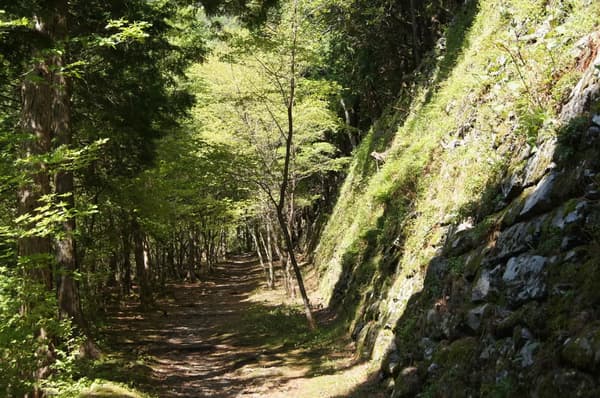
This is a hiking trail that connects the Kowakudani Station of the Hakone Tozan Railway to Mt. Sengen. Visitors can enjoy walking while admiring the flowers and trees of the four seasons. The trail takes about 30 minutes each way and rewards you with a panoramic view at the top.
Dogashima Valley Promenade
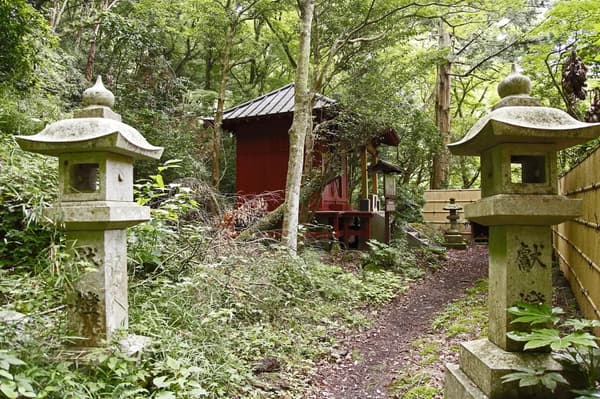
A walking trail leads from Dogashima Onsen along the Hayakawa Valley, allowing visitors to experience an extremely deep valley.
Owakudani and Gora Area: Exploring the Beautiful Parks in the Onsen Region
Owakudani
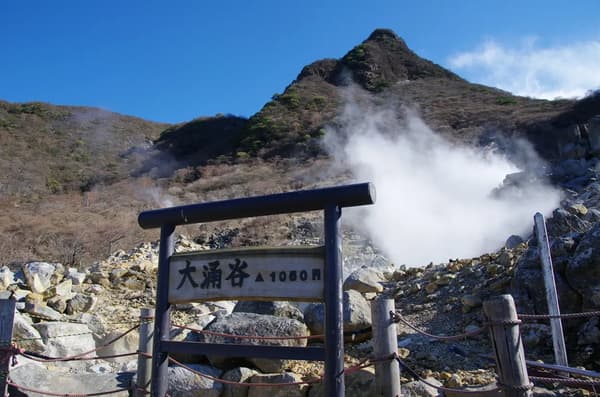
Owakudani was created by a phreatic explosion of the Hakone volcano about 3,000 years ago. The famous black egg, boiled in sulfurous waters, giving the egg shells a distinctive black color, is said to prolong one's life by 7 years. Called Jigokudani (the Valley of Hell) in ancient times, Owakudani is one of Hakone's most popular tourist spots. You can buy the black eggs at the kiosk near the top of the ropeway station -- they are sold in bags of 5 for 500 yen.
In April 2025, a new observation area called Earth Valley (Chikyu no Tani) opened alongside the remodeled Owakudani Station. The new walkway and viewing decks let visitors get closer to the volcanic landscape with improved safety features and better angles for photos.
Hakone Open Air Museum
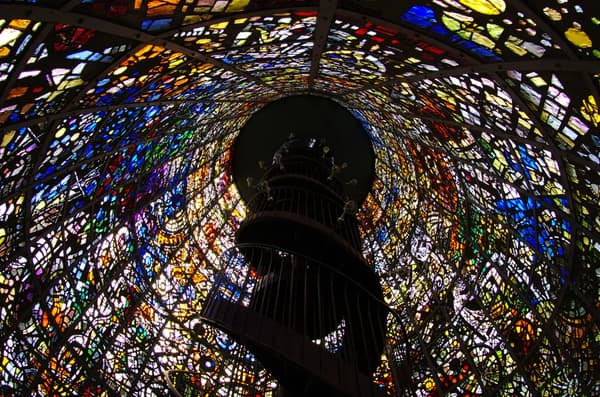
This is an open-air museum where visitors can view the sculptures of the world's great masters. The outdoor exhibition space is a 70,000 square meter lush garden with a view of the Hakone Mountains, where approximately 120 masterpieces by leading modern and contemporary sculptors are on permanent display. The museum also houses a Picasso Collection hall and several indoor galleries. Open daily from 9:00 to 17:00 (last entry 16:30).
Hakone Gora Park
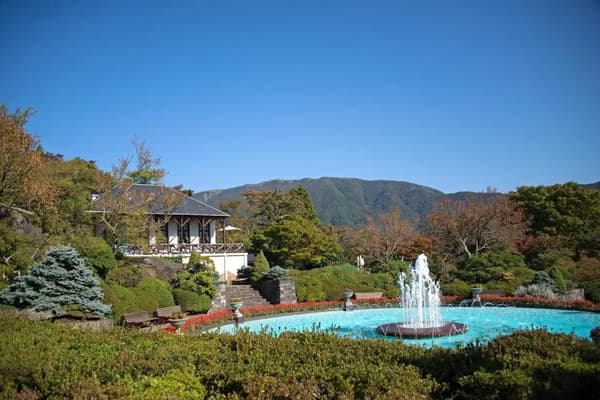
Opened in 1914, Hakone Gora Park offers a variety of flowers such as cherry blossoms, azaleas, hydrangeas, autumn leaves, and roses, as well as facilities such as tea ceremony, pottery and glass blowing experience, and a botanical garden. Entry to the park is free with the Hakone Freepass.
Hakone Museum of Art
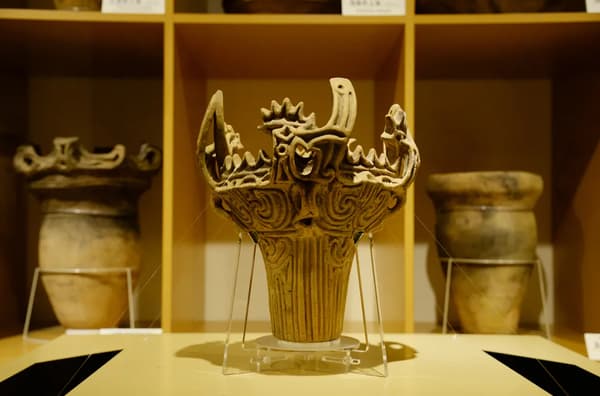
Opened in 1952, it is the oldest museum in Hakone. The museum exhibits about 100 pieces of pottery ranging from Jomon period earthenware to Edo period pottery. The moss garden behind the museum is especially popular in autumn when the maple trees turn bright red.
Hakone Ropeway
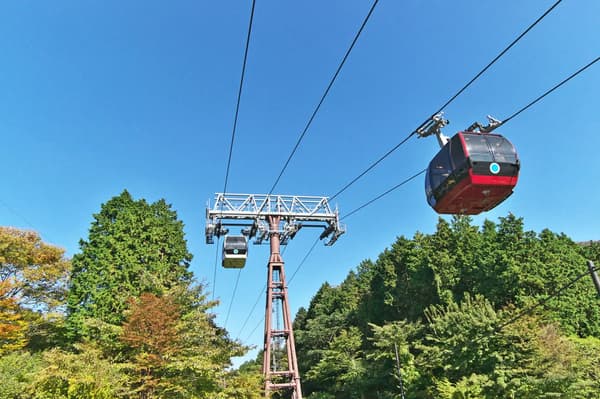
The Hakone Ropeway is the best way to get to Owakudani, and it takes about 25 minutes from Sounzan to Owakudani, Ubako, and Togendai. You can enjoy beautiful Mt. Fuji views, the volcanic steam of Owakudani, and a panoramic view of Lake Ashinoko. Note that the ropeway undergoes annual maintenance (typically in December through February), during which replacement buses operate between stations.
Sengokuhara Area: The Town of Nature and Art
Pola Museum of Art
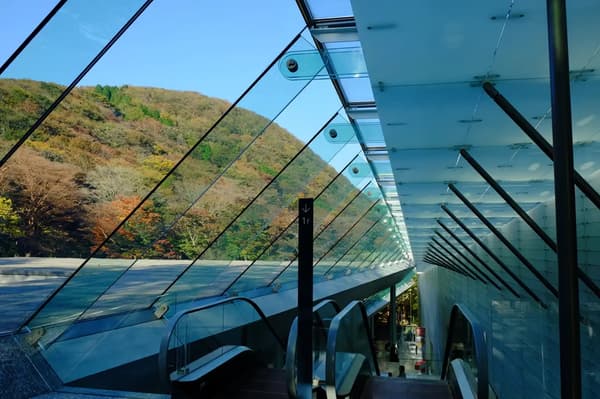
Opened in 2002 in Sengokuhara, the museum has a collection of about 10,000 Western paintings, mainly Impressionist paintings. It is said to have one of the largest collections of Impressionist paintings in Japan. The building itself is set into the forest with floor-to-ceiling glass walls, making the walk through the galleries feel like moving through the trees.
Lalique Museum, Hakone
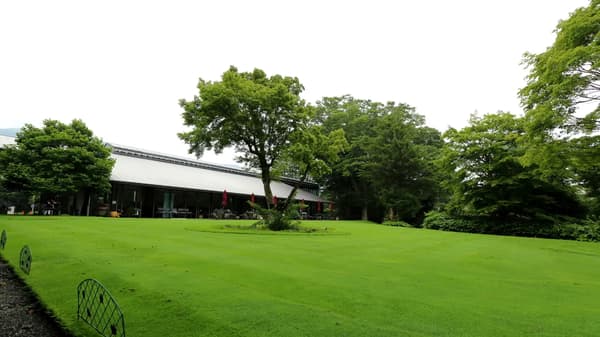
The museum exhibits a variety of glass artworks by Rene Lalique, including jewelry, perfume bottles, and vases. The museum store offers a wide range of items from tasteful sundries to food, making it the perfect place to pick up souvenirs from Hakone.
Hakone Venetian Glass Museum
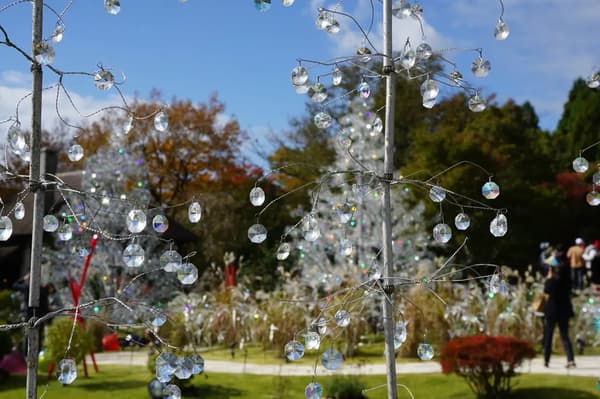
This is the first museum in Japan dedicated to Venetian glass. With a museum store and workshops, visitors can deeply enjoy glass art. The outdoor garden features glass sculptures and a crystal tunnel that sparkles in the sunlight.
Choanji Temple
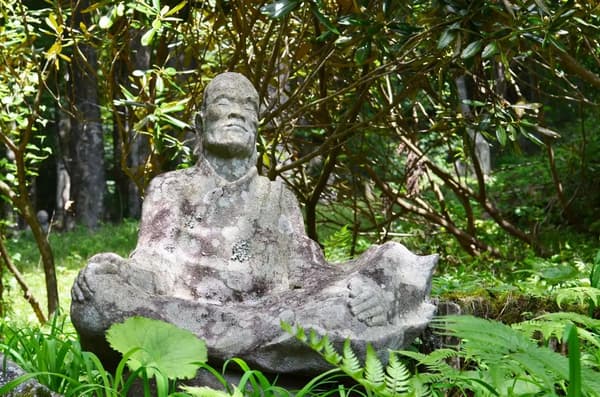
The temple was built in Sengokuhara in 1658, and is surrounded by nature in a quiet atmosphere. The temple is famous for its beautiful seasonal scenery, especially for its autumn foliage. The 500 rakan (disciple of Buddha) stone statues, each with a unique expression, are worth a slow walk to appreciate.
Hakone Botanical Garden of Wetlands
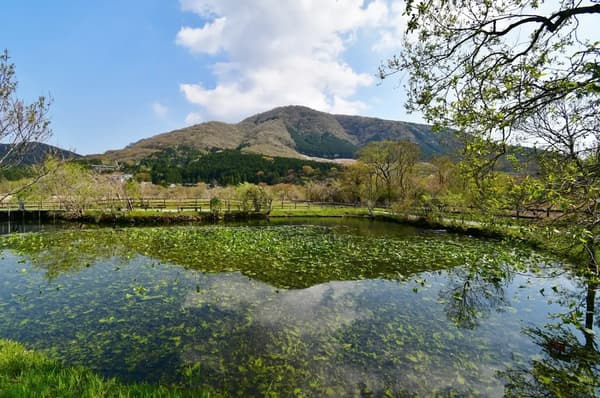
This botanical garden focuses on plants that grow in water wetlands such as rivers and lakes. In addition to 200 species of wetland plants scattered throughout Japan, 1,100 species of grassland, forest, and alpine plants are collected here. The garden is open from March 20 to November 30 and closed during the winter season.
Sengokuhara Pampas Grass Fields
Between September and November, the Sengokuhara plateau turns golden with tall pampas grass (susuki) swaying in the breeze. The sight is especially striking when lit by the late afternoon sun. The viewing area is along Route 138, accessible by bus from Hakone-Yumoto or Gora.
Lake Ashinoko Area: Home to a God of Marriage
Hakone Shrine
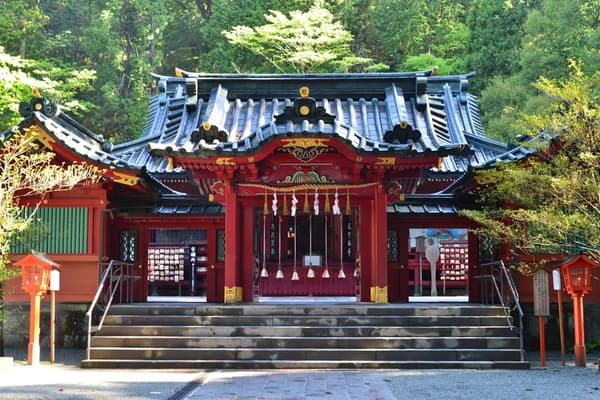
Hakone Shrine is called the best energy place in Hakone and offers a wide range of blessings such as with child, good luck, fulfillment of one's desire, traffic safety, luck in victory, match-making, good marriage, and so on. The cedar-lined approach to the main hall is about 800 meters long, and the red Heiwa no Torii gate standing at the edge of Lake Ashinoko is one of the most photographed spots in all of Hakone.
Kuzuryu Shrine
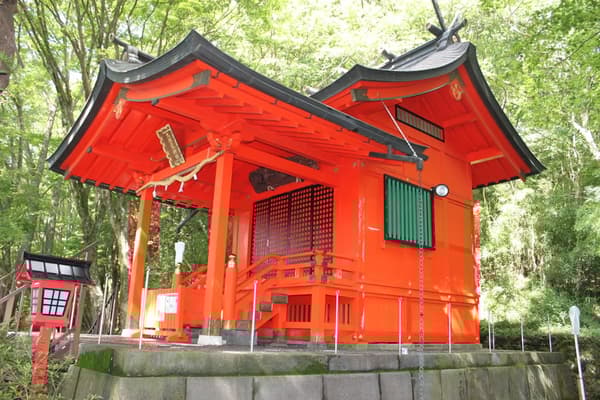
The shrine is named after a poisonous dragon that ran rampant in Lake Ashinoko during the Nara period (710-794) and was worshipped as Kuzuryu-no-Okami by the priest Mangan after he subdued the dragon. It is known as the god of good matchmaking. The shrine is crowded with worshippers praying for the fulfillment of their love during the monthly festival held on the 13th of each month.
Hakone Sightseeing Cruise
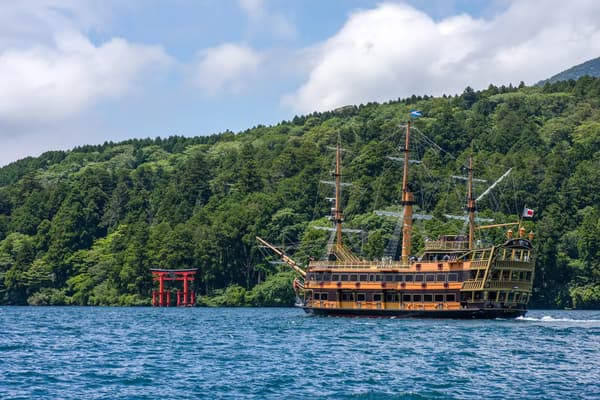
Three pirate ships modeled after European sailing battleships operate on Lake Ashinoko in Hakone. The cruise runs between Togendai, Hakone-machi, and Moto-Hakone ports, with the full loop taking about 60 minutes. On clear days, you can see Mt. Fuji rising above the lake from the deck. The Victory, one of the three ships, received a cabin renovation in April 2025 with a new special cabin and the "Pirate's Galley" snack bar at Motohakone port.
Hakone Lake Ashinoko Boat Cruise
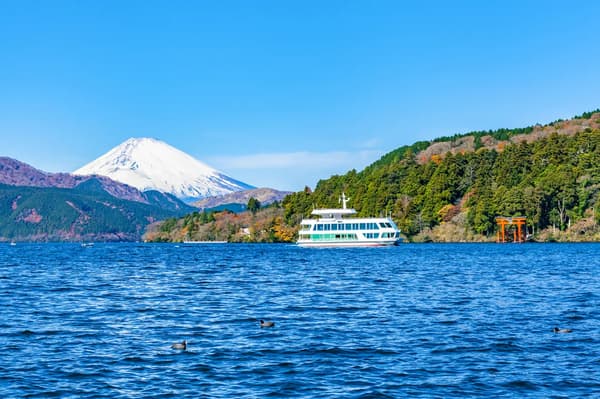
In addition to regular boats that go to Hakone-en and other places, the boat operates on a 30-minute round trip course. For those who want to enjoy cruising around Lake Ashinoko at a quieter pace than the pirate ships, this is a good alternative.
Hakone Sekisho
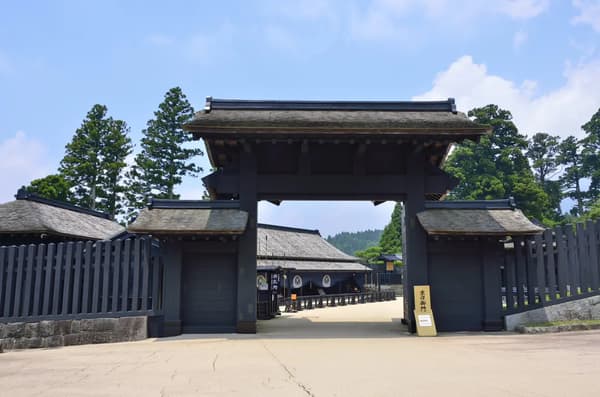
Hakone Sekisho is a reconstructed Edo-period checkpoint on the old Tokaido highway, and it played a key role in controlling travel between Edo (Tokyo) and western Japan. The site includes a small museum explaining how the checkpoint operated and why it mattered for 250 years of Tokugawa rule. It invites you to a trip to Hakone full of historical romance.
Hakone-en Aquarium
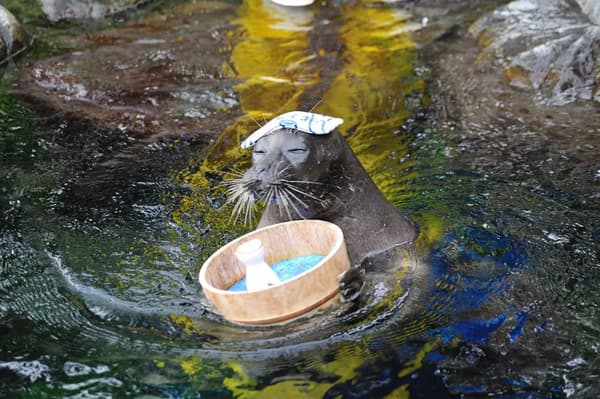
This aquarium is located at the highest elevation in Japan, sitting on the shore of Lake Ashinoko. The aquarium has a large collection of 32,000 fish of 450 species from around the world, and cute Baikal seals welcome visitors at the Seal Plaza.
Hakone-en
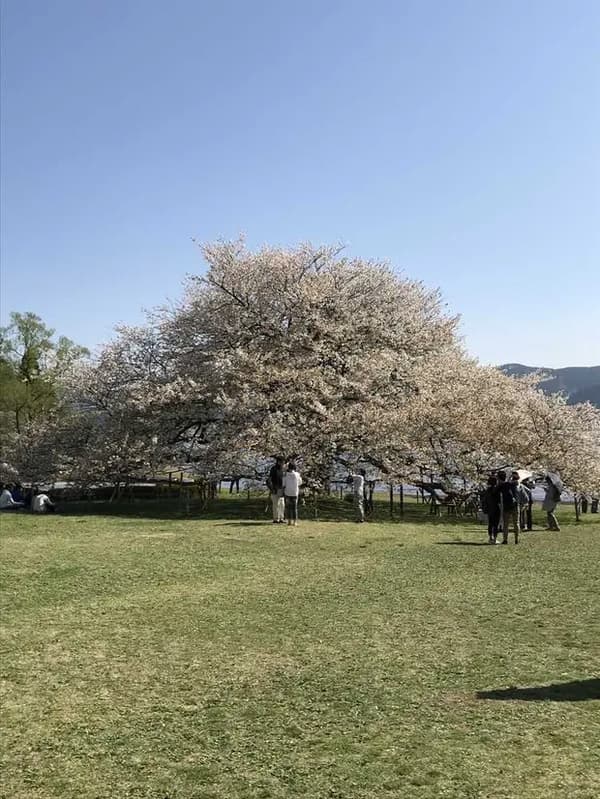
It is a resort complex of cottages, a botanical garden, an aquarium, and a shopping mall operated by Prince Hotel, where visitors can enjoy themselves all day long. The Komagatake Ropeway departs from here and takes you up to the summit of Mt. Komagatake (1,327 m), where on a clear day you get a 360-degree panorama including Mt. Fuji, Lake Ashinoko, and Suruga Bay.
Capture the beauty of Lake Ashinoko and Hakone Shrine with a private photoshoot by a local photographer:
Gotemba and Odawara Area: Ideal Rest Stop En Route to Hakone
Gotemba Premium Outlet
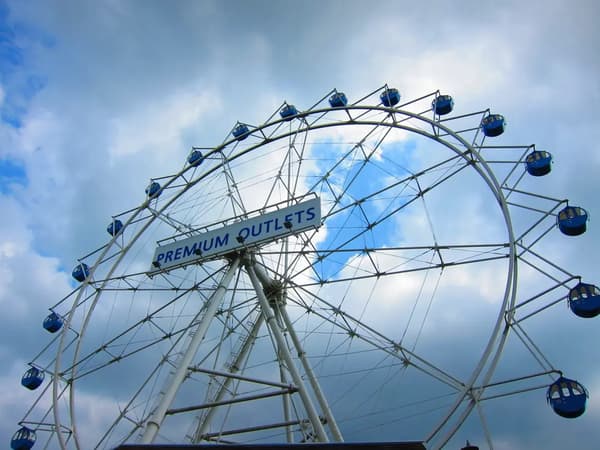
It is a 20-minute drive from Sengokuhara, and there is a direct bus service from Tokyo for easy access. It is a large facility with about 290 brand shops and restaurants. On clear days, the view of Mt. Fuji from the open-air shopping area is hard to beat.
Suzuhiro Kamaboko Museum
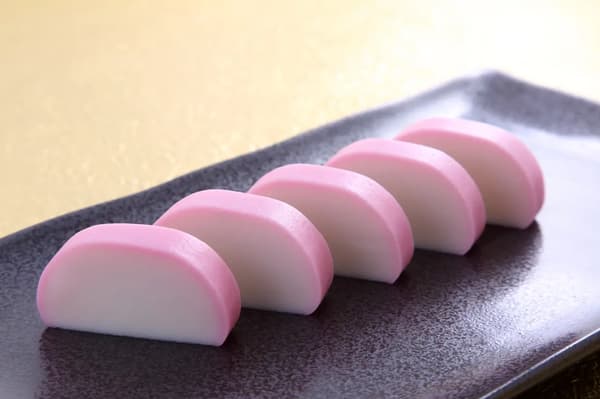
Suzuhiro Kamaboko Museum is a facility where you can enjoy shopping for kamaboko, dried fish, confections, and sundry goods, as well as a restaurant where you can enjoy seafood, and experience making kamaboko. The museum is popular for its fish cake production process tours, handmade craftsman tours, and handmade fish cake workshops. The kamaboko-making experience costs about 1,500 yen per person and takes around 50 minutes.
Odawara Hayakawa Gyoson
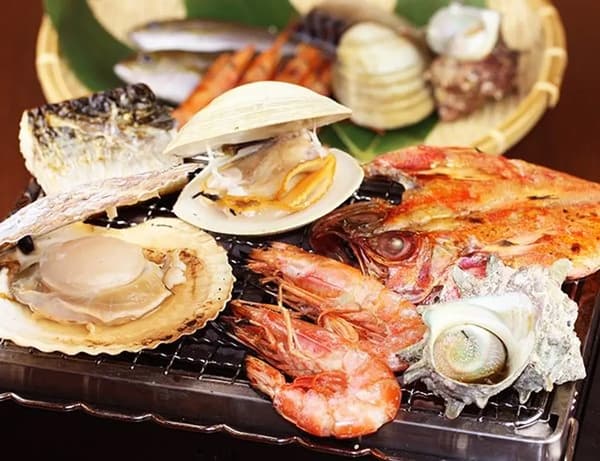
This is a popular sightseeing spot where you can enjoy seafood dishes from Odawara and Sagami Bay and get souvenirs. It is right next to Odawara fishing port and a short walk from Hayakawa Station on the JR Tokaido Line. If you are arriving via Odawara, this makes for a great lunch stop before heading into Hakone.
Odawara Flower Garden
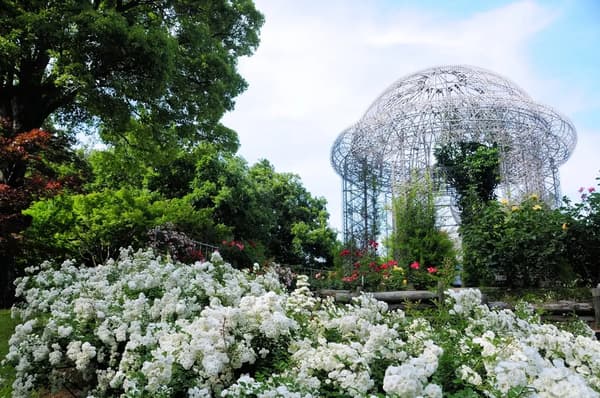
Odawara Flower Garden is a park where flowers can be enjoyed all year round. Especially, a tropical dome greenhouse where tropical plants can be seen, and an ume (Japanese apricot) garden along a mountain stream where about 300 varieties of ume trees bloom are recommended. The ume garden is at its best from late January through early March.
Tips for Planning Your Hakone Trip
Best time to visit: Hakone is a year-round destination, but each season has its highlights. Cherry blossoms appear in early April, hydrangeas line the Tozan Railway tracks in June and July, pampas grass fills the Sengokuhara fields from September to November, and autumn foliage peaks in mid-November. Winter (December to February) brings fewer crowds and the clearest Mt. Fuji views.
Suggested 1-day route: Hakone-Yumoto to Gora by Tozan Railway, then cable car to Sounzan, ropeway to Owakudani, continue to Togendai, Lake Ashinoko pirate ship cruise to Moto-Hakone, visit Hakone Shrine, then bus back to Hakone-Yumoto. The Hakone Freepass covers this entire loop.
Suggested 2-day route: On Day 1, follow the loop above. On Day 2, visit the Hakone Open-Air Museum or Pola Museum of Art in the morning, then enjoy a slower afternoon at a ryokan or day-trip onsen before heading back to Tokyo.
If you are planning a photoshoot to remember your Hakone trip, we offer private photography sessions across the Hakone and Odawara area: