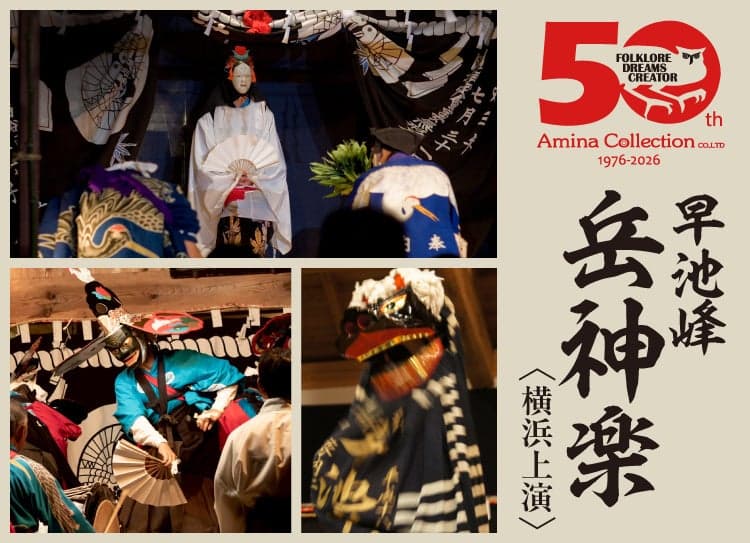
On October 13, 2026 (Tuesday), Silk Road Dance Hall in Yokohama Chinatown hosts a special performance of Hayachine Take Kagura, a sacred dance registered as a UNESCO Intangible Cultural Heritage and a Nationally Designated Important Intangible Folk Cultural Property. The venue is run by Amina Collection Co., Ltd., headquartered in Yokohama, Kanagawa Prefecture.
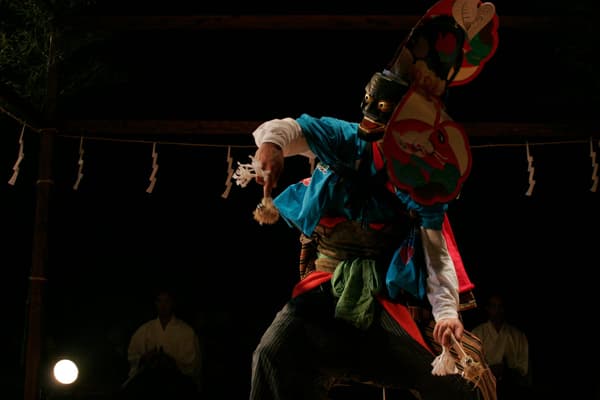
Take Kagura became, in May 1976, the very first performing art to be designated a National Important Intangible Folk Cultural Property. That same year, Amina Collection was founded. As both mark their 50th anniversary in 2026, this performance celebrates a shared milestone.
Event Details
Date: October 13, 2026 (Tuesday), 2:00 PM to 5:30 PM (doors open 1:30 PM)
Admission: ¥5,000 (tax included, includes a novelty gift); free for elementary school students
Capacity: 50 people, first come first served (advance registration required)
Reception (optional): From 6:30 PM, ¥4,000 (tax included, advance registration required for those who wish to attend)
Registration: Registration site
Venue: Silk Road Dance Hall
Address: B1F, Nene Building, 80 Yamashita-cho, Naka-ku, Yokohama, Kanagawa Prefecture
Map: https://maps.app.goo.gl/625mSEjZNjPM7Q7r5
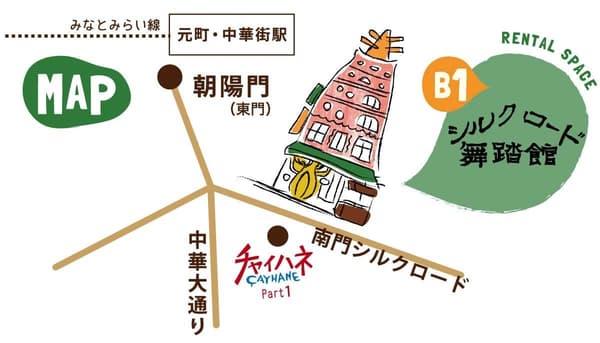
Access:
- 3-minute walk from Motomachi-Chukagai Station (Exits 2 or 3) on the Minatomirai Line
- 10-minute walk from Ishikawacho Station on the JR Keihin-Tohoku/Negishi Line
- Paid parking is available nearby for those arriving by car
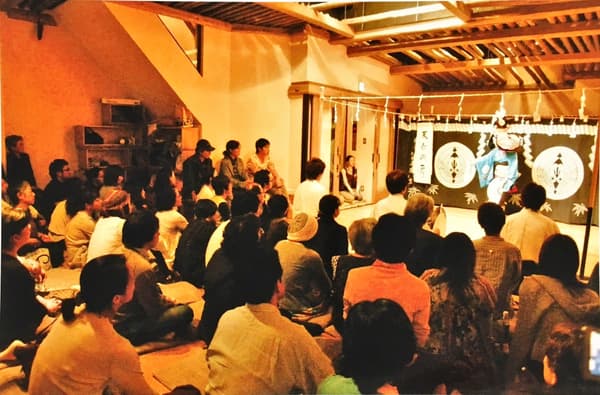
What Is Hayachine Take Kagura
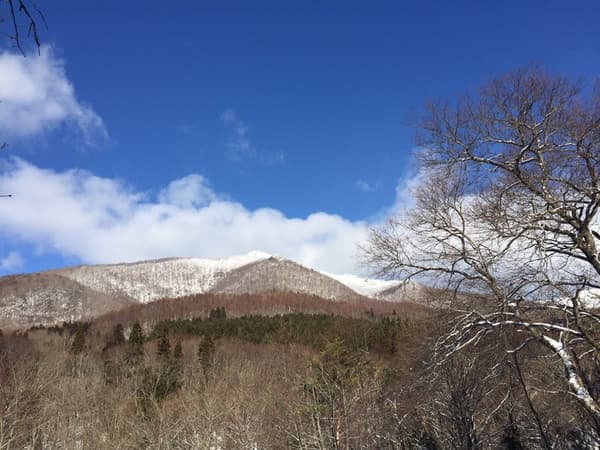
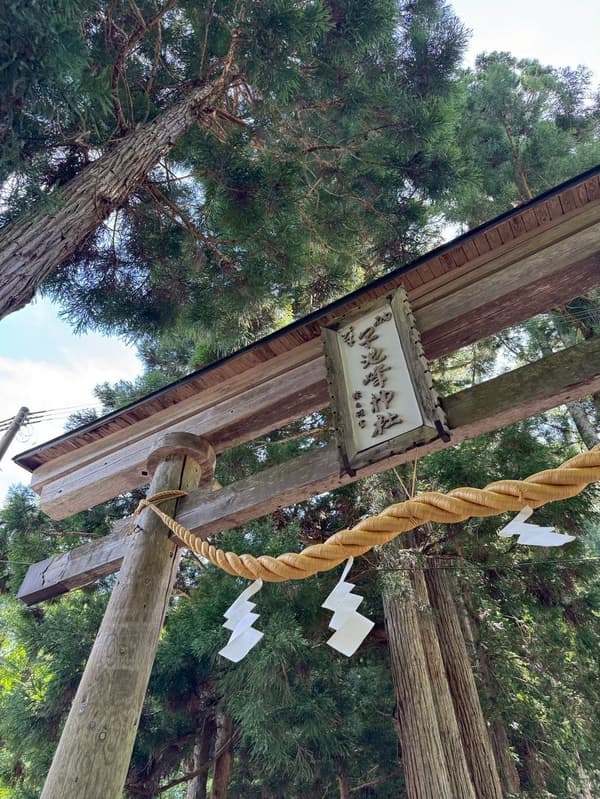
Believed to have been passed down for more than 500 years in the Ohasama area of Hanamaki, Iwate Prefecture, Take Kagura was designated a National Important Intangible Folk Cultural Property in May 1976 and inscribed as a UNESCO Intangible Cultural Heritage in 2009.
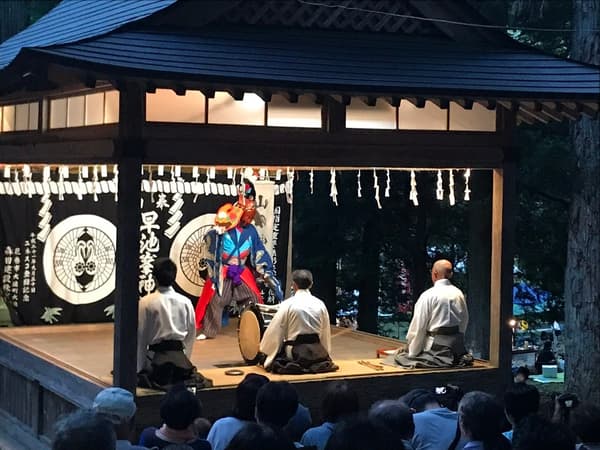
Rooted in worship of Mount Hayachine, it is a yamabushi (mountain ascetic) kagura and the collective name for the dances passed down in the neighboring Otsugunai and Take districts, which share the same origins and largely the same repertoire. Performances open with a ceremonial "shikimai" dance: Otsugunai Kagura is known for elegant movement in a seven-beat rhythm, while Take Kagura is known for its bold, five-beat style. The program closes with "Gongen-mai," a prayer dance performed with a lion-head mask said to embody a temporary form of the deity, alongside a series of dynamic dances.
Take Kagura's Connection to Amina Collection
Yukihiko Shindo, who founded Amina Collection in 1976, had earlier encountered the Tohoku folk performing arts Onikenbai and Shishi-odori, an experience that changed the course of his life. His connection with Take Kagura dates back to before the company's founding, and it is through that relationship that the group performs in Yokohama.
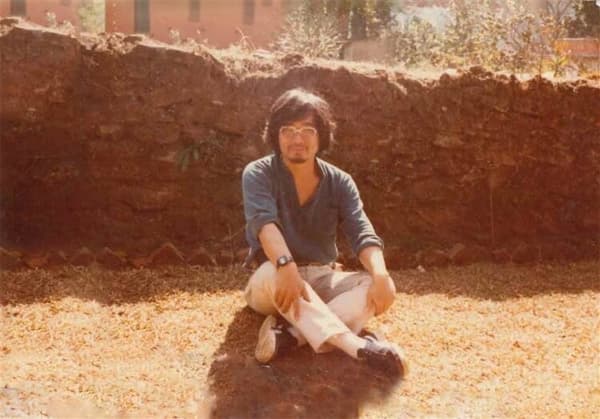
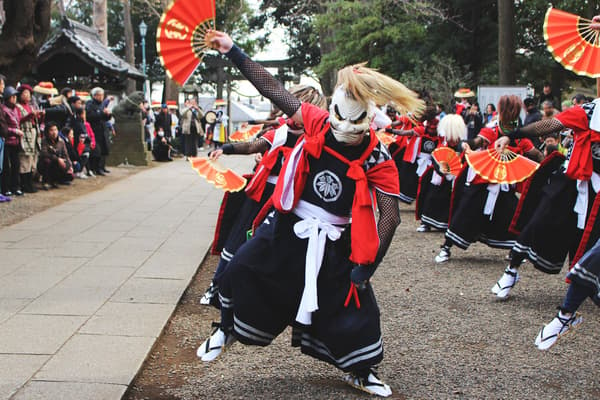
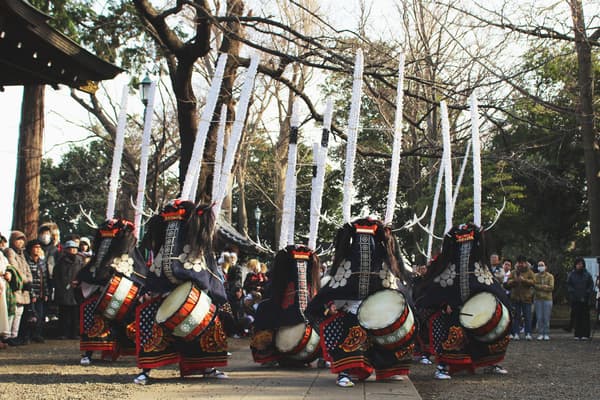
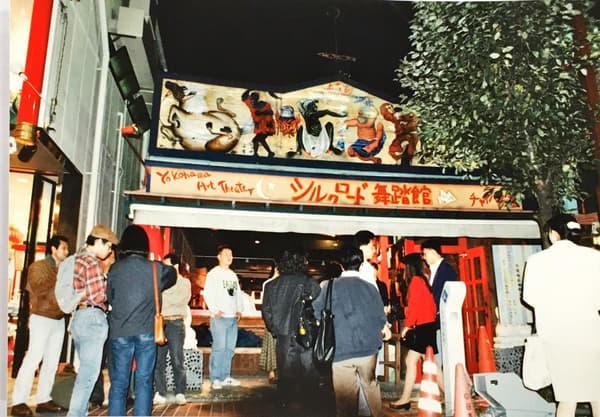
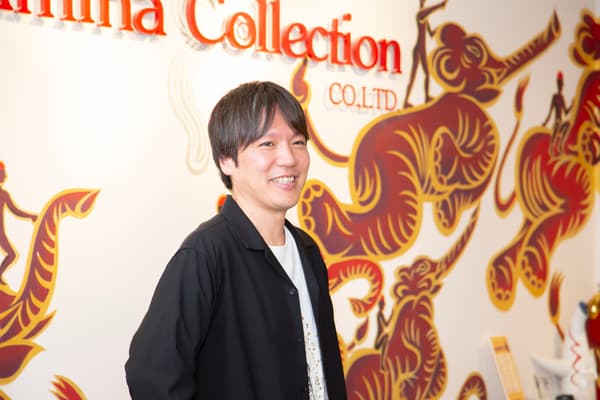
Sawato Shindo, president of Amina Collection, says the connection between Take Kagura and the company goes back to before its founding, with the group's first performance at Silk Road Dance Hall taking place in 1991 and continuing regularly ever since. "As Amina Collection marks its 50th anniversary, we're delighted to once again welcome a Take Kagura performance to Silk Road Dance Hall," Shindo says. "Take Kagura carries a history spanning several centuries, and this year also marks 50 years since it became the very first National Important Intangible Folk Cultural Property, a meaningful milestone for us as well. Folk performing arts, and Take Kagura in particular, sit at the heart of what Amina Collection stands for. Watching the performance again this past February, I was struck by the powerful energy carried by people who trace their roots to mountain asceticism and have endured a harsh natural environment. At this 50th-anniversary milestone, I look forward to sharing Take Kagura at the intimate scale of Silk Road Dance Hall, where audiences can sense every breath of the performers."