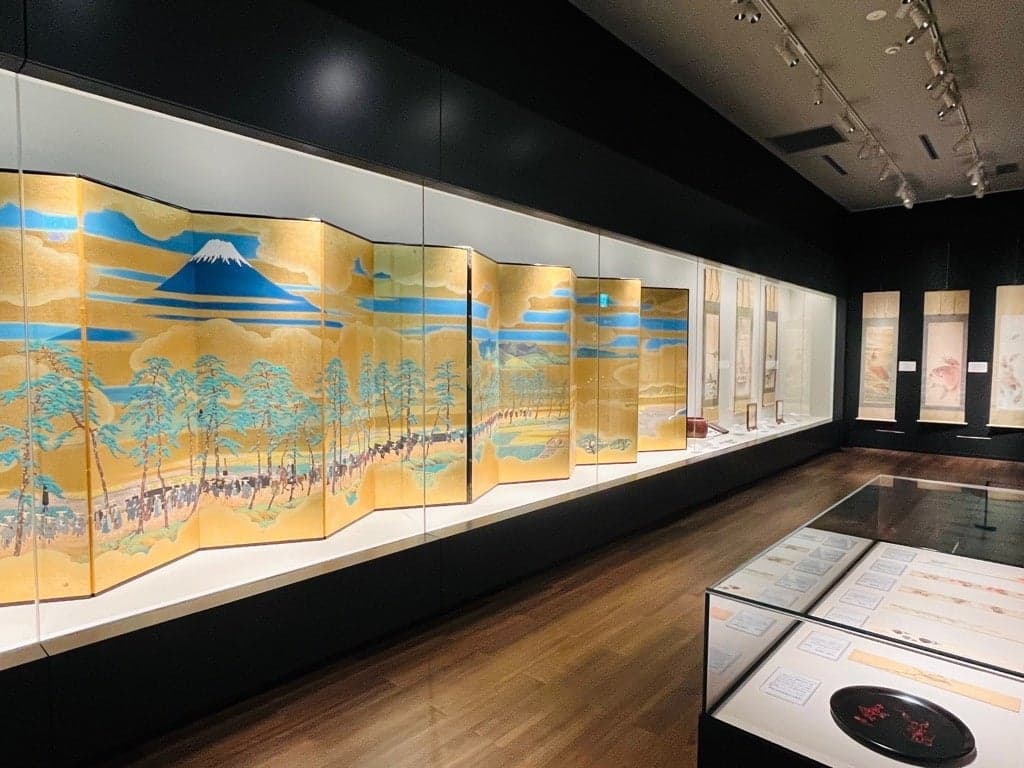
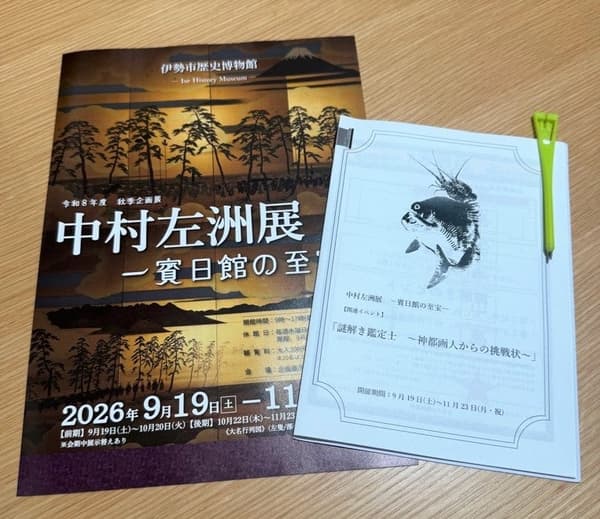
Ise History Museum in Ise, Mie Prefecture, is holding its 1st autumn special exhibition, "Nakamura Sashu Exhibition: Treasures of Binjitsukan," through Monday, November 23, 2026 (national holiday).
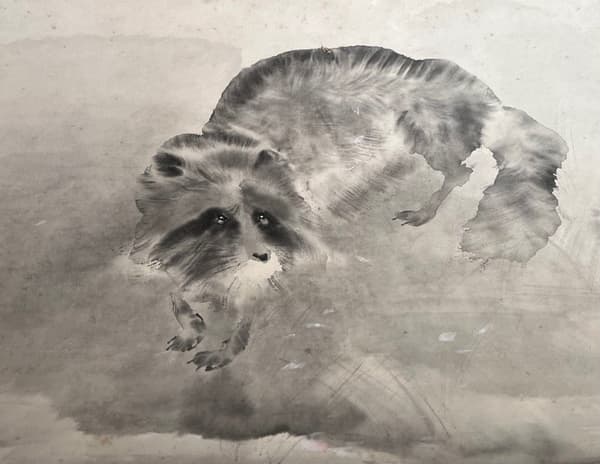
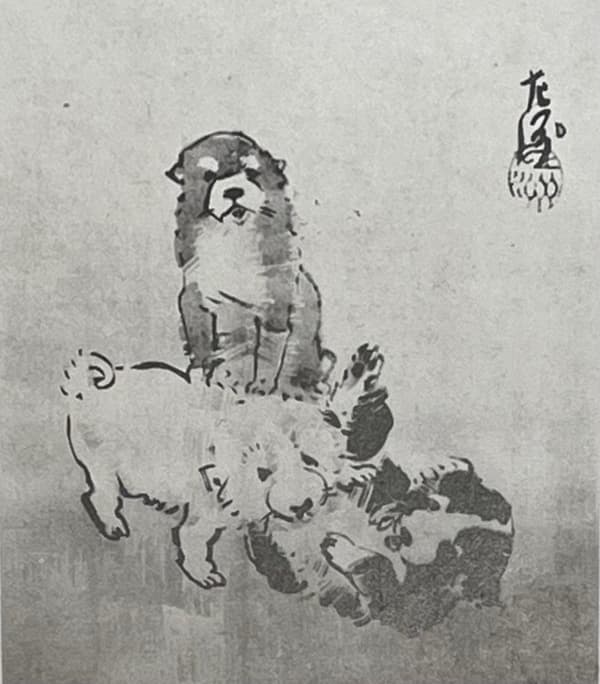
Nakamura Sashu was a Nihonga (Japanese-style) painter born in Futami, Ise. The exhibition introduces masterpieces handed down at Binjitsukan (賓日館), which has ties to Sashu, such as "Daimyo Procession" (大名行列図) and "Auspicious Sea Bream" (寿鯛図), along with works donated to Ise City.
The museum is located close to Geku (the Outer Shrine of Ise Jingu). Visitors can learn about the history of pilgrimage to Ise Jingu and view a number of beautiful Nihonga works, a fitting way to enjoy the cultural side of autumn.
Discovering Nakamura Sashu's World Through Binjitsukan Masterpieces
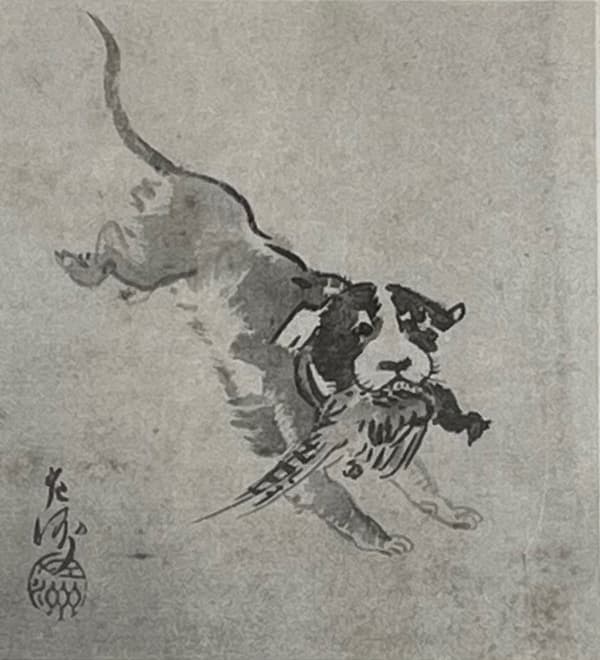
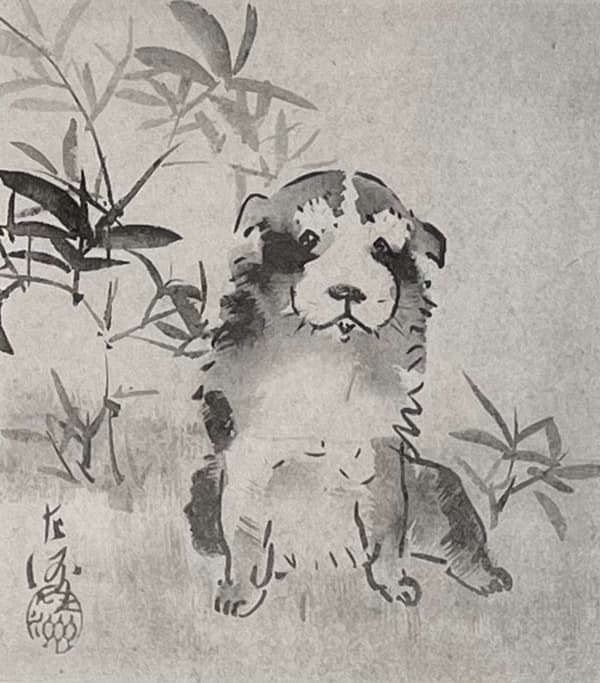
Fish, birds, flowers and familiar scenery. Sashu was a painter who closely observed the nature he had known since childhood and made countless sketches from life. Centered on works handed down at Binjitsukan, the exhibition introduces how Sashu realistically depicted landscapes and living creatures. Visitors can take in the figures and details in each work and enjoy his keen eye and brushwork.
The exhibition is divided into a first part and a second part, with the displays changed in between. The first part runs through October 20 (Tuesday), and the second part starts on October 22 (Thursday). Visiting at different times offers the chance to see different works.
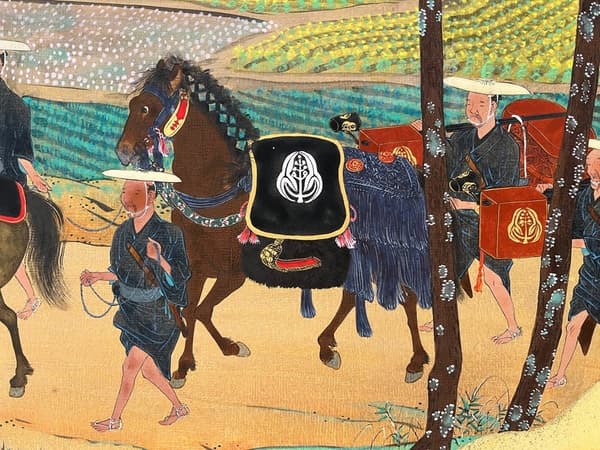
Daimyo Procession (大名行列図)
A Painter Who Grew Up Close to Ise's Nature
Nakamura Sashu was born into a fishing family in Imaisshiki, Futami-cho (二見町今一色), in present-day Ise City.
From a young age he sketched fish, birds and flowers, and in 1891 (Meiji 24), at the age of 18, he became a pupil of Isobe Hyakurin (磯部百鱗). He won repeated awards at expositions and presented works to many members of the imperial family, building a successful career as a Nihonga painter.
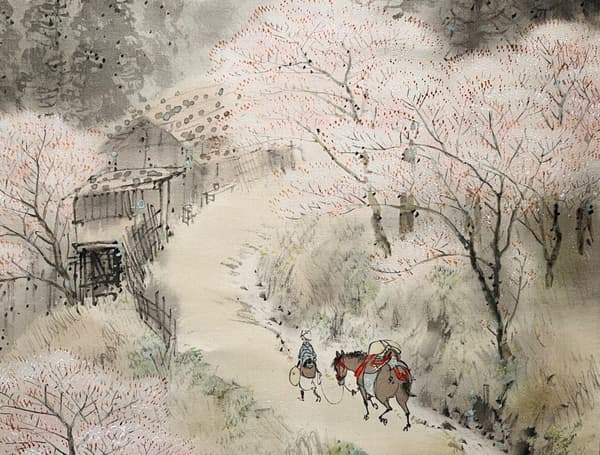
Mountain Cherry Blossoms (山桜図)
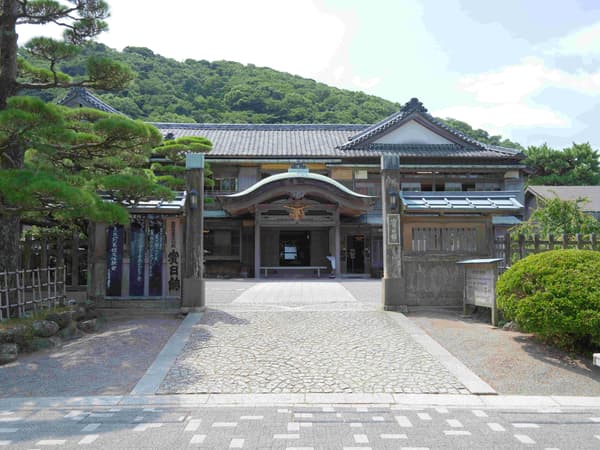
What Is Binjitsukan?
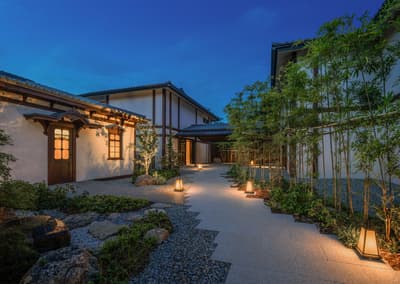
Binjitsukan was built in 1887 (Meiji 20) by the Shin'en-kai (神苑会), a support organization for Ise Jingu, as a place for distinguished guests visiting the shrine to rest and stay. It later underwent two major expansions and renovations, one from the late Meiji period to the early Taisho period and another in the early Showa period, and reached its present form.
Not only the building but also the garden show the refined design of leading architects of the day, carefully selected materials and the skills of the craftsmen who answered them, offering a firsthand look at the essence of traditional Japanese architecture.
It was designated an Important Cultural Property in 2010 (Heisei 22). (Binjitsukan is currently closed for conservation repairs and seismic reinforcement work.)
A Puzzle-Solving Event Is Also Underway
A puzzle-solving event themed on the exhibited works is being held. Visitors pick up a puzzle booklet at the museum reception, view Sashu's works in the special exhibition room and work out the answers. Those who answer every question correctly receive original goods. (It takes about 30–50 minutes.)
A Catalog With 100 Works Is Also on Sale
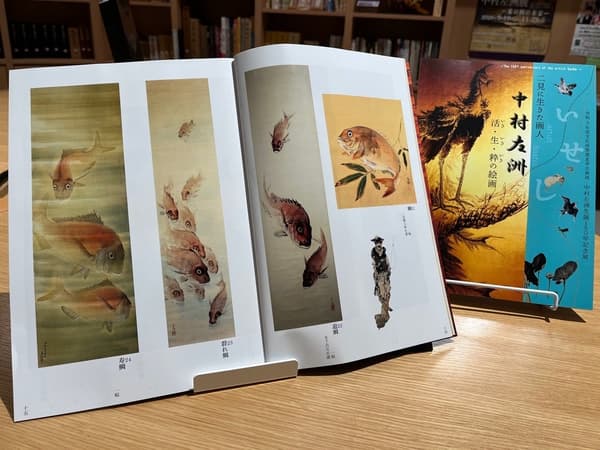
To let visitors enjoy the afterglow of the exhibition at home, the museum shop sells the catalog of the 2023 exhibition marking the 150th anniversary of Sashu's birth, "Nakamura Sashu: The Painter Who Lived in Futami, Paintings of Vitality, Life and Chic Style" (二見に生きた画人 中村左洲 活・生・粋の絵画).
It contains 100 works, including sea bream, mandarin ducks and other creatures, as well as scenes of Ise's nature and people's lives. It is a good pick for those who want to know more about Sashu's works.
Exhibition Details
- Exhibition name: 1st Autumn Special Exhibition, "Nakamura Sashu Exhibition: Treasures of Binjitsukan"
- Period: September 19 (Saturday) to November 23 (Monday, national holiday), 2026
- First part: September 19 (Saturday) to October 20 (Tuesday)
- Second part: October 22 (Thursday) to November 23 (Monday, national holiday)
- The displays change between the first and second parts.
- Venue: Ise History Museum, Special Exhibition Room
- Hours: 9:00 AM to 5:00 PM (last admission 4:30 PM)
- Closed: Every Wednesday (the following weekday if Wednesday is a national holiday)
- Admission: Adults ¥300, high school students and younger free
- This exhibition can be viewed with the permanent exhibition admission fee.
- Admission is free for holders of a disability certificate and up to one accompanying caregiver.
- Address: 2F, North Building, Ise Shimin Katsudo Center (いせ市民活動センター), 1-2-29 Iwabuchi, Ise, Mie
- Access: 7 minutes on foot from Ise-shi Station
- Exhibition information: https://isehaku.city.ise.mie.jp/exhibitions/special/1184/
Ise History Museum, a Place to Experience Ise's History and Culture
Ise History Museum opened on April 25, 2026. It is a 7-minute walk from Ise-shi Station and close to Geku, making it a stop for learning about the history and culture of Ise City.
The permanent exhibition features an Okihiki cart (お木曳車) about 5 meters tall and oshi (御師) residences recreated with VR technology. Together with the special exhibition, visitors can learn about Ise's folk events and the lives of its people.
Inside the museum are a free exhibition space and indoor rest benches, and the first floor of the same facility has a nursing room and a multipurpose restroom.