A solo exhibition of Man Ray (1890–1976), "Man Ray: Light and Matter," will run at KOTARO NUKAGA (Roppongi) from Saturday, November 21 to Wednesday, December 23, 2026. Marking 50 years since the artist's death, the exhibition was planned with the cooperation of the Man Ray Trust, which manages the artist's estate. Through 15 photographs, paintings and drawings selected from the Trust's collection, it traces Man Ray's path from 1920s Paris to his later years.
Official website: https://kotaronukaga.com/exhibition/man-ray-solo-exhibition/
Exhibition Details
- Exhibition: Man Ray "Man Ray: Light and Matter"
- Dates: Saturday, November 21 to Wednesday, December 23, 2026
- Hours: 11:30 AM to 6:00 PM (closed Sundays, Mondays and national holidays)
- Cooperation: Man Ray Trust
- Venue: KOTARO NUKAGA (Roppongi), Pyramide Building (ピラミデビル) 2F, 6-6-9 Roppongi, Minato-ku, Tokyo 106-0032
- Opening reception: Saturday, November 21, 2026, 4:00 PM to 6:00 PM
Exhibition Highlights
Vintage Prints Fixed on Photographic Paper by Light
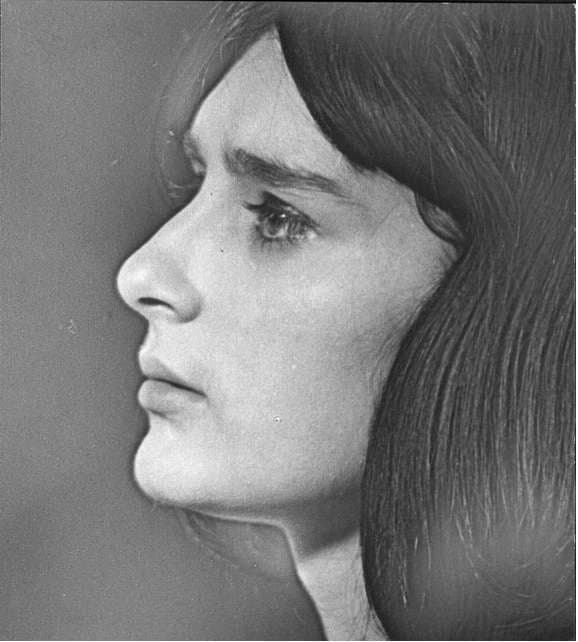
Man Ray, Solarized Portrait (Tzara)
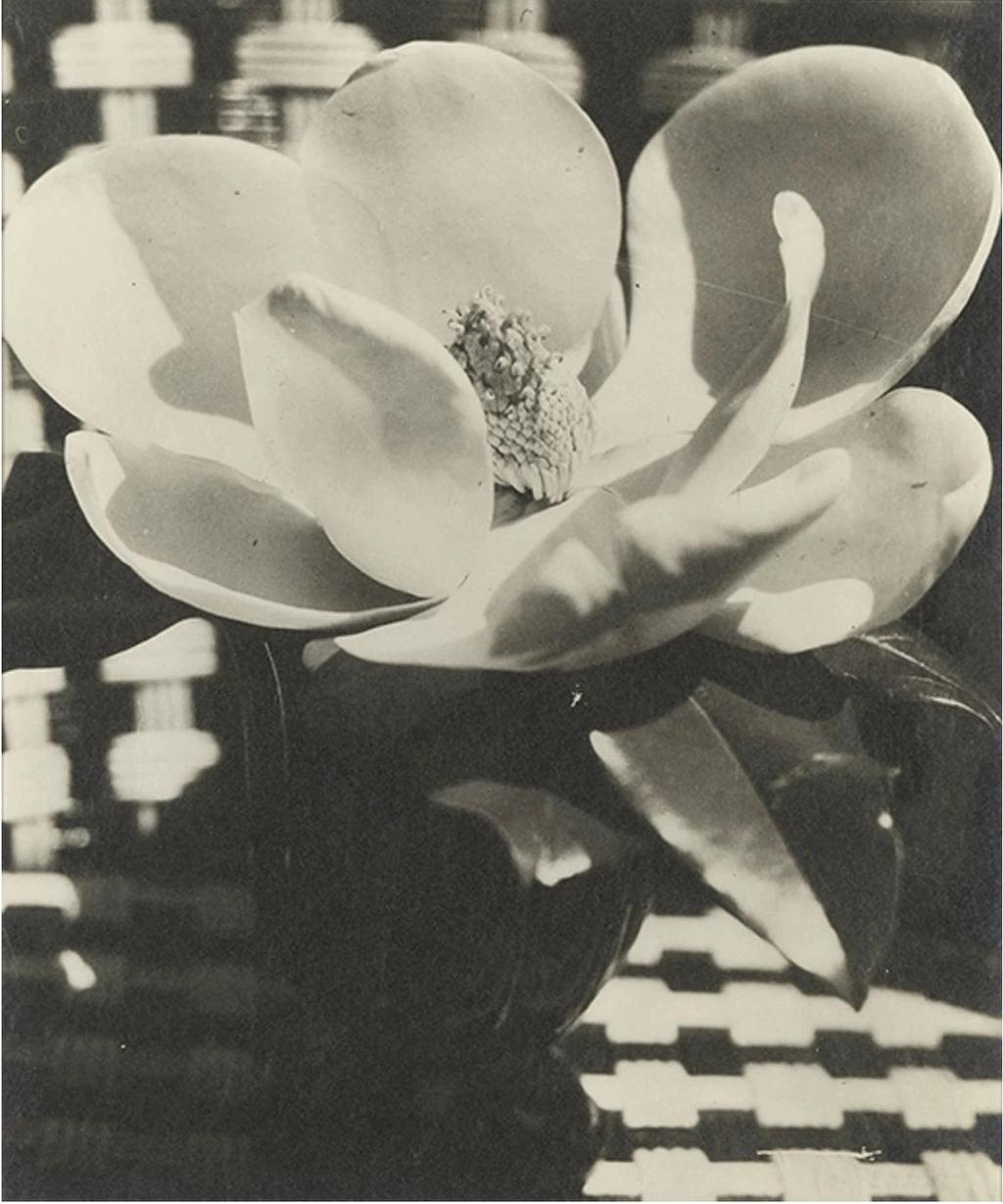
In "Magnolia" (1926), a photograph of a single flower, thick petals rise with a sculptural volume in front of a lattice pattern like a woven basket. In "The Age of Light" (光の時代), the preface to a 1934 photobook that includes this work, Man Ray described his own photographs as "the oxidized remains of a living organism, fixed by light and chemicals."
The exhibition presents five vintage prints, including "Solarized Portrait (Tzara)," a portrait of a woman made with the solarization technique, and "Triple Portrait of Joyce Mansour," shown as a set of three.
Natural Painting: Abstract Works That Leave the Form to the Paint
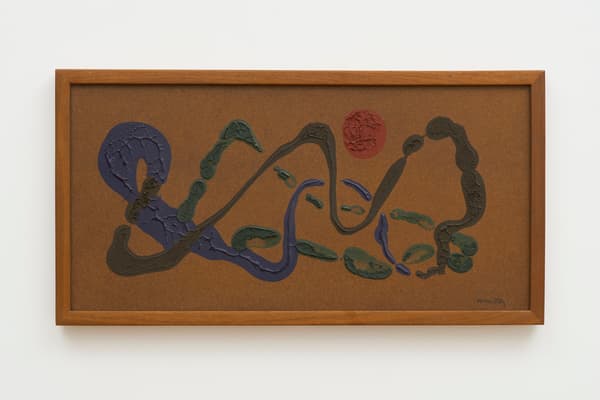
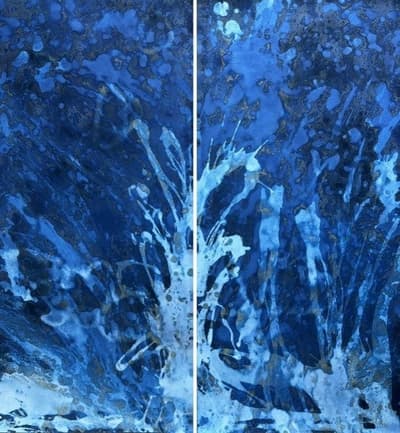
Man Ray, Natural Painting, 1963
Man Ray spent about ten years in Los Angeles from 1940. After returning to Paris in 1951, he worked on the "Natural Painting" series from the late 1950s. For these paintings, paint is squeezed directly from the tube onto a wooden board, a second board is pressed against it, and the shapes that appear are kept just as they are as the finished work. With its raised paint, cracks and uneven surface, the result is an abstract painting that invites viewers to touch it rather than simply look at it.
Around the same time in the United States, abstract painting that preserved the painter's bold brushwork and the energy of bodily movement on the canvas was drawing attention. Man Ray took the opposite approach, leaving the final form to the nature of the paint and to chance. The exhibition presents "Natural Painting" from 1963.
Drawings From the 1950s to the 1970s: Traces of Experiments That Continued to His Later Years
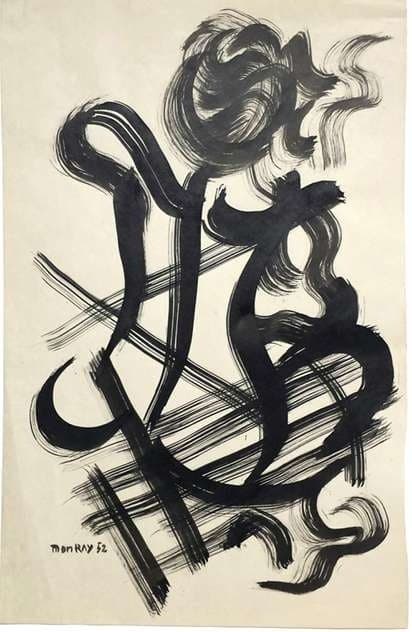
Man Ray, Untitled
Nine works on paper are on display, including ink lines that preserve the movement of the brush, a sketch inscribed "Cadre sans tableau" (a frame without a picture), and a wave-like shape drawn in chalk on black cardboard. Even during the last quarter century he spent in Paris, Man Ray kept experimenting on paper.
About Man Ray
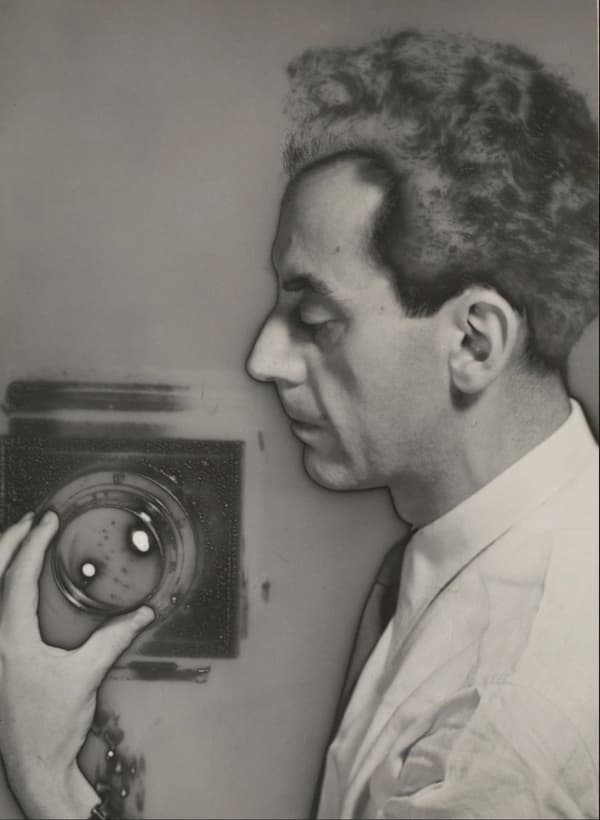
Man Ray (Emmanuel Radnitzky), Self-Portrait with Camera, 1931, Gelatin silver print (solarized). Copyright: 2026 Man Ray Trust / Artists Rights Society (ARS), New York / ADAGP, Paris
Man Ray was born in 1890 in Philadelphia, Pennsylvania, in the United States, and died in Paris in 1976. Born Emmanuel Radnitzky to a Russian-Jewish family, he began his career as a painter in New York. He met Marcel Duchamp in 1915, and the two became lifelong friends. He picked up a camera to document his own paintings, which led him into photography, and together with Duchamp, Picabia and others he became a central figure of New York Dada.
In 1921 he moved to France, where he interacted closely with the Dada and, later, Surrealist artists of Paris. Using chance in the darkroom as a clue, he created the "rayograph," in which everyday objects are placed directly on photographic paper and exposed, greatly expanding the possibilities of photographic expression. He also gained fame for portrait photographs of artists and writers such as Hemingway and Joyce and for fashion photography in Vogue and Harper's Bazaar, and he made films including "Emak-Bakia" (エマク・バキア) and "L'Étoile de mer" (ひとで).
In 1940 he fled the German occupation of Paris and returned to the United States, where he devoted himself to painting in Hollywood. He returned to Paris in 1951 and continued to work there until his death in 1976.