Ohenro Pilgrimage Experience in Sasaguri, a Day Trip from Hakata

Hi, I'm Arimi! This time, I flew out of Tokyo to visit a town called "Sasaguri" in Fukuoka Prefecture for an Ohenro pilgrimage experience tour.
Have you ever heard of "Ohenro"? It's a traditional Japanese pilgrimage culture where you wear white robes, carry a walking staff, and visit temples along a sacred route. Even though many people have heard the name, very few have actually done it.
When I found out that you can experience Ohenro as a day trip in Sasaguri, Fukuoka, I immediately decided to go! What's more, Sasaguri is only about 20 minutes by train from Hakata Station. It's close enough to easily fit into a Fukuoka trip. It's easy to work into your travel plans and very accessible even from Tokyo, so I went to try it out right away!
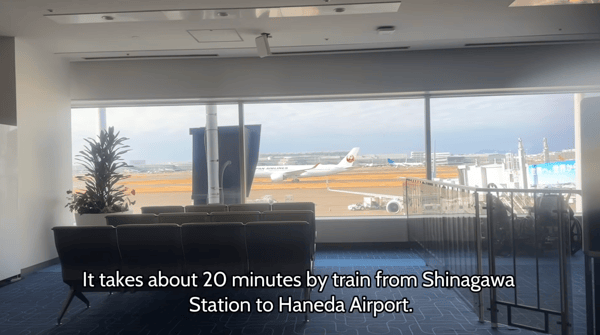
From Shinagawa Station, it's about 20 minutes by train to Haneda Airport. From there, it's about a 2-hour flight, and before I knew it, I'd arrived at Fukuoka Airport! I fell asleep and woke up already there. Ha!
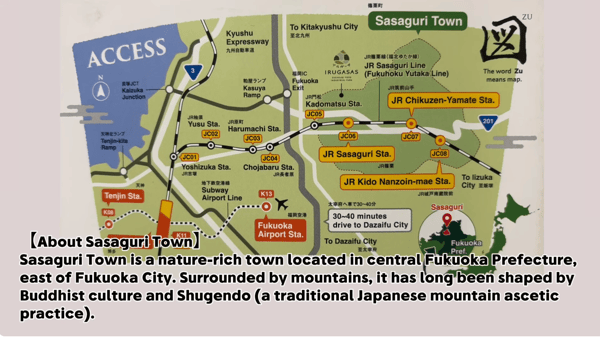
One great thing about Fukuoka Airport is its incredible access to the city center. It's just 5 minutes by subway from the airport to Hakata Station, and then about 20 minutes by train from Hakata to Sasaguri. Door to door from Tokyo to Sasaguri takes less than 4 hours - that's pretty convenient! It's a surprisingly easy distance for a domestic trip.
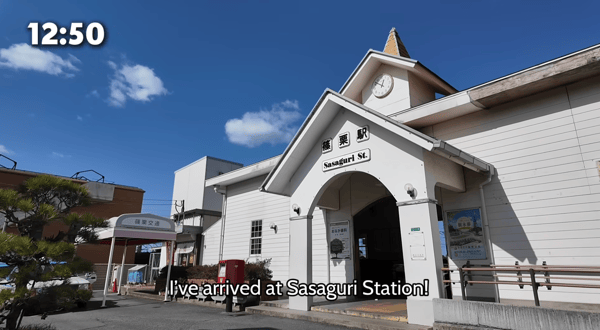
With a full stomach, I hopped on a train and arrived at Sasaguri Station! When you think of Fukuoka, Hakata usually comes to mind, but I had no idea there was a town so rich in history and nature this close by. The quiet, calming atmosphere, completely different from the bustle of Hakata, was something I could feel the moment I stepped off the train.
What Is the Sasaguri Ohenro & Meditation Experience Tour?
This tour combines an Ohenro pilgrimage experience at the Sasaguri Shikoku 88 Temple Pilgrimage with an authentic meditation experience at a Buddhist temple.
👇See details and book the Sasaguri Ohenro & Meditation Experience Tour here
What's included in the tour:
- Free rental of Ohenro gear (Kongo staff, white robe, and sedge hat)
- Guided tour by a Buddhist monk
- Meditation experience
- Lunch (Sasaguri Ohenro set meal)
- Coffee or tea
A vice head priest from a local temple serves as your personal guide, teaching you about the history of Ohenro and the proper rituals along the way. It's reassuring to know that even complete beginners can join with confidence.
What Is Ohenro?
Ohenro is a traditional Japanese pilgrimage culture centered on sacred sites associated with Kobo Daishi (Kukai), the founder of Shingon Buddhism. The most famous is the Shikoku 88 Temple Pilgrimage, but Fukuoka's Sasaguri actually has its own "Sasaguri Shikoku 88 Temple Pilgrimage," meaning you can experience Ohenro without traveling all the way to Shikoku.
1. Gearing Up for Ohenro!
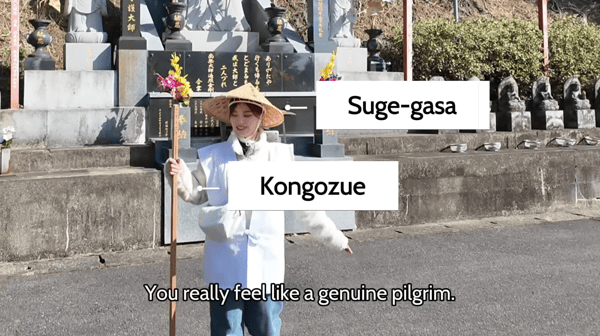
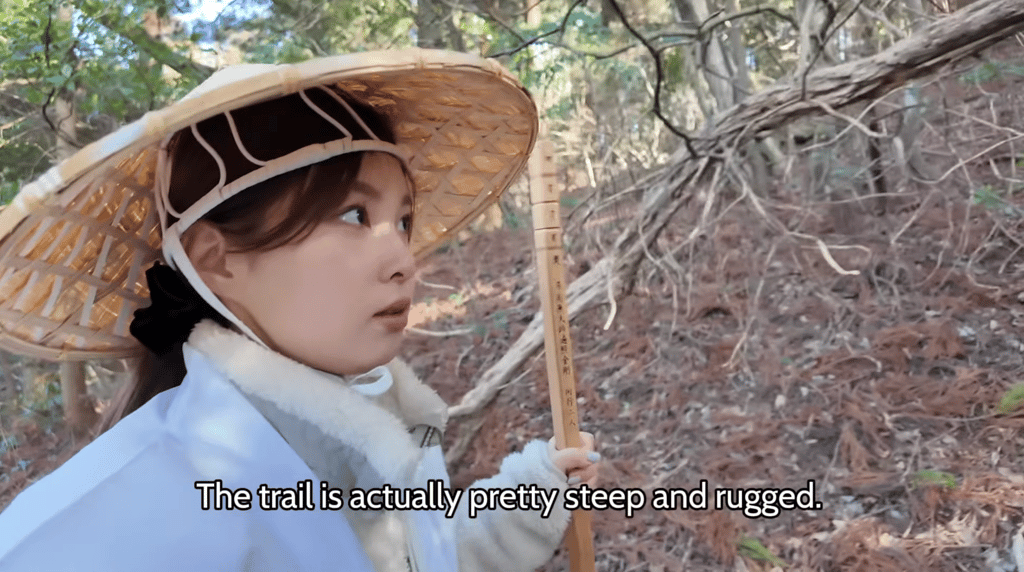
The tour provides a Kongo staff, white robe, and sedge hat free of charge. It felt like becoming a real Ohenro pilgrim!
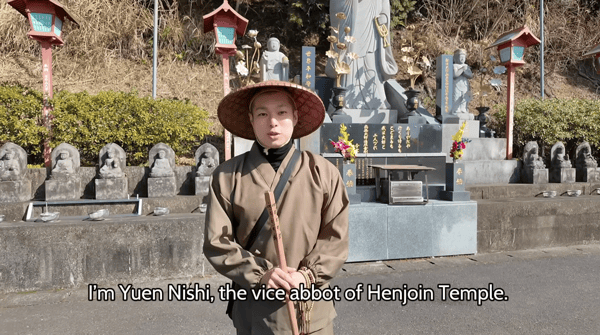
Our guide was Vice Head Priest Yuen Nishi from Henshoin Temple. He gave incredibly detailed and thoughtful explanations throughout.
2. Setting Off on the Ohenro Trail
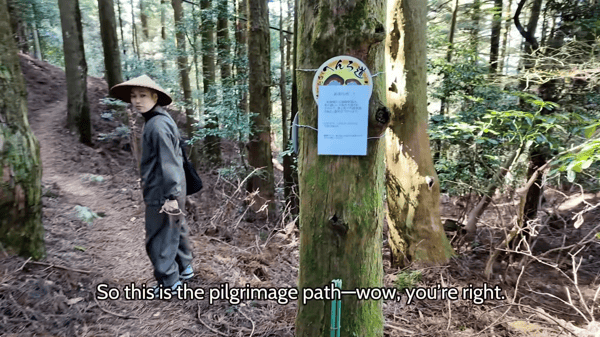
This is where the Ohenro trail begins. The path is quite rugged and steep in places.
According to the vice head priest, 30 to 40 years ago when pilgrimages were at their peak, there were so many people that you could always see someone walking ahead of you.
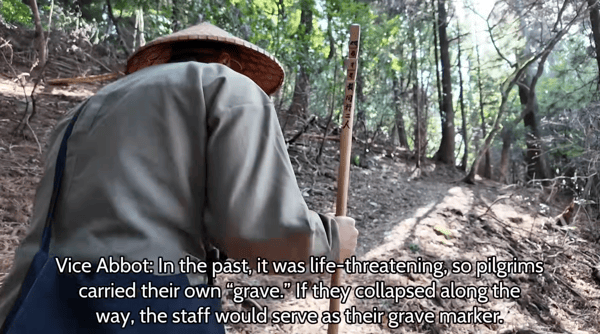
The Kongo staff actually represents a grave marker. In the old days, the pilgrimage was a life-risking journey, so pilgrims carried their own grave marker in case they collapsed along the way. I had no idea!
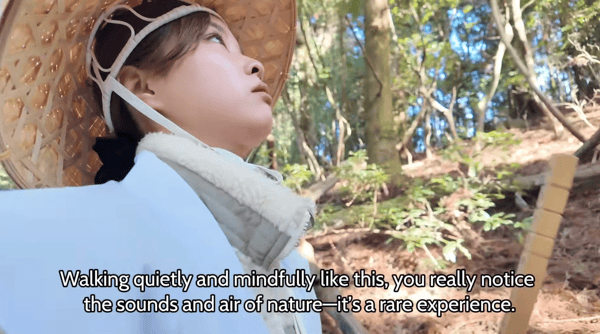
Walking in focused silence, you get to truly experience the sounds and air of nature - a rare experience indeed.
3. Lion Rock & Scenic Spots
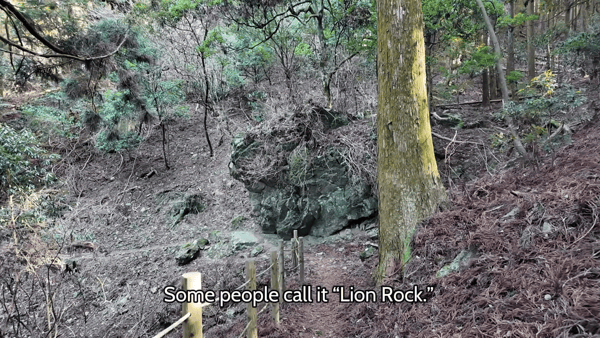
Along the way, we spotted "Shishi-iwa" (Lion Rock), a rock formation that looks like a lion's profile. It's said to be especially beautiful in winter.
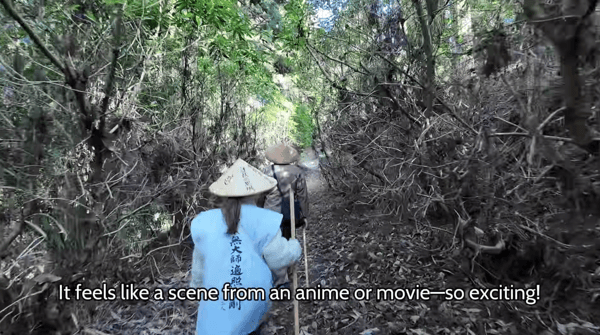
The mystical scenery looked like something straight out of an anime or movie - so exciting!
4. Worship at Taiso Shrine Upper Shrine
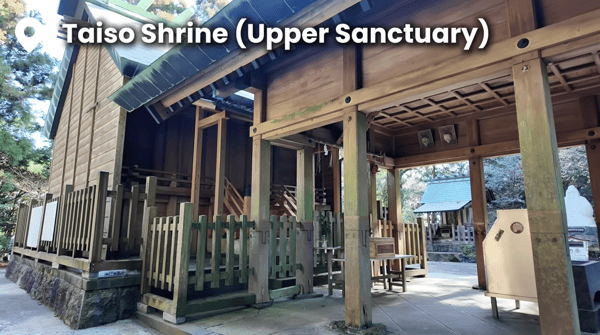
We arrived at Taiso Shrine Upper Shrine, which has about 2,000 years of history. We offered coins and prayed following the traditional "two bows, two claps, one bow" etiquette.
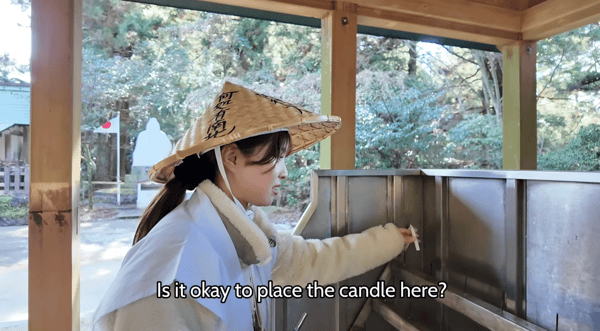
From here, the rituals shifted to Buddhist practices. We offered candles and incense. It's customary to light 3 sticks of incense, representing the "Three Treasures" (Buddha, Dharma, and Sangha).
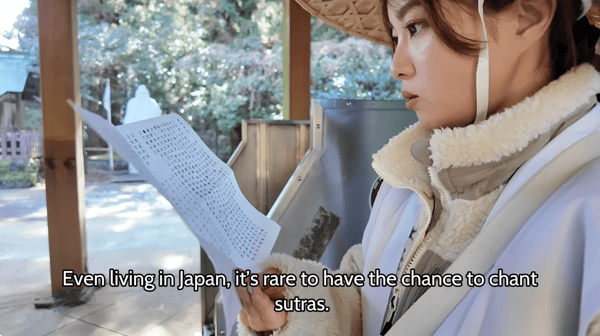
We also had the rare experience of "Shinzen Dokyo" - chanting sutras at a Shinto shrine. Even living in Japan, it's extremely rare to have the chance to chant sutras. I tried my best to follow along reading from the paper, but it was quite challenging!
5. Thrilling Hasami Rock!
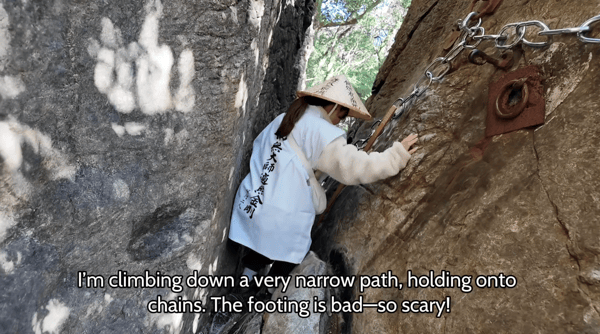
"Hasami Rock" is a massive boulder said to have been split by Kukai himself. Legend has it that "good people can pass through, but bad people cannot." We descended through the narrow gap using chains for support. It was incredibly narrow with poor footing - scary! But I made it through!
6. Greeting Kukai at the Inner Sanctuary
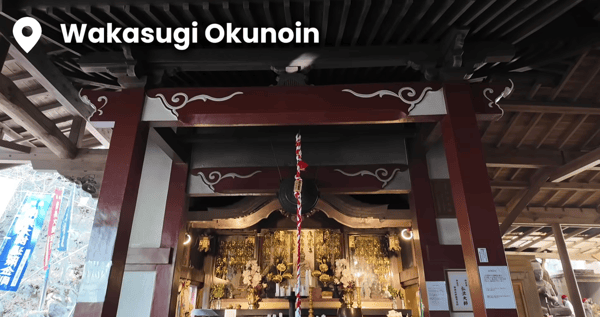
We finally reached the inner sanctuary (Oku-no-in). The principal deity here is Kobo Daishi Kukai, the founder of Shingon Buddhism.
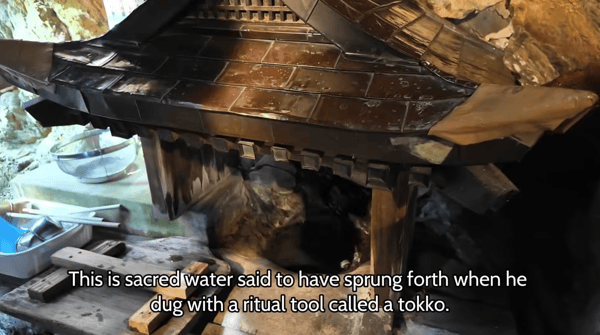
There's also sacred spring water that Kukai is said to have discovered by digging with a Buddhist ritual tool called a "tokko." You can drink it or take some home in a container.
7. Breathtaking Views from the Observatory
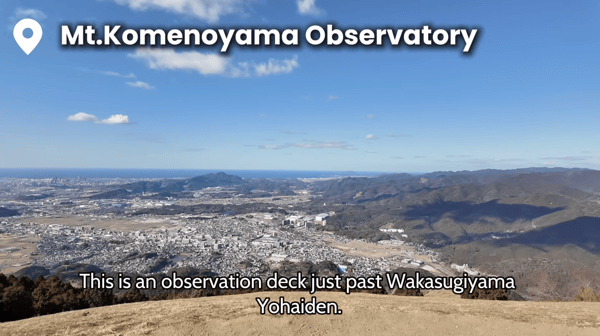
From the observatory beyond Wakasugi-yama Yohaido, you can enjoy a panoramic view of the Fukuoka cityscape. Absolutely beautiful!
8. Meditation Experience at Henshoin Temple
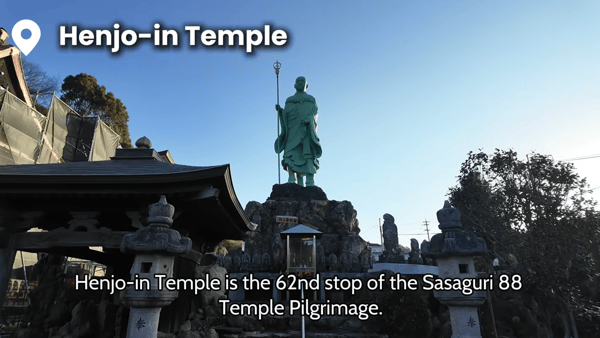
Henshoin is the 62nd temple of the Sasaguri Shikoku 88 Temple Pilgrimage. The 11-meter-tall statue of Kobo Daishi is its landmark.
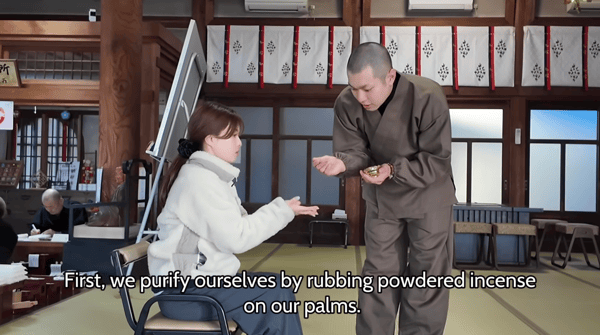
Before meditation, we first purified ourselves by spreading "zuko" (incense powder) on our palms.
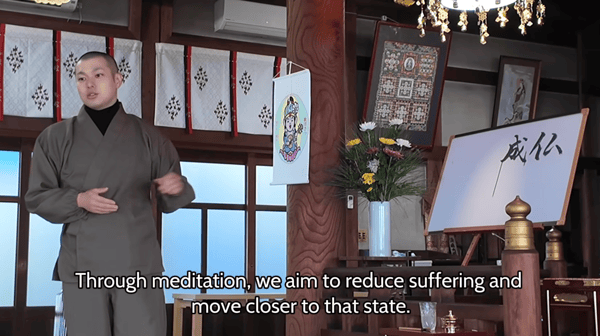
The vice head priest gave us a thorough lesson on meditation posture and breathing techniques.
Key meditation tips:
- Place your right foot on top of your left foot
- Keep your back straight
- Place your right hand on top of your left hand and touch your thumbs together to form a horizontal oval
- Keep your eyes half-closed with a soft gaze
- Start by exhaling, slowly breathing out through your mouth for 10 to 15 seconds
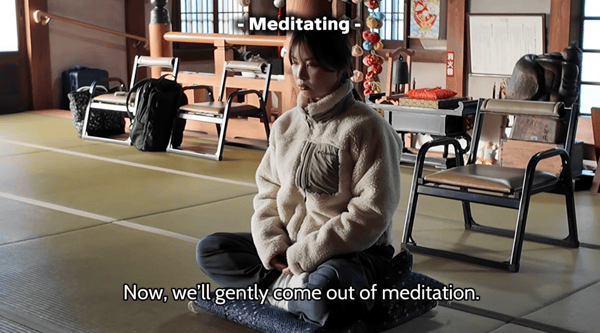
During meditation, there's no striking on the back - you discipline yourself. In the second meditation session, we practiced "Ajikan," gradually lowering our voices while chanting "Ahh."
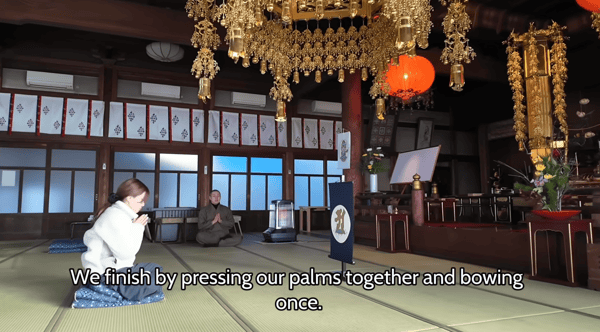
We finished with palms together and a bow. It was a wonderfully peaceful time that left my mind feeling calm and clear.
9. Taking a Break at "Koryu Kyoten 339Re" Cafe Near Sasaguri Station
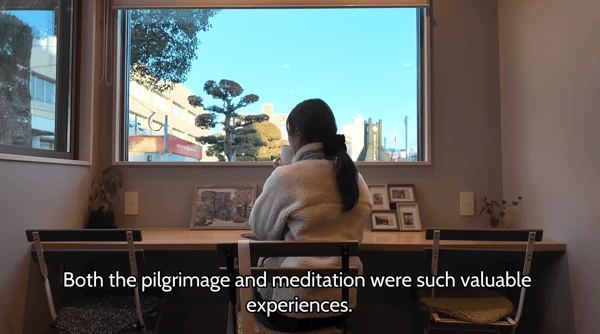
After the tour, we headed to "Koryu Kyoten 339Re," a cafe right in front of Sasaguri Station. It combines a tourist information center with a cafe and has plenty of English maps and pamphlets. You can also pick up souvenirs like sweets and honey.
[Bonus] The Next Day: Visiting "Sasaguri Coffee Roastery"
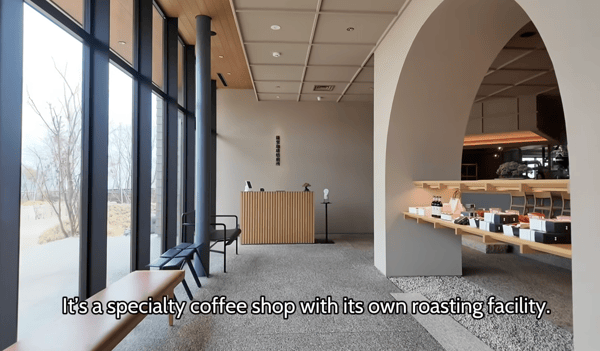
The next day, I visited a stylish coffee shop in Sasaguri called "Sasaguri Coffee Roastery." It's a specialty coffee shop with an on-site roasting facility.
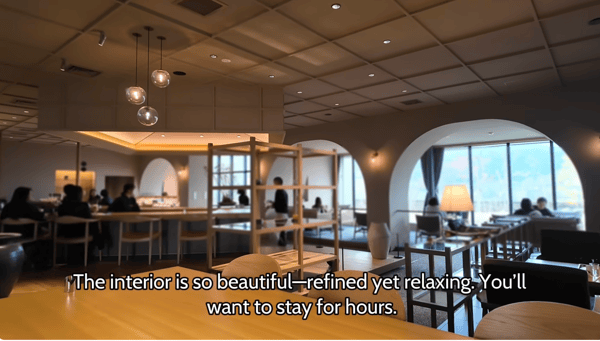
They roast carefully selected green beans in-house, bringing out the natural sweetness and aroma of each coffee. The coffee cups are made using "Agano-yaki," a traditional Fukuoka craft - showing their incredible attention to detail.

I ordered the Sasaguri Blend and the recommended coffee jelly. The Sasaguri Blend had low acidity, was smooth and rich yet low in bitterness, making it incredibly easy to drink! It was honestly the best blend coffee I've ever had.
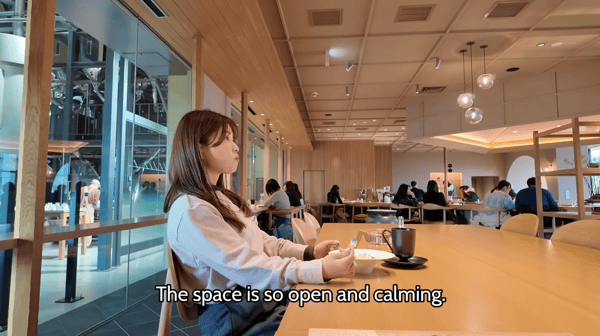
The coffee jelly came topped with shiratama (mochi balls) and sweet red bean paste in a Japanese style. The bitterness of the coffee and the gentle sweetness of the red bean paste matched perfectly!
My Honest Review
The vice head priest's guide was the best part. Since an actual temple vice head priest serves as your guide, you get to deeply learn about the history of Ohenro, Buddhist teachings, and the meaning behind rituals. One story that really stuck with me was about a previous tour where an elderly participant was struggling on the steep paths, and all the other participants came together to support her so she could complete the pilgrimage. What a heartwarming episode.
An extraordinary experience in nature. Walking through steep mountain trails, snowy landscapes, tunnels, and scenic overlooks felt like stepping into the world of an anime or movie. The thrill of descending through the narrow gap of Hasami Rock on chains is unforgettable!
Authentic meditation experience. Meditation guided directly by a vice head priest at a real temple is something you absolutely cannot get from an app or YouTube. I also got to try "Ajikan," a meditation method unique to Shingon Buddhism, and my mind felt noticeably lighter afterward.
All gear is provided for free. The Kongo staff, white robe, and sedge hat are all provided, so you can join empty-handed. You really get to feel like a real Ohenro pilgrim.
Just 20 minutes by train from Hakata. It's the perfect distance to easily fit into your Fukuoka travel plans. You can have ramen or udon in Hakata and then casually head over.
Watch the Full Experience on Video!
Check out the full experience in this video! See the Ohenro pilgrimage and meditation for yourself 👇
Who Is This Tour Recommended For?
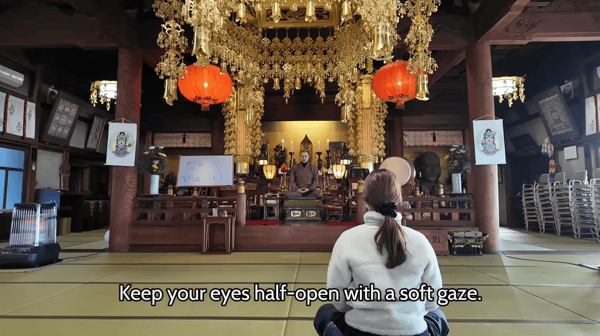
Both the Ohenro pilgrimage and meditation were truly invaluable experiences. Even most Japanese people have never done them, but they are authentic parts of Japanese culture. I was genuinely happy to have experienced them.
This tour is perfect for:
- Those interested in traditional Japanese culture and spirituality
- Those interested in meditation and mindfulness
- Those who love outdoor activities in nature
- Those looking for Instagram-worthy scenic spots
- Those who want to add a "beyond Hakata" experience to their Fukuoka trip
- Ohenro beginners (gear rental and guide included, so no worries!)
When you think of Fukuoka, Hakata usually comes to mind, but just 20 minutes by train, there's this amazing place waiting for you. I hope you'll come visit Sasaguri too!
👇See details and book the Sasaguri Ohenro & Meditation Experience Tour here