Tokyo Photographic Art Museum is holding the "TOP Collection: Don't think. Feel." exhibition from April 2 to June 21, 2026, at the museum's third-floor gallery (1-13-3 Mita, Meguro, Tokyo, inside Ebisu Garden Place).
The TOP Collection exhibitions regularly present highlights from the museum's collection of approximately 39,000 photographic and video works. For the first installment of fiscal year 2026 (Reiwa 8), the theme is "touch" in the age of AI—understood not merely as the tactile sense, but as the experience of encountering something and truly feeling it. As artificial intelligence continues to advance, abilities once considered uniquely human are increasingly being matched by technology. Against this backdrop, the exhibition asks what genuine human capacity looks like and why feeling matters.
Organized in an omnibus format with five small themed sections—much like a collection of short stories—the exhibition takes its title and central concept from a phrase by Hong Kong martial artist, actor, and philosopher Bruce Lee (1940–73): "Don't think. Feel." Lee spoke simply but powerfully about the importance of feeling over thinking in martial arts. In art too, experiencing works through the body can lead to a richer encounter. Works selected to stimulate all five senses are featured throughout, ranging from photography to video.
Highlights
Exploring "touch" in the age of AI
With AI deeply woven into daily life, the exhibition questions what genuine human capability means. Through photographic and video works, visitors are invited to recall sensations held in the palm of the hand—the weight and warmth of an object, light, wind, family bonds, history—and to reflect on the possibilities of synesthesia, communication, and imagination. A tactile experience corner using raised-image prints (tactile diagrams) created from exhibited works is also provided, exploring the relationship between touch and photography beyond the purely visual.
An omnibus-style exhibition with five themes
Starting with Room 1 "Don't think. Feel." as the anchor, the exhibition continues through Room 2 "A Historical Ethnology of Family Photography," Room 3 "Rinko Kawauchi: Illuminance," Room 4 "The Room of Memories," and Room 5 "What Lies Beneath the Image"—each presenting works connected by the common thread of feeling.
Hidden masterpieces from the collection
Daguerreotypes* from the 1800s and little-known postwar Japanese gems are among the works on display, selected from the museum's collection of over 39,000 pieces.
*Daguerreotype (late 1830s–early 1860s): The world's first practical photographic process. A silver-coated copper plate was exposed to iodine vapor to make it light-sensitive. Known in Japan as "ginpan-shashin" (silver-plate photography), the resulting images are extremely sharp, though each exposure yields only a single unique print.
Exhibition Structure
Room 1: Don't think. Feel.
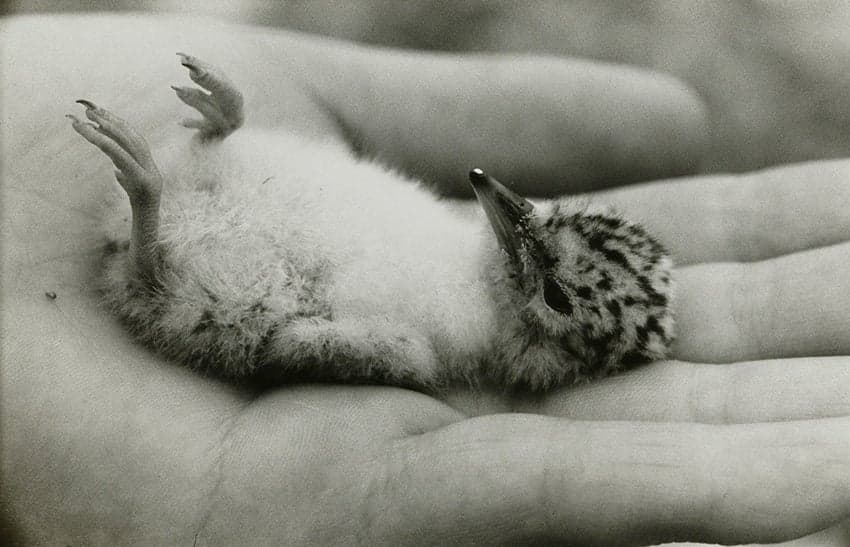
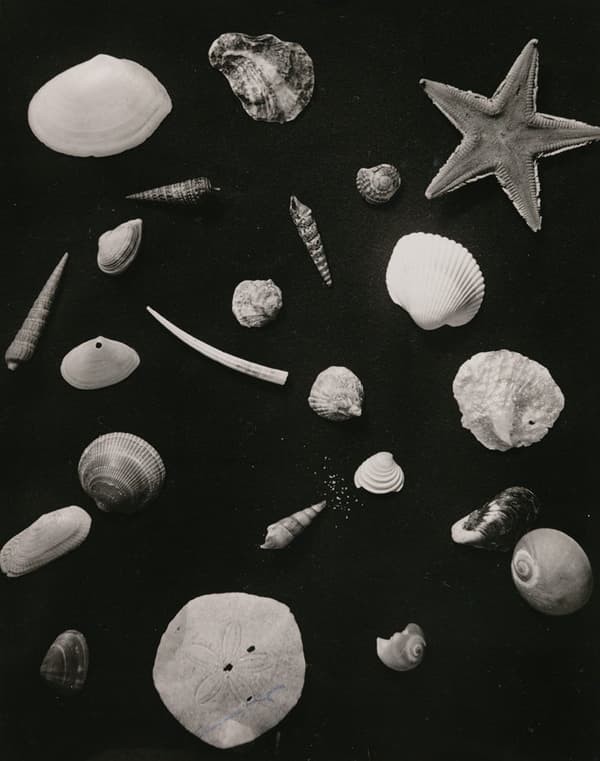
Taking its cue from Bruce Lee's words, this section foregrounds tactile visual expression. Works by Man Ray, Edward Weston, and Kōshirō Onchi explore haptic approaches to the visual, alongside little-known postwar Japanese works such as Sakae Tamura's series Birds of the Tama River (1954–60) and Tatsuo Kondo's Lake Biwa North (1957–77), creating a space where visitors can experience an exhibition centered on the sense of touch.
Room 2: A Historical Ethnology of Family Photography
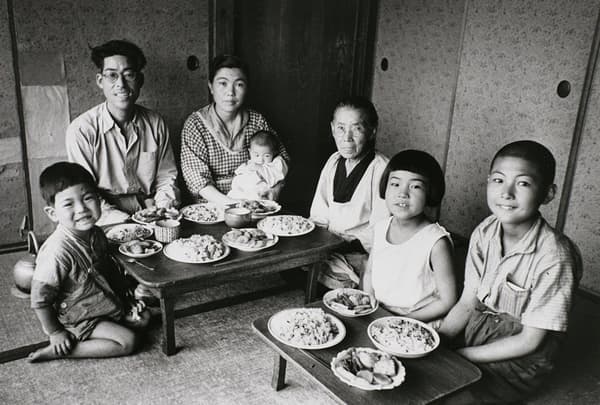
Developed in cooperation with cultural historian Prof. Kunikō Kawamura (Professor Emeritus, Osaka University), this section brings to life his book A Historical Ethnology of Family Photography (Minerva Shobo, 2024). The study analyzes the compositional conventions and social contexts of family photographs from the 19th century to the present, examining how the family is represented socially. Works from the collection relating to the book's themes are presented alongside Professor Kawamura's commentary.
Room 3: Rinko Kawauchi: Illuminance
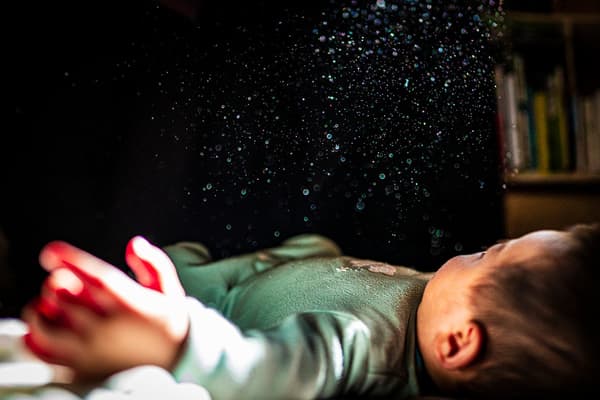
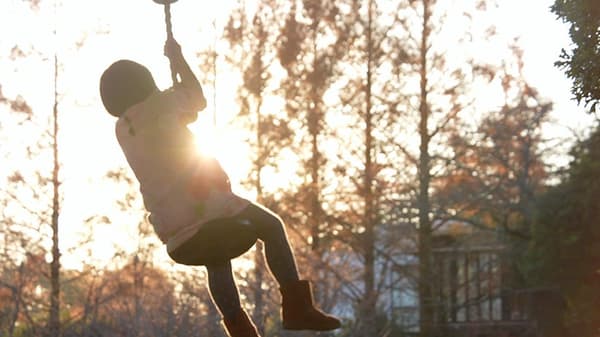
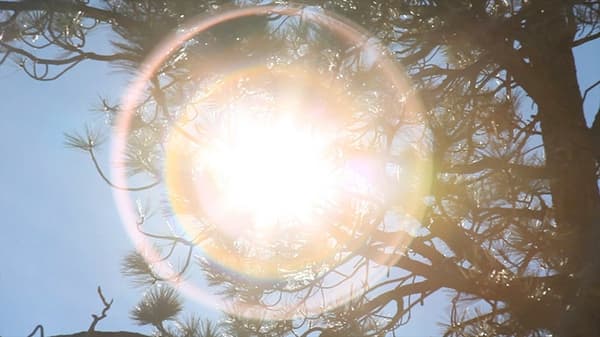
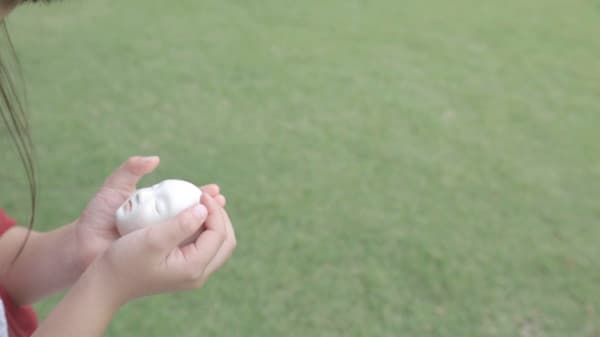
This room presents Rinko Kawauchi's photo series Illuminance (2009) alongside two newly acquired video works: Illuminance (2001–26) and M/E (2022). Named for the measurement of light intensity, this series is among her signature works and was previously shown at her 2012 solo exhibition at the museum, "Illuminance: Heaven and Earth / Watching Shadows." Kawauchi turns her attention to the world around her, capturing fleeting scenes of light. Her work conveys a distinctive sense of time that drifts between consciousness and unconsciousness, freeing the viewer from any fixed moment or place.
Room 4: The Room of Memories
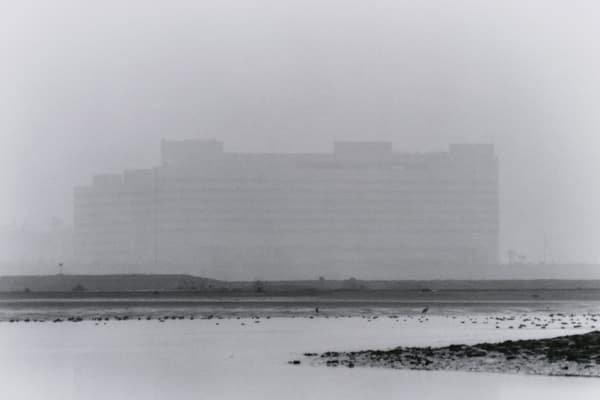
Why do photographs stir people's memories? This section focuses on works that awaken dormant feelings and emotions within viewers, presenting snapshots by Masao Sekiguchi, Nagamichi Tanaka, Kōichi Inakoshi, and others, alongside cityscapes from Norio Kobayashi's series Landscape (1984–85). The room invites reflection on photography as a memory device—offering a chance encounter with sensations and landscapes that were once undeniably present.
Room 5: What Lies Beneath the Image
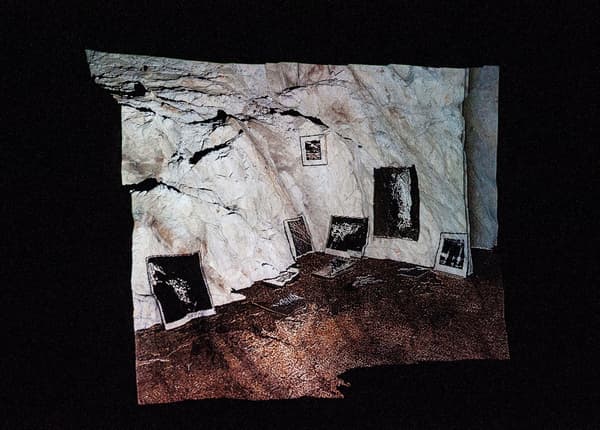
In this final room, visitors are invited to explore the sensibility and inner world of each artist behind the images. Works range from prewar photographers Iwata Nakayama and Keiichirō Gotō—who each pursued photography's unique artistic potential—to contemporary works by Yasumasa Morimura and Shiho Yoshida, all of which engage the imagination. By contemplating what lies within the artist's own senses and perception, this room encourages visitors to think about what exists beyond the act of feeling itself.

About the TOP Collection Exhibition Series
Since 1986, when the Tokyo Metropolitan Government's second long-term plan announced the establishment of a photographic cultural facility, Tokyo Photographic Art Museum began collecting works in 1988. Based on ongoing curatorial research, the collection now exceeds 39,000 works (39,135 as of March 31, 2026). The TOP Collection exhibitions are held annually, selecting works from this comprehensive collection—spanning from photography's early history to the present—organized around specific themes, to deepen understanding of photographic and cinematic culture and to present outstanding works that transcend their time.
Related Events
Tactile Experience Corner: "Touch and Feel the TOP Collection"
A corner where visitors can enjoy touching tactile diagrams (raised-image prints) created from selected exhibited works. TOP Museum volunteers are available on designated days to assist with viewing.
Gallery Talk by the Exhibition Curator
- Friday, April 17, 2:00 PM
- Friday, May 15, 2:00 PM (with sign language interpretation)
- Friday, May 29, 2:00 PM (with sign language interpretation)
- Friday, June 19, 2:00 PM (with sign language interpretation)
*Visitors with a valid same-day exhibition ticket (or those eligible for free admission with appropriate documentation) should gather at the 2nd-floor gallery entrance.
Dance Well
A program to slowly savor artworks and express them through the entire body.
Date: Saturday, May 23, 2:00 PM–3:30 PM | Capacity: 10 (advance reservation required)
Instructor: Naoyuki Sakai (dancer, video artist, Dance Well instructor)
*See the museum's website for details on how to participate and register.
Inclusive Program: "Q&A Show with Sign Language"
Date: Saturday, June 13, 2:00 PM–3:00 PM | Capacity: 50
Host: Shinya Ogasawara (deaf museum guide)
*See the museum's website for full details.
Exhibition Overview
Exhibition Name: TOP Collection: Don't think. Feel.
Dates: April 2 (Thursday) to June 21 (Sunday), 2026
Venue: Tokyo Photographic Art Museum, 3rd-Floor Gallery
1-13-3 Mita, Meguro, Tokyo (inside Ebisu Garden Place)
Organized by: Tokyo Metropolitan Government; Tokyo Metropolitan Foundation for History and Culture, Tokyo Photographic Art Museum
Phone: 03-3280-0099 | Website: www.topmuseum.jp
Opening Hours: 10:00 AM–6:00 PM (Thursdays and Fridays until 8:00 PM)
*Last admission 30 minutes before closing
Closed: Every Monday (if Monday falls on a public holiday, the museum is open that day and closed the following weekday; however, May 4 (Mon./holiday) is open, and May 7 (Thu.) is closed)
Admission:
- General: ¥700 (¥560)
- Students: ¥560 (¥440)
- High school students & 65+: ¥350 (¥280)
*Prices in parentheses apply to groups of 20 or more paid visitors, holders of a same-day cinema ticket from the museum, and affiliated card/discount program members.
*Free admission for junior high school students and under, and persons with a disability certificate (along with up to 2 caregivers).
*Free for visitors aged 65 and over on the third Wednesday of each month.
*From April 2 (Thu.) to April 5 (Sun.), admission is free for those aged 18 and under as part of the "Welcome Youth 2026" campaign.