An exhibition by the artist unit Hoo (風景と食設計室 ホー), "Watashi ni Naru Mono, Watashi Datta Mono" (わたしになるもの、わたしだったもの), will be held at YAU CENTER Zenigame in Otemachi, Chiyoda-ku, Tokyo, from December 12 to 27, 2026. Presented as Presentation Vol.2 of "Zenigame Sewerage Research" (ぜにがめ下水道リサーチ), the show invites visitors to imagine, and to taste, the art of the sewer system through stories and food.
The sewer system is woven into every detail of the city and is an essential lifeline, yet it is rarely noticed in everyday life. Each person uses about 220 liters of water a day, and that water is treated within about 24 hours before being released into rivers and the sea.
Yurakucho Art Urbanism (YAU) launched "Zenigame Sewerage Research," a collaborative project with the Tokyo Metropolitan Bureau of Sewerage, in 2025 and has been taking a fresh look at the sewer system together with researchers from diverse backgrounds. In its second year, fiscal 2026, the project presents an exhibition by the artist Hoo. Starting from Zenigamecho and Tokiwabashi, the exhibition shows the questions that emerged through the landscapes and lives of the area's former land, using stories and food.
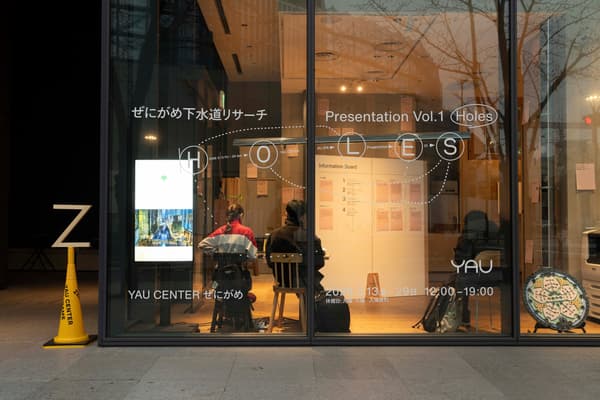
Fiscal 2025: Scene from "Presentation Vol.1 Holes". Photo: 三野新
Artist Statement
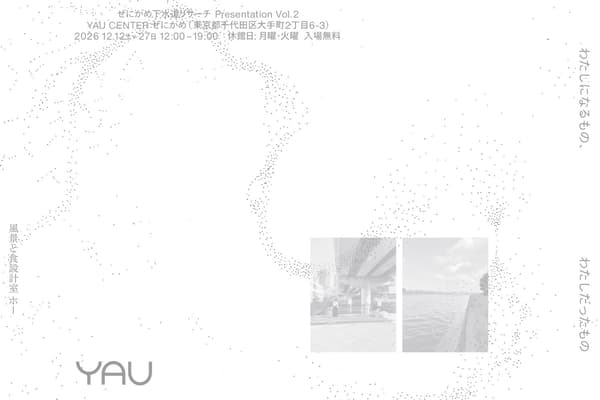
Design: 有本怜生
"Watashi ni Naru Mono, Watashi Datta Mono" by Hoo
People live as individuals while also living together.
Into the sewer flows everything, all mixed together: rain, fallen leaves, trash, water used in the kitchen, my own excrement and someone else's. The water purified by microorganisms returns to the sea, and the sludge that remains at the end is burned every day and turned to ash. In the sewer system, attempts continue to renew a momentary balance while staying constantly connected to changing times and environments.
When we stood before the process by which sewage is purified, we were drawn not only to what circulates but also to what is left behind. What becomes of those who fall through the cracks of a system? They, too, are surely there, as part of the shifting balance of the world.
What we put in our mouths goes from being a part of the world to being, for a moment, a part of me, then flows underground and becomes sea, cloud and rain. What is left behind also becomes today's ash, and after some days it mixes into some town somewhere and exists there together.
Hearing the voices of the people we met, touching the ash, and seeing the city once again.
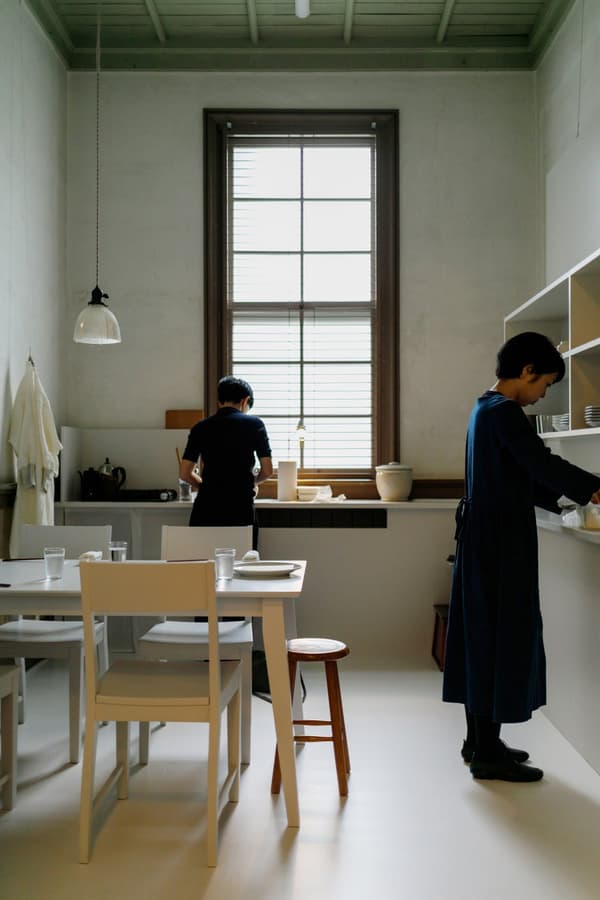
About Hoo (風景と食設計室 ホー)
Hoo is a unit formed by 高岡友美 and 永森志希乃. After working at a landscape design office, the unit has been active since March 2012 under the concept "Distant landscapes and a spoonful of soup. The world and the palms of our hands are connected" (遠くの風景と、ひとさじのスープ。世界とわたしの手のひらは繋がっている). In their creative process they carry out fieldwork, interviews and literature research, looking at the lives that exist within circulating landscapes from many perspectives. Using food together with methods such as reading aloud, objects and drawings, they create one-time works that include the viewers and the landscape of the place. Their major exhibition history includes Arts Maebashi (アーツ前橋), Ichihara Art x Mix (いちはらアート×ミックス), East Asia Cultural City Kanazawa (東アジア文化都市金沢), Saitama Triennale (さいたま国際芸術祭), Kurobe City Art Museum (黒部市美術館) and OITA CULTURAL EXPO!
Exhibition Highlights
Imagining Our Lives Within a Large Cycle Through Stories, and Experiencing It by Eating
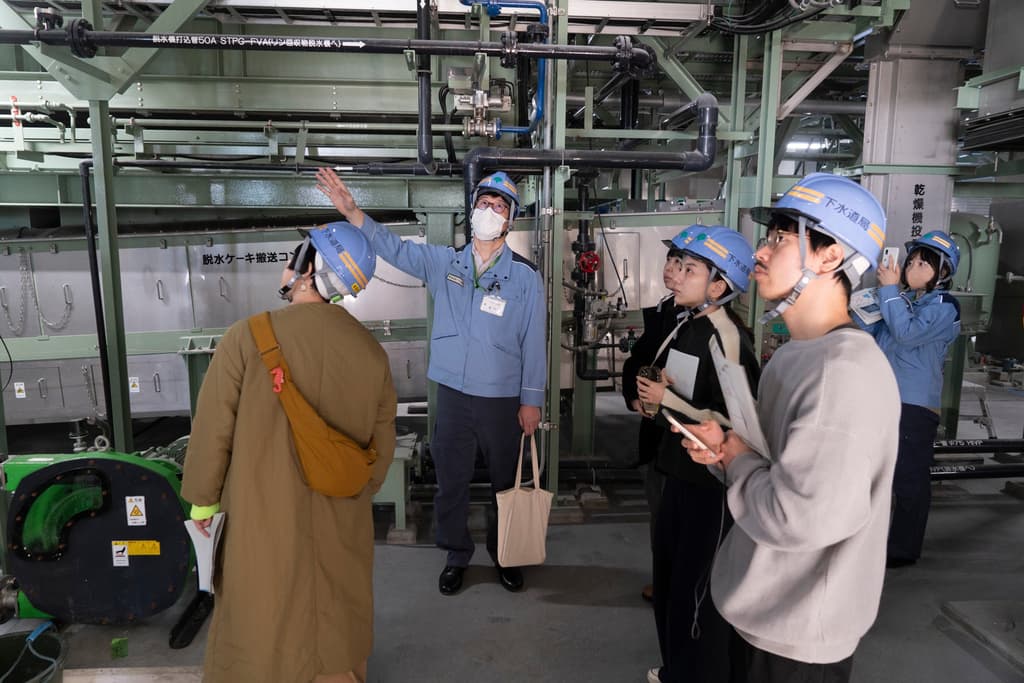
For this exhibition, the artist conducted research based on interviews, facility visits and books, centered on Tokiwabashi, where the venue and the Zenigame pumping station (銭瓶ポンプ所) are located. Those interviewed include people knowledgeable about the history and daily life around Kanda, people who work in jobs related to the sewer system, and farmers who once supplied fruits and vegetables to the Kanda area. By taking in both the life above ground that emerges from people's accounts and the imagination of the underground drawn from the sewer research, visitors can sense themselves as part of a large cycle.
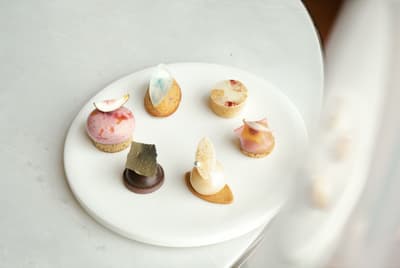
At the venue, visitors can see and experience a book of stories drawn from the interviews and research, many "grains" made with incineration ash, which is the final product of the sewage treatment process, and a bite-sized sweet that forms a pair with them.
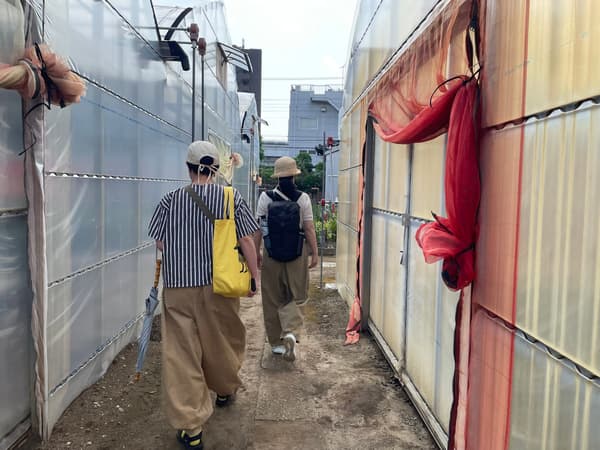
Fiscal 2026: Interview research with a person who runs a farm in Tokyo
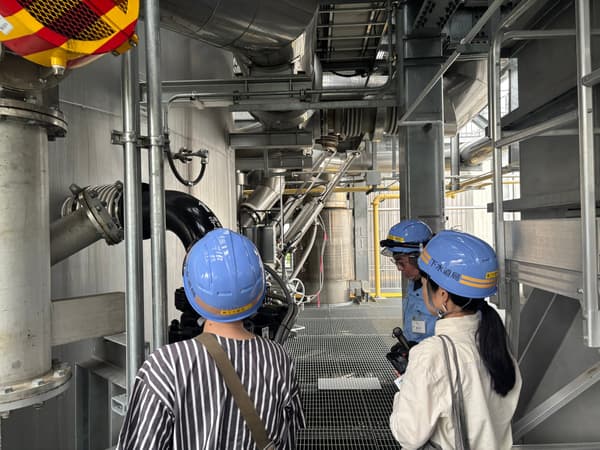
Fiscal 2026: Observing the process up to incineration ash at the Nanbu Sludge Plant (南部スラッジプラント)
About the Venue "YAU CENTER Zenigame"
The exhibition venue, YAU CENTER Zenigame, is one of the bases of Yurakucho Art Urbanism (YAU). It opened in 2025 in "Zenigame Place" (ぜにがめプレイス), located above the Zenigamecho Pumping Station (銭瓶町ポンプ所), an important piece of infrastructure that sends wastewater generated in areas such as Marunouchi to the water reclamation center. It operates as a base that stays close to the daily life of the city while opening artists' creative processes to the city and developing activities in stages.
Exhibition Details
- Series: Zenigame Sewerage Research (ぜにがめ下水道リサーチ), Presentation Vol.2 "Watashi ni Naru Mono, Watashi Datta Mono"
- Dates: Saturday, December 12 to Sunday, December 27, 2026
- Hours: 12:00 PM to 7:00 PM
- Closed: Mondays and Tuesdays
- Admission: Free
- Venue: YAU CENTER Zenigame (inside Zenigame Place, 1F Zenigamecho Building (銭瓶町ビルディング), 2-6-3 Otemachi, Chiyoda-ku, Tokyo)
- Google Maps: https://maps.app.goo.gl/x3WRzKp6CLYtstyD7
- Official Page: https://arturbanism.jp/project/zenigame-vol2-hoo/
- Organizer: Yurakucho Art Urbanism (YAU)
- Special Cooperation: Yurakucho Geidai Campus (有楽町藝大キャンパス)
- Research Cooperation: Tokyo Metropolitan Bureau of Sewerage
Related Event
Opening Artist Guided Tour
Hoo, the exhibiting artist, will lead a tour explaining the exhibition and the research. Anyone interested in the exhibition or the research is welcome to join.
- Date and Time: Saturday, December 12, 3:00 PM
- Location: YAU CENTER Zenigame
- Admission: Free
- Capacity: About 15 people
- Speaker: Hoo (artist)
- Advance Registration: https://forms.gle/xAb7FyoVDPbizKGU6