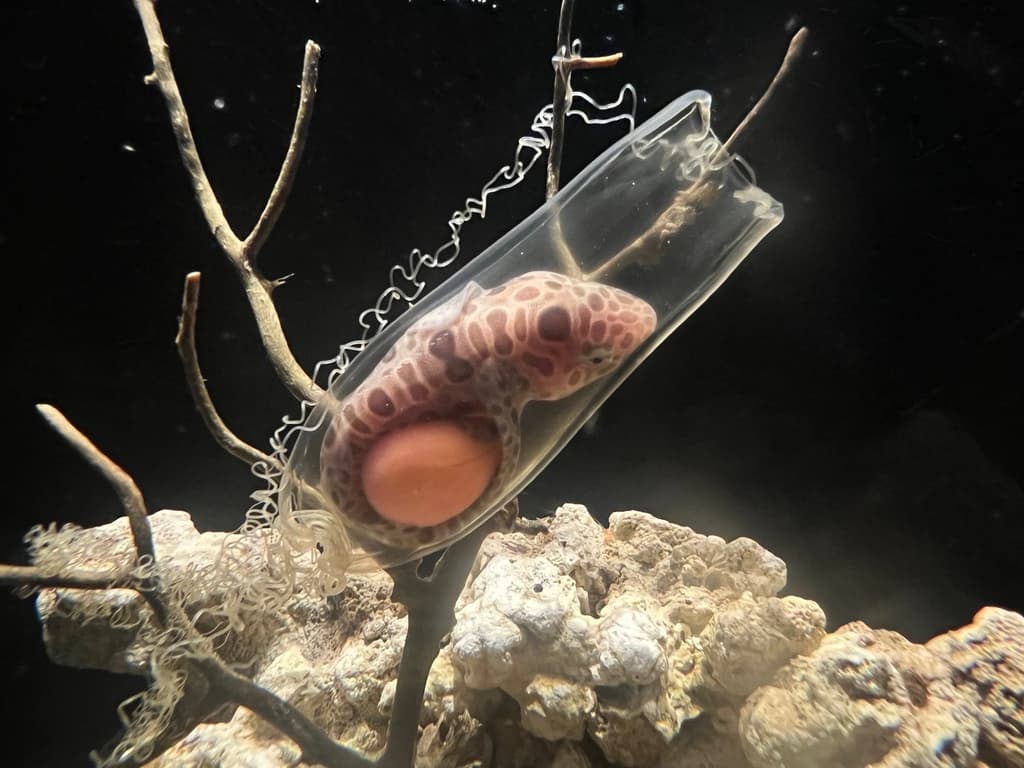
The Aqua Museum aquarium at Yokohama Hakkeijima Sea Paradise is currently displaying a Sarawak swellshark egg that was laid on June 7, 2026 (Sunday). This marks the first time the facility has recorded a Sarawak swellshark laying eggs.
The most distinctive feature of this species is its egg: the shell is beautifully transparent, resembling a piece of glasswork. Through the clear casing, visitors can directly observe the embryo slowly developing inside.
The egg is currently on display at LABO 8 — "Sharks: King of the Ocean — Experience the World of Sharks Through All Five Senses" — on the 3rd floor of the Aqua Museum. Visitors are invited to witness the heartbeat of the life within and watch the embryo grow day by day.
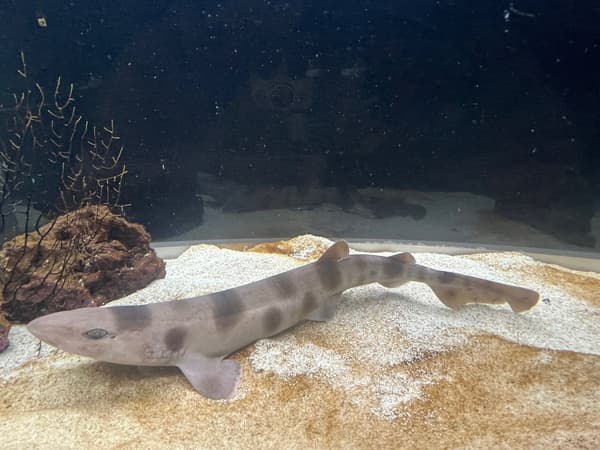
About the Sarawak Swellshark
The Sarawak swellshark is a species of catshark (family Scyliorhinidae) found in the western Pacific Ocean, including the South China Sea and waters around Malaysia and Taiwan. It typically lives near the seafloor at depths of approximately 100 to 200 meters.
The species gets its name from a unique defensive behavior: when threatened by predators, it swallows water or air to inflate its belly dramatically (to "swell"). Among catsharks, the Sarawak swellshark is relatively small — adults reach a total length of only around 40 cm.
The transparent egg shell is thought to help the egg blend into the surrounding environment, camouflaging it from predators, though much about the species' ecology remains unknown.
Egg Details
Egg laid: June 7, 2026 (Sunday) — exact time unknown
Display location: Aqua Museum 3F, LABO 8 — "Sharks: King of the Ocean — Experience the World of Sharks Through All Five Senses"
Size: Approximately 7 cm in length (measured along the long axis of the egg case)
About the Sarawak Swellshark
English name: Sarawak swellshark
Scientific name: Cephaloscyllium sarawakensis
Distribution: Deep-sea regions of the western Pacific (South China Sea, Taiwan, waters around Malaysia, etc.)
Habitat: Near the seafloor at depths of approximately 100 to 200 meters
The aquarists at the facility are keeping a close watch over this precious and rare deep-sea shark egg, hoping for a safe hatching.