Kansai × Festivals & Events

Discover amazing Festivals & Events experiences in areas.Kansai

Showing 4 experiences
Kyoto Gion Festival Viewing Ticket
4 (3 reviews)

Kyoto Gion Festival Viewing Ticket

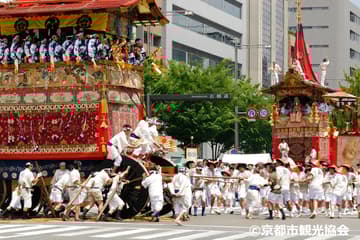
Witness the captivating Kyoto Gion Festival, a vibrant celebration of Japanese tradition. Marvel at colorful floats, traditional music, and mesmerizing performances. Reserve before tickets sell out! Experience the Iconic Yamaboko Junko Float Procession of the Gion Matsuri! Witness one of Japan's most legendary festivals, the Gion Matsuri Yamaboko Float Procession, from a reserved seat with excellent visibility. This centuries-old tradition is held twice: ・Saki Matsuri(features 23 Yamaboko): July 17 ・Ato Matsuri(features 10 Yamaboko): July 24 Both processions showcase magnificent floats, traditional music, and Kyoto's rich cultural heritage. With a reserved seat, you can relax and enjoy unobstructed views--no need to worry about crowds or long hours of standing. ✨ Limited Hotel Package Available (Optional) For a more comfortable and seamless experience, we also offer limited-quantity hotel packages, including 2 nights (the day before and the day of the festival) with your reserved seat ticket. Available hotels: ・Rinn Kyoto Gion Shinbashi ・Rihga Place Kyoto Shijo Karasuma Hotel packages are available in limited numbers and will be sold on a first-come, first-served basis. **Time & Location** Saki Matsuri : Jul 17 10:20 AM -- 11:20 AM Ato Matsuri : Jul 24 9:30 AM -- 9:50 AM ## **Ticket Information & Pickup** This is a physical paper ticket, not an e-ticket. On the day of the festival, please come to the following location to receive your ticket directly from our staff. After your reservation, we will contact you with the specific pickup time by the day before the event. ・Pickup Location: TKP Kyoto Shijo Conference Center 6F Shijo SET Bldg. 99 Tachiurinakano-cho, Shimogyo-ku Kyoto-shi, Kyoto 600-8006, Japan https://maps.app.goo.gl/K3dsev1z8tRygfhx9 ![](https://assets.hldycdn.com/227125a5-545c-4df4-81a1-5bc928dc872d.png) ・Ticket Pickup time: Pickup time window for July 17th:7:30〜10:00 Pickup time window for July 24th:7:30〜9:00 ⚠︎ From the TKP Kyoto Shijo Conference Center (ticket pickup location) to the Gion viewing seats, it takes one train stop or approximately 15–20 minutes on foot. Please allow sufficient time and arrive early to pick up your tickets on the day of the event. *If you are unable to pick up your ticket during the designated time, we will be unable to issue a refund. *We will provide you with specific reception hours individually at a later date. ⚠︎Seat selection is not available. ## **About accommodation packages** ・Stay plan for Rinn Kyoto Gion Shinbashi Reservations for parties of two only Please make your own way to the hotel and check in. A two-night stay including the day before and the day of the festival Standard twin room Room only(Meals are not include) ADDRESS: 2-415-1, Hashimotocho, Higashiyama Ward, Kyoto City 〒605-0083 ・Stay plan for Rihga Place Kyoto Shijo Karasuma Reservations for parties of two only Please make your own way to the hotel and check in. A two-night stay including the day before and the day of the festival Standard twin room Breakfast included ADDRESS: 551-Sanno-cho, Takatsuji-agaru, Muromachi-dori, Shimogyo-ku 600-8424 ## **How to use** - Please present your paper ticket to the attendant at the entrance gate. - Once you enter the venue, please be seated in the seat indicated on your ticket. ## **What's included** - Paper tickets - Pamphlet ## **What is not included** - Transportation to the venue - Other personal expenses ## **Cancellation Policy** - All sales finalTravelers will not receive any refund regardless of cancellation status. ## **Confirmation before booking** - Yamaboko Junko(Parade) will be held rain or shine. No refunds will be made unless the Yamaboko Junko is not performed.Ticketing and delivery fees related to payment are not refundable. - We shall not be held responsible for any damage once the ticket(s) have been handed to you by our staff on site. Please be careful not to lose them. - Seat numbers are listed on the ticket. Please present your ticket to the receptionist near your seat and sit in the chair marked with your seat number. ## **Notes for the day** - We expect extreme heat, so please take care to stay hydrated and in good physical condition. Even if you are not thirsty, please drink water frequently. Please take precautions against the heat, such as bringing a hat. (Parasols are not permitted as they block visibility.) - We recommend that you bring a raincoat in case of rain. (Rain umbrellas are not permitted as they block visibility.)Please be aware that the restroom facilities at ⚠︎ are inadequate. - The use of tripods is prohibited in the bleacher area. Photography and videography are not permitted in the bleachers area. - Persons who behave in a manner that disturbs other patrons inside or outside the venue and who do not follow the instructions of the staff will be forcibly asked to leave the venue. Tickets will not be refunded in such cases. - The event may be subject to change or cancellation due to the effects of new coronavirus infections, etc. - Please act in accordance with the policies of the national and local governments regarding infection control measures. - The organizers will not be liable for any damage caused inside the bleachers. ![](https://assets.hldycdn.com/events/d3ae06_de017cd43ba64296b2c925670769a595~mv2.jpg)

Gion/Higashiyama (Kiyomizu-dera, Yasaka Shrine, Heian Shrine) Festivals & Events
¥14000~
Kishiwada Danjiri Festival

Kishiwada Danjiri Festival

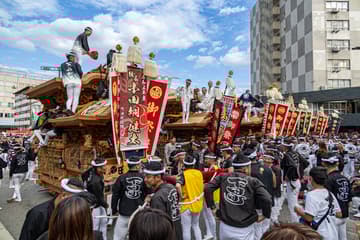
◆ Event Introduction The Kishiwada Danjiri Festival (Kishiwada Danjiri Matsuri) is one of Japan's most thrilling and adrenaline-pumping traditional festivals. Held annually in September in Kishiwada City, Osaka Prefecture, this spectacular event features massive wooden floats called "danjiri" weighing approximately four tons each, pulled at breakneck speed through narrow streets by teams of hundreds of people. The festival's signature highlight is "yarimawashi," where these enormous floats make daring high-speed 90-degree turns at street corners without slowing down, thrilling spectators with a breathtaking display of power, skill, and courage. With over 300 years of history, the Kishiwada Danjiri Festival is a must-see event that embodies the passionate spirit and deep community bonds of Osaka's people. ◆ Historical Background The origins of the Kishiwada Danjiri Festival date back to 1703, during the Edo period, when Okabe Nagayasu, the lord of the Kishiwada Domain, held an Inari festival at Fushimi Inari Shrine within the castle grounds to pray for a bountiful harvest and the prosperity of his people. This prayer for abundant crops became the foundation of the festival, and for over 300 years the tradition has been lovingly passed down from generation to generation by the people of Kishiwada. The danjiri floats themselves are works of art, masterfully carved from zelkova wood and adorned with elaborate relief carvings depicting legendary heroes, historical scenes, and mythological tales. ◆ What Makes Kishiwada Danjiri Unique The Kishiwada Danjiri Festival is celebrated for its raw energy and fearless spirit. During the daytime, teams of hundreds of people pull the massive danjiri floats through the streets at high speed, accompanied by the thunderous beats of taiko drums, the ringing of bells, and the spirited chanting of the pullers. Standing atop each danjiri is the "daiku-gata" (master carpenter), who dances and directs the team's movements with rhythmic gestures, adding a dramatic flair to the spectacle. The most famous and heart-stopping moment of the festival is the "yarimawashi" -- the high-speed 90-degree cornering of the massive floats. Without slowing down, the teams skillfully navigate the heavy danjiri around tight street corners, creating a breathtaking display of coordination and bravery that draws gasps and cheers from the packed crowds. As evening falls, the atmosphere transforms. The danjiri are decorated with approximately 200 lanterns each, and the floats move slowly through the streets, creating a magical and elegant spectacle. The contrast between the fierce daytime runs and the serene beauty of the illuminated evening parade makes the Kishiwada Danjiri Festival a uniquely multifaceted experience. ◆ Event Details The Kishiwada Danjiri Festival consists of two main festival periods each year: 📅 September Festival (Kishiwada District and Haruki District) The September festival is the larger and more famous of the two, typically held on a weekend in mid-to-late September each year. Trial runs (shikenbiki) take place in early September, followed by the Eve Festival (Yoimiya) on Saturday and the Main Festival (Honmiya) on Sunday. - Eve Festival (Yoimiya): 6:00 AM to 10:00 PM - Main Festival (Honmiya): 9:00 AM to 10:00 PM 📅 October Festival (Various Districts) The October festival is held in other areas of Kishiwada City, typically on a weekend in mid-October each year. While slightly smaller in scale, it offers a similarly exciting atmosphere with the added charm of smaller community neighborhoods. 📍 Venue: Streets throughout Kishiwada City, Osaka Prefecture, centered around the areas near Nankai Kishiwada Station and Haruki Station ◆ Main Viewing Areas 🏯 Kishiwada Castle Area The symbolic heart of the festival, where the tradition began over 300 years ago. The area around the castle offers excellent views of the parade routes. 🏢 Kankan-ba (near City Hall) One of the most famous viewing spots for yarimawashi, where danjiri make dramatic high-speed turns at the intersection. ⛩ Konakara-saka Another legendary corner where spectators gather to witness the thrilling yarimawashi maneuvers up close. 🚉 Around Nankai Kishiwada Station and Haruki Station Well-organized viewing areas with good crowd control, convenient for visitors arriving by train. ◆ Access 🚃 By Train: Take the Nankai Main Line from Namba Station to Kishiwada Station (approximately 20 to 30 minutes by express). From Osaka Station (Umeda), transfer at Shin-Imamiya Station to the Nankai Main Line. ✈ From Kansai International Airport: Take the Nankai Main Line northbound to Kishiwada Station (approximately 20 minutes). ◆ Important Notes ⚠ This page is for event information only. For inquiries about the festival, please feel free to contact us directly. ⚠ The festival areas can become extremely crowded, especially at popular yarimawashi corners. Please arrive early and follow the directions of safety personnel. ⚠ Significant road closures and traffic restrictions are in place during the festival. Public transportation is strongly recommended. ⚠ September weather in Osaka can be hot and humid. Please take precautions against heat, stay hydrated, and bring sun protection. ![](https://assets.hldycdn.com/1d4ec67c-32c0-49d4-8ff5-5387eaaa36ef.jpg)

Osaka Festivals & Events
Kyoto Jidai Festival

Kyoto Jidai Festival

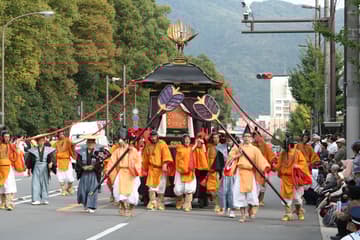
◆ Event Introduction The Jidai Matsuri (Festival of the Ages) is one of Kyoto's three great festivals, alongside the Aoi Matsuri and the Gion Matsuri. Held annually on October 22nd, this spectacular historical costume procession brings together approximately 2,000 participants dressed in authentic period attire, spanning over 1,000 years of Japanese history. The procession itself stretches approximately 2 kilometers in length, while the route from the Kyoto Imperial Palace to Heian Jingu Shrine covers a distance of about 4.5 kilometers. Each year, the festival draws well over 100,000 spectators from Japan and around the world. ◆ Historical Background The Jidai Matsuri was first held in 1895 to celebrate the 1,100th anniversary of the transfer of the capital to Heian-kyo (present-day Kyoto) by Emperor Kanmu in 794. That same year, Heian Jingu Shrine was established in the Okazaki area as a dedication to Emperor Kanmu, and the Fourth National Industrial Exhibition was held in Kyoto to bring vitality back to the city after the effective relocation of the capital to Tokyo. The festival was created as a grand commemorative event, with the first historical costume procession taking place in autumn of that year. October 22nd was chosen as the festival date because it is regarded as the day Emperor Kanmu officially entered the new capital of Heian-kyo, making it, in essence, Kyoto's birthday. ◆ The Historical Costume Procession (Jidai Gyoretsu) The highlight of the Jidai Matsuri is the Jidai Gyoretsu, an elaborate historical costume procession that traces Japanese history backward through time. Starting from the Meiji Restoration era and going all the way back to the Enryaku period (late 8th century), the procession features meticulously recreated costumes, hairstyles, weapons, and ceremonial objects representing each era. The procession begins with the Meiji Restoration period, featuring figures such as loyalist samurai and statesmen in both traditional and Western-style attire. As the parade continues, you will see samurai from the Edo, Azuchi-Momoyama, Muromachi, and Kamakura periods in their distinct armor and helmets. Noble court figures from the Fujiwara and Heian periods appear in exquisite layered robes (junihitoe), accompanied by ox-drawn carriages and other artifacts of classical court culture. Famous historical figures are brought to life in the procession, including Oda Nobunaga, Toyotomi Hideyoshi, Saigo Takamori, and literary luminaries such as Murasaki Shikibu and Sei Shonagon. But the procession is not limited to the famous; it also features everyday people of old Kyoto, including merchants, townspeople, and working women such as the Ohara-me (women from Ohara) and Shirakawa-me (women from Shirakawa). Approximately 12,000 items, including costumes, armor, and accessories, are used in the procession, all recreated with painstaking attention to historical accuracy using traditional Kyoto craftsmanship. This is why the Jidai Matsuri is often described as a "walking museum" of Japanese history. ◆ The Sacred Procession (Shinko-retsu) Following the historical costume groups, the sacred procession (Shinko-retsu) forms the spiritual heart of the festival. Two portable shrines called Go-horen carry the spirits of Emperor Kanmu and Emperor Komei, the first and last emperors to reign from Kyoto. In fact, the entire historical procession serves as an escort for these sacred palanquins as they make their journey back to Heian Jingu Shrine. ◆ Event Details 📅 Date: October 22nd every year (the event proceeds in light rain; in the case of severe weather, it may be postponed to the following day or cancelled) 📍 Route: From the Kyoto Imperial Palace (Kenreimon Gate) to Heian Jingu Shrine 🕐 Schedule (approximate; actual times may vary slightly each year): - Approximately 12:00 - Procession departs from Kyoto Imperial Palace - Approximately 12:50 - Passes Karasuma-Oike intersection - Approximately 13:20 - Passes Kawaramachi-Oike - Approximately 13:40 - Crosses Sanjo Bridge over the Kamo River - Approximately 14:30 - Front of procession arrives at Heian Jingu Shrine * The times above are rough estimates based on past years and are not fixed. Please check official announcements for the latest schedule. ◆ Main Viewing Points 🏯 Kyoto Imperial Palace Park The starting point of the procession. Arrive early to see the participants lining up and the procession beginning its journey. 🏢 Oike Street (Karasuma-Oike to Kawaramachi-Oike) A wide street offering excellent visibility of the procession as it passes through central Kyoto. ⛩️ Heian Jingu Shrine Approach (Jingu-michi) The final stretch of the route. Watch as the procession approaches the grand torii gate and enters the shrine grounds. ◆ Important Notes ⚠️ This page is for event information only. For inquiries about the festival, please feel free to contact us directly. ⚠️ The procession route and surrounding areas can become extremely crowded. Plan your transportation and accommodations well in advance. ⚠️ October weather in Kyoto can vary. Bring appropriate clothing and rain gear just in case. ⚠️ The event proceeds in light rain. In the case of severe weather (such as storm warnings), the event may be postponed to the following day. If severe weather continues, the event may be cancelled. Please check official announcements for the latest updates. ![](https://assets.hldycdn.com/2b9a134f-5b30-44df-9084-fe1b8a9d2da7.jpg)

Gion/Higashiyama (Kiyomizu-dera, Yasaka Shrine, Heian Shrine) Festivals & Events
Osaka Grand Sumo Tournaments

Osaka Grand Sumo Tournaments

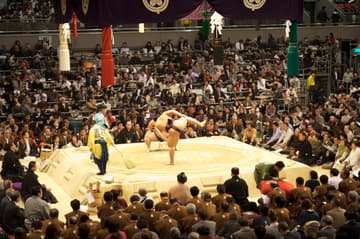
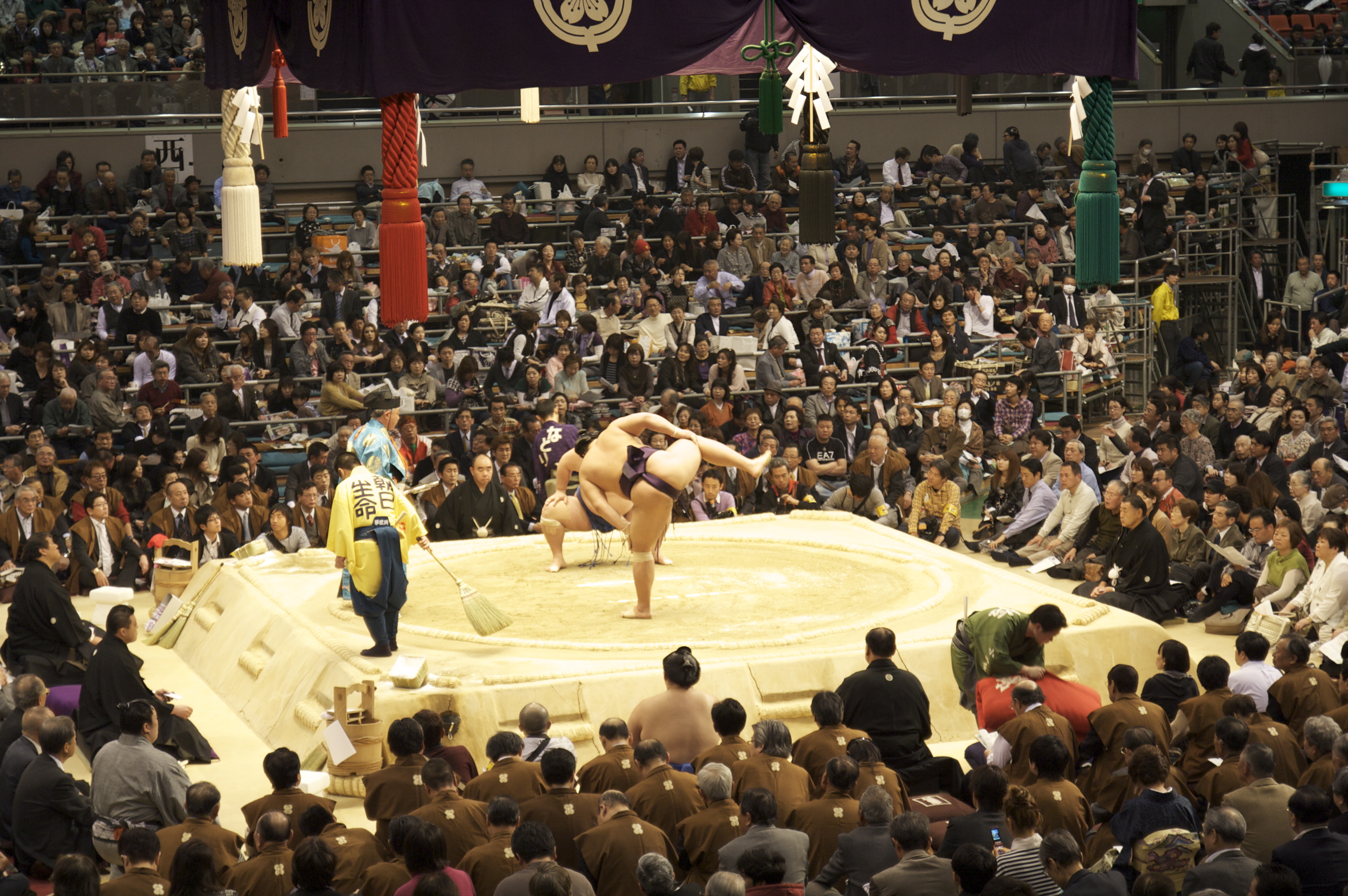
◆ Event Introduction The Osaka Grand Sumo Tournament (Haru Basho / Spring Tournament) is one of the six official professional Grand Sumo Tournaments (honbasho) organized annually by the Japan Sumo Association. Held every March at EDION Arena Osaka (Osaka Prefectural Gymnasium), this 15-day spectacle brings the ancient art of sumo wrestling to the vibrant city of Osaka. Fans from across Japan and around the world gather to witness powerful clashes between elite wrestlers, steeped in centuries of Shinto-rooted ritual and tradition. ◆ History of Sumo and the Osaka Tournament Sumo traces its origins to ancient Japanese mythology and Shinto rituals, where sacred wrestling contests were performed to pray for bountiful harvests and divine favor. Over the centuries, sumo evolved from rough shrine and court contests into a highly formalized martial art. During the Edo period (1603–1868), professional groups of wrestlers were organized primarily in Edo (modern-day Tokyo) and Osaka, and ticketed tournaments became a major form of urban entertainment. Osaka has long been a stronghold of professional sumo. Historically, the city even had its own separate sumo organization before the modern Japan Sumo Association unified the sport. Today, Osaka proudly hosts the annual Spring Tournament, one of the three honbasho held outside of Tokyo. The Osaka basho is renowned for its passionate, vocal fans who create an electrifying atmosphere unlike any other venue. ◆ What to Expect A day at the Osaka Grand Sumo Tournament offers a captivating blend of athletic competition and living cultural heritage. The action begins in the morning with bouts between wrestlers of the lower divisions, when the arena is quieter and you can observe the matches up close. As the day progresses into the afternoon, the excitement builds with higher-ranked wrestlers taking the ring. The climax comes in the late afternoon and early evening, when the top-division (makuuchi) wrestlers, including yokozuna (grand champions), compete in the day's most anticipated bouts. Throughout the day, visitors can witness a series of awe-inspiring rituals: the ceremonial ring-entering processions (dohyo-iri), where wrestlers parade in elaborate silk aprons; the purification of the ring with salt; and the powerful stomping (shiko) that wards off evil spirits. If a yokozuna is active, the grand champion's solo ring-entering ceremony is one of the most iconic sights in all of Japanese sports. Most individual bouts last only a few seconds, an explosive burst of strength, technique, and balance. Yet the build-up to each match, with psychological staredowns and ritual preparations, creates gripping tension that keeps spectators on the edge of their seats. ◆ Event Details 📅 Schedule: 15 consecutive days every March (from a Sunday to the second following Sunday) 📍 Venue: EDION Arena Osaka (Osaka Prefectural Gymnasium), Namba, Osaka 🕐 Daily Schedule: - Morning: Lower division bouts (quieter atmosphere, great for close-up viewing) - Early Afternoon: Juryo division (second-highest division) bouts - Late Afternoon to Early Evening: Top division (makuuchi) bouts, including ring-entering ceremonies and the day's marquee matches ◆ Key Tournament Phases 🏁 Days 1 to 7 (Early Stage): Wrestlers establish their records and the tournament field begins to take shape. ⚔ Days 8 to 11 (Middle Stage): Contenders emerge and the leaderboard narrows. Matchups become increasingly strategic. 🔥 Days 12 to 14 (Late Stage): The championship race intensifies with high-stakes bouts between top contenders. 🏆 Day 15 (Senshuraku / Final Day): The tournament champion (yusho winner) is decided, followed by the prestigious awards ceremony. ◆ About the Venue EDION Arena Osaka, also known as Osaka Prefectural Gymnasium, is a multi-purpose indoor arena located in the heart of Osaka's Namba district. During the tournament, the arena is transformed into a traditional sumo venue with a raised clay ring (dohyo) at its center. The intimate size of the arena compared to Tokyo's Ryogoku Kokugikan means fans are closer to the action, contributing to the famously energetic Osaka crowd atmosphere. Inside the arena, visitors can enjoy concession stands offering sumo-related foods including chankonabe-inspired dishes, bento boxes, and local snacks, as well as souvenir shops selling tournament programs, wrestler goods, and traditional sumo memorabilia. ◆ Cultural Significance Grand Sumo is far more than a sport in Japan. Widely recognized in Japan as the national sport (kokugi), sumo is deeply intertwined with Shinto religious practice. The rituals performed before, during, and after each bout, such as salt purification, ring stomping, and ceremonial processions, reflect ancient beliefs about spiritual purification and the sacred nature of the competition space. Attending a Grand Sumo Tournament offers visitors an unparalleled window into Japan's living cultural heritage. The Spring Tournament also holds special seasonal significance, marking the transition from winter to spring. For Osaka, hosting the basho is a major annual event that draws visitors from across the country and internationally, showcasing the warmth and hospitality of the Kansai region. ◆ Important Notes ⚠️ This page is for event information only. For inquiries about the tournament, please feel free to contact us directly. ⚠️ The venue can become very crowded, especially during the final days of the tournament. Plan your visit accordingly. ⚠️ March weather in Osaka is generally mild but can be unpredictable. Please dress in layers and check the forecast before your visit. ⚠️ Inside the arena, please follow venue etiquette: remain quiet during certain ceremonies, keep aisles clear, and be considerate when taking photographs. ![](https://assets.hldycdn.com/c6469352-3d05-4f59-bebd-1e53d3b42ba4.jpg)
Shinsaibashi/Namba Festivals & Events