Osaka Grand Sumo Tournaments
◆ Event Introduction
The Osaka Grand Sumo Tournament (Haru Basho / Spring Tournament) is one of the six official professional Grand Sumo Tournaments (honbasho) organized annually by the Japan Sumo Association. Held every March at EDION Arena Osaka (Osaka Prefectural Gymnasium), this 15-day spectacle brings the ancient art of sumo wrestling to the vibrant city of Osaka. Fans from across Japan and around the world gather to witness powerful clashes between elite wrestlers, steeped in centuries of Shinto-rooted ritual and tradition.
◆ History of Sumo and the Osaka Tournament
Sumo traces its origins to ancient Japanese mythology and Shinto rituals, where sacred wrestling contests were performed to pray for bountiful harvests and divine favor. Over the centuries, sumo evolved from rough shrine and court contests into a highly formalized martial art. During the Edo period (1603–1868), professional groups of wrestlers were organized primarily in Edo (modern-day Tokyo) and Osaka, and ticketed tournaments became a major form of urban entertainment.
Osaka has long been a stronghold of professional sumo. Historically, the city even had its own separate sumo organization before the modern Japan Sumo Association unified the sport. Today, Osaka proudly hosts the annual Spring Tournament, one of the three honbasho held outside of Tokyo. The Osaka basho is renowned for its passionate, vocal fans who create an electrifying atmosphere unlike any other venue.
◆ What to Expect
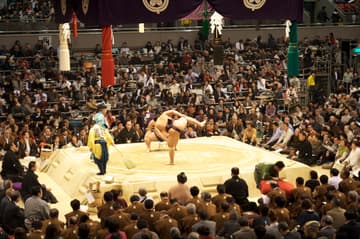
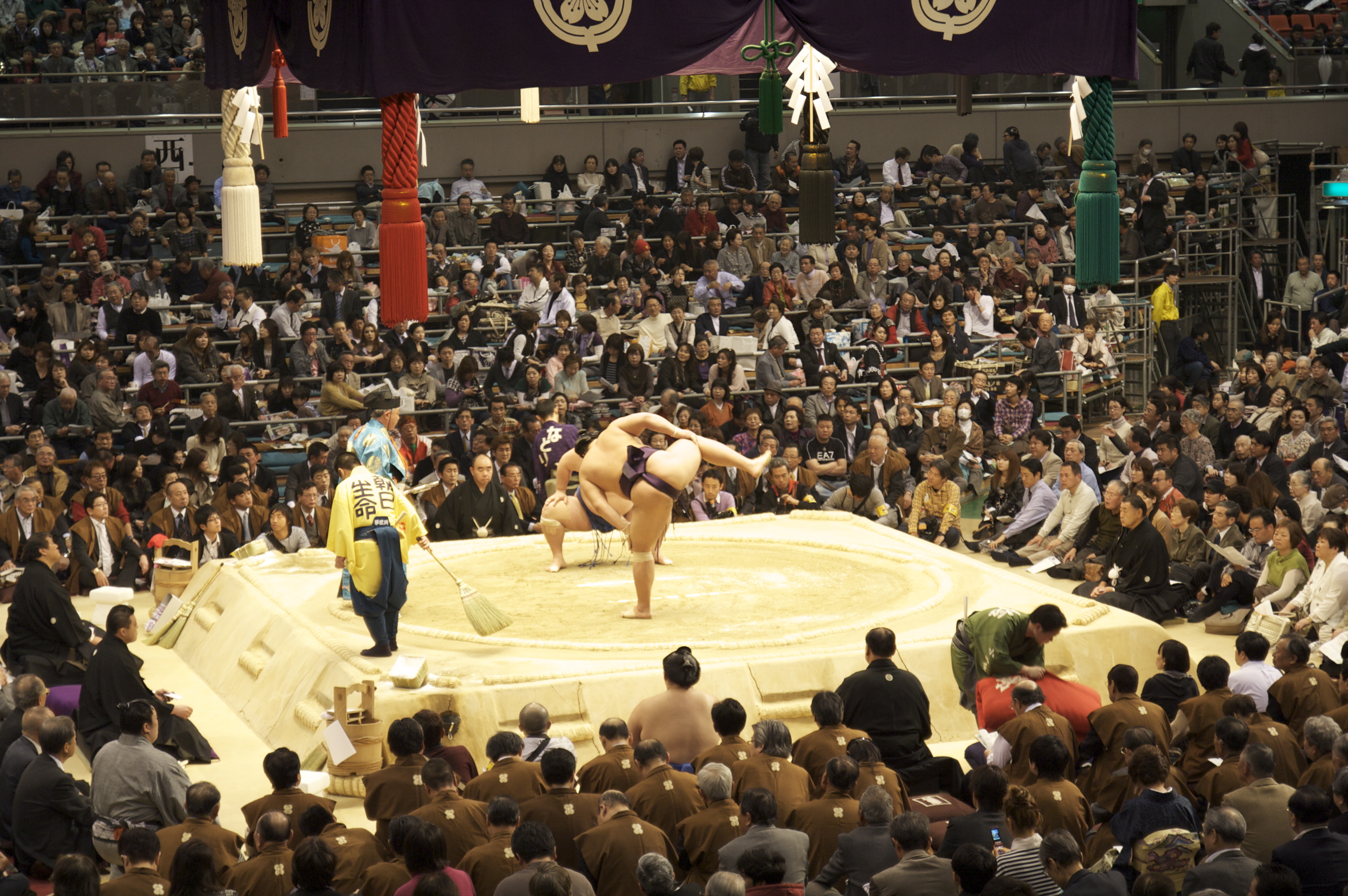
A day at the Osaka Grand Sumo Tournament offers a captivating blend of athletic competition and living cultural heritage. The action begins in the morning with bouts between wrestlers of the lower divisions, when the arena is quieter and you can observe the matches up close. As the day progresses into the afternoon, the excitement builds with higher-ranked wrestlers taking the ring. The climax comes in the late afternoon and early evening, when the top-division (makuuchi) wrestlers, including yokozuna (grand champions), compete in the day's most anticipated bouts.
Throughout the day, visitors can witness a series of awe-inspiring rituals: the ceremonial ring-entering processions (dohyo-iri), where wrestlers parade in elaborate silk aprons; the purification of the ring with salt; and the powerful stomping (shiko) that wards off evil spirits. If a yokozuna is active, the grand champion's solo ring-entering ceremony is one of the most iconic sights in all of Japanese sports.
Most individual bouts last only a few seconds, an explosive burst of strength, technique, and balance. Yet the build-up to each match, with psychological staredowns and ritual preparations, creates gripping tension that keeps spectators on the edge of their seats.
◆ Event Details
📅 Schedule: 15 consecutive days every March (from a Sunday to the second following Sunday)
📍 Venue: EDION Arena Osaka (Osaka Prefectural Gymnasium), Namba, Osaka
🕐 Daily Schedule:
- Morning: Lower division bouts (quieter atmosphere, great for close-up viewing)
- Early Afternoon: Juryo division (second-highest division) bouts
- Late Afternoon to Early Evening: Top division (makuuchi) bouts, including ring-entering ceremonies and the day's marquee matches
◆ Key Tournament Phases
🏁 Days 1 to 7 (Early Stage): Wrestlers establish their records and the tournament field begins to take shape.
⚔ Days 8 to 11 (Middle Stage): Contenders emerge and the leaderboard narrows. Matchups become increasingly strategic.
🔥 Days 12 to 14 (Late Stage): The championship race intensifies with high-stakes bouts between top contenders.
🏆 Day 15 (Senshuraku / Final Day): The tournament champion (yusho winner) is decided, followed by the prestigious awards ceremony.
◆ About the Venue
EDION Arena Osaka, also known as Osaka Prefectural Gymnasium, is a multi-purpose indoor arena located in the heart of Osaka's Namba district. During the tournament, the arena is transformed into a traditional sumo venue with a raised clay ring (dohyo) at its center. The intimate size of the arena compared to Tokyo's Ryogoku Kokugikan means fans are closer to the action, contributing to the famously energetic Osaka crowd atmosphere.
Inside the arena, visitors can enjoy concession stands offering sumo-related foods including chankonabe-inspired dishes, bento boxes, and local snacks, as well as souvenir shops selling tournament programs, wrestler goods, and traditional sumo memorabilia.
◆ Cultural Significance
Grand Sumo is far more than a sport in Japan. Widely recognized in Japan as the national sport (kokugi), sumo is deeply intertwined with Shinto religious practice. The rituals performed before, during, and after each bout, such as salt purification, ring stomping, and ceremonial processions, reflect ancient beliefs about spiritual purification and the sacred nature of the competition space. Attending a Grand Sumo Tournament offers visitors an unparalleled window into Japan's living cultural heritage.
The Spring Tournament also holds special seasonal significance, marking the transition from winter to spring. For Osaka, hosting the basho is a major annual event that draws visitors from across the country and internationally, showcasing the warmth and hospitality of the Kansai region.
◆ Important Notes
⚠️ This page is for event information only. For inquiries about the tournament, please feel free to contact us directly.
⚠️ The venue can become very crowded, especially during the final days of the tournament. Plan your visit accordingly.
⚠️ March weather in Osaka is generally mild but can be unpredictable. Please dress in layers and check the forecast before your visit.
⚠️ Inside the arena, please follow venue etiquette: remain quiet during certain ceremonies, keep aisles clear, and be considerate when taking photographs.
Shinsaibashi/Namba Festivals & Events