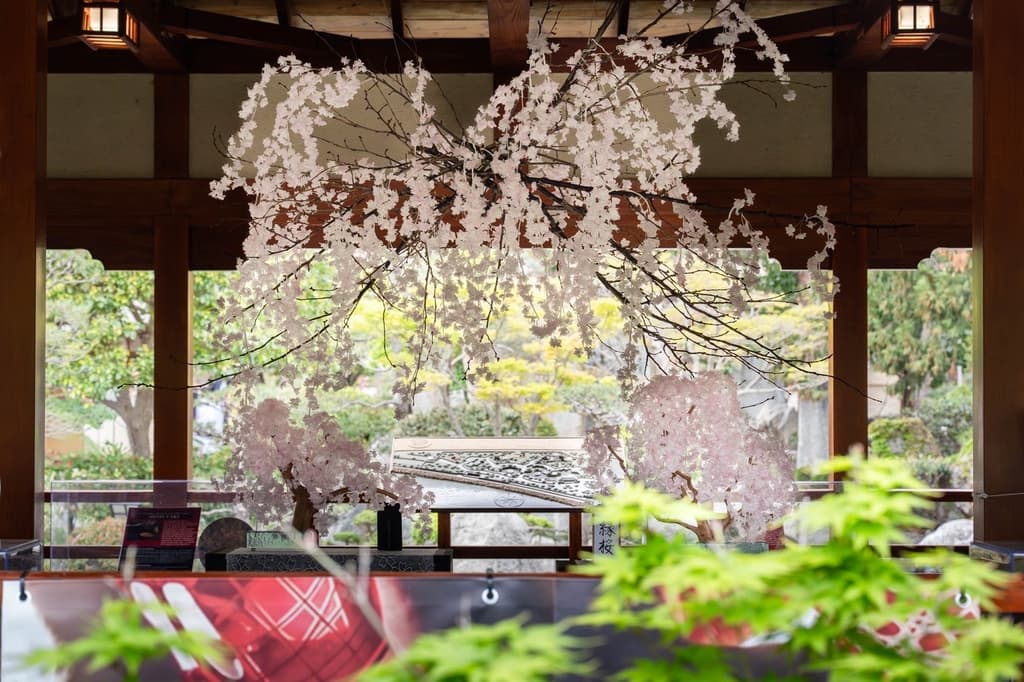
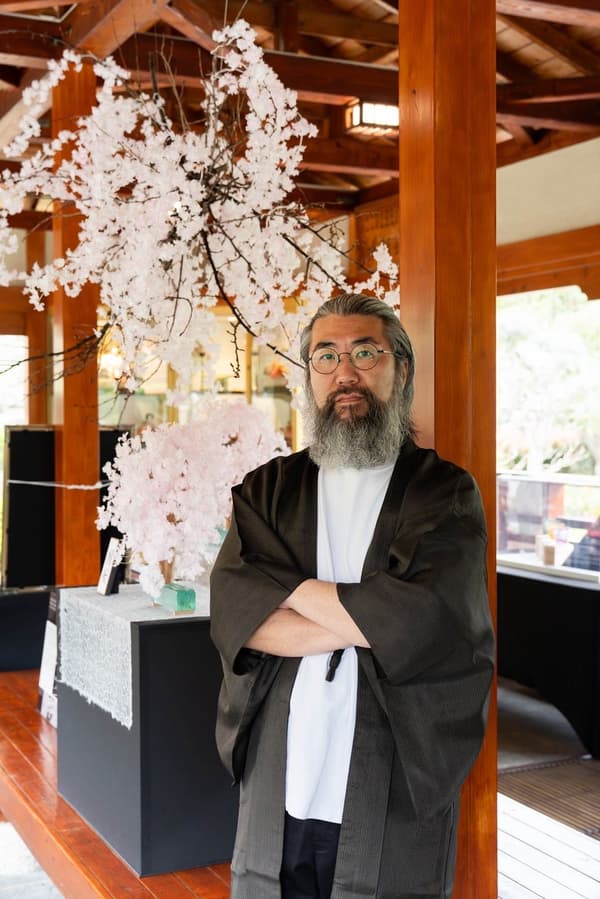
A striking cherry blossom installation created from traditional washi paper and upcycled glass became one of the talking points of the "Journées du Japon à Monaco" — the Japan-Monaco 20th Diplomatic Anniversary Celebration held on March 21, 2026, in Monaco.
Grand Opening Ceremony Graced by Royalty — and Front-Page European Coverage
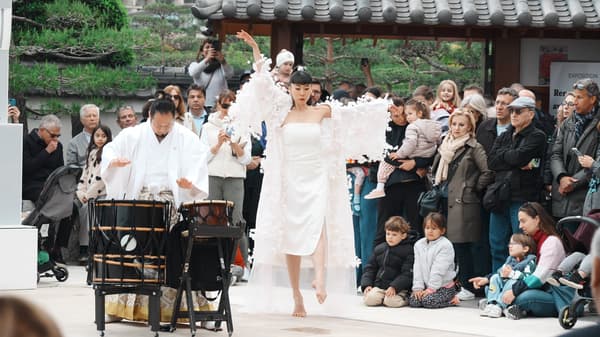
The opening ceremony of this milestone event was attended by Princess Akiko of Mikasa as guest of honor, alongside H.S.H. Prince Albert II and Princess Charlène of Monaco. Artizan Co., Ltd. (Chiba, Japan) was responsible for the spatial art direction throughout the celebration.
The event received wide media attention the following day. Monaco's leading newspaper, Monaco Matin, ran a prominent front-page feature headlined "La culture de l'amitié" (The Culture of Friendship). French icon Paris Match also covered the occasion on its website under the headline "Magnifique cerisier en fleur" (Magnificent Cherry Blossoms in Full Bloom), extending the story's reach across Europe.
In addition to the installation, the ceremony featured a dance performance by Mimosa Koike of the Monte-Carlo Ballet, dressed in a costume incorporating washi paper flowers. During the event, there was an opportunity to explain the costume to Princess Akiko of Mikasa, who remarked: "I can feel the petals of the cherry blossoms falling — it's a truly beautiful costume."
"Enishizakura": A New Name Born from Connections Forged in Monaco
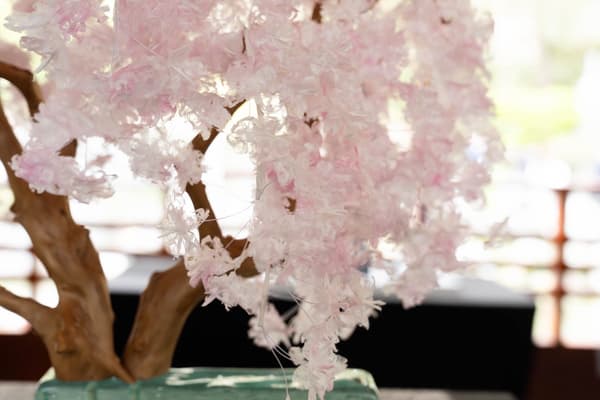
Inspired by the warmth of the encounters between Japan and Monaco during the event, the washi cherry blossom installation was given a new name: Enishizakura (縁桜), meaning "cherry blossoms of cherished connections." The name reflects the hope that these paper blossoms will serve as a bridge linking Japan and the world.
The installation carries two central messages.
Washi as a Medium for Japanese Aesthetics
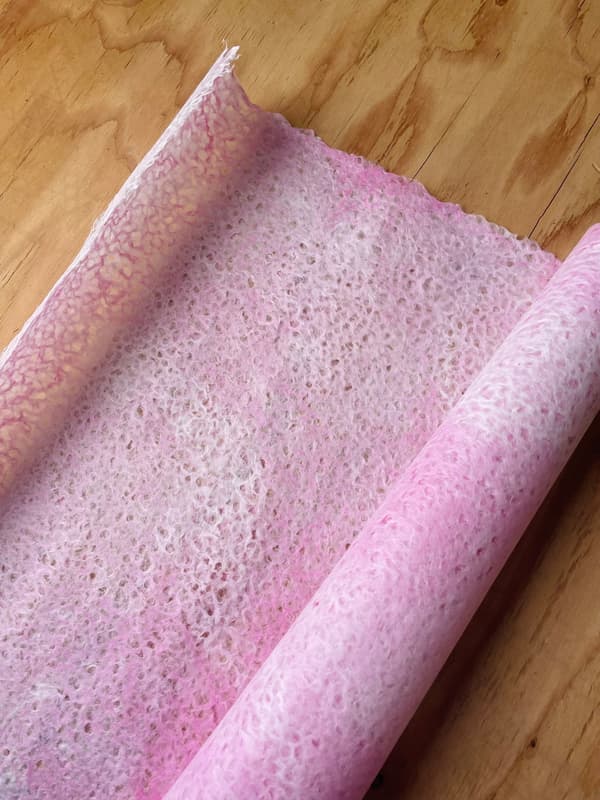
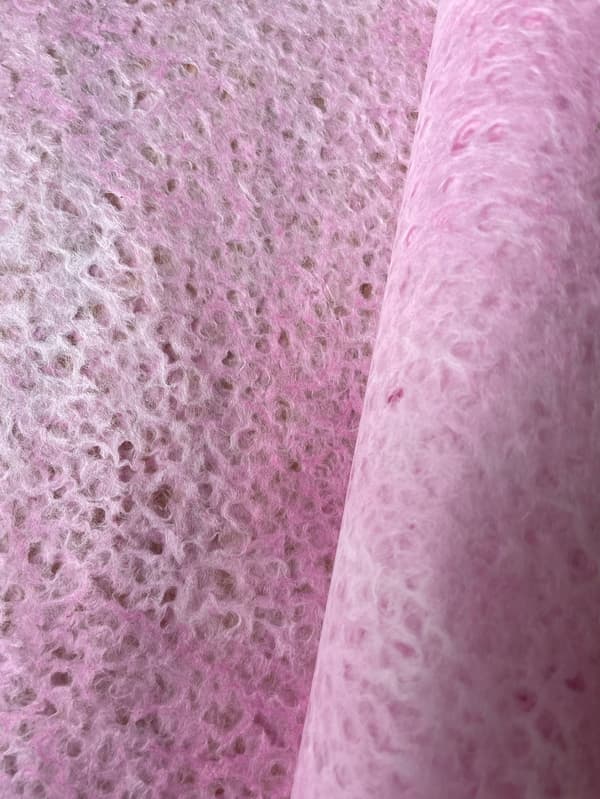
All floral elements were crafted from Echizen washi paper, produced in Fukui Prefecture and renowned for its 1,500-year heritage. Rather than treating washi simply as a material, the installation positions it as a medium — a vehicle for communicating the Japanese sense of beauty and spirit to the world. Visitors of all ages stopped to photograph the intricately handcrafted blossoms and ask questions, generating a warm yet enthusiastic response.
Circular Ecology: Giving Discarded Materials New Life
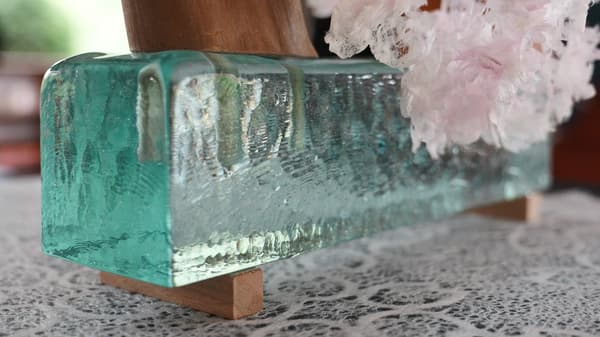
The blue glass base panels (called Minamo) were formed by collecting and melting down fluorescent lamps — materials increasingly discarded as LED adoption grows — and reshaping them into a new art form. Driftwood was used for the structural framework. The result is a piece composed entirely of natural and recycled materials, designed to eventually return to nature, embodying sustainability without compromise.
Fully Booked Workshops Highlight Deep Curiosity About Japanese Crafts
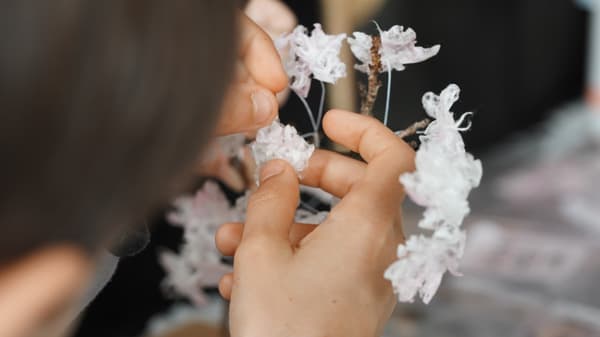
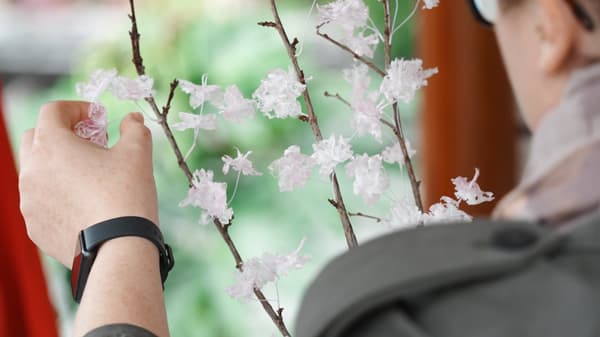
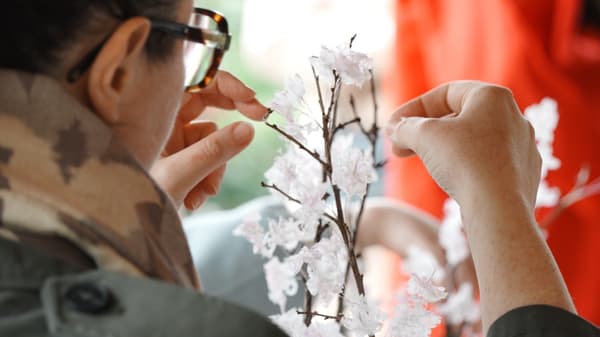
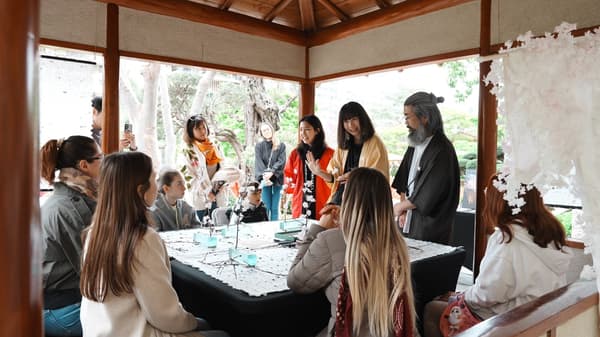
Alongside the main installation, object-making workshops were offered to general visitors in collaboration with flower artist michiko. Pre-registration filled every session to capacity.
In the tranquil setting of Monaco's Japanese garden, participants assembled their own art pieces by combining real cherry branches, Enishizakura petals, and the recycled glass bases. A final moment where participants moistened the washi blossoms to watch them slowly unfurl drew delighted reactions from the crowd.
Questions about washi's history and production process were constant throughout the workshops — a reminder that sharing the story behind a craft can transcend language and create genuine connection.
Blending Tradition with Contemporary Values
Responding to the strong interest visitors showed in learning more about the background of the work, Artizan plans to incorporate visual materials alongside future installations to communicate the story even more effectively. The company continues to develop spatial art that brings together a modern reinterpretation of traditional craftsmanship and an ecological sensibility.