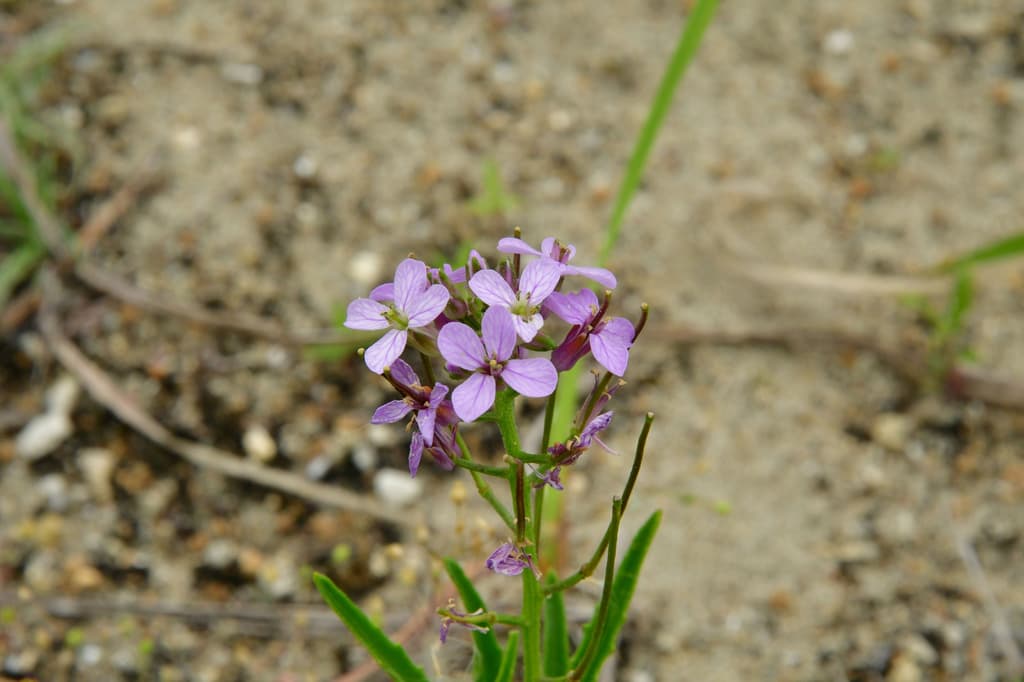
The Dune Area of National Hitachi Seaside Park (Hitachinaka City, Ibaraki Prefecture) is currently hosting the bloom of Hanahatazao, a plant prized for its small reddish-purple flowers. Listed as Critically Endangered (Category I) in both the Ministry of the Environment's 5th Red List (2025) and the Ibaraki Prefecture Red Data Book (2012), this rare plant draws attention each year as it flowers in this unique coastal setting. Guided tours of the Dune Area, led by park volunteers known as "Wild Plant Partners," introduce visitors to Hanahatazao alongside other rare dune-dwelling plants such as Sukashi-yuri (tiger lily), Kawara-saiko, and Noazuki.
What Is Hanahatazao?
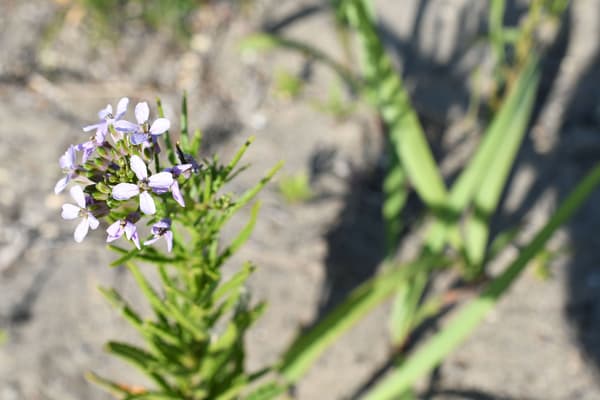
Hanahatazao is a member of the Brassicaceae (mustard) family that grows naturally in mountainous areas and coastal sandy soils. Its name, which roughly translates as "flowering flagpole plant," refers to the way a single upright stem produces beautiful blossoms. The plant reaches 15 to 50 cm in height and bears reddish-purple flowers approximately 1 cm in diameter. Its main natural habitats include Ibaraki, Yamanashi, and Kumamoto prefectures, and it is considered highly likely to become extinct in the wild in the near future.
Hanahatazao at a Glance
| Detail | Information |
|---|---|
| Classification | Brassicaceae, genus Arabis |
| Flowering period | Early June to mid-July |
| Location | Dune Area |
The Dune Environment Where Rare Plants Thrive
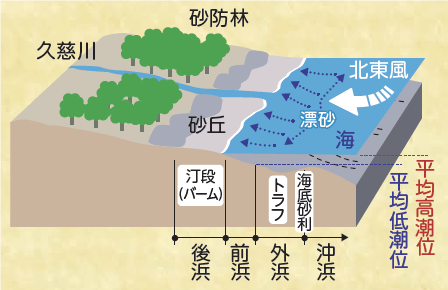
The Dune Area where Hanahatazao grows naturally was shaped by sand carried from the Kuji River depositing along the coast, then pushed inland by northeasterly winds. In recent years, surrounding development has reduced the supply of sand, significantly affecting both the dune landscape and the growing conditions for coastal plants. The park carries out ongoing conservation activities to protect this rare environment and its plant life.
Conservation Activities by Park Volunteers
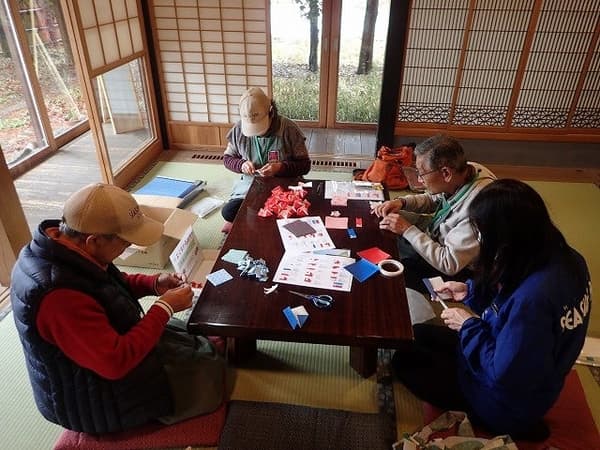
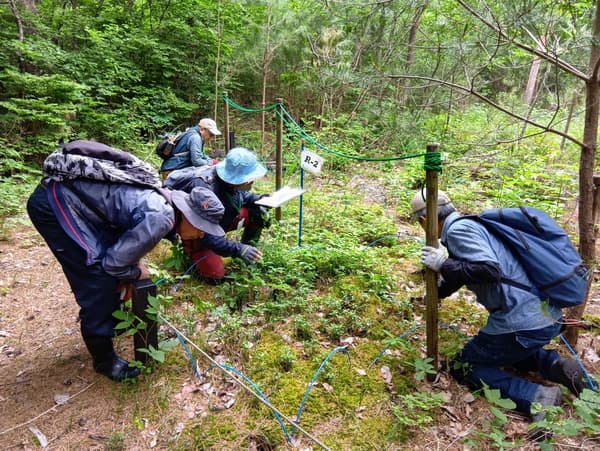
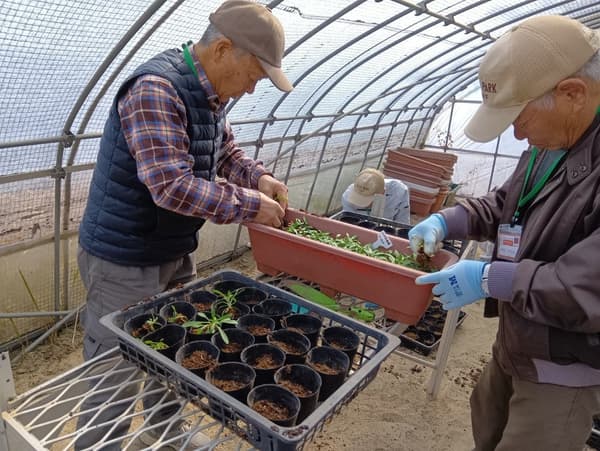
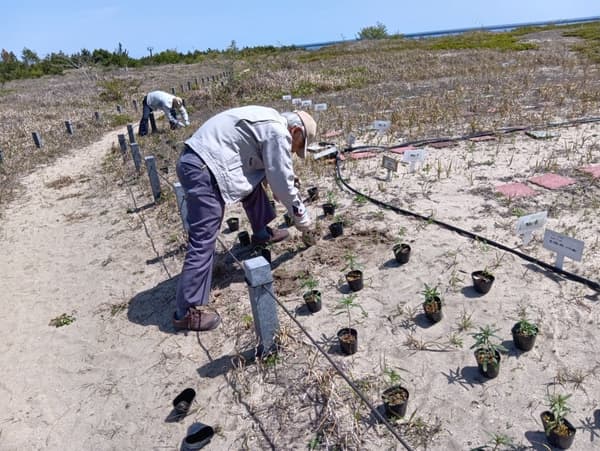
National Hitachi Seaside Park works together with its volunteer group, the "Wild Plant Partners," on efforts to protect and propagate Hanahatazao. The annual cycle includes surveying plant populations in June, collecting seeds in September, raising seedlings from October to April, and transplanting them back into the Dune Area in May. Each stage of the process is carefully recorded.
Special Guided Tours of the Dune Area
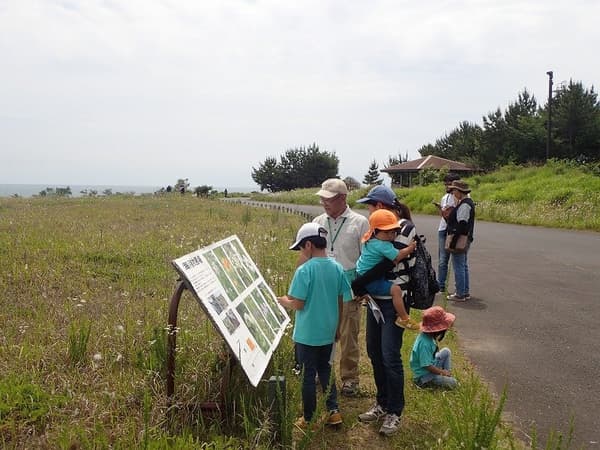
To coincide with the Hanahatazao flowering season, the Wild Plant Partners will lead special guided tours of the Dune Area. Participants will be able to see the rare plants up close while learning about the relationship between plants and their environment, as well as the park's conservation efforts.
Hanahatazao Guided Tour Details
| Detail | Information |
|---|---|
| Dates | Sunday, June 7 and Sunday, June 14; 10:00 AM to 11:30 AM |
| Location | Dune Area |
| Registration | Advance registration required |
| Participation fee | Free |
| Capacity | 20 participants |
| Weather | Cancelled in case of rain |
| Cooperating group | Wild Plant Partners |
Volunteer Park Partners Wanted
In addition to the Wild Plant Partners, 14 other volunteer groups known as "Park Partners" are active across the park. The park is currently recruiting members interested in conservation and outreach activities making use of the park's extensive grounds. Opportunities range from cultural preservation at a traditional farmhouse through the "Miharashi no Sato Partners" to natural environment conservation through the "Satoyama Partners," with options suited to a wide range of interests.