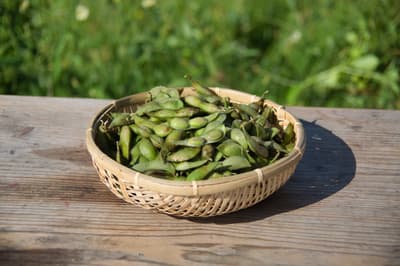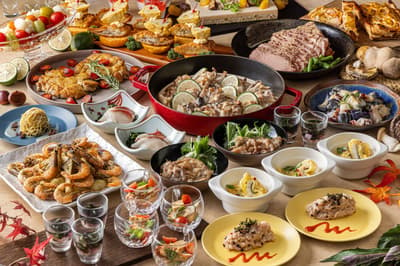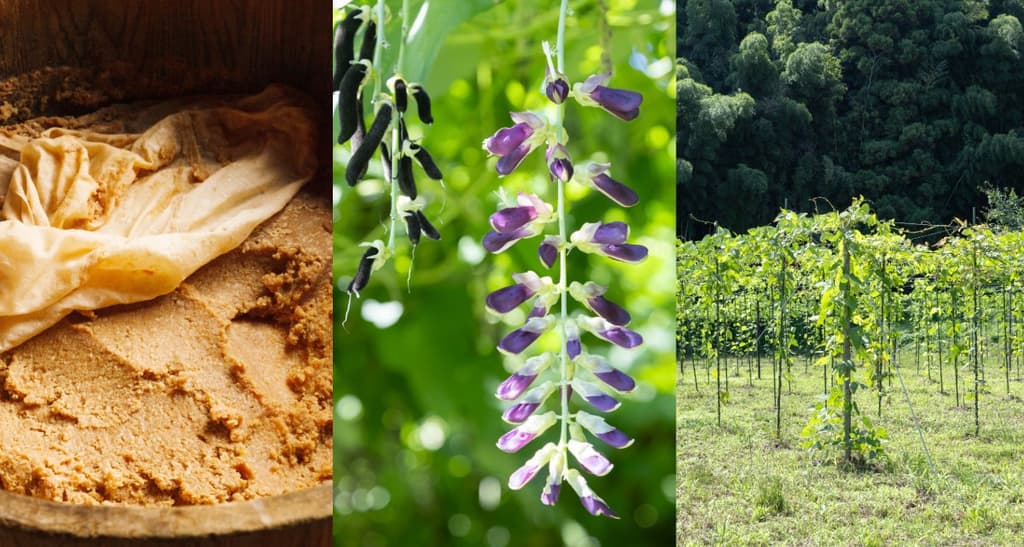
In Itoshima, Fukuoka, an initiative called Daichi no Mukuna ("Mukuna of the Earth") is turning abandoned farmland across Kyushu into fields of mukuna beans, then transforming the harvest into miso. Facing risks such as climate-driven soybean shortages and rising resource costs, the project aims to keep supporting Japan's food and health even as the climate changes, by delivering a pesticide- and fertilizer-free, domestically grown protein source from Itoshima to the rest of the country. In fiscal 2026, alongside restoring abandoned farmland and producing medicinal miso through traditional fermentation techniques, the project has also begun forming early partnerships with food manufacturers, company cafeterias, and restaurants.
Climate Change and Rising Costs: A Next-Generation Bean for Japan's Food Future
Japan's food supply is under growing pressure from poor harvests linked to global warming, rising raw material costs, and a weaker yen, all combining to shake what was once a stable food system. Soybeans in particular, a staple of the Japanese table, have become an ironic contributor to global warming themselves, as rising worldwide demand drives deforestation and increased transport-related energy use.
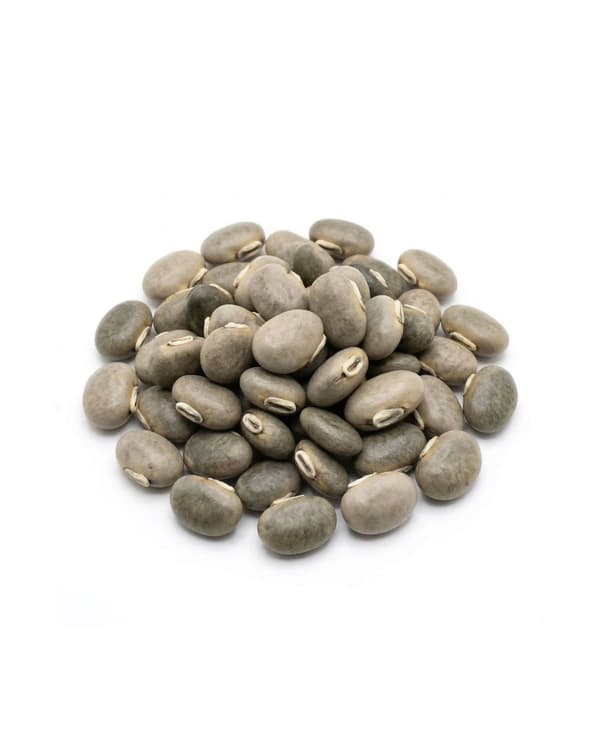
That is what drew attention to mukuna beans (hassho mame), a crop once valued during the Edo period as an emergency food source and known for its resilience to climate change. Grown without pesticides or fertilizer, mukuna beans thrive even on abandoned farmland, offer more nutrients than soybeans, and can double as green manure for the next crop, making them a potential ally for today's food security challenges.
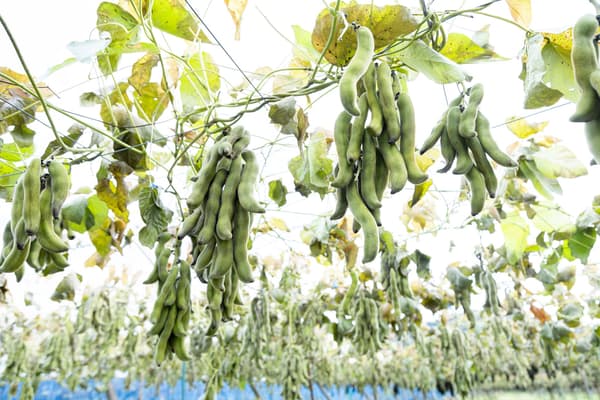
Traditional Miso-Making Breaks Through the Barrier to Mass-Market Distribution
Bringing mukuna beans into wider use has not been easy. The beans are rich in a potent natural compound called L-DOPA, but because of the risk of overconsumption, only around 3 grams per meal is considered safe, which has limited mukuna to something of a well-kept secret among health-food enthusiasts rather than a food that could be sold through supermarkets and restaurants.
What changed that was Japan's traditional miso-making process. Recent research has found that fermenting mukuna beans the way miso is traditionally made breaks down and eliminates the L-DOPA they contain, making the finished miso safe for anyone to eat every day, from children to the elderly. The resulting miso also contains significantly more antioxidants, such as polyphenols, than ordinary miso, along with a rich, deep flavor that has scored well in taste evaluations.
Preparation of Mukuna Bean Miso and Changes in Antioxidant Activity During Preparation (excerpted)
Journal of Cookery Science of Japan, Vol. 50, No. 5, pp. 174–181 (2017)
Mukuna beans are known for their high yield, but their use as food has been limited because dried seeds contain 3–9% L-DOPA. This study focused on using mukuna beans in miso, preparing four types (salty rice-koji, sweet rice-koji, sweet barley-koji, and sweet rice miso) and tracking changes in appearance and composition during fermentation, alongside four equivalent soybean miso types for comparison. Based on pH, acidity, protein solubility, and color measurements, mukuna bean miso matured through a process similar to soybean miso across all types. Immediately after preparation, mukuna bean miso contained 0.14–0.26 g of L-DOPA per 100 g of wet miso, but the amount declined steadily after fermentation began and became undetectable by the time the miso was finished.
In sensory evaluation, mukuna bean miso scored higher overall than soybean miso, with the sweet rice-koji version rated particularly highly. Its antioxidant activity was also significantly higher than that of sweet rice-koji soybean miso, 1.7 times higher by the DPPH method and 4.5 times higher by the ORAC method. These results show that miso made mainly from mukuna beans loses its L-DOPA during fermentation while offering good palatability and strong antioxidant properties.
The Daichi no Mukuna Project's Initiatives
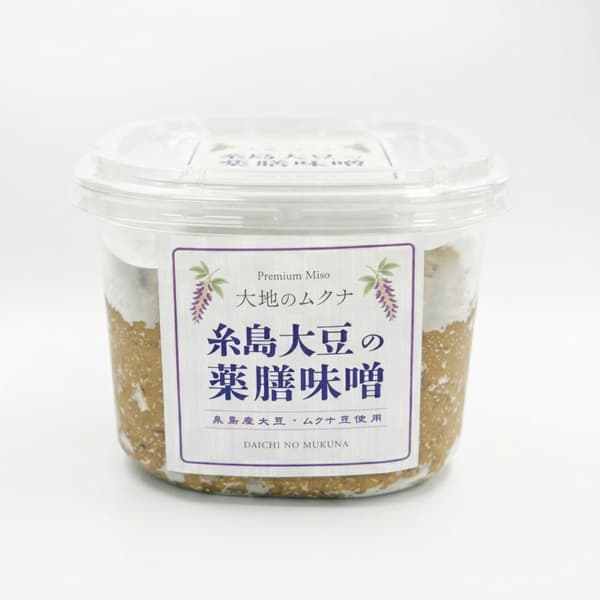
- Restoring abandoned farmland: Based in Itoshima, the project is reviving abandoned farmland across Kyushu to grow the hardy mukuna bean. Cultivated acreage under the Daichi no Mukuna brand has passed 2 hectares, with further expansion under way.
- Producing and selling "Daichi no Mukuna: Itoshima Soybean Medicinal Miso": Mukuna beans are blended with soybeans grown in Kyushu, mainly in Itoshima, in an optimal ratio. Working with long-established miso breweries across Kyushu, the project has developed a next-generation medicinal miso rich in nutrients and antioxidants.
- Developing new products using the medicinal miso: The project is expanding a product line that pairs the medicinal miso with seafood and other ingredients from Itoshima and Kyushu, including underused and local fish, domestic bamboo shoots, and regional pork and chicken brands:
- Miso-marinated underused and local fish
- Miso-marinated domestic bamboo shoots (menma)
- Chicken miso and pork miso made with vegetables from Itoshima and Kyushu
- Miso balls, instant miso soup, and liquid miso made with natural dashi stock
Behind the Development: A Gift From Life in Itoshima, Where Tradition Meets Fermentation Research
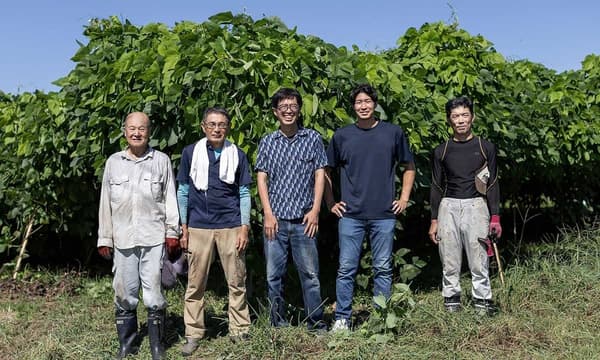
The project's roots trace back to a warm, personal connection unique to life in Itoshima. An acquaintance once shared homemade mukuna miso and fermented brown rice onigiri with the team behind Daichi no Mukuna. The moment they tasted it, they were struck by its deep flavor and by how nourishing it felt, and they became captivated by the mysterious power of the mukuna bean.
"We wanted to turn this bean, one that can turn abandoned farmland into treasure, into something anyone can use easily in daily life, not just something enjoyed by a small circle of enthusiasts." That idea was the starting point for the project. But because of its powerful nutritional properties, the hurdle to bringing it to everyday tables turned out to be higher than expected.
The answer that emerged was combining mukuna beans with miso, a traditional food eaten daily across Japan. With the cooperation of miso breweries, food companies, and hotels and restaurants across Kyushu who share the project's vision, that idea has been brought to life in what the team feels is its best possible form.
Japan's food supply is now facing a serious challenge: the risk of poor harvests from climate change, and rising food prices driven by a weaker yen, are spreading new uncertainty through a food system that has long relied heavily on imports. At the same time, labor shortages from the aging, shrinking population and a decline in the number of farmers show no sign of stopping.
That is why the project is processing sustainable, non-import-dependent ingredients into miso, a food deeply familiar to Japanese people, as a genuine effort to keep supporting Japan's food and health. The medicinal mukuna miso that people in Itoshima have long treasured and passed down as their own "temae-miso" (homemade miso) is now being shared with communities across the country.
Adapting to major shifts in the times, the project intends to keep addressing the challenges ahead one step at a time, working toward a future for Japanese food that goes beyond flavor and nutrition.
Official website: https://daichinomukuna.jp/