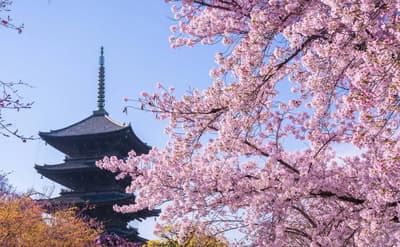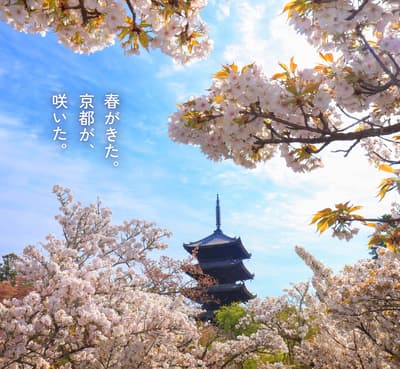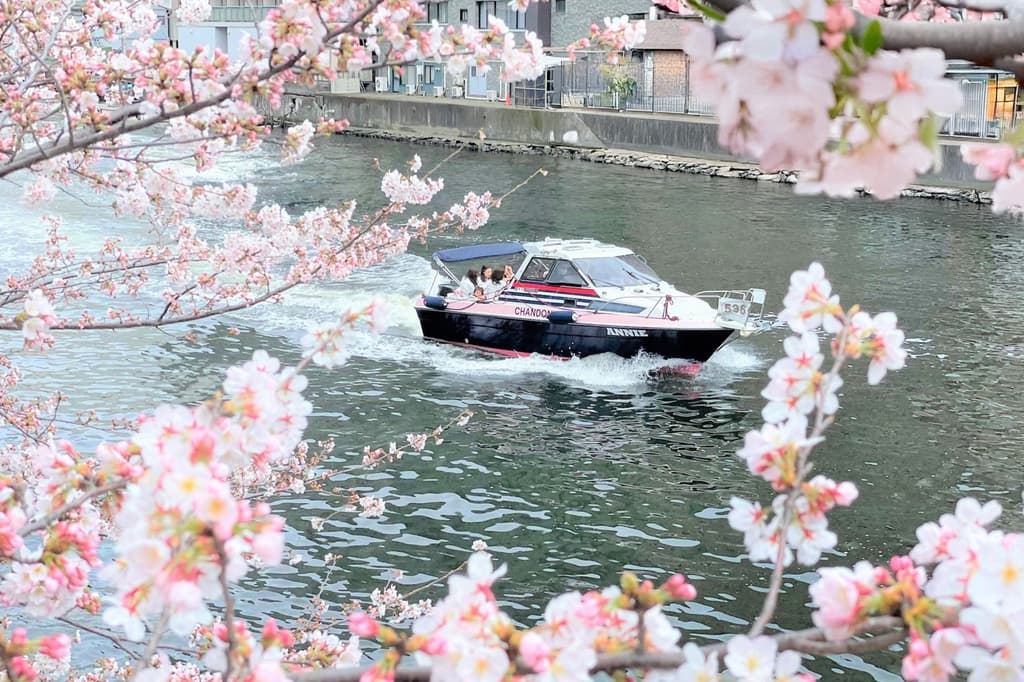
Spring is Kyoto at its finest. From late March through mid-April, cherry blossoms frame ancient temples, line canal paths, and fill parks across the city. Add spring-only temple openings, seasonal cuisine built around bamboo shoots and wild mountain vegetables, and the mild weather that makes all-day walking a pleasure -- and it is easy to see why this is the single most popular time to visit.
This guide covers the best cherry blossom spots, spring temple events, seasonal food, and practical tips for making the most of Kyoto in spring.
When Do Cherry Blossoms Bloom in Kyoto?
Cherry blossom timing depends on winter and early spring temperatures, so exact dates shift from year to year. Based on the 2026 forecast from the Japan Weather Association:
- First bloom (kaika): Around March 23
- Full bloom (mankai): Around March 31
- Best viewing window: Roughly March 28 to April 5
Full bloom typically lasts about a week before petals begin to scatter. Even after peak, the falling petals (known as hanafubuki, or cherry blossom blizzard) create their own striking scenes along rivers and paths.
If you are visiting in mid-April, some later-blooming varieties -- particularly yaezakura (double-petaled cherry blossoms) -- continue into the second and third weeks of April at certain temples and gardens.
Best Cherry Blossom Spots in Kyoto
Maruyama Park
Kyoto's most famous hanami spot sits just behind Yasaka Shrine in Higashiyama. The centerpiece is a massive weeping cherry tree (shidarezakura) that is illuminated at night during peak bloom. The park is free to enter and open around the clock. Expect large crowds after sunset, especially on weekends. Food stalls line the paths during cherry blossom season, and many locals spread tarps for evening picnics under the trees.
Access: 10-minute walk from Keihan Gion-Shijo Station or Hankyu Kyoto-Kawaramachi Station.
Philosopher's Path (Tetsugaku no Michi)
A 2 km stone path running alongside a canal between Ginkaku-ji (Silver Pavilion) and Nanzen-ji Temple. Hundreds of cherry trees arch over the canal, creating a tunnel of blossoms at peak bloom. The path is at its quietest before 8:00 AM. No admission fee.
Small cafes, craft shops, and quiet temple gates dot the route. It is worth walking the full length in one direction and then returning by a parallel street to see different neighborhoods.
Access: Start at Ginkaku-ji bus stop (buses 5, 17, or 100 from Kyoto Station) or walk from Keage Station on the Tozai subway line.
Kiyomizu-dera
Kyoto's most iconic temple sits on a hillside overlooking the city, and in spring approximately 1,500 cherry trees bloom across the grounds. The famous wooden stage provides a panoramic view of blossoms with the city skyline in the background. Admission is 400 JPY.
During peak cherry blossom season, Kiyomizu-dera holds a special night illumination (see Spring Temple Events below), which is one of the most atmospheric experiences in Kyoto.
Access: 15-minute walk uphill from Keihan Kiyomizu-Gojo Station, or take bus 206 or 100 from Kyoto Station to Gojo-zaka or Kiyomizu-michi bus stop.
Arashiyama
The Togetsukyo Bridge area in western Kyoto is breathtaking in spring, with cherry blossoms and fresh green foliage covering the mountainside behind the bridge. The nearby Tenryu-ji temple gardens and the bamboo grove are also worth visiting on the same trip.
For a less crowded experience, walk upstream along the Oi River past Togetsukyo Bridge, or visit the Sagano area north of the bamboo grove, where smaller temples like Jojakko-ji and Nison-in have beautiful cherry trees with far fewer visitors.
Access: JR Sagano Line to Saga-Arashiyama Station (15 minutes from Kyoto Station), or Keifuku Randen tram to Arashiyama Station. Avoid buses during peak season -- they are slow and overcrowded.
Heian Shrine (Heian Jingu)
The massive vermilion torii gate marks the entrance to Heian Shrine, but the real spring highlight is the Shin'en Garden behind the main hall. This paid garden (600 JPY) features a spectacular collection of weeping cherry trees reflected in a central pond. The garden is less crowded than the city's free spots and offers a more contemplative viewing experience.
Access: 10-minute walk from Higashiyama Station on the Tozai subway line.
Daigo-ji
Located in Kyoto's southern Fushimi ward, Daigo-ji is historically significant for cherry blossoms -- warlord Toyotomi Hideyoshi famously held an extravagant hanami party here in 1598 with 1,300 guests. Today the temple grounds hold around 800 cherry trees, including many early and late-blooming varieties that extend the viewing season. Admission to the main areas is 1,500 JPY (combined ticket).
Access: 10-minute walk from Daigo Station on the Tozai subway line.
Spring Temple Events and Special Openings
Several Kyoto temples hold special spring events that are only available for a limited period. These are worth planning around.
Kiyomizu-dera Night Illumination (Spring)
Dates: March 27 to April 5, 2026 (evening hours, typically 6:00 PM to 9:00 PM)
The temple grounds are lit up at night, with a beam of blue light shooting into the sky from the main hall. Cherry blossoms are illuminated from below, and the reflections in the night sky create a dramatic scene. A separate evening admission ticket is required.
Chion-in Spring Night Illumination
Dates: March 25 to April 5, 2026
Chion-in, the headquarters of the Jodo sect of Buddhism, opens its Yuzen Garden and surrounding grounds for nighttime viewing. Cherry trees are lit from below, and the temple's massive Sanmon gate is also illuminated.
Access: 5-minute walk from Keihan Gion-Shijo Station.
Kodai-ji Spring Night Illumination
Dates: March 13 to May 6, 2026
This temple in the Higashiyama district is known for projection art displays during its spring evening openings. The garden's weeping cherry tree, illuminated against the dark sky, is one of the most photographed spring scenes in Kyoto. Admission: 600 JPY.
Seiryu-e (Blue Dragon Procession) at Kiyomizu-dera
Dates: March 15 to April 3, 2026
A traditional procession featuring performers carrying a blue dragon through the temple grounds. The event draws on a legend that a blue dragon descends from the Otowa Waterfall at night to drink its sacred waters. The procession takes place during specific time slots -- check the temple's official site for the schedule.
Miyako Odori (Geisha Spring Dance)
Dates: April 1 to 30, 2026
The Miyako Odori is a traditional dance performance by maiko and geiko of the Gion Kobu district. Performances take place at the Gion Kobu Kaburenjo theater. Shows run at 12:30 PM, 2:30 PM, and 4:30 PM daily. Tickets range from 4,000 to 7,000 JPY. The higher-tier tickets include a tea ceremony served by maiko before the performance.
If you are interested in the Kyoto spring campaign with exclusive temple visits and nighttime art events, check out this article:
Seasonal Spring Food in Kyoto
Kyoto's cuisine is deeply tied to the seasons, and spring brings some of the most prized ingredients of the year.
Takenoko (Bamboo Shoots)
Kyoto is famous for its bamboo shoots, particularly those harvested from the groves in the Otokuni area of western Kyoto. Fresh takenoko are available from late March through May. Look for:
- Takenoko gohan -- rice cooked with sliced bamboo shoots, a simple but deeply flavorful dish
- Wakatake-ni -- simmered bamboo shoots with wakame seaweed in dashi broth
- Tempura takenoko -- lightly battered and fried, highlighting the natural sweetness
Many traditional restaurants (kaiseki and obanzai spots) feature takenoko prominently on their spring menus.
Sansai (Wild Mountain Vegetables)
Foraged spring greens like taranome (angelica tree buds), kogomi (fiddlehead ferns), and fukinoto (butterbur sprouts) appear on menus from March through May. They are most commonly served as tempura, where the light batter brings out their distinctive bitter and herbal flavors.
Sakura Sweets
Spring in Kyoto means cherry blossom-themed sweets everywhere:
- Sakura mochi -- The Kansai version (also called Domyoji-style) uses a coarser, bumpy rice dough rather than the smooth crepe used in the Kanto style. Filled with red bean paste and wrapped in a salt-pickled cherry leaf.
- Hanami dango -- tri-colored dumplings (pink, white, green) on a skewer, sold at temples, parks, and wagashi shops during cherry blossom season.
- Sakura-flavored drinks -- Cafes across Kyoto offer seasonal sakura lattes, sakura soda, and other cherry blossom drinks in March and April.
Sakura-dai (Spring Sea Bream)
Sea bream caught during the spring spawning season is considered the finest of the year. In Kyoto, you will find it prepared as sashimi, grilled with salt, or simmered in a light broth at traditional Japanese restaurants.
Things to Do Beyond Cherry Blossoms
Fushimi Inari Taisha
Kyoto's most visited shrine is not primarily a cherry blossom destination, but spring is an excellent time to hike its famous tunnel of thousands of vermilion torii gates up Mount Inari. The mild weather makes the full 2-hour hike to the summit comfortable. Go early in the morning (before 8:00 AM) or in the late afternoon to avoid the biggest crowds. No admission fee. Open 24 hours.
Access: 2-minute walk from JR Inari Station (two stops from Kyoto Station on the JR Nara Line).
Nishiki Market
Kyoto's kitchen is a narrow, covered shopping street running five blocks through central Kyoto. In spring, look for seasonal items like fresh takenoko, pickled cherry blossom flowers, and spring wagashi. The market is busiest between 10:00 AM and 2:00 PM. Most stalls open around 9:00 AM and close by 5:00 PM.
Access: 3-minute walk from Hankyu Kyoto-Kawaramachi Station or Karasuma Station.
Tea Ceremony Experiences
Spring is a meaningful season in the Japanese tea ceremony tradition. Several temples, tea houses, and cultural venues in Kyoto offer tea ceremony experiences for visitors year-round, but spring sessions often use seasonal sweets and utensils that reflect the cherry blossom theme.
Private Photoshoot in Kyoto
Spring is the most popular season for photoshoots in Kyoto, with cherry blossoms providing a stunning backdrop at temples, shrines, and along canal paths. Book a professional photographer to capture your trip:
Kyoto Bar Hopping
After a day of temple visits and cherry blossom viewing, explore Kyoto's nightlife with a guided bar hopping tour through the Nijo Castle, Karasuma Oike, and Shijo Kawaramachi areas:
Practical Tips for Spring in Kyoto
Getting Around
- Avoid buses during peak cherry blossom season. Kyoto's buses are notoriously slow and overcrowded in late March and early April, especially routes through Higashiyama and Arashiyama. Use trains and the subway whenever possible.
- Rent a bicycle. Kyoto is flat in the city center, and cycling is one of the fastest and most flexible ways to move between spots. Rental shops are scattered near major stations. Expect to pay 1,000 to 1,500 JPY per day.
- Walk between nearby sites. Many of the best spring spots -- Maruyama Park, Kiyomizu-dera, the Gion district, and the Higashiyama walking path -- are close enough to connect on foot.
Timing and Crowds
- Go early. The most popular spots are far more enjoyable before 9:00 AM. By late morning, major sites like Kiyomizu-dera and the Philosopher's Path get packed.
- Try night illuminations. Evening temple openings thin out the daytime crowds and provide a completely different atmosphere. Kodai-ji and Kiyomizu-dera are particularly striking at night.
- Check the Kyoto City official congestion forecast. Kyoto's tourism office publishes real-time congestion forecasts and webcam feeds for major areas, which can help you decide where to go on a given day.
What to Wear and Bring
- Dress in layers. Spring days in Kyoto can be warm (18 to 22 degrees Celsius) but mornings and evenings are cool (8 to 12 degrees Celsius). A light jacket and a sweater are essential.
- Bring a compact umbrella. Spring showers are common, and rain can arrive without much warning.
- Wear comfortable walking shoes. Many temple grounds involve steps, gravel paths, and uphill walks. Flat, comfortable shoes are far more practical than anything dressy.
- Carry allergy medication if needed. Cedar and cypress pollen is heavy in the Kyoto area during March and April.
Accommodation Tips
Spring is Kyoto's busiest season, and hotels fill up fast. If you are visiting during the last week of March or first week of April:
- Book at least two to three months in advance. Popular areas like Gion, Higashiyama, and around Kyoto Station are the first to sell out.
- Consider staying in Osaka. It is only 15 minutes by express train from Osaka-Umeda to Kyoto-Kawaramachi (Hankyu Railway), making a day trip very practical.
- Look into machiya stays. Traditional Kyoto townhouses converted into guesthouses offer a unique experience and are scattered throughout quieter neighborhoods.
Related Articles
For a broader look at what to do across Japan in April, including festivals, the Tateyama Alpine Route, and more cherry blossom spots:
For a 2-day Kyoto itinerary focused on spring cherry blossoms and sweets:
For the Six Senses Kyoto cherry blossom experience:
For the Ritz-Carlton Kyoto cherry blossom Sunday brunch: