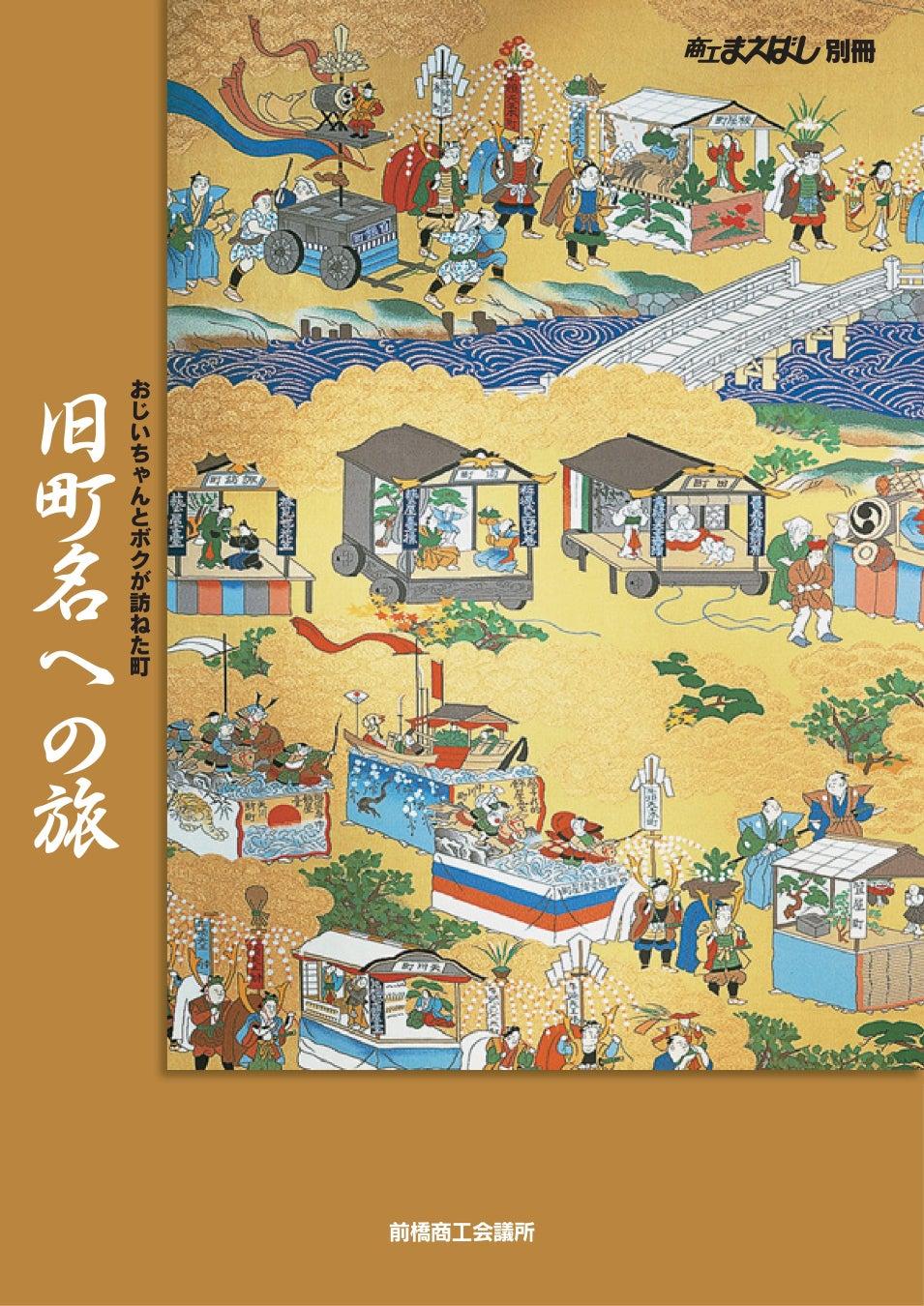
The Maebashi Chamber of Commerce and Industry, based in Maebashi, Gunma Prefecture, has reissued Kyuchomei e no Tabi (旧町名への旅, "Journey to the Former Town Names"), a special supplement to its newsletter Shoko Maebashi that had been sold out and out of print since its original publication in 2011. The revised second edition is now available at the reception desk on the first floor of the chamber's building.
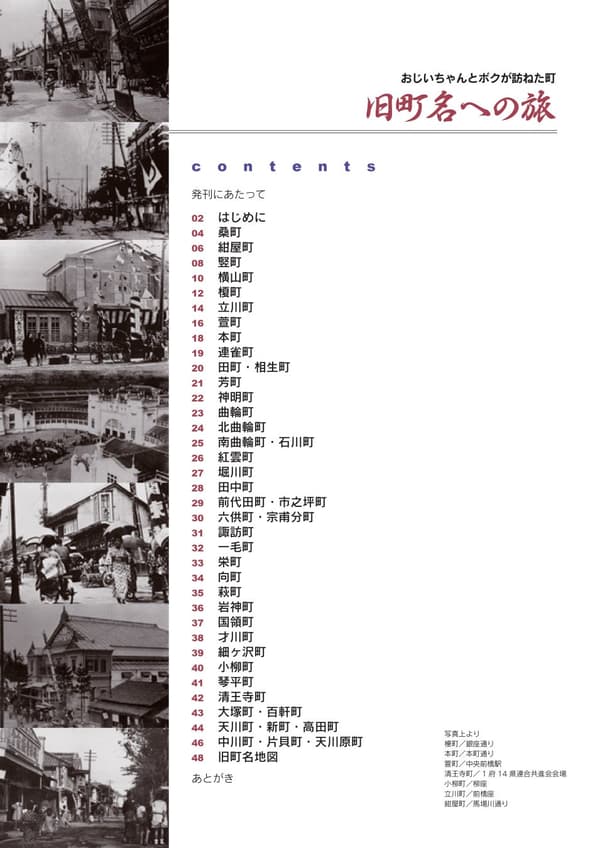
The booklet explores the origins of the 44 former town names — including Kuwamachi, Konya-cho, and Renjaku-cho — that disappeared from the city following the address changes carried out in the 1960s and 1970s, along with the everyday life of that era. Even after going out of print, the chamber continued to receive passionate requests from citizens and member companies wishing to "study the history again" and "pass it on to the next generation." In response, it has now reissued the booklet with some revisions, limited to 300 copies.
Background: Half a Century After the Showa-Era Address Changes, Passing the City's Original Landscape to the Next Generation
Maebashi was once home to many distinctive town names rooted in local industry, history, and the everyday lives of its residents. However, the address changes carried out in the 1960s and 1970s caused many of these old town names to disappear.
To properly pass on this fading local history and original townscape to future generations, Kyuchomei e no Tabi was first published in 2011, written by the late 倉地啓仁 of the Gunma Place Names Research Society. The book drew a strong response immediately after publication, and even after it sold out and went out of print, the chamber continued to receive requests such as "I want to keep it on hand as a book for learning about Maebashi's history" and "Please reissue it so I can pass it on to my children and grandchildren."
With more than half a century having passed since the address changes, the chamber concluded that now is the time to pass on local culture and foster residents' civic pride. As part of its community contribution activities, it decided to revise the content and reissue the booklet as a second edition.
Booklet Details
- Title: Kyuchomei e no Tabi: Ojiichan to Boku ga Tazuneta Machi (旧町名への旅 おじいちゃんとボクが訪ねた町, "Journey to the Former Town Names: The Towns Grandpa and I Visited") — Shoko Maebashi Bessatsu (2nd Edition)
- Author: the late 倉地啓仁 (Gunma Place Names Research Society)
- Contents: The origins, history, and everyday life associated with 44 former town names in Maebashi, including Kuwamachi, Konya-cho, and Renjaku-cho
- Price: 500 yen (general, tax included) / 400 yen (chamber members, tax included)
- Print run: Limited to 300 copies
- Distribution: Reception desk on the first floor of the Maebashi Chamber of Commerce and Industry
In addition to being available at the reception desk, copies will be donated to government offices, educational institutions, place-name research groups, and other related organizations, and will also be used in the chamber's public relations and community revitalization activities.
A free digital version is also available: Download the PDF