World Heritage Ninna-ji Temple in Kyoto is now the setting for an original experience plan from Otonami, a service that offers refined experiences for adults. Created together with Ninna-ji Temple, the Ritsumeikan University College of Letters and Ritsumeikan Academic Center, and chef Atsushi Nakahigashi, the plan treats the temple as a stage of literary history and is aimed at curious minds. Reservations are now open, with the first session on Wednesday, December 23, 2026.
After a lecture by a Ritsumeikan University College of Letters professor on the literature and figures connected to Ninna-ji, participants tour the grounds at dusk with a priest as guide. The evening ends with a special dinner course, created by Nakahigashi for this plan to match the lecture theme, in Jikido, a dining hall that is normally closed to the public. The lecture theme and professor change with the seasons, and the theme for December 2026 to January 2027 is scheduled to be "court culture" (宮廷文化), taught by Professor Hongo (本郷真紹).
Experience plan details and reservations: World Heritage Ninna-ji Temple: Touring a Stage of Literary History With a University Professor's Lecture – Dinner Course Reflecting the World of the Works Included
Reading a World Heritage Site Through Its Literature and People
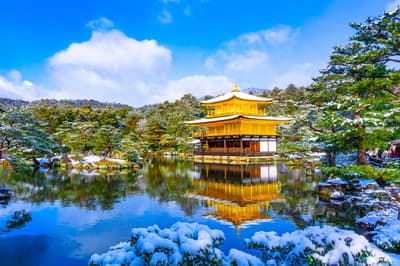
Ninna-ji Temple was founded in 888 (the fourth year of Ninna) by Emperor Uda. It is a monzeki temple, where members of the imperial family served as head priests generation after generation until the Meiji Restoration. In 1994 it was inscribed as a component of "Historic Monuments of Ancient Kyoto" on the UNESCO World Heritage List.
During the Heian period the temple hosted waka poetry gatherings and served as a stage for culture. It is said to have influenced Japanese literature and art so strongly that later generations spoke of a "Ninna-ji cultural sphere," and its name appears in major classics such as the Kokin Wakashu and Tsurezuregusa.
Instead of only admiring the architecture and Buddhist statues, following the people who lived there and the literature born there may bring the temple's history closer. This plan offers a chance to explore Ninna-ji's cultural background in depth with specialists in literary research.
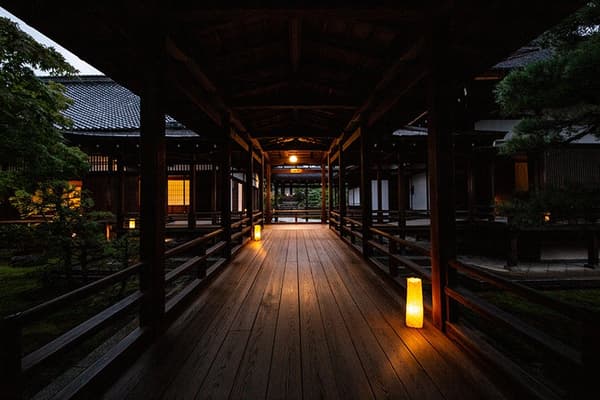
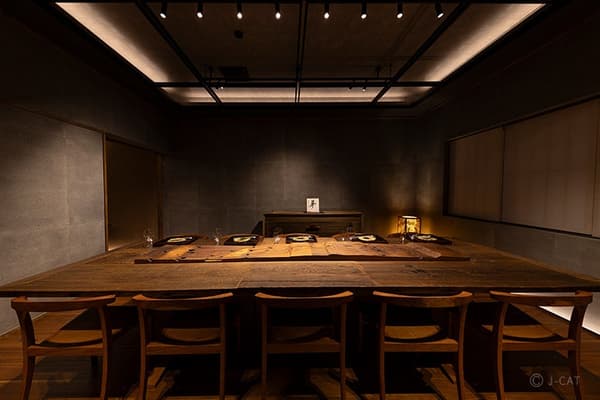
Three Features of the Experience
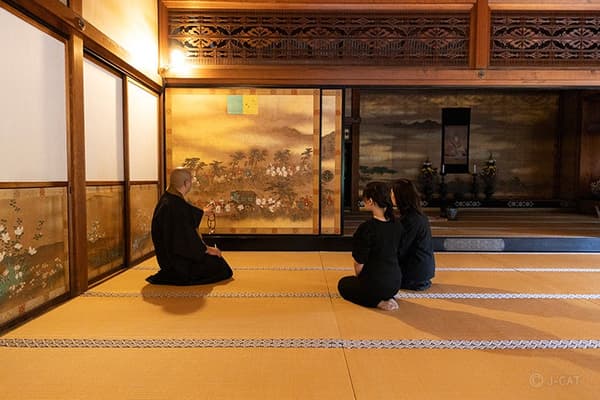
1. A Special Lecture by Ritsumeikan University College of Letters Professors
The lecture takes place in the Shiro-shoin, which stands at the center of the temple's Goten (palace buildings). Valuable texts and materials chosen by each professor to match the theme of the course can also be viewed as teaching materials. Following a theme that changes with the seasons, the lectures read the literary works, historical figures and monzeki culture associated with Ninna-ji.
2. An Evening Tour of the Grounds With a Priest and a Professor
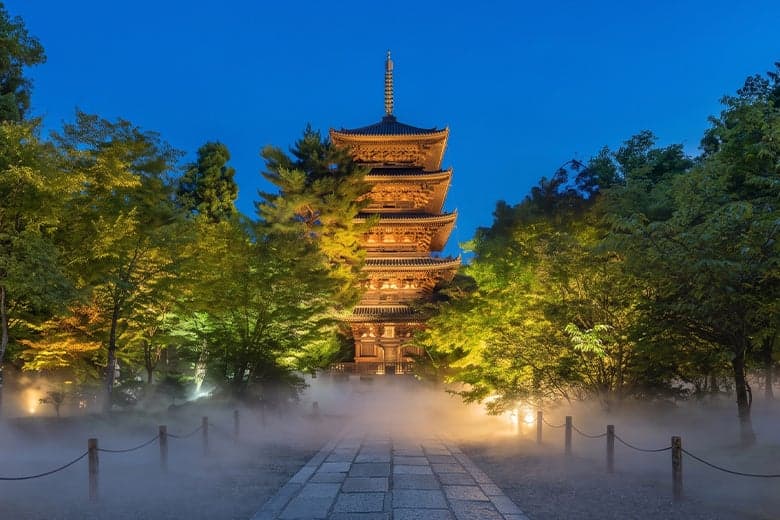
After the lecture, a priest guides participants around the grounds. The professor joins the tour, connecting what was said in the lecture with the actual spaces. Stops include the National Treasure Kondo and the Kannon-do, which is not open to the public and is normally used as a place of training (the places visited vary by date). The tour closes with the "cloud-sea light-up" (雲海ライトアップ).
3. A Dinner Course Available Only With This Experience
After the tour, participants move to Jikido, a dining hall within the temple grounds that is normally closed to the public. There they enjoy a special six-course dinner devised by chef Atsushi Nakahigashi to match the era or theme of each lecture, using the ingredients and cooking methods of the lecture's period as clues. Drinks chosen by Nakahigashi to go with the dishes are served free-flow.
Instructors and Providers
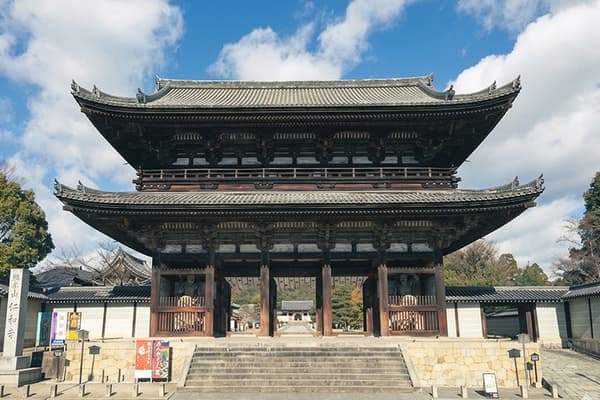
Ninna-ji Temple, Head Temple of the Shingon Omuro School
Founded in 888 (the fourth year of Ninna) by Emperor Uda, Ninna-ji is the head temple of the Shingon Omuro school. It is known as a monzeki temple whose head priests were imperial princes and grandsons for generations, and is also called "Omuro Gosho." It was inscribed as a World Cultural Heritage Site in 1994. It is a place of faith and also a historic temple closely tied to Japanese culture and literature.
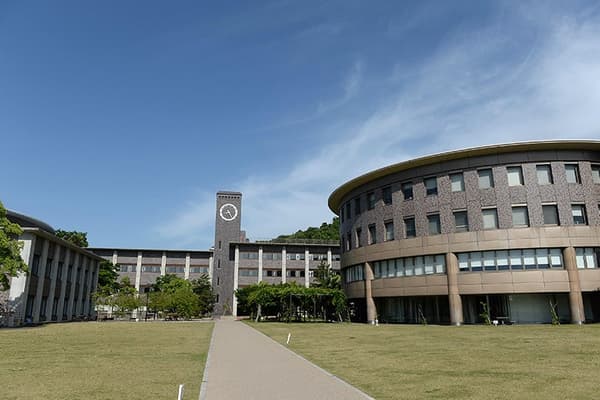
Ritsumeikan University College of Letters / Ritsumeikan Academic Center
In Kyoto, the thousand-year capital, the Ritsumeikan University College of Letters conducts education and research across the humanities, including literature, history, geography, thought, language and culture. It trains people who can contribute independently to solving problems facing people and society and to the development of the world.
Ritsumeikan Academic Center is a base for lifelong learning that runs 学びのプラットフォーム MIRAI, Ritsumeikan's platform for public lectures, lifelong learning, and recurrent and reskilling education. It offers programs such as 立命館オンラインセミナー and 京町家キャンパス講座.
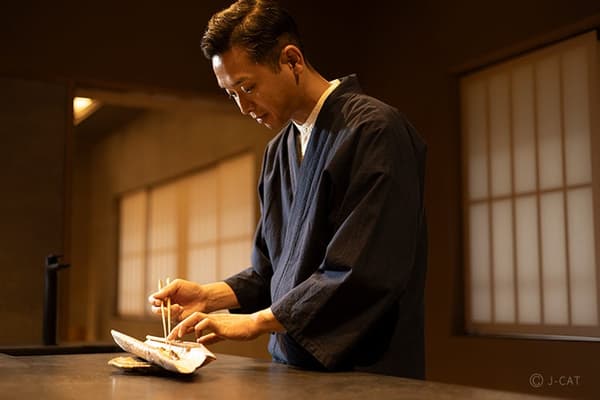
Atsushi Nakahigashi (Culinary Director and Chef)
Nakahigashi learned cooking under his father, Hisao Nakahigashi, owner of the Kyoto foraged-herb restaurant 草喰なかひがし. He served as deputy head chef and general manager at the New York shojin ryori (Buddhist vegetarian cuisine) restaurant Kajitsu. After returning to Japan, he began leading "One Rice One Soup" as a culinary director, reinterpreting Japanese food culture and the sense of the seasons in a contemporary way. Active in Japan and abroad, he also puts effort into passing food culture on to the next generation.
Experience Overview
Experience name: World Heritage Ninna-ji Temple: Touring a Stage of Literary History With a University Professor's Lecture – Dinner Course Reflecting the World of the Works Included
Price: From ¥155,555 per person (tax included; meal and free-flow drinks included)
Group size: 4 to 10 people (reservations accepted from one person; minimum 4 people required for the experience to run)
Dates and time: Irregular, 4:00 PM to 8:10 PM (about 250 minutes). First session: Wednesday, December 23, 2026
December lecture: Theme "court culture" (宮廷文化), taught by Professor Hongo (本郷真紹)
Eligibility and reservation deadline: Ages 12 and over (guests under 18 must be accompanied by a guardian). Reservations are accepted up to 21 days before the date of the experience.
Venue: Ninna-ji Temple, head temple of the Shingon Omuro school (33 Omuro Ouchi, Ukyo-ku, Kyoto)
Access: About a 3-minute walk from Randen Omuro-Ninnaji Station
Reservations and details: https://m.otonami.jp/4zF5bJR