Starting Saturday, August 29, 2026, Suigian — a cultural venue in Nihonbashi, Tokyo — is holding regular "Miko Taikenkai" (shrine maiden experience) sessions open to the general public, organized by the Japan Cultural Heritage Association (一般社団法人日本文化伝承協会; Representative Director: Nobuyuki Miyazawa; headquartered in Minato Ward, Tokyo).
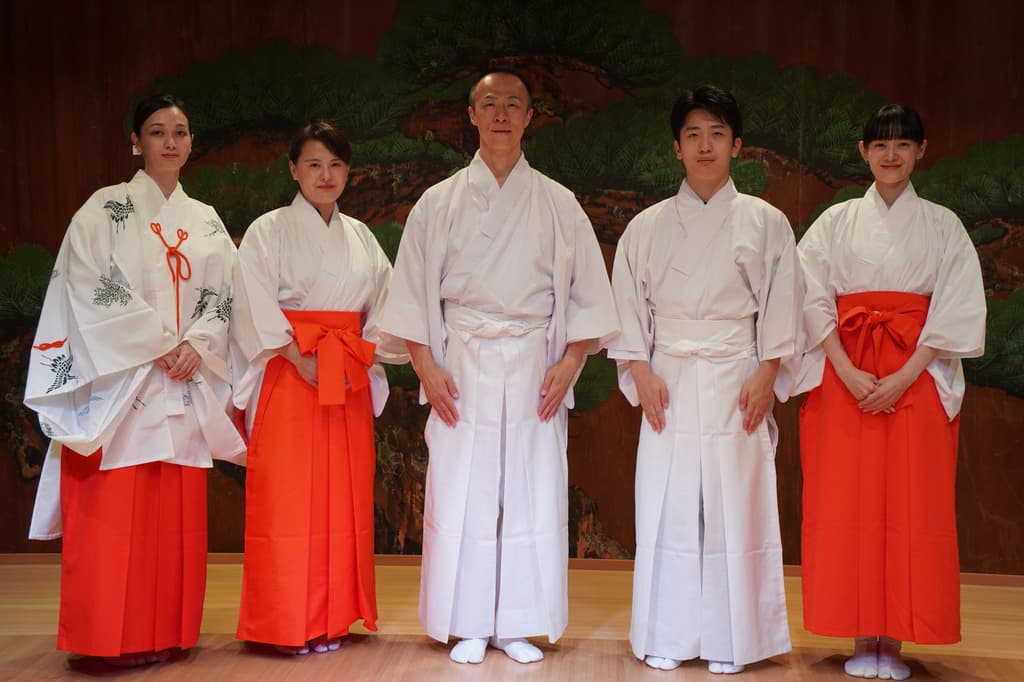
Participants wear the robes of Shinto priests and shrine maidens (miko) and experience the basic ideas of Shinto along with its bearing, manners, and dance firsthand.
Rather than learning about Japanese culture only as knowledge, the sessions place importance on an embodied understanding gained by moving the body and feeling with the heart, offering a chance to reconsider everyday bearing, how one relates to others, and the state of one's own mind.
Four Centuries of History, Experienced Firsthand
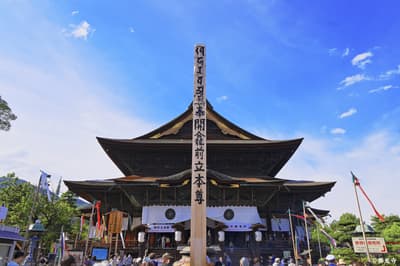
Suigian is a cultural venue in Nihonbashi, Tokyo, standing underground in the forest of Fukutoku Shrine — a shrine with more than 1,000 years of history — on the former site of Momokawa, a legendary restaurant once beloved by writers and artists.
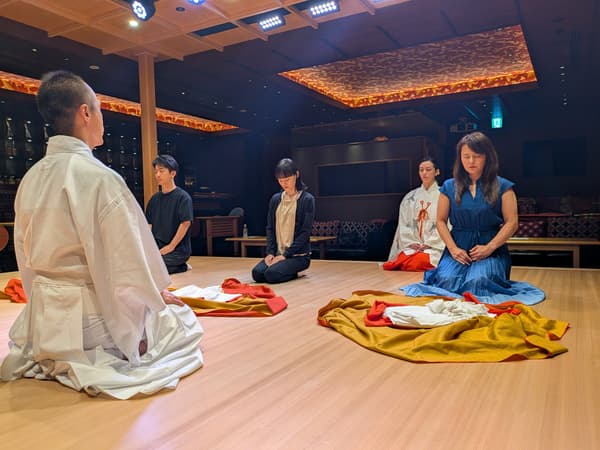
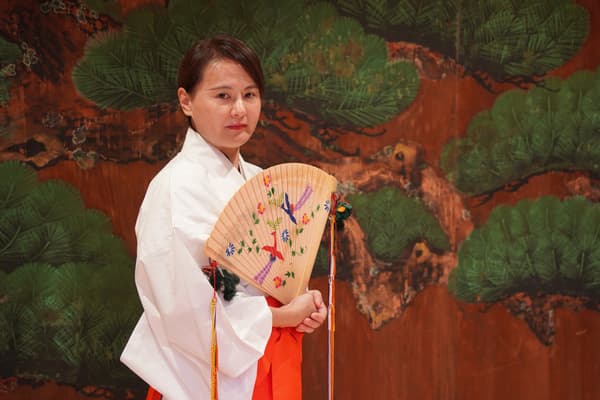
Its centerpiece is a stage measuring three ken square, built in the style of a Noh stage. Behind it stands a venerable kagami-ita backdrop painted with an old pine tree by a painter of the Kano school in the Edo period, said to have once stood at Nijo Castle in Kyoto before being relocated here.
Spanning roughly 400 years from the Edo period to the Reiwa era, it is a special space where visitors can experience an aesthetic sensibility handed down through the ages with all five senses, alongside traditional vessels, textiles, and ukiyo-e prints.
At the Miko Taikenkai held here, participants learn, through their own bodies, the ideas behind Shinto and the bearing of priests and shrine maidens that the Japanese have long valued.
Dressed in the robes, they practice each element of bearing, manners, and dance in turn. It's an experience that lets them touch the spirit of reverence and the meaning of prayer handed down through a long history, and carry it back into their everyday lives today.
Rather than only learning traditional culture as knowledge, participants move toward an embodied understanding felt through body and heart. The sessions welcome a wide range of participants regardless of experience or prior knowledge, from age 6 through the 90s (men are also welcome).
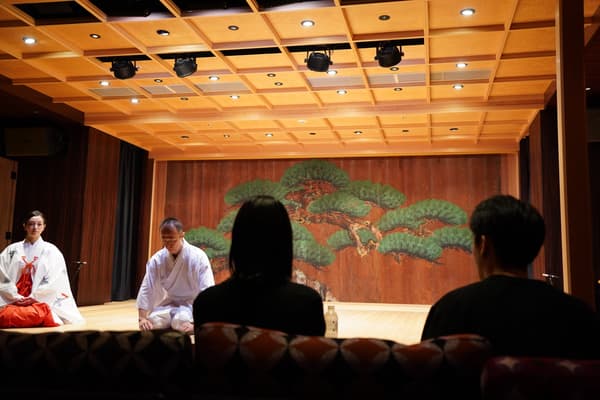
Shinto: A Source of Japanese Culture
The Japan Cultural Heritage Association views Shinto as one of the sources of Japanese culture, connected to the Japanese view of nature, spirituality, daily customs, annual events, and etiquette.
At the heart of Shinto culture are reverence for nature and unseen presences, a caring heart toward people and things, daily gratitude, and harmony with one's surroundings.
These are not confined to special places or occasions such as shrines and festivals.
Bowing with one's heart turned toward the other person. Keeping one's surroundings clean and orderly. Being grateful for the blessings of nature. Valuing the bonds one shares with people and things.
This spirituality connected to Shinto lives on even within these everyday practices.
The sessions deepen participants' understanding of Japanese culture by teaching this background through classroom-style learning, while also having them feel it physically through bowing, purification rites, dance, and more.
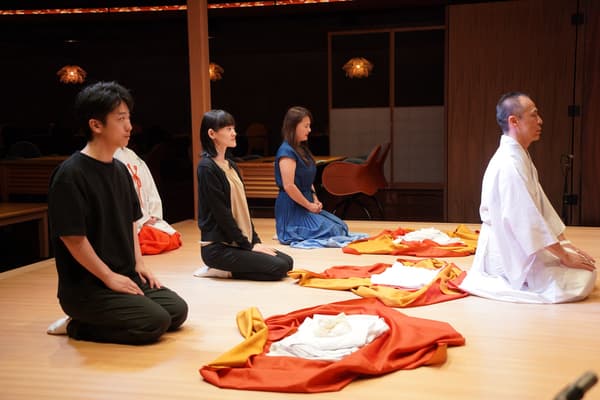
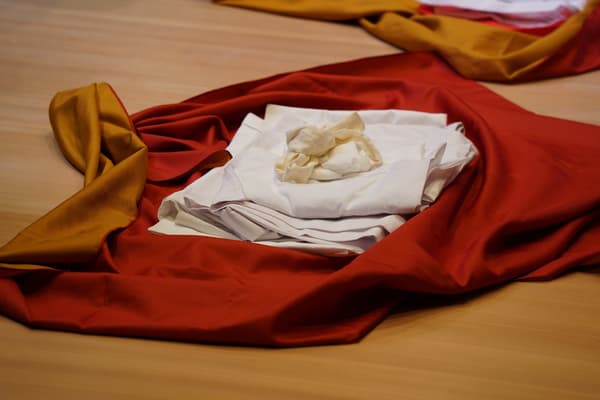
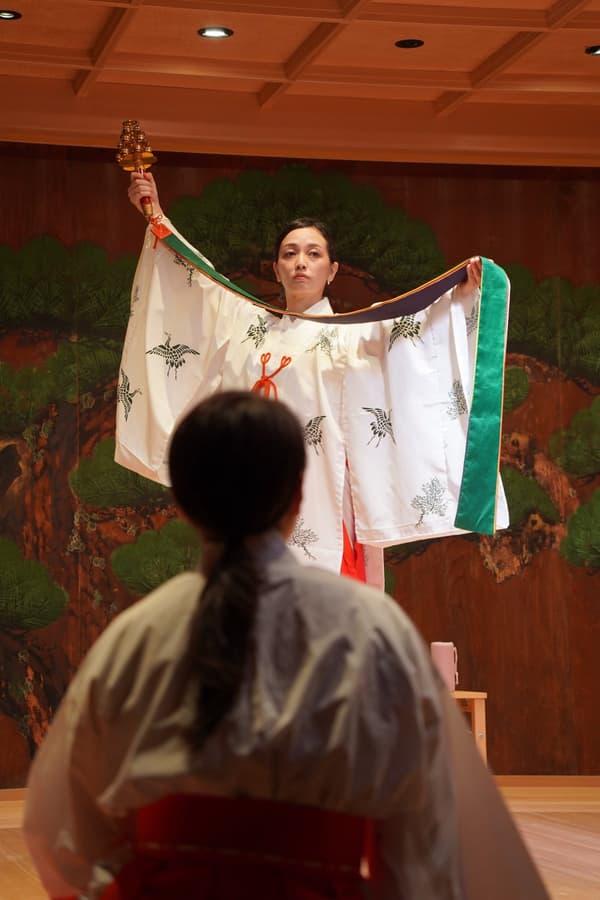
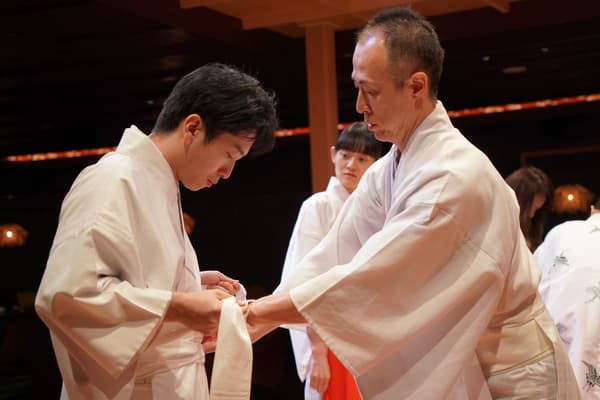
From Knowledge to Embodied Understanding: Learning With the Body Is What Stays With You
What the Japan Cultural Heritage Association values isn't only "knowing" something intellectually, but experiencing it directly and understanding it with both body and mind.
Standing with a straight back. Bowing with one's heart turned toward the other person. Steadying the breath and dancing quietly.
Practicing each of these movements one by one brings insights that words or video alone can't provide.
The association calls this kind of learning, accompanied by physical sensation, "embodied understanding."
The aim of the sessions is not only to acquire beautiful bearing, but to feel the prayer, courtesy, gratitude, and reverence behind it, and to bring one's own mind and heart into order.

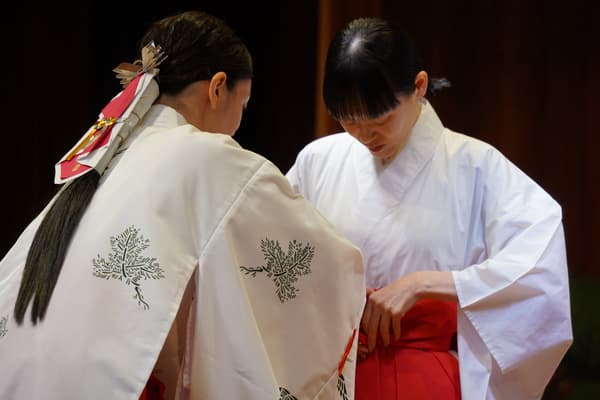
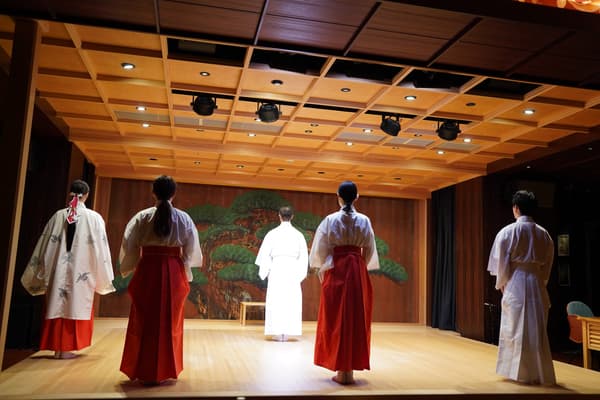
"Shinto-ism": Bringing Enjoyment and Richness to Everyday Life
Japanese culture isn't something to be appreciated only on special occasions.
The Japan Cultural Heritage Association proposes bringing the wisdom and spirituality that live within the culture into daily life, an approach it calls the "everyday use of Japanese culture."
Respecting others. Being grateful for daily blessings. Keeping one's surroundings in order. Living each present moment carefully. Recognizing different values in one another and valuing harmony.
The association calls the idea of enjoyably practicing this Japanese cultural spirituality in modern life "Shinto-ism" (神道イズム).
The sessions aim to have participants carry the learning and insights they gain back into each of their own everyday settings, whether at home, school, work, or in the community.
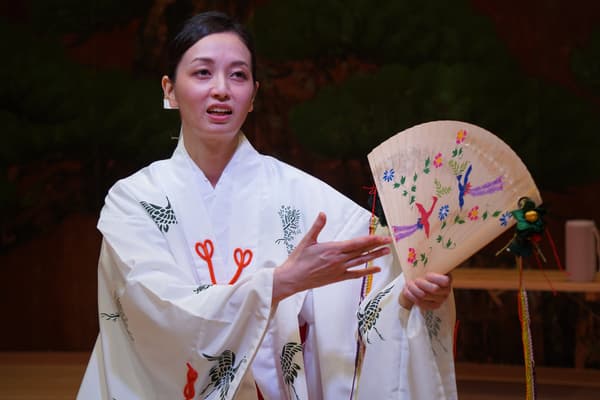
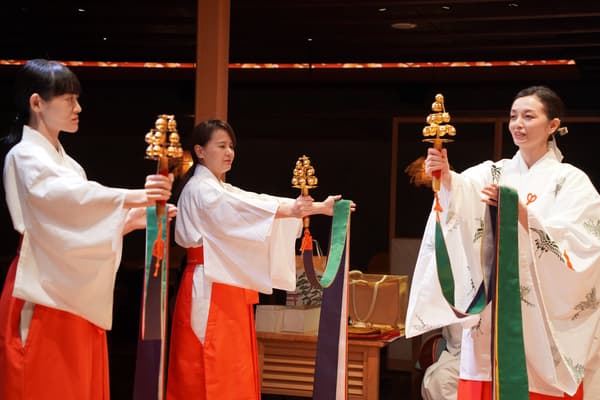
What the Session Includes
On the day, participants experience the following, with explanations and demonstrations from an instructor:
- A basic lecture on Shinto and shrine culture
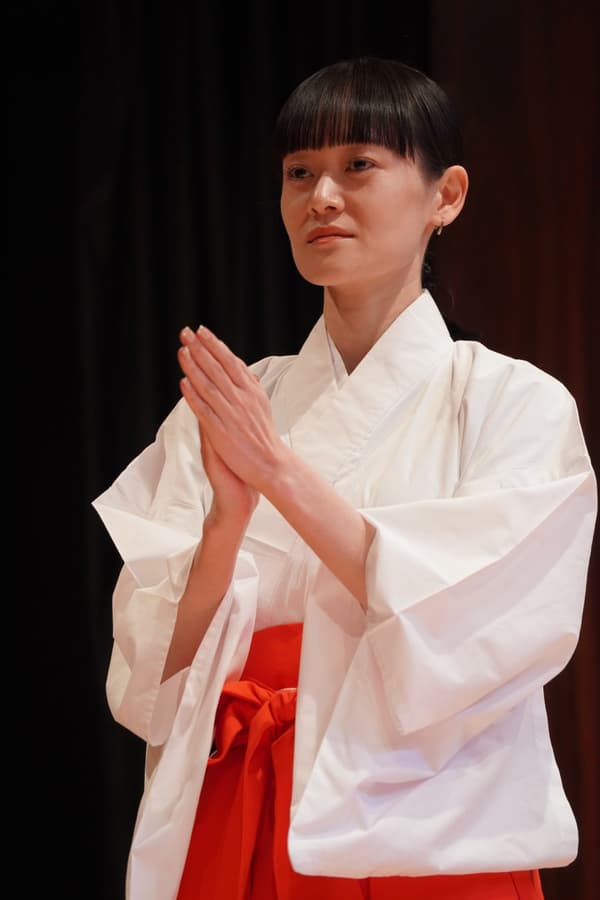
- Dressing in Shinto priest and miko robes
- Correct posture, standing, walking, and bowing etiquette
- The formal way to worship at a shrine
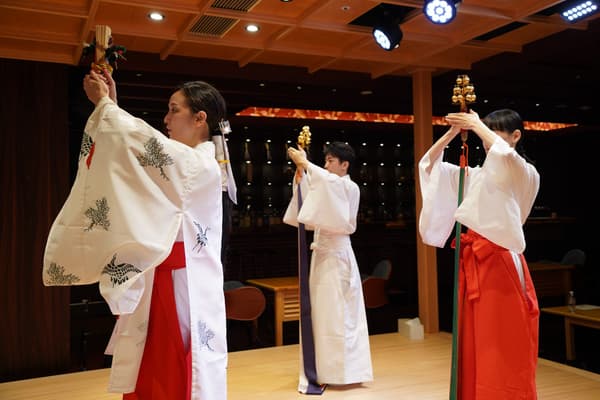
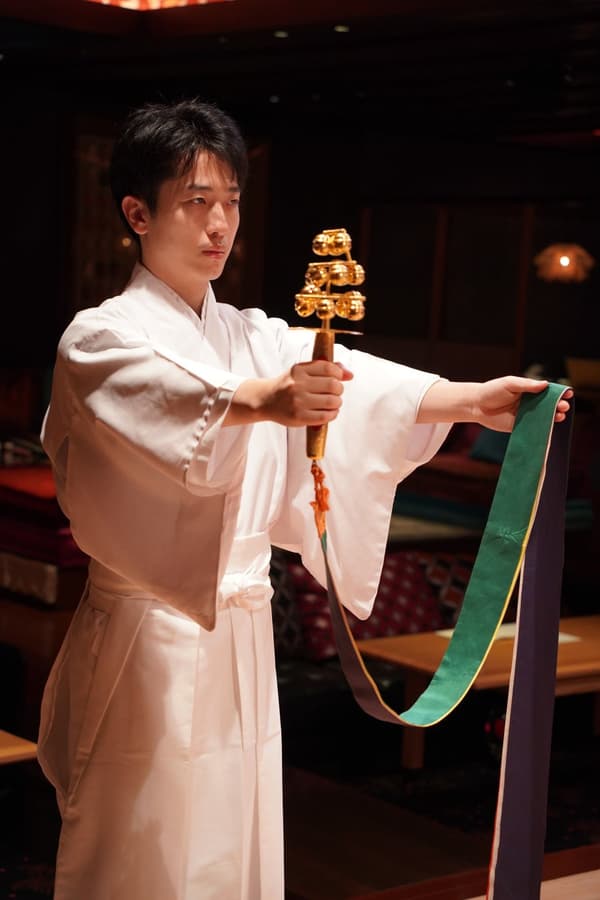
- The basic movements of miko dance
- A commemorative photo
Who This Is For
- Those who want to step away from a busy daily life and take time to settle their mind and body
- Those who want to learn the formal way to worship at a shrine, something many people think they know but don't
- Those who want to try a special experience rooted in the source of Japanese culture, unlike anything in everyday life
- Those who want to wear the robes of a Shinto priest or shrine maiden and experience the bearing, manners, and dance for themselves
- Those who want to learn, through their body, the spirituality the Japanese have valued since ancient times
- Those who want a memorable experience together with a parent and child, spouse, partner, or friend
Event Details
- Name: Suigian "Shinto Priest and Miko Experience"
- First session: Saturday, August 29, 2026 (from then on, sessions are generally planned for the last Saturday of each month)
- Time: 1:00 PM – 4:00 PM
- Reception opens: 12:30 PM
- Venue: Suigian
- Address: Fukutoku no Mori B1F, 2-5-10 Nihonbashi Muromachi, Chuo-ku, Tokyo 103-0022
- Eligibility: Ages 6 and up, through the 90s (men are also welcome; participants in their 90s have taken part)
- Capacity: 8 people per session
- Price: ¥12,000 (tax included)
- Price includes: Rental of the full set of robes, dressing, instruction, the various experiences, and a commemorative photo
- What to bring: White tabi socks, an inner layer to wear under the robes, and writing materials
- How to apply: Apply via the website below
- Application URL: https://www.mikoken.jp/
- Application deadline: Up to 3 days before each session date (registration closes once capacity is reached)
- Organizer: Japan Cultural Heritage Association (一般社団法人日本文化伝承協会)
- Cooperation: Suigian