Summary
Cherry blossoms are at their best in Kyoto in spring. I stayed at La'gent Hotel Kyoto Nijo for one night and spent two full days exploring the city -- Arashiyama and the Nijo area on Day 1, then the eastern side of Kyoto on Day 2. This itinerary covers cafes, temples, cherry blossom spots, and plenty of sweets along the way.
Kyoto's cherry blossoms typically peak in late March to early April. If you're planning a spring trip, try to time your visit around that window. The exact dates shift each year, so check the latest sakura forecast a few weeks before you go.
*Please note that information and prices listed are subject to change.
Day 1: Arashiyama and Nijo
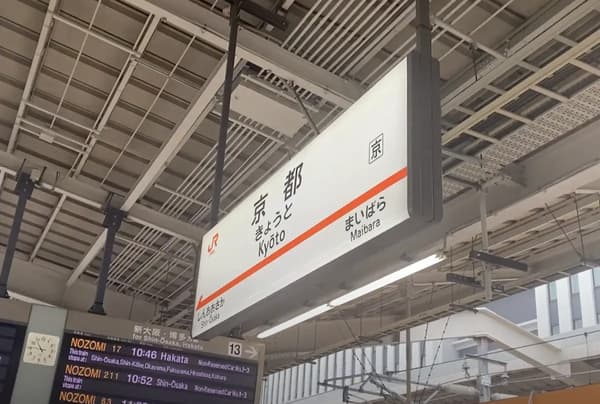
11:08am Kyoto Station (京都駅)
This trip starts from Kyoto Station! We took the JR Sagano Line (San-in Line) to Arashiyama. The ride takes about 15 minutes and costs 240 yen.
A quick tip: if you're planning to ride buses and subways throughout the day, pick up a Subway & Bus 1-Day Pass (1,100 yen for adults, 550 yen for children) at the station. For Day 1 though, the JR line to Arashiyama is the fastest option.
11:19am Saga-Arashiyama Station (嵯峨嵐山駅)
Head to the cafe at Saga-Arashiyama Station. There are many Japanese sweets shops and kimono rental places in the area between the station and the bamboo grove.
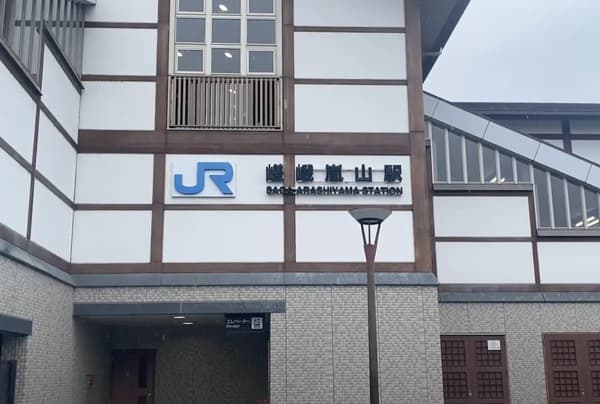
The walk from Saga-Arashiyama Station to the main Arashiyama area takes about 10 to 15 minutes. Along the way you'll pass small cafes, croquette shops, and fortune tellers. The atmosphere here is calmer than the area around Randen Arashiyama Station, which tends to get more crowded.
11:30am Yojiya Cafe Sagano-arashiyama Store (よーじやカフェ 嵯峨野嵐山店)
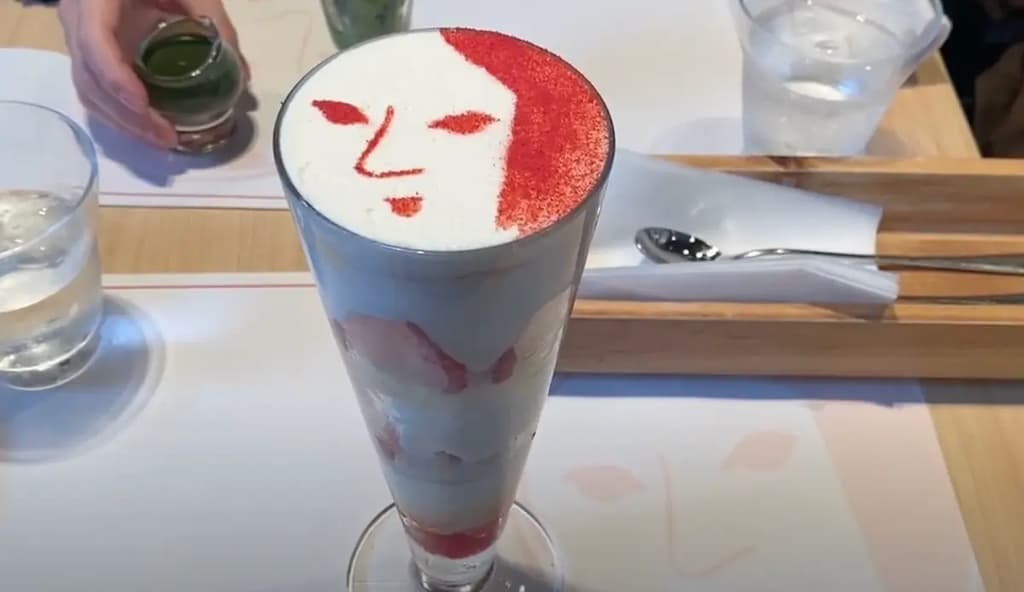
I went to the very popular Yojiya Cafe! I waited about 30 minutes to get in -- if you arrive before 11am, the wait is usually shorter.
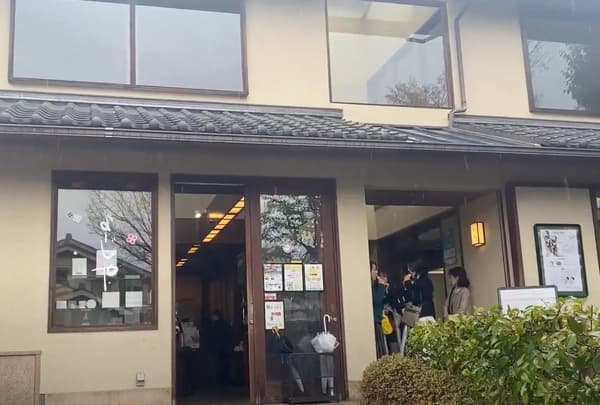
Order from your phone

Shortcake parfait
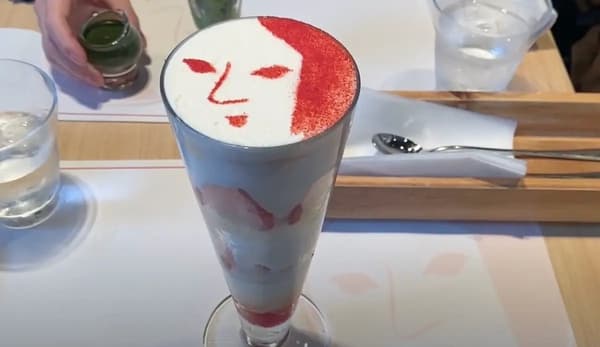
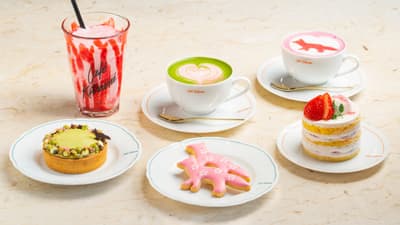
Yojiya is originally known for its aburagami (oil blotting paper), and their cafe serves pasta, omelette rice, and sweets. The parfaits are particularly good here -- they change the menu depending on the season, so in spring you might find sakura-flavored options.
1:00pm Bamboo Forest Path (竹林の小径)
It was raining, but we went to the famous Arashiyama spot anyway! The cool air inside the bamboo grove felt refreshing.
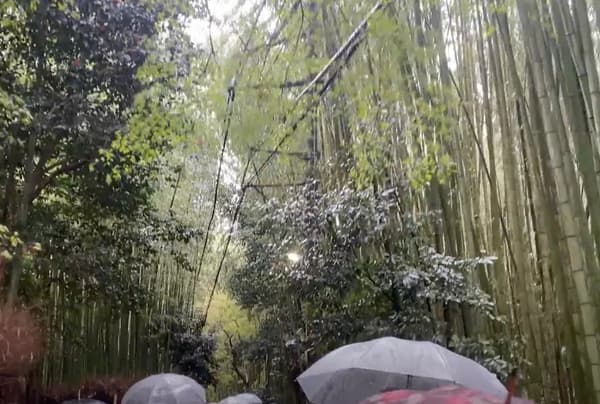
The bamboo grove has been popular since the Heian period, when nobles built their villas nearby. Early morning (before 8am) is the best time for photos with fewer people. The bamboo blocks most of the sunlight, so it stays cool even on warm spring days. In the evening during certain seasons, the path is lit up -- worth checking if any illumination events are running during your visit.
If you want a guided walk through the area, there's an Arashiyama walking tour that covers the bamboo grove, nearby temples, and some lesser-known spots:
1:30pm Togetsu-kyo Bridge (渡月橋)
The bridge was packed with visitors. During cherry blossom season, the view from Togetsu-kyo is especially good -- pink sakura line both sides of the Katsura River, and the Arashiyama mountains sit in the background.
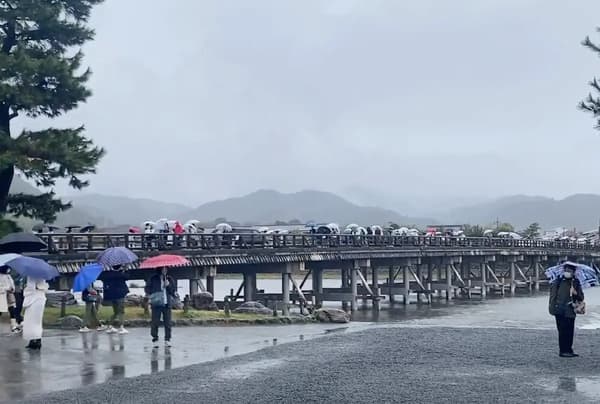
The power of the river!

Togetsu-kyo Bridge spans the Katsura River and is one of Arashiyama's most recognizable landmarks. Rental bicycles are available nearby if you want to explore the riverside at your own pace.
Want to capture your Arashiyama visit with professional photos? A private photoshoot can be booked in the area:
2:50pm Saga-Arashiyama Station (嵯峨嵐山駅)
Return to Saga-Arashiyama Station and take the JR line to Nijo Station. The ride is less than 10 minutes.
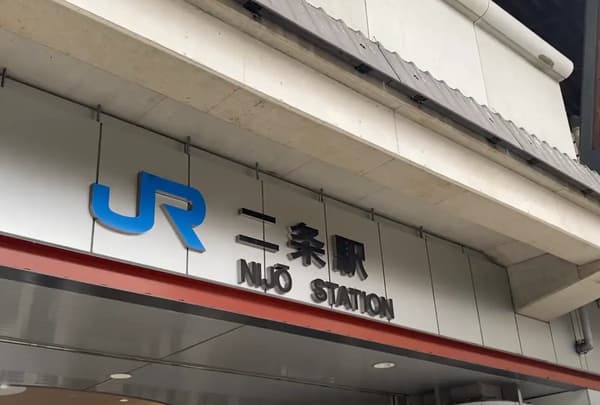
3:00pm Nijo Station (二条駅)
The hotel we stayed at is located right near Nijo Station -- very convenient for this part of the trip.
3:10pm La'gent Hotel Kyoto Nijo (ラ・ジェント・ホテル京都二条)
About a 7-minute walk from the station. The hotel has a clean, modern look with Japanese design touches throughout.

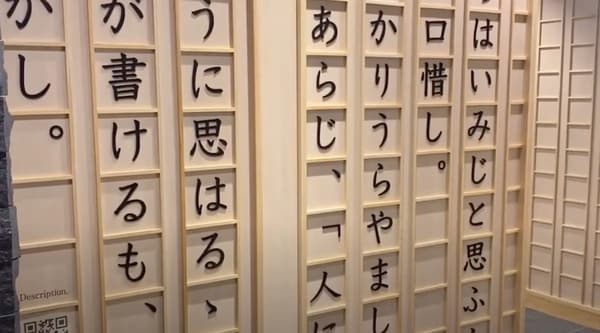
Lobby details
Sentences from "Tsurezuregusa" (a classic Japanese essay collection from the 14th century) are displayed on the walls of the lobby. Small details like this give the hotel a distinctly Kyoto feel.
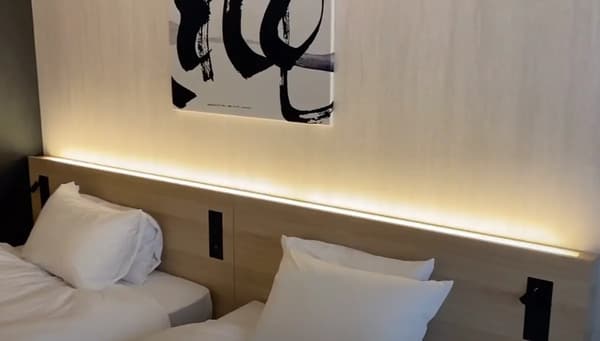
Twin room
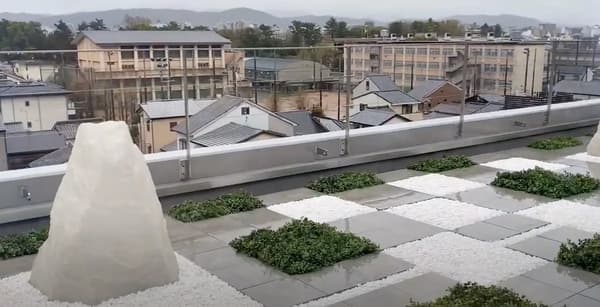
Some rooms have balconies
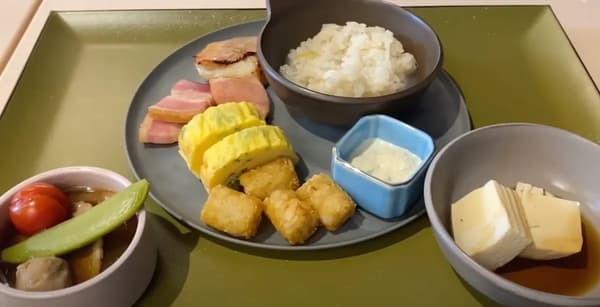
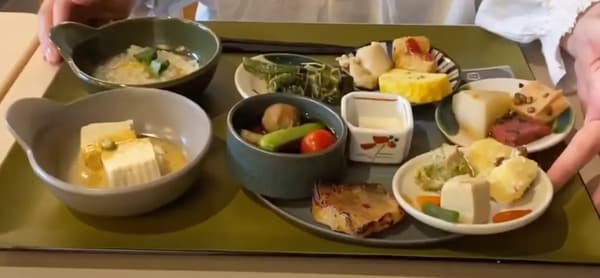
The rooms are well-equipped, and the hotel also has a large public bath (onsen-style) -- a welcome treat after walking around Arashiyama all day. The breakfast buffet the next morning was one of the highlights of the stay, with a mix of Japanese and Western options.
6:00pm Nijo Castle (二条城)
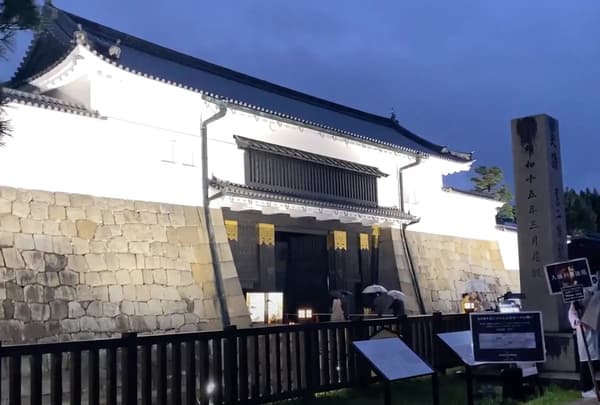
A 10-minute walk from the hotel brings you to Nijo Castle, a UNESCO World Heritage site. Normally the grounds close at 5pm, but during spring, Nijo Castle holds special evening events and cherry blossom illuminations. The castle grounds have about 300 cherry trees of 50 different varieties, and the nighttime lighting during sakura season creates a completely different atmosphere from daytime visits. Check the official Nijo Castle website for current event schedules before you go.
For more things to see and do around the Nijo Castle and Karasuma-Oike area, check out this guide:
If you're up for exploring the local nightlife scene after dinner, a guided bar-hopping tour in the Nijo and Karasuma area is a fun way to end the evening:
Back at the hotel
After the evening walk, we headed back to the hotel for a soak in the public bath and an early night before Day 2.
Day 2: Eastern Kyoto and Cherry Blossoms
8:30am Breakfast at La'gent Hotel
We fueled up at the breakfast buffet -- the spread included Kyoto-style pickles, miso soup, grilled fish, and freshly baked bread. Properly fed, we checked out and stored our bags at the front desk (the hotel holds luggage for free after checkout).
9:30am Philosopher's Path (哲学の道)
We took the Tozai Line subway from Nijo directly to Keage Station (about 15 minutes, no transfer needed). From Keage, it's a short walk to the southern end of the Philosopher's Path.
This stone-paved canal path runs about 2 kilometers from Nanzen-ji in the south to Ginkaku-ji (Silver Pavilion) in the north. In spring, hundreds of cherry trees form a canopy over the canal -- the walk is one of the most popular sakura strolls in Kyoto. We walked slowly northward, stopping constantly to take photos.
The path isn't crowded in the early morning, so starting before 10am is a good call.
10:45am Ginkaku-ji / Silver Pavilion (銀閣寺)
At the northern end of the Philosopher's Path, we visited Ginkaku-ji. The admission is 500 yen. The moss garden and sand garden here are worth taking your time to look at -- the "Sea of Silver Sand" cone and raked sand patterns are unlike anything else in Kyoto. The view from the hillside trail at the back of the temple grounds looks out over the entire property and the eastern hills of the city.
12:00pm Lunch in the Gion Area
We took a bus from Ginkaku-ji south to Gion (bus #100 or #203, about 15 minutes). Gion has dozens of lunch options -- we picked a small udon restaurant on a side street off Hanami-koji. Kyoto-style udon tends to have a lighter, sweeter broth than what you find in Tokyo or Osaka.
Walking through Gion in the early afternoon, you might spot maiko (apprentice geisha) heading to appointments. Spring is also the season for Miyako Odori, the traditional dance performance by Gion's maiko and geiko, held each April at Gion Kobu Kaburenjo Theater.
1:30pm Yasaka Shrine and Maruyama Park (八坂神社・円山公園)
A few minutes' walk from central Gion brings you to Yasaka Shrine, which serves as the gateway to Maruyama Park behind it. In spring, the park's famous weeping cherry tree (shidarezakura) draws large crowds. The tree is lit up at night during sakura season, but even during the day it makes quite an impression. We grabbed matcha soft-serve from a stall and sat on the grass to enjoy the blossoms.
2:30pm Kiyomizu-dera (清水寺)
From Maruyama Park, we walked south along Ninenzaka and Sannenzaka -- two narrow, atmospheric lanes lined with souvenir shops, pottery stores, and tea houses. The uphill walk takes about 20 minutes and leads straight to Kiyomizu-dera.
The entrance fee is 400 yen. The main hall's wooden stage offers a wide view over the city and, in spring, the surrounding cherry and maple trees add layers of pink and green to the scene. We spent about 45 minutes here.
3:30pm Walk back to Kyoto Station
We walked back downhill through the Higashiyama streets, picking up yatsuhashi (Kyoto's famous cinnamon-flavored rice cake sweets) as souvenirs. From the Kiyomizu area, you can catch bus #100 or #206 back toward the hotel to pick up our stored luggage. After collecting our bags, we hopped on the subway back to Kyoto Station -- the whole wrap-up took about 30 minutes.
Cherry Blossom Tips for Kyoto
If you're visiting for cherry blossoms, here are a few things worth knowing:
- Peak bloom timing: Usually late March to early April. The exact dates vary by a week or more each year -- check the Japan Meteorological Corporation's sakura forecast (released from January onward) for the latest predictions.
- Best spots on this itinerary: Philosopher's Path, Maruyama Park, Nijo Castle grounds, and the Arashiyama riverside near Togetsu-kyo Bridge.
- Beat the crowds: Start your day early. Popular spots like the Philosopher's Path and bamboo grove are noticeably quieter before 9am.
- Hanami (flower viewing): Maruyama Park is the go-to spot for a picnic under the cherry trees. Street vendors sell snacks and drinks around the park during sakura season.
For more on what to do in Kyoto during spring and cherry blossom season, take a look at our April guide:
Getting Around Kyoto
Kyoto's public transit system is straightforward once you get used to it.
- Trains: The JR line and two subway lines cover the main areas. JR is best for reaching Arashiyama; the subway works well for Nijo, Karasuma, and eastern Kyoto.
- Buses: Kyoto's bus network reaches just about everywhere, but buses can be slow during peak tourist season. Use trains when you can and buses for the last stretch.
- Subway and Bus 1-Day Pass: 1,100 yen for adults. Worth it if you plan to take 4 or more rides in a day. Available at subway station ticket machines and bus information centers.
- Walking: Many of Kyoto's best areas are walkable clusters. In Arashiyama, Gion-Higashiyama, and around Nijo, you can cover the main sights on foot.
Enjoy your trip to Kyoto!
![Hiroshima Prefecture] Spring Stroll in Onomichi! A one-day trip to cherry blossom viewing spots and superb gourmet food](https://assets.hldycdn.com/cdn-cgi/image/format=webp,quality=75,width=400/articles/4eeb57_c77bd217ac994b9e9b89c956f7a14afe~mv2.webp)