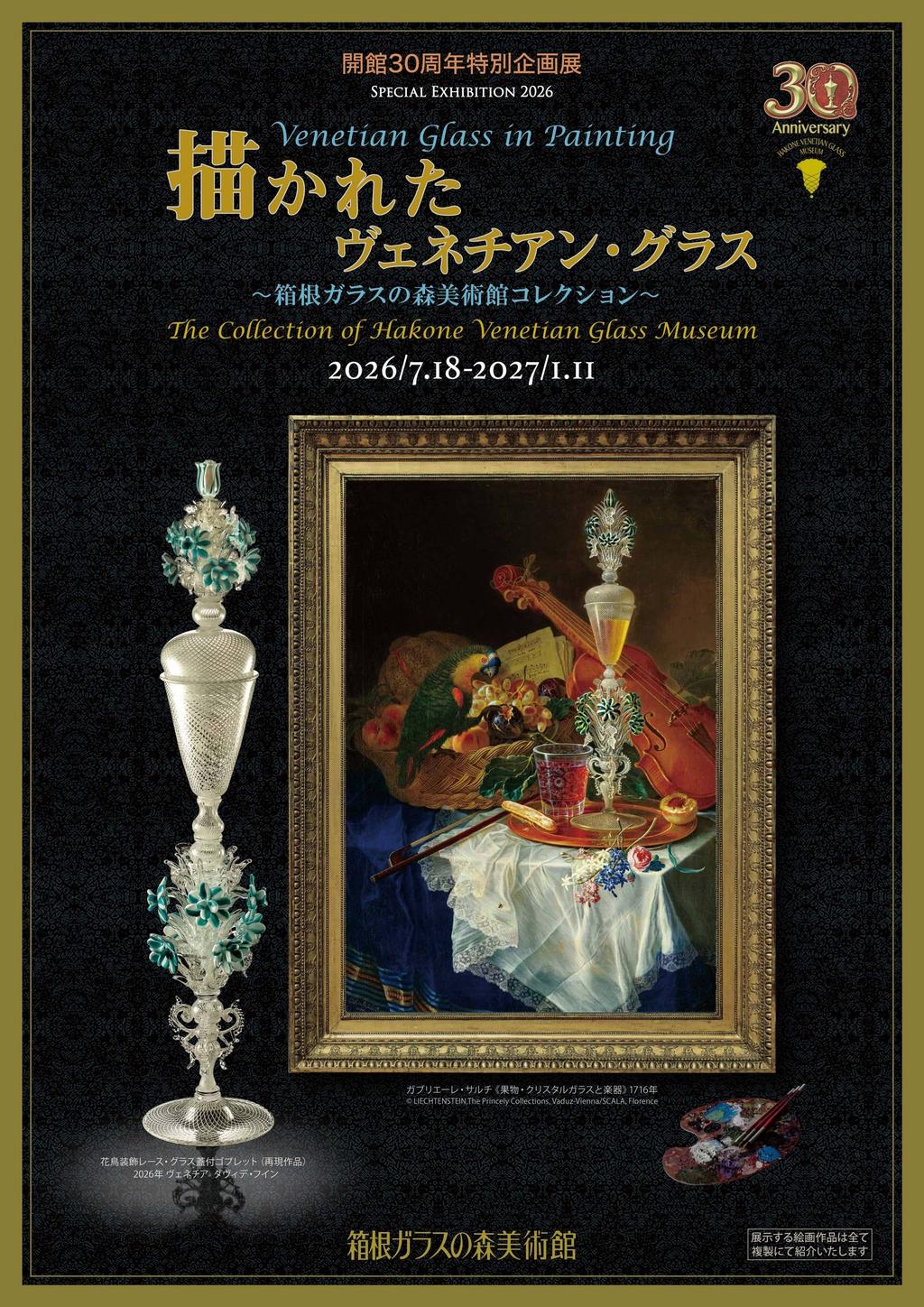
All paintings introduced in this exhibition are displayed as reproductions.
Marking its 30th anniversary in August 2026, Hakone Garasunomori Museum will hold the special exhibition "Venetian Glass in Paintings: Hakone Garasunomori Museum Collection" from July 18, 2026 (Saturday) through January 11, 2027 (Monday, public holiday), with no closures during the period.
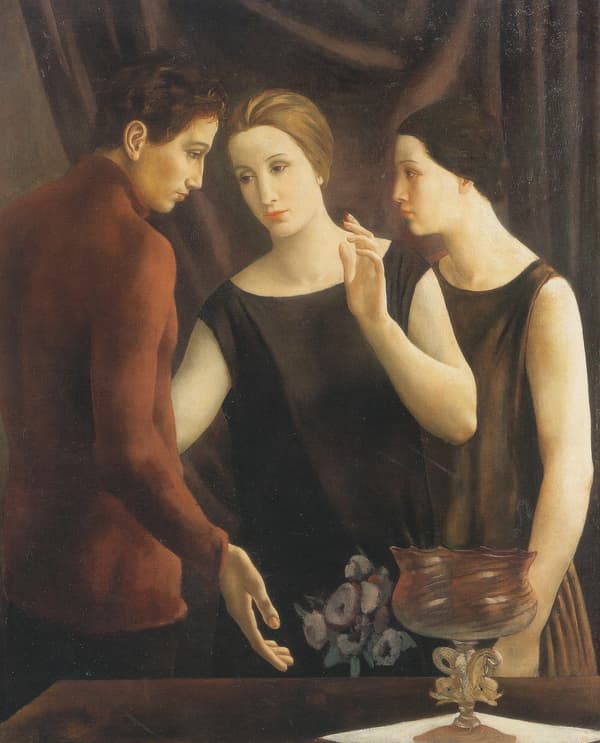
Glass has accompanied humanity for approximately 4,000 years. Throughout history, painters around the world have been captivated by its mysterious transparency and shimmering light, depicting glassware in many of their celebrated works. The exhibition follows the history of craft through "Venetian glass depicted in Western paintings," presenting approximately 100 masterpieces from the museum's collection alongside 22 reproduction paintings from a fresh perspective.
Two Major Highlights for the 30th Anniversary
1. Leonardo da Vinci's Imaginary "Phantom Vase" Recreated by a Modern Master
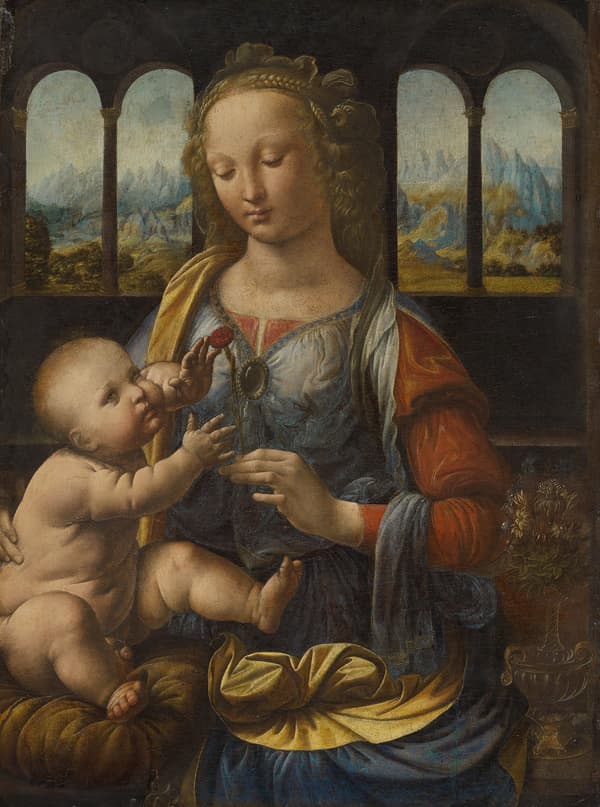
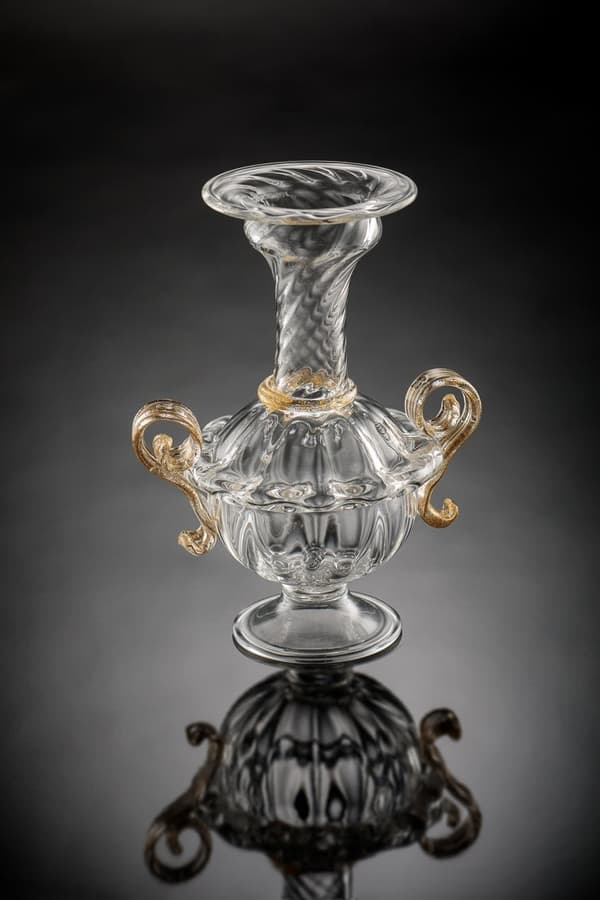
In Leonardo da Vinci's Madonna of the Carnation (c. 1475), a colorless, transparent vase appears beside the figure—a vessel widely considered to be one da Vinci imagined but that would have been impossible to produce with the technology of his time.
For this exhibition, five historical works including this phantom vase have been recreated. The recreations were made under the supervision of glass craft historian Rosa Barovier Mentasti and with the special cooperation of Davide Fuin, a maestro glassblower from Murano Island, Venice.

2. Free Audio Guide Narrated by VTuber Juufuutei Raden
To help visitors explore the exhibition more deeply, Juufuutei Raden—a VTuber affiliated with hololive production who holds a museum curator certification—will narrate the audio guide (10 tracks, approximately 15 minutes total).
The guide is accessible free of charge on visitors' own smartphones at the venue throughout the exhibition period.
Exhibition Structure (5 Chapters)
The exhibition traces the full story of Venetian glass through paintings—from its origins to its golden age, and through its decline and eventual revival.
Chapter 1: Painters Who Fell in Love with Venetian Glass
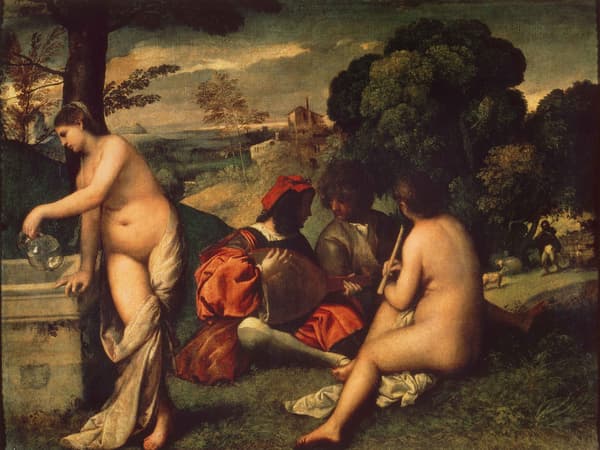
Tracing the history of "painted glass" reveals how artists were drawn to the mysterious nature of glass, repeatedly reaching for their brushes to capture its transparency and shimmering light. Above all, what captivated them most was the delicate, elegant, and radiant Venetian glass. This opening chapter sets the stage for a journey through the Venetian glass that painters fell in love with.
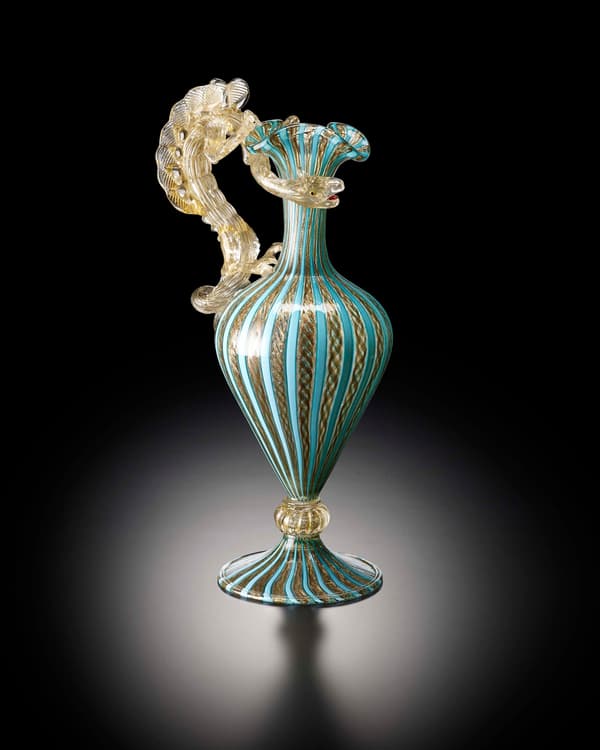
Chapter 2: The Golden Age of Venetian Glass (Mid-15th to 16th Century)
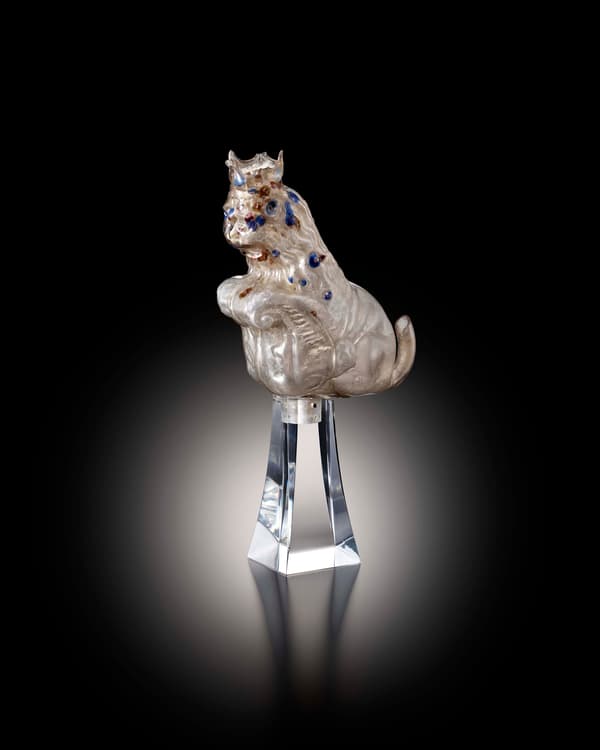
In the mid-15th century, Venetian glassmakers succeeded in creating cristallo—a high-purity, colorless, transparent glass—making Venetian glass the envy of European royalty and aristocracy. This chapter features Renaissance-era paintings depicting Venetian glass alongside masterpieces from the museum's 15th–16th century collection.
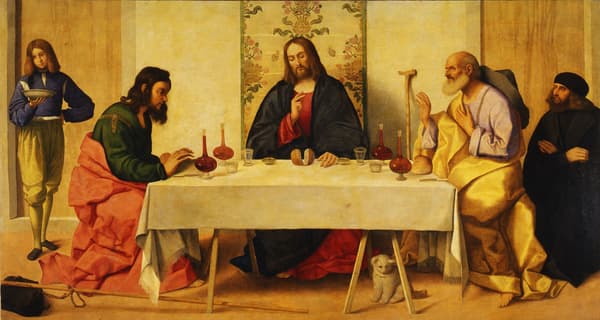
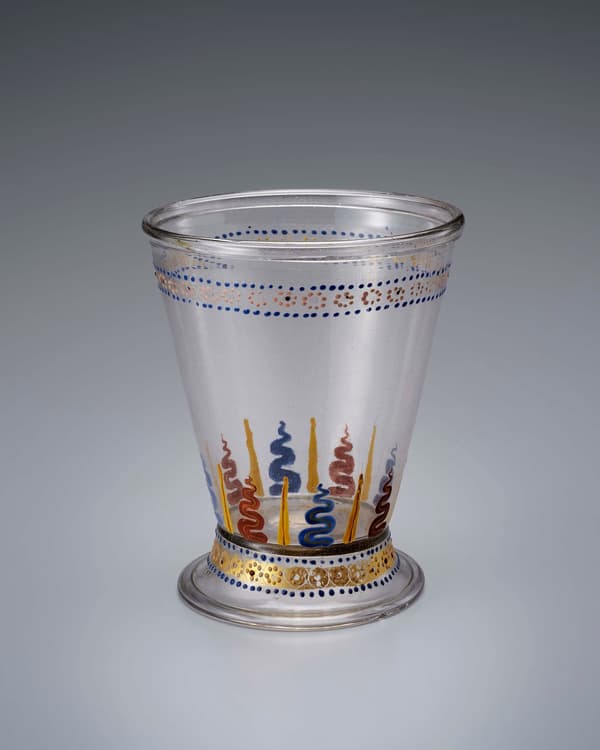
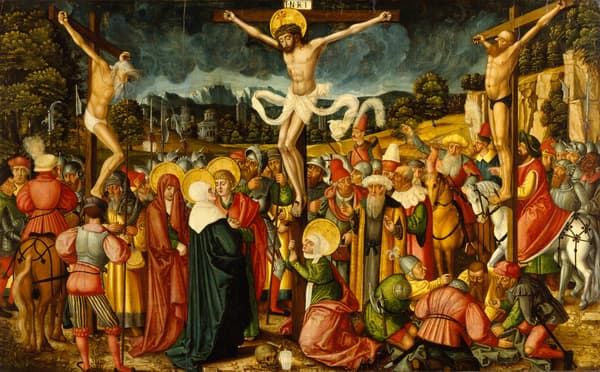
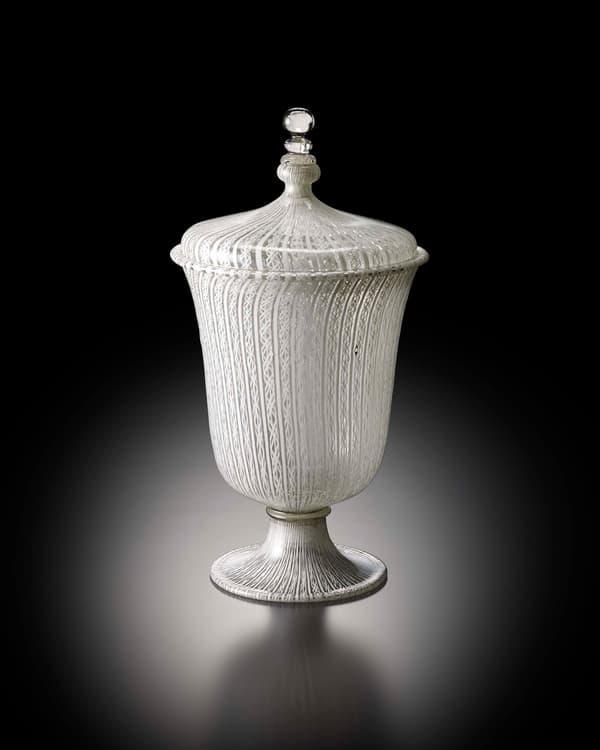
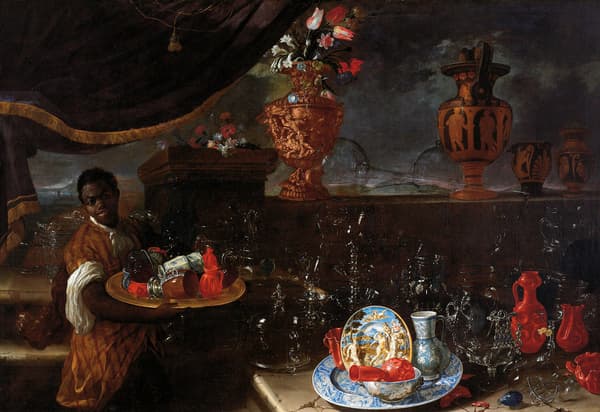
Chapter 3: Venetian Glass in Still Life Paintings (17th–18th Century)
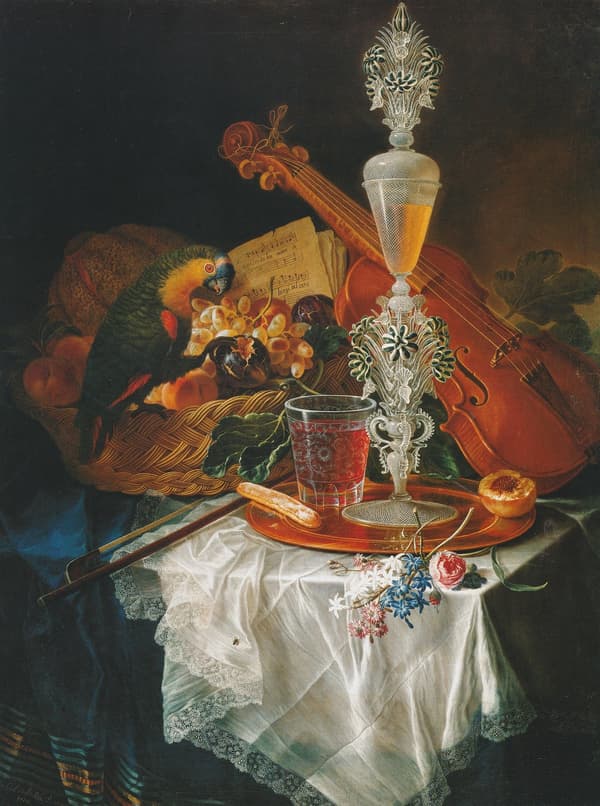
From the 17th century onward, the Netherlands saw a rise in the "still life" genre of painting, combining natural objects such as flowers and fruit with man-made items like metalware and glassware. Façon de Venise (Venetian-style) glass appeared frequently in these works. This chapter presents Venetian glass as depicted in still life paintings from the museum's collection.
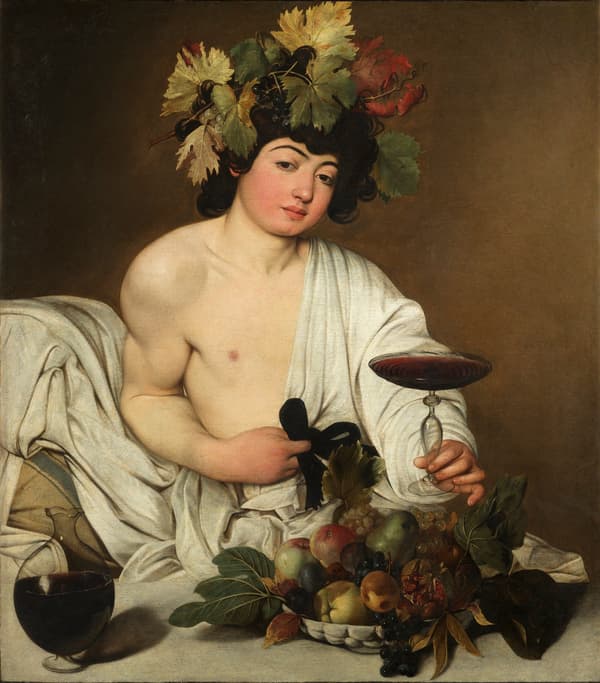
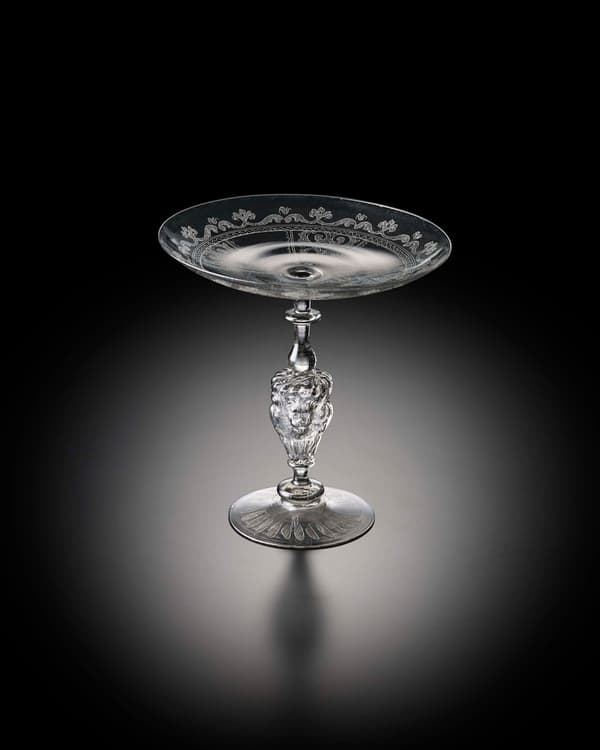
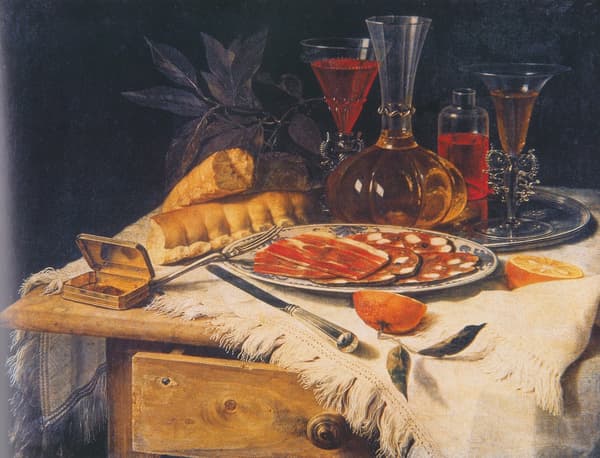
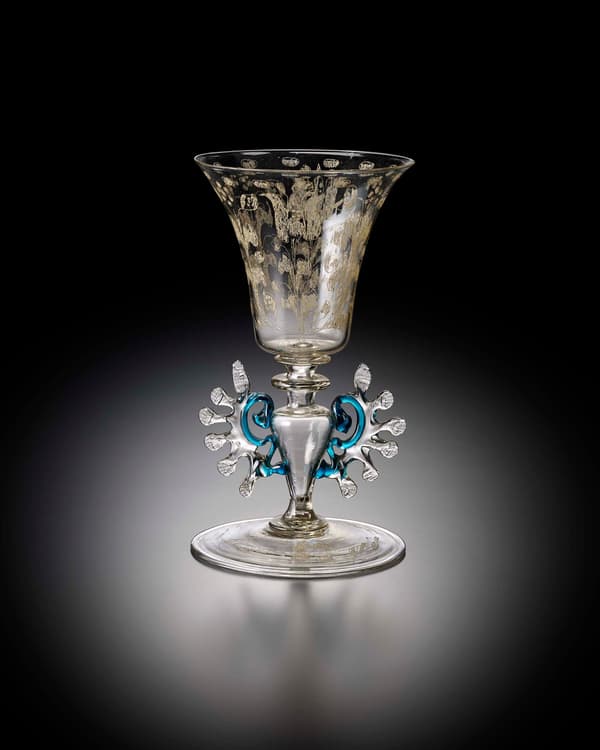
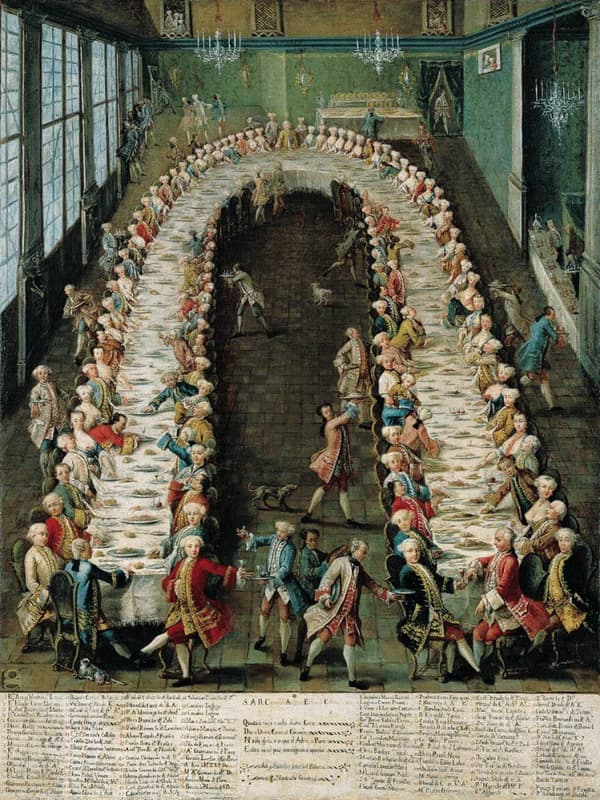
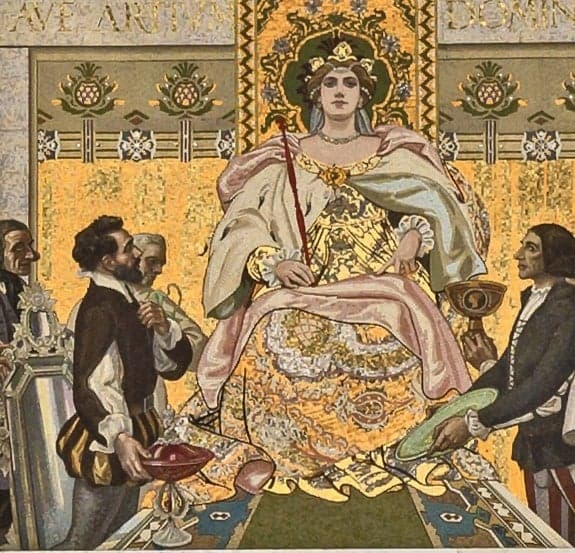
Chapter 4: Venetian Glass in Celebration Banquets
As a flourishing hub of East-West trade, the Republic of Venice hosted lavish banquets to entertain dignitaries from many nations. This chapter pairs paintings of Venetian celebrations with glassware from the museum's collection that graced these magnificent feasts.
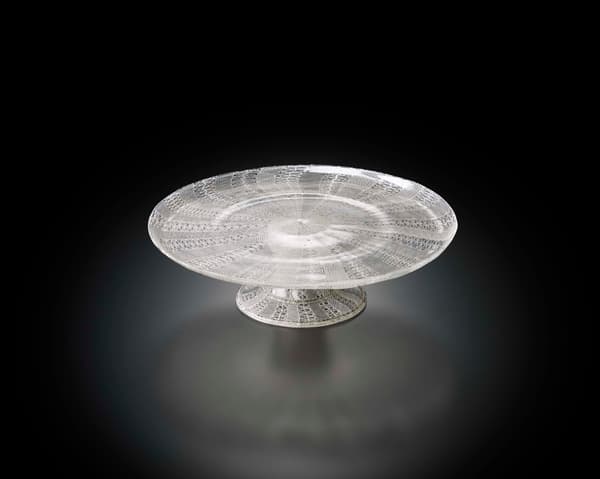
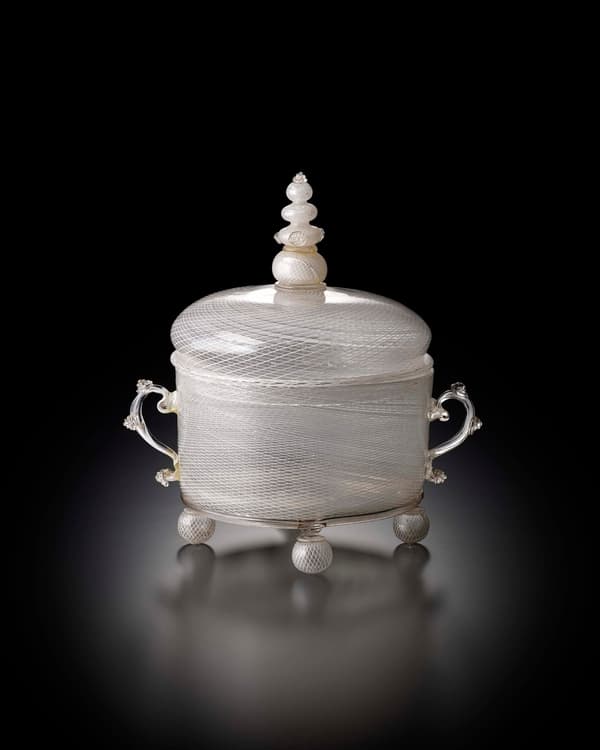
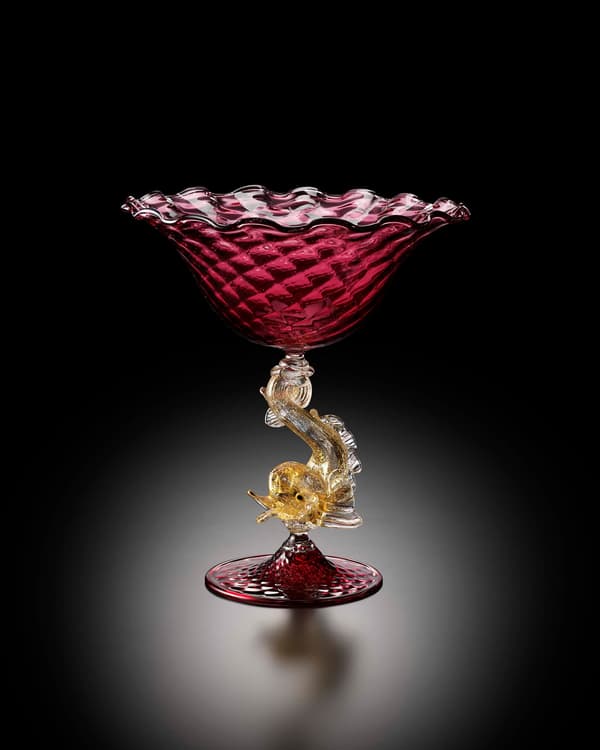
Chapter 5: The Decline and Revival of Venetian Glass (19th–20th Century)
The fall of the Republic of Venice at the end of the 18th century brought the glassmaking industry on Murano Island to the brink of collapse. Two key figures emerged in Antonio Salviati and Vincenzo Zanetti, who breathed new life into Venetian glass and helped modernize the industry. This final chapter features Venetian glass from the 19th century onward, reflecting the revival of Murano Island's glassmaking heritage.
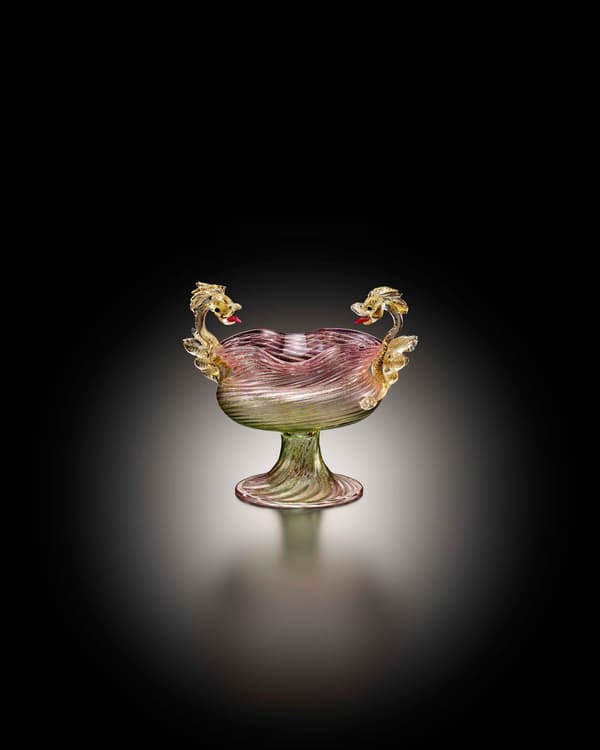
Exhibition Overview
Title: Venetian Glass in Paintings: Hakone Garasunomori Museum Collection
Period: July 18, 2026 (Saturday) to January 11, 2027 (Monday, public holiday) — Open throughout, no closures
Organized by: Hakone Garasunomori Museum, Mainichi Newspapers
Supported by: Embassy of Italy, Istituto Italiano di Cultura, Fondazione Musei Civici di Venezia, Hakone Town
Exhibition Website: https://www.hakone-garasunomori.jp/event/exhibition_2026/
Hakone Garasunomori Museum
Address: 940-48 Sengokuhara, Hakone Town, Ashigarashimo District, Kanagawa Prefecture 250-0631
TEL: 0460-86-3111
Facilities: Venetian Glass Museum, Contemporary Glass Museum, Experience Workshop, Café Restaurant
Hours: 10:00 AM to 5:30 PM (last entry 5:00 PM)
Admission: Adults ¥1,800 | High school/university students ¥1,300 | Elementary/junior high school students ¥600
Official Website: https://www.hakone-garasunomori.jp