Hoshino Resorts KAI Kusatsu, a hot spring inn on a plateau at the foot of Mt. Kusatsu-Shirane in Kusatsu Onsen, Gunma Prefecture, will begin offering "Kusatsu Toji Rekishi no Susume" (草津湯治歴史のすゝめ) on December 1, 2026. Guests take the Edo-period map "上州草津温泉大図" out into the actual hot spring town, comparing the illustrated map with the present-day streets while looking for traces of the Edo period that still remain. Drawing on Kusatsu's history as a toji (湯治, hot spring cure) destination, the program also offers tea suited to the time after a bath and a toji diary (湯治日記), so that guests can rest properly and absorb the benefits of the hot spring. It is designed as an easy way to learn about Kusatsu's history as a hot spring cure town that has operated since the Edo period.
Background: Kusatsu Onsen as a Hot Spring Cure Town
Kusatsu Onsen has long been said to be effective against "all ailments," drawing bathers from across the country. Its opening is tied to legends involving Yamato Takeru, Gyoki and Minamoto no Yoritomo, and it is known for the largest volume of naturally flowing hot spring water in Japan and for its healing properties. Many warlords came to take the cure during the Sengoku period, and in the late Edo period the town received more than 10,000 bathers a year, including writers and poets (according to the Kusatsu Town website). Among the many toji sites scattered across Japan, Kusatsu drew an especially large number of people visiting for treatment, and the mainstream style paired bathing in very hot water with rest afterward (according to the book 『「慈悲の湯」草津温泉の江戸時代』 by 高橋敏, Yamakawa Shuppansha, 2026).
KAI Kusatsu planned this program so that guests can enjoy Kusatsu Onsen beyond its best-known attractions, by learning about its history as a hot spring cure town that has operated since the Edo period.
Feature 1: Strolling With an Edo-Period Hot Spring Map, "Kusatsu Onsen Town Stroll" (草津温泉街そぞろ歩き)
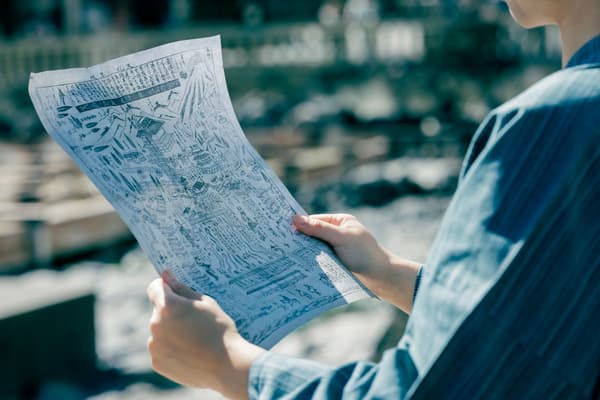
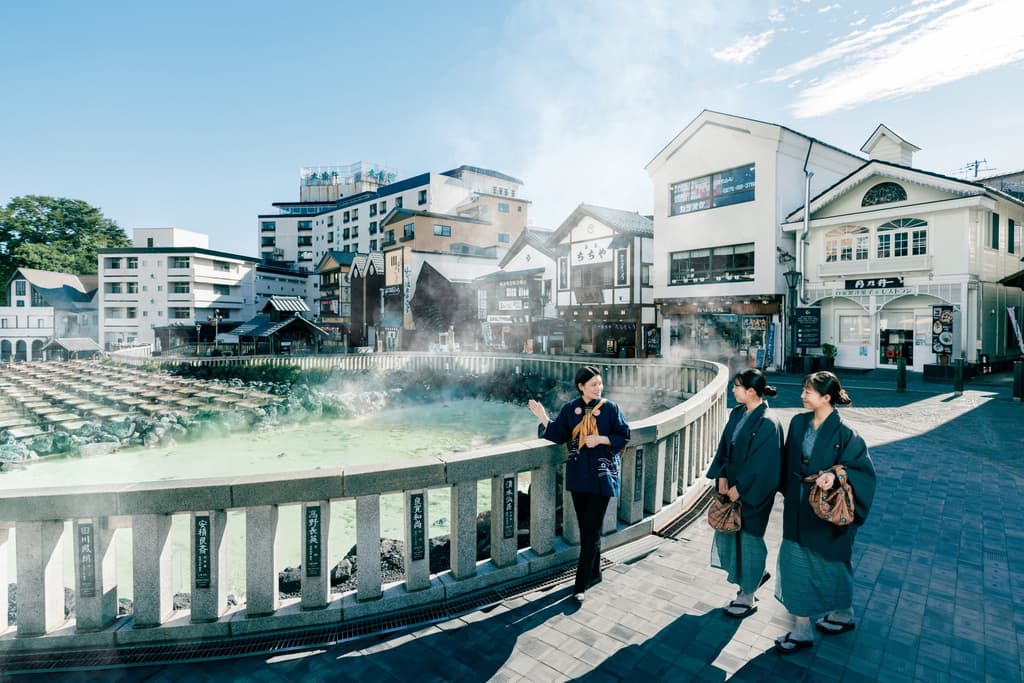
Carrying the map "上州草津温泉大図," guests head out into the hot spring town with a KAI yumori (湯守り, hot spring keeper). Comparing the places drawn on the map with the present-day streets, they visit spots such as Kosen-ji Temple (光泉寺), Shirahata-no-yu (白旗の湯) and Netsu-no-yu (熱の湯), searching for traces of the Edo period that remain. Along the way, guests hear anecdotes about notable figures who visited Kusatsu, including bathing scenes that appear in the stories of Jippensha Ikku (十返舎一九) and small tales about Matsuo Basho (松尾芭蕉), which brings out the Edo-period atmosphere and historical depth found throughout the town. After the tour, guests can continue strolling around the hot spring town and enjoy visiting its public baths.
Feature 2: Learning About Edo-Period Kusatsu With "Edo Kusatsu Iroha" (江戸草津いろは)
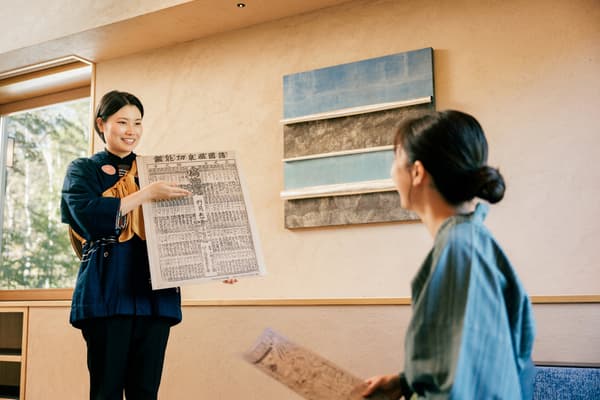
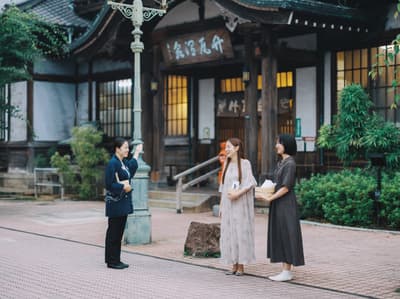
Before the tour departs, the inn holds "Edo Kusatsu Iroha," a program for learning more about Kusatsu Onsen in the Edo period. It includes a lecture on how to read the map "上州草津温泉大図," as well as an explanation of how the hot spring town came to be and how Kusatsu established its position as an unshakable "famous hot spring under heaven" (天下の名湯). Learning about the hot spring culture that has lived on in the area since the Edo period builds anticipation for the town stroll that follows.
Feature 3: Resting After the Bath to Enhance the Hot Spring's Benefits, "Yojo no Hitotoki" (養生のひととき)
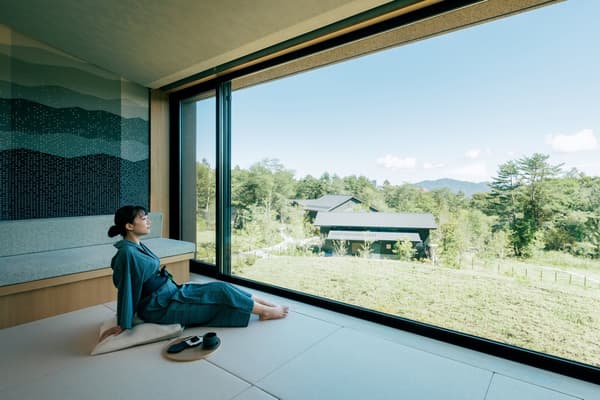
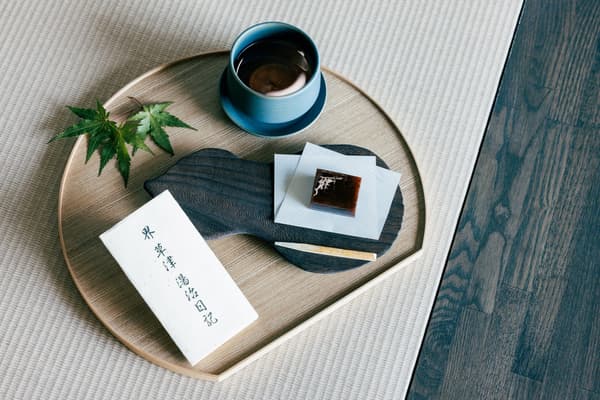
At Kusatsu Onsen, the mainstream toji style after bathing in very hot water was strict rest following the Yojokun (養生訓), a health guide written around 1712 (the 2nd year of Shotoku) by the Edo-period Confucian scholar Kaibara Ekiken (貝原益軒) (according to the book 『「慈悲の湯」草津温泉の江戸時代』 by 高橋敏, Yamakawa Shuppansha, 2026). So that guests can taste the essence of a toji stay in Kusatsu, the program reinterprets this culture for the present day. To help guests take careful rest after bathing, it offers tea suited to a body fresh from the bath, along with tea sweets to go with it. A toji diary (湯治日記) is also provided for writing down changes in the body and impressions after bathing. By feeling the effects of the hot spring directly and spending a mindful time facing their own bodies, guests can enjoy deep rest.
Program Details
| Program name | Kusatsu Toji Rekishi no Susume (草津湯治歴史のすゝめ) |
| Period | From December 1, 2026, year-round |
| Time | 9:00 AM to 10:00 AM |
| Price | ¥1,500 per person (tax included) |
| Included | "Edo Kusatsu Iroha," a guide for the "Kusatsu Onsen Town Stroll," and an in-room rest set (tea, tea sweets and a toji diary) |
| Location | Inside the inn and around the Kusatsu Onsen town |
| Capacity | Minimum 1 person, maximum 6 people |
| Reservations | Required at least 4 days in advance via the official website |
About KAI Kusatsu
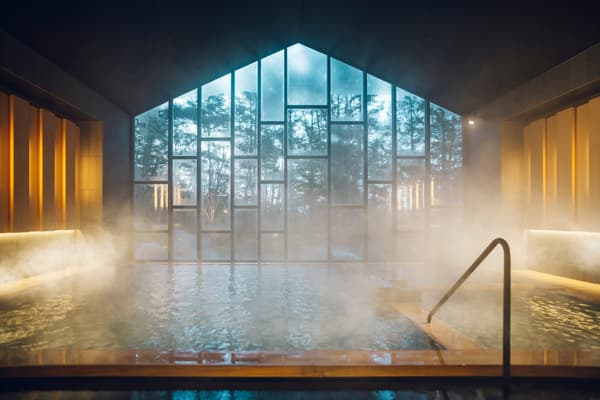
Opened on June 7, 2026, KAI Kusatsu is a hot spring inn on a plateau at the foot of Mt. Kusatsu-Shirane. Inside, guests are wrapped in the softness of silk for a refined stay. By passing back and forth through a tunnel, guests can freely enjoy two different worlds: a quiet inn surrounded by trees and a lively hot spring town.
- Address: 464-690 Aza Shirane, Oaza Kusatsu, Kusatsu-machi, Agatsuma-gun, Gunma (群馬県吾妻郡草津町大字草津字白根464番地690)
- Rooms: 94 rooms (18 with open-air baths)
- Rates: From ¥46,000 per person (based on 2 guests per room; tax and service charge included; dinner and breakfast included)
- Facilities: Front desk, shop, ski lockers, restaurant, bathhouse (yu-goya) wing, lounge wing, Gotochiraku wing (ご当地楽棟), courtyard, dog run, tunnel, soba kappo restaurant
- Access: 60 minutes by car from Karuizawa Station; 20 minutes by bus from Naganohara-Kusatsuguchi Station
- Website: https://hoshinoresorts.com/ja/hotels/kaikusatsu/