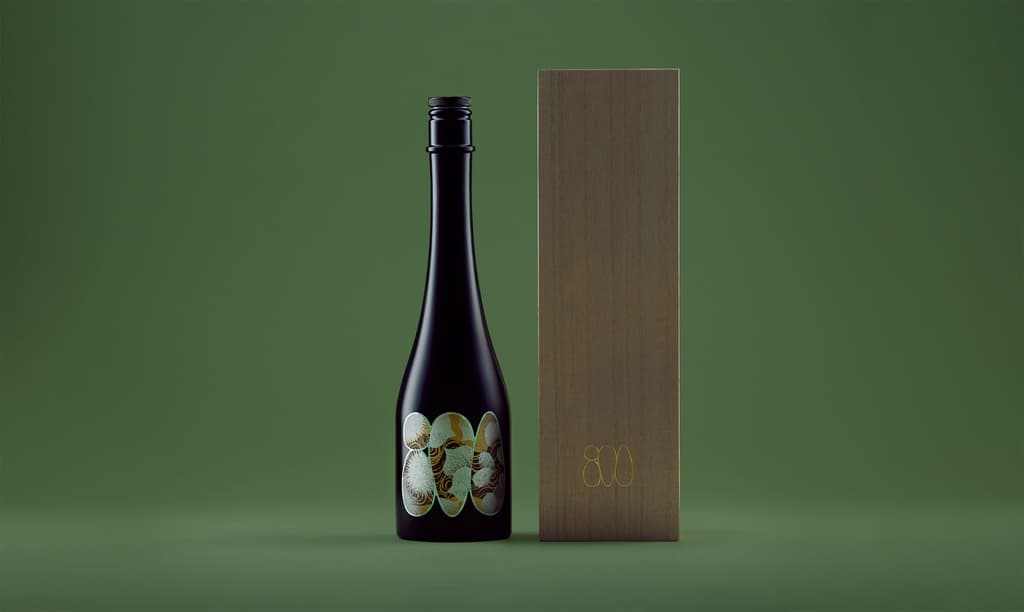
A new chapter in Japanese sake brewing has arrived from Kyoto. Linné Co., Ltd. (LINNÉ), a fermentation collective dedicated to cultivating food culture through sake making, has released 《800 Kuri (Yao Kuri) -2025-》, a brewed sake that uses Kyotamba chestnuts (京丹波栗) as the koji raw material. The product went on sale on March 19, 2026.
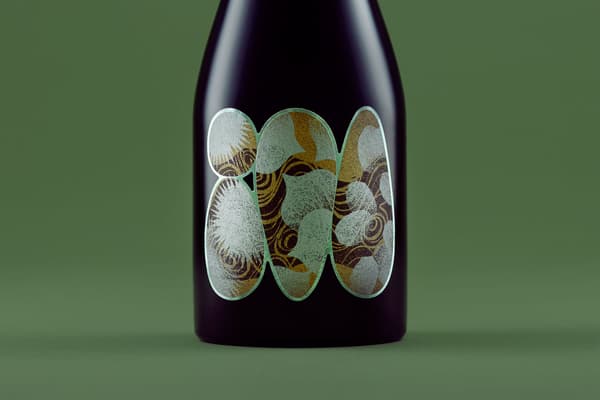
Product Overview
| Item | Details |
|---|---|
| Product Name | 800 Kuri -2025- (Yao Kuri 2025) |
| Category | Other brewed alcoholic beverage |
| Ingredients | Glutinous rice (Kyoto Prefecture), chestnut koji |
| Volume | 500ml |
| Alcohol Content | 11% |
| Suggested Retail Price | From ¥13,200 (tax included) |
| Brewery | Choryo Shuzo Co., Ltd. Yao Brewery (Yao City, Osaka Prefecture)* |
| Manufacturer/Seller | Linné Co., Ltd. (Kyoto City, Kyoto Prefecture) |
| Ingredient Varieties & Origins | Rice: Shin-habutae-mochi (grown in Kameoka City, Kyoto Prefecture, by Agri Ninoumi Co., Ltd.) / Chestnuts: Kyotamba Kuri (grown in Kyotamba Town, Kyoto Prefecture, by Tanba Farm Co., Ltd.) |
| Planning Cooperation | Kyotamba Town, Kyotamba Kuri Kobo LLC |
*Manufactured using facilities at Choryo Shuzo Yao Brewery
A limited run of 24 bottles in the unpasteurized (nama) version is available through LINNÉ's official online shop.
Flavor and Pairing
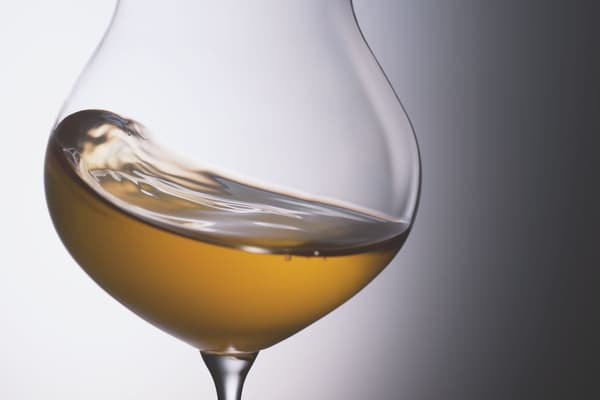
On the nose, the sake offers a rich fragrance reminiscent of fully ripened fruit. The flavor combines a sweet-tart quality like ripe apple with a concentrated, refined astringency that adds structure and elegance. The finish carries a roasted chestnut-like warmth, leaving a complex and lingering aftertaste.
The balance of lightness and complexity makes it a versatile food pairing partner — from delicate crustacean dishes to heartier meat courses. It works well alongside simply boiled crab, pork with balsamic glaze, black vinegar braised dishes, and other preparations featuring sweet-sour or rich sauces. It also complements desserts with toasty notes, such as apple pie or crème brûlée.
Chilled to around 5°C, the crisp acidity shines as an aperitif. At 11% alcohol, it serves comfortably as a first drink. Warmed, the acidity mellows and the chestnut's gentle, mellow character blooms further.
The sake is presented in a wooden box, making it suitable as a celebratory gift or a toast for new beginnings.
Kyotamba Chestnut and Kyoto Glutinous Rice
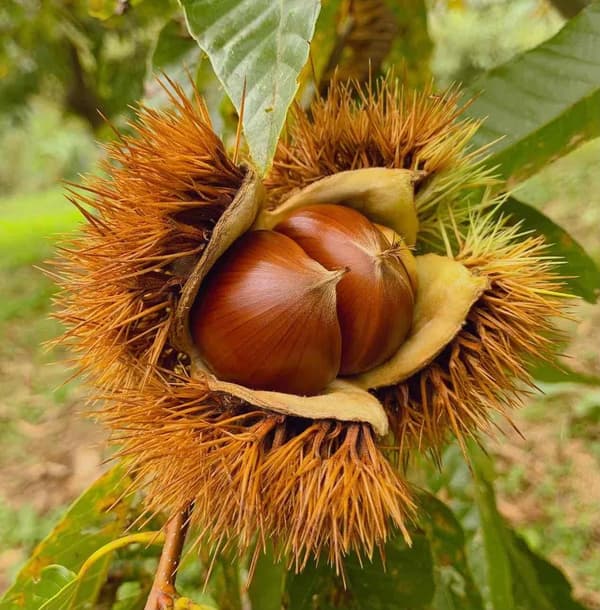
Kyotamba Chestnut (京丹波栗)
Chestnuts have accompanied Japanese life since the Jomon period, symbolizing the bounty of the mountains. They have also long been considered auspicious — used in New Year cuisine and celebrated as "kachi-guri" (victory chestnuts).
Kyotamba chestnuts, known for their large size and rich natural flavor, have historically been presented as tribute to the imperial court and temples. The Tanba region developed advanced grafting techniques over centuries, preserving the finest specimens and maintaining the chestnut's renowned quality to this day.
The dramatic day-to-night temperature swings in Kyotamba during autumn allow starches and sugars produced during daylight to accumulate in the fruit rather than being consumed overnight — a natural mechanism responsible for the chestnut's distinctive stickiness, sweetness, and deep aroma.
For this product, the chestnuts were carefully processed into yellow koji (kibana koji) over four days, with collaboration from Tanba Farm and Kyotamba Kuri Kobo. Additionally, the outer and inner skins of the chestnuts were separately sourced, steamed, and steeped in water to extract a "chestnut skin water," which was then used as brewing water. The aim was to achieve a five-flavor harmony — sweet, sour, spicy, bitter, and astringent — from these ancient ingredients.
Shin-habutae-mochi Glutinous Rice
Shin-habutae-mochi is a premium Kyoto-native glutinous rice variety prized for its exceptionally strong stickiness and smooth texture, traditionally used in high-end Japanese confectionery and New Year's mirror rice cakes (kagami-mochi). The combination of Jomon-era mountain ingredients and Yayoi-era field ingredients unites two foundational layers of Japanese food culture in a single bottle.
"Time Value Model": Pricing That Grows with Age
《800 Kuri》 is a rare limited-edition brew made just once a year, timed to coincide with the autumn chestnut harvest. Over years of aging, polyphenols from the chestnut skins are expected to refine and integrate, deepening the complexity and finish of the sake.
To reflect this, LINNÉ has introduced a "Time Value Model" — the suggested retail price increases by approximately 10% for each year after release. The model is designed to properly recognize the added value created by aging, to support retailers who invest in proper storage, and to ensure customers consistently receive the sake at its best.
Each bottle features a neck tag indicating the chestnut harvest year (millésime). The tag is shaped after the traditional Japanese shimenawa (sacred rope) and crafted from miyako-somaki, a local Kyoto cypress material, processed by a Kyoto woodworking studio, Yamada Mokkoujyo Ltd.
*Price updates are at LINNÉ's discretion based on inventory, quality assessment, and market conditions. The timing and scale of updates may vary and are not guaranteed.
Background
The project began in the summer of 2024, when LINNÉ was invited by a deputy mayor of Kyotamba Town to explore making sake from Kyotamba chestnuts during a visit to the region in search of Kyoto ingredients.
Chestnuts from the 2024 harvest were obtained, and an initial attempt at chestnut-koji sake — unprecedented in the brewed beverage world — was made in spring 2025 at Sake Underground, a sake brewery in Awaji Island. Working with chestnuts, a mountain-origin ingredient, proved extremely challenging. The difficulties and lessons learned from that process became the building blocks for the final product.
LINNÉ describes two values this brewing project creates. First, it positions the chestnut as a premium specialty product from a new angle — not as a sweet confection, but as a long-lasting, high-value brewed beverage accessible to both domestic and international markets. Second, it demonstrates a path to aging-worthy "vintage SAKE" by incorporating the chestnut's skins — typically discarded — into the sake's structure, creating depth that grows over time.
About Kyotamba Town
Kyotamba Town is located in the central Tamba Plateau of Kyoto Prefecture, with forests covering more than 80% of its area. The region's famous "Tamba mist" and sharp diurnal temperature differences create ideal conditions for producing flavorful crops. In addition to Kyotamba chestnuts, the area is known for black soybeans, dainagon azuki beans, Tamba matsutake mushrooms, and other celebrated "Tamba brand" products. In 2023, the town formulated its "Food Valley Vision," a development framework linking agriculture, tourism, information, and industry around food as its central strength.
About LINNÉ
Founded in Kyoto in 2024, LINNÉ is a fermentation collective that cultivates food culture through sake making. Currently operating as a phantom brewery without its own facilities, LINNÉ borrows tanks and equipment from sake breweries across Japan. A shared in-house brewery is planned to open on Gojozaka in Kyoto in 2027. LINNÉ participates in the 2025 Food Valley Kyotamba Promotion Council alongside Kyotamba Kuri Kobo LLC, supporting the town's Food Valley Vision.