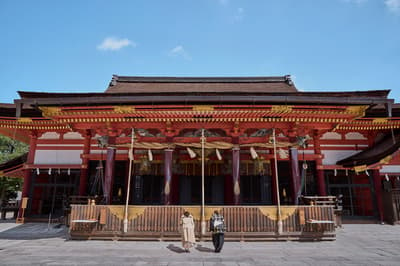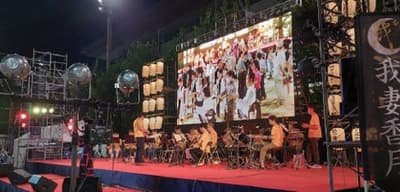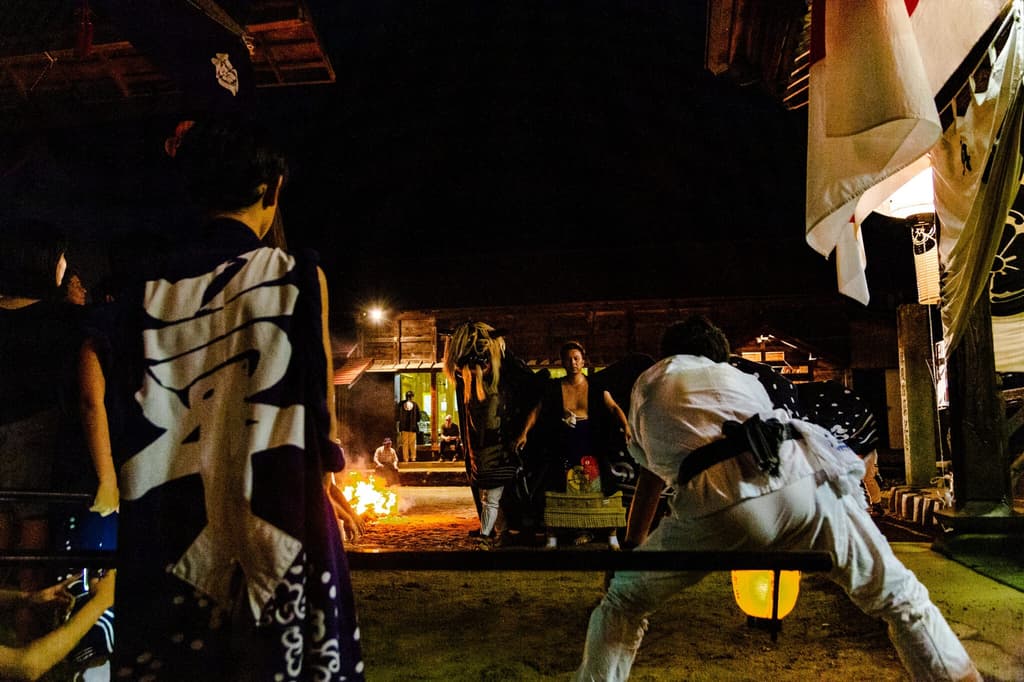
A special tour touring multiple Kurojishi (黒獅子, "black lion") shrine festivals held on the same day across Nagai City, Yamagata Prefecture is coming on Saturday, August 15, 2026. The tour, called "A Thousand Years of Dance: A Night Touring Nagai's Kurojishi Grand Festivals," is organized by Yamagata Arcadia Tourism Bureau (Nagai City, Yamagata Prefecture), a general incorporated association.
Nagai's "Kurojishi" Culture, Passed Down Through the Generations
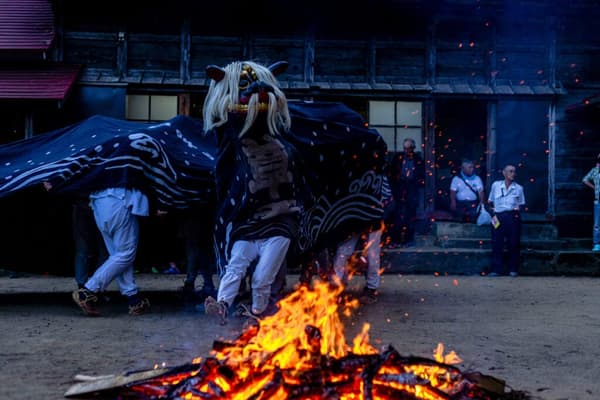
Numerous Kurojishi are passed down across the districts of Nagai City, and the lion dances performed as offerings at each shrine's grand festival are an important ritual culture that local communities have preserved across generations.
Kurojishi is not simply a local folk performing art — it is a sacred rite in which the lion, serving as a vessel for the gods, visits homes throughout the community to pray for good health, household safety, and a bountiful harvest. Parishioners prepare sacred sake (omiki) and flowers to welcome the Kurojishi, and this place's distinctive culture of prayer remains part of everyday life today.
At the same time, because these festivals are carried out by local residents themselves, visitors rarely have the chance to learn about their background and meaning.
This tour brings in Enshin, a Kurojishi YouTuber who shares the culture online, as a guide, touring multiple grand festivals held in Nagai City on the same day.
It is also a special program limited to 6 guests, offering a chance to experience the "inside" of the festival — from taking part in "Goshinjin," preparing sacred sake to welcome the Kurojishi just as locals do, to a special viewing (currently being arranged) of shrine halls and community centers not normally open to the public.
Different Kurojishi Traditions in Each District, All in One Night
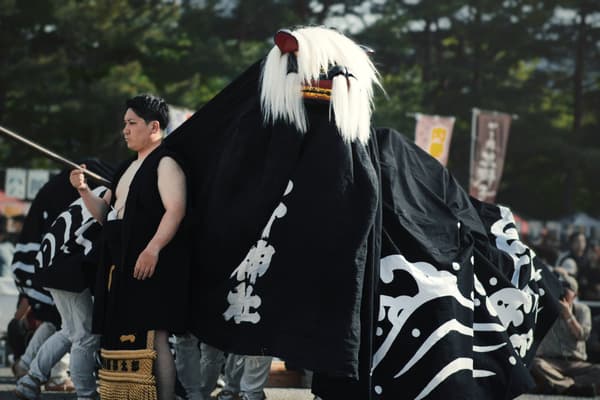
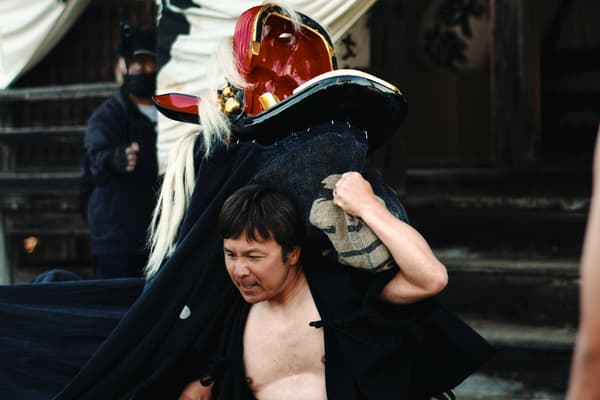
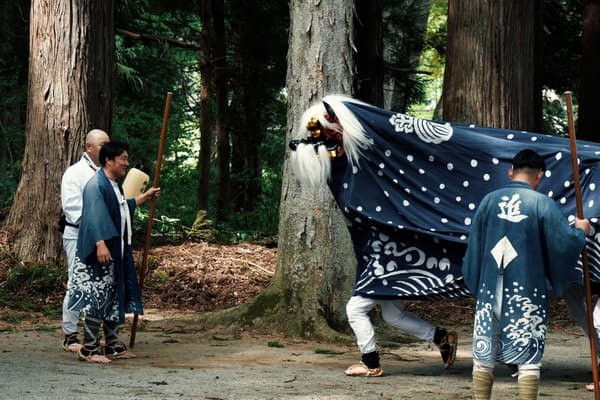
August 15 is a special day when grand festivals overlap across multiple districts in Nagai City.
This tour visits the grand festivals of Goshi Shrine (Terazumi area), Tsushima Shrine (Kusaoka area), and Sogu Shrine (Kanjindai area), following each festival's progress on the day.
Though all called "Kurojishi," the lion's movements and dance, the role of the keigo (guard), and the atmosphere of each festival differ greatly from district to district.
Touring multiple districts in a single night lets guests experience the diversity of Kurojishi culture passed down in Nagai City, and the traditions each community has carefully preserved.
Kurojishi YouTuber Enshin Joins the Tour
Enshin, a Kurojishi YouTuber who has continued following Nagai's Kurojishi and sharing its appeal on YouTube and social media, accompanies the entire tour.
- Where to look for the most interesting moments
- What each movement means
- What differs from district to district
Enshin explains these and other points, covering the background and highlights of the festival in an easy-to-understand way.
Even first-time viewers of Kurojishi can enjoy the festival culture on a deeper level.
Enshin
■YouTube
https://www.youtube.com/@enshin9644
https://www.instagram.com/enshin9644/
Experience "Goshinjin" — Welcoming the Kurojishi Just Like Locals Do
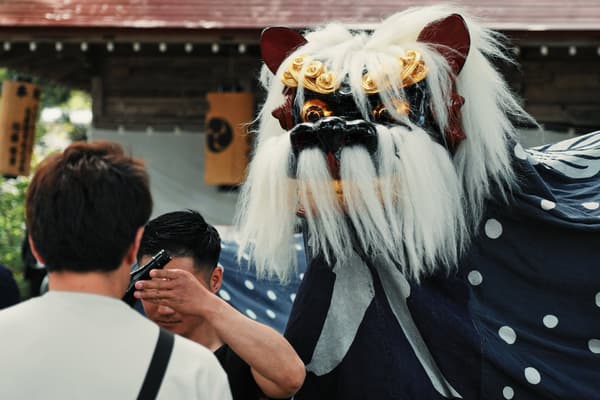
During the tour, guests purchase sacred sake (omiki) at Maruhachi Sake Shop, a local sake specialty store in Nagai City, and write their own name on the noshi (paper wrapper).
Carrying that sacred sake, guests then tour the grand festivals and welcome the Kurojishi just as local residents do.
The moment when the Kurojishi opens its mouth wide and claps its jaws is called "Goshinjin," carrying the meaning of warding off misfortune and bestowing good fortune.
Rather than simply viewing the festival as a sightseer, experiencing the culture of prayer and faith rooted in the community firsthand is the biggest appeal of this tour.
A Rare Look Inside Places Not Normally Open to the Public
With the cooperation of those involved, the tour is also currently arranging visits to places not normally open to the public, such as shrine halls and community centers.
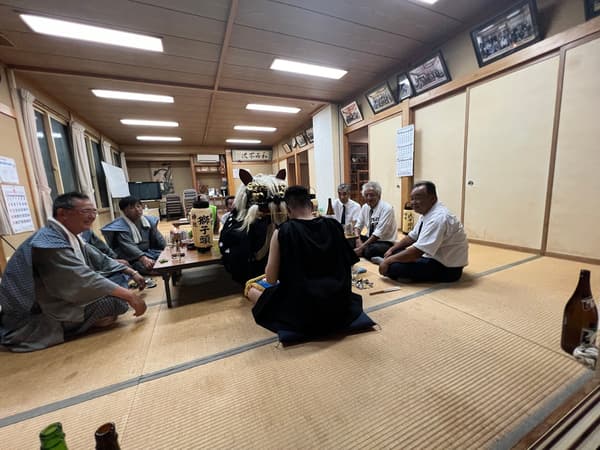
Interacting with the local residents who support the festival is another appeal unique to this program.
Touring the Night Festivals Safely by Chartered Jumbo Taxi
Once it leaves the shrine, the Kurojishi parades through the district, visiting the homes of parishioners along the way.
Because the tour uses a chartered jumbo taxi, guests can efficiently tour the night festivals without worrying about transportation or parking.
Following the sound of flutes and drums echoing through the night streets to find the Kurojishi is also an experience unique to this day.
Tour Overview
| Item | Details |
|---|---|
| Travel Date | Saturday, August 15, 2026 |
| Tour Price | ¥28,000 (tax included) |
| Included in Price | Chartered vehicle fee, guide fee, sacred sake fee, insurance fee Transportation to the meeting point is not included. |
| Capacity | 6 people |
| Minimum Group Size | 4 people |
| Application Deadline | Tuesday, August 11, 2026 |
Itinerary
| Time | Itinerary |
|---|---|
| 4:45 PM | Meet at Nagai Station |
| 4:50 PM | Visit Sogu Shrine (birthplace of Kurojishi) |
| 5:10 PM | Purchase sacred sake / shopping at Maruhachi Sake Shop |
| 6:00 PM | Kurojishi grand festival viewing ・Goshi Shrine (Terazumi area) ・Tsushima Shrine (Kusaoka area) ・Sogu Shrine (Kanjindai area) |
| 10:30 PM | Viewing ends |
| 10:45 PM | Arrive at Nagai Station |
About the Shrines on This Tour
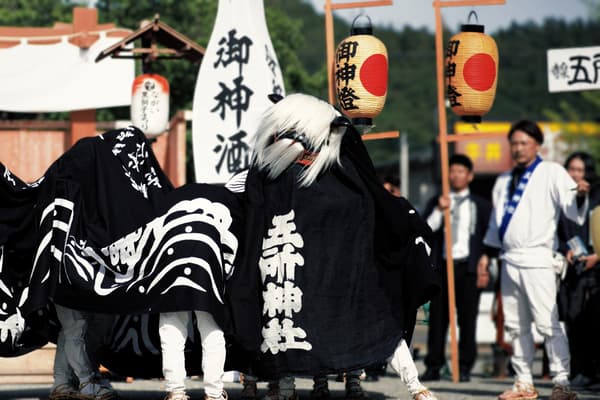
Goshi Shrine (Terazumi area)
Since ancient times, Mt. Asahi and Mt. Iwaigame have flourished as sacred sites of mountain worship, known as Asahisan Daigongen. It is said that in 1090, on the order of Minamoto no Yoshiie, five locations — Mt. Asahi, Mt. Iwagami, Ko-Asahi, Mt. Tsukigamine, and Mifuchi — were enshrined together here. From then on, the shrine was called Gosho Daimyojin, and the place name was changed to Gosaisho.
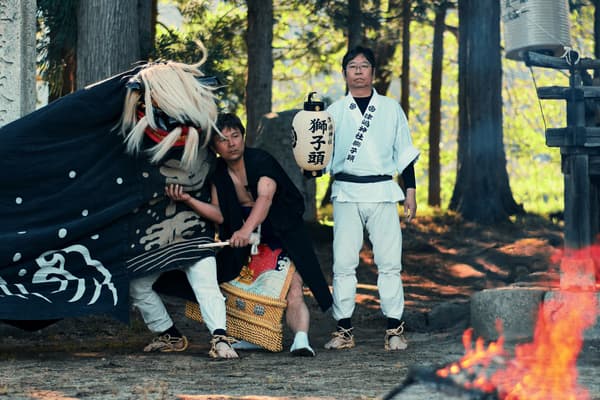
Tsushima Shrine (Kusaoka area)
People have gathered in the Kusaoka area since the Jomon period, and at some point they came to look to the gods for spiritual support — giving rise to Tsushima Shrine. Its guardian spirit was invited from Yasaka Shrine in Kyoto. A distinctive feature of this lion dance is that the lion's head barely moves except to open its mouth. Its calm movements, performed together with the keigo (guard), carry a dignity that makes the dance truly striking.
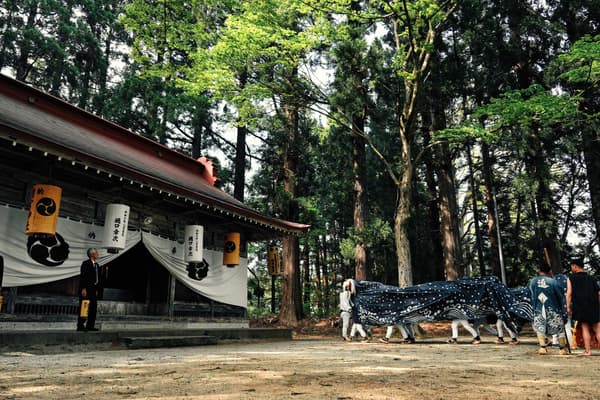
Sogu Shrine (Kanjindai area)
According to shrine records, Sogu Shrine was founded in 1214. Following the Meiji-era shrine consolidation edict, it merged with the Hachiman, two Inari, Kotai, and Kumano shrines and was renamed Sogu Shrine. A highlight of the lion's movement is the contrast between its quiet motion when leaving the shrine and the wild energy of its dance in the shrine courtyard — a striking combination of stillness and motion. The role of the keigo (guard) also differs from that at other shrines, so be sure to take note.
Carrying the Local Festival Traditions Into the Future
As the birthrate declines, the population ages, and populations shrink across Japan, passing local festivals on to the future has become a major challenge.
Nagai City's Kurojishi is likewise a precious culture that local residents have preserved over many years.
This tour aims not only to introduce the festival as a tourism resource, but also to pass on the appeal of Kurojishi culture to the next generation by helping guests understand the community life, faith, and human connections behind it.
The sound of flutes and drums echoing through the Nagai night, the Kurojishi visiting homes as it is welcomed by local residents — experience this one-of-a-kind night for yourself.