Mochi has long been cherished as a New Year tradition in Japan.
However, as January progresses into its latter half, this seasonal treat gradually disappears from dining tables.
"Mochi for everyday life, and sometimes for special occasions."
With this philosophy, Nagoya-based mochi specialty shop "To, Mochi" proposes evolved mochi that combines tradition with innovation, offering rice cakes not just for special occasions but as everyday snacks.
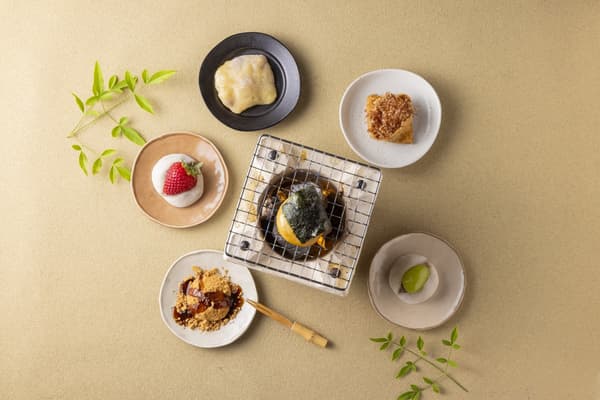
At "To, Mochi," artisans work with seasonal ingredients each month to create new mochi confections.
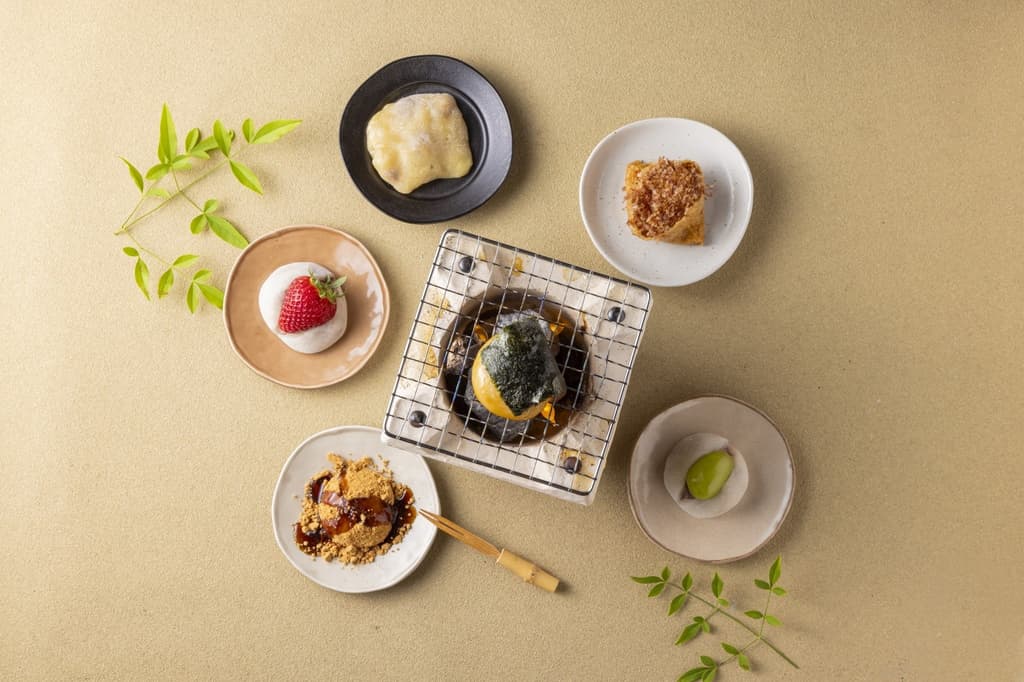
For January, the shop features four notable products, including "An-Butter Mochi," which elevates Nagoya's beloved an-butter culture into a mochi creation.
Nagoya's Specialty Evolved into Mochi: "An-Butter Mochi"
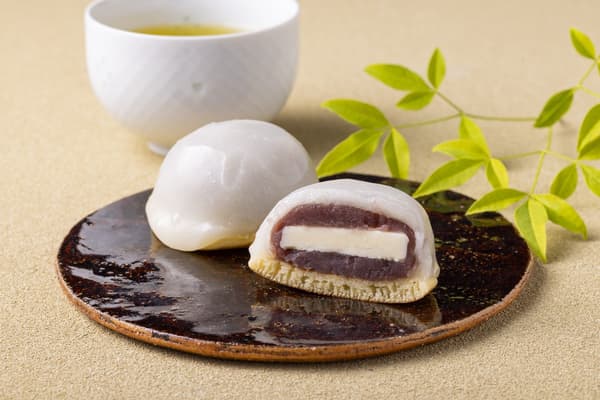
Reimagining Nagoya's famous an-butter culture in "To, Mochi" style.
Built on a thin dorayaki pancake base, this creation features smooth red bean paste from a long-established anko shop founded in 1907 (Meiji 40), generously layered with salted butter, and wrapped in the shop's signature fine-textured, soft gyuhi (refined mochi).
This sweet mochi is gaining attention as a new Nagoya specialty, following in the footsteps of the famous an-butter toast.
Mochi Confection Like a Cake: "Mikan Mochi"
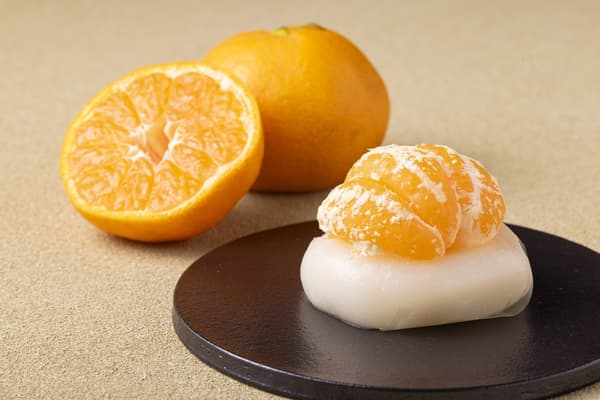
Smooth and creamy white bean paste blended with whipped cream is layered with juicy Satsuma mandarins at their seasonal peak.
Though a traditional Japanese confection, this January-limited mochi offers the satisfaction of Western-style sweets, embodying the season's essence.
Adult Mochi with Japanese Aromatics: "Sansho Isobe Mochi"
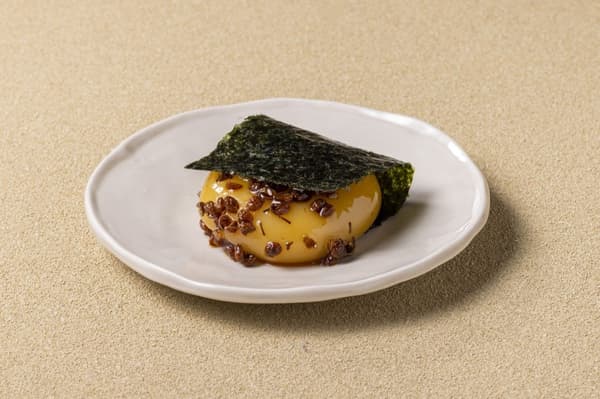
Soy sauce infused with bonito and kelp dashi is generously flavored with whole sansho peppercorns.
The pairing of fragrant nori seaweed and sansho is exceptional, with a subtle tingling sensation that makes this mochi irresistible. It can even be enjoyed as a drinking snack.
As the New Year atmosphere lingers in January, why not incorporate these evolved mochi into your daily life? They add a touch of special joy while remaining close to everyday moments, offering a different experience from the traditional ozoni (mochi soup) or oshiruko (sweet red bean soup) enjoyed during New Year celebrations.