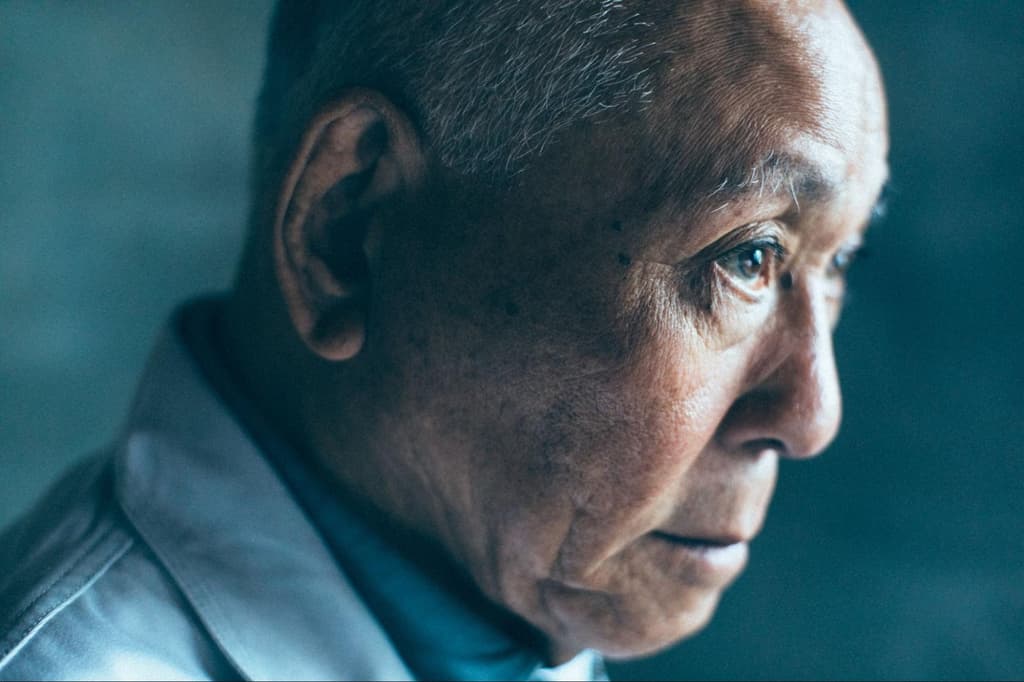
Naohiko Noguchi, master brewer (toji) at Noguchi Naohiko Kenkyujo (農口尚彦研究所) in Komatsu, Ishikawa Prefecture, has been certified as a holder of the Important Intangible Cultural Property "Ginjo-zukuri," making him a so-called "Living National Treasure." He is the first sake toji to receive the honor.
The certification follows the addition of a new "living culture" category to the Important Intangible Cultural Property system last year. Until now, the system has centered on the performing arts and craft techniques, but the revision extended it to culture that has been nurtured and handed down in everyday life, such as cooking and sake brewing.
In 2024, "traditional sake-making" was inscribed on UNESCO's Intangible Cultural Heritage list, and Japanese sake brewing, including nihonshu, is drawing renewed attention as culture both in Japan and abroad.
Noguchi, the toji of the brewery, was recognized as someone who has mastered techniques cultivated over many years at sake brewing sites. He entered the world of sake brewing at the age of 16 and has honed his skills for more than 70 years.
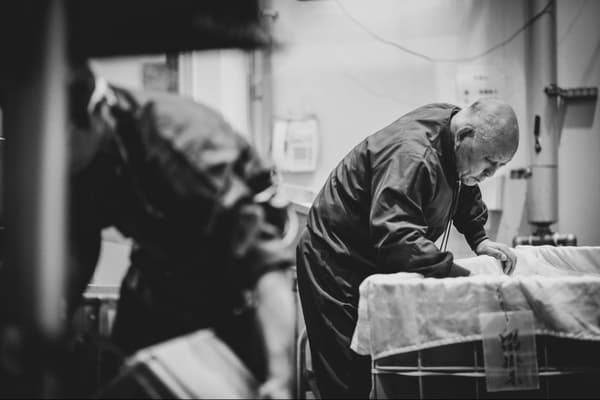
Refining His Skills in Pursuit of "Even Better Sake"
Naohiko Noguchi was born in 1932 in 木郎村, Suzu District, Ishikawa Prefecture (now Noto Town), and entered the world of sake brewing at 16 as the third generation of a family of tojis. After becoming a toji in 1961 in his 20s, he took charge of brewing at breweries across Japan, reading the condition of the rice and the changes in fermentation while accumulating the skills needed to make better sake.
His path has not stopped at inheriting the techniques of the Noto toji. Noguchi carried the "yamahai" brewing method, which had once fallen into steady decline, into the modern era and has released high-quality yamahai sake. In the 1970s, ginjo sake (sake made with highly polished sake rice) was made for appraisal competitions, but he was among the first to bring it to general distribution. He is regarded as one of the people who opened the way to an era in which ginjo sake is widely enjoyed, contributing to the development of sake culture.
At the National New Sake Appraisal, he has won a total of 26 gold prizes, including 11 consecutive wins. He received the "Contemporary Master Craftsman" award for outstanding skilled workers in 2006, the Medal with Yellow Ribbon in 2008, and the Commissioner for Cultural Affairs Commendation in 2023. His skills, his training of younger brewers, and his contributions to sake culture have been highly regarded.
The brewery sees this "Living National Treasure" certification as recognition not only of the outstanding brewing skills he has cultivated over many years, but also of his role in passing them on to the next generation and carrying sake, a part of Japan's living culture, into the future.
Ginjo-zukuri, the Technique That Symbolizes Naohiko Noguchi
Essential to any discussion of Noguchi's brewing is "Ginjo-zukuri," the technique newly designated as an Important Intangible Cultural Property.
Ginjo-zukuri is a technique for producing ginjo sake, which pursues flavor and aroma without sparing effort or ingredients. After the relationship between rice polishing and sake quality was discovered, advanced techniques for creating delicate flavors and rich aromas were established in the modern era, alongside the development of rice-polishing machines.
Noguchi began selling ginjo sake to the general market at a time when it was mainly a special sake made for submission to appraisal competitions, and he raised the reputation of ginjo sake. He is also known as one of the leaders of the ginjo sake boom that spread from the Showa 50s (1975 to 1984) onward.
His high level of mastery of the technique and the skills he has kept refining over many years, as well as his training of many tojis and passing on of the craft to the next generation, are also important achievements that led to this certification.
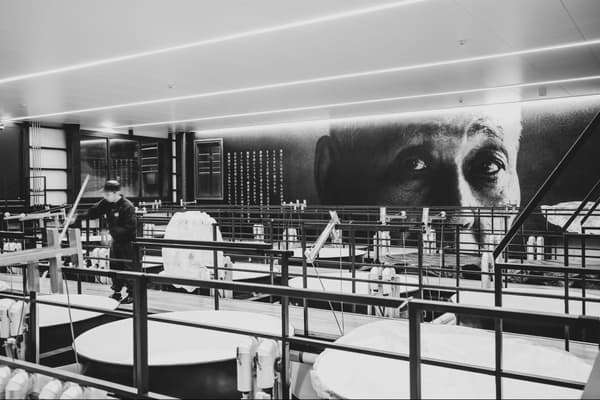
Passing Brewing Techniques to the Next Generation
In 2017, Noguchi Naohiko Kenkyujo was established in 観音下町, Komatsu, Ishikawa Prefecture, to carry Noguchi's techniques and spirit into the future.
At the institute, the sake brewing data that Noguchi has recorded over many years is stored and analyzed, and brewing is carried out while comparing it with modern brewing data.
Not everything about sake brewing can be explained in numbers, however. Brewers make the best decision at each moment by watching the condition of the rice, koji, and moromi (fermenting mash). That judgment rests on a sense built through long experience.
What Noguchi has valued is not preserving techniques exactly as they are, but refining culture to suit the times and handing it on to the future. That is why the institute also puts effort into training brewery workers (kurabito).
Time Beyond Technique Also Becomes Part of the Sake's Value
The sake brewing that Noguchi has pursued is connected not only to flavor but also to how one approaches time.
Highly polished sake rice, yamahai brewing, unfiltered unpasteurized undiluted sake (muroka nama genshu), and careful attention to yeast: in the brewing methods chosen in pursuit of better sake, there are qualities that settle and change as time passes.
Taking advantage of these characteristics of Noguchi's sake, Noguchi Naohiko Kenkyujo also ages sake while storing it at low temperatures. The institute proposes enjoying sake that has been given time as one of the new ways to enjoy nihonshu.
The institute regards this certification not as a new destination, but as a milestone for handing the sake brewing passed down so far on to what comes next. Noguchi Naohiko Kenkyujo says it will continue to inherit Noguchi's techniques and spirit while thinking wholeheartedly about the future of sake culture.
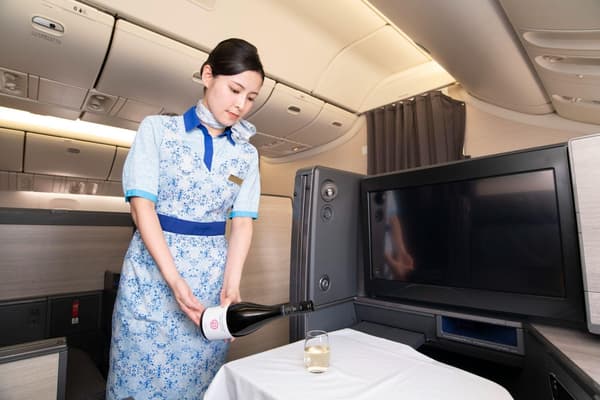
Dreaming of the Day Sake Becomes a "World's Drink"
The sake brewed by Noguchi Naohiko Kenkyujo is now enjoyed in more than 30 countries and regions around the world. In 2018, it was adopted for the first time as in-flight sake on ANA international flights, and that continues to this day. Day after day, it travels from Japan to the world, and words of delight arrive from people of many different cultures and backgrounds.
Noguchi has made sake throughout a long history, and behind the acceptance of his sake across countries and cultures is an attitude of putting the people who drink it above all else. Rather than simply pursuing the sake he wants to make, he has kept honing his skills, changing with the times and asking what is needed to please those who drink it. That journey is what has led to sake loved by people across borders.
"Sake brewing is dream building," he says, and there is a dream in his brewing that lies beyond refining technique. One of those dreams is to make sake a "world's drink." Like beer, wine, and distilled spirits, he hopes to see enthusiasts emerge around the world, with not only the sake itself but also the Japanese food culture and sake-making culture behind it widely known and recognized.
He looks toward a future in which sake becomes more familiar to people around the world and one of the choices that enrich their lives, and he continues to face sake brewing today.
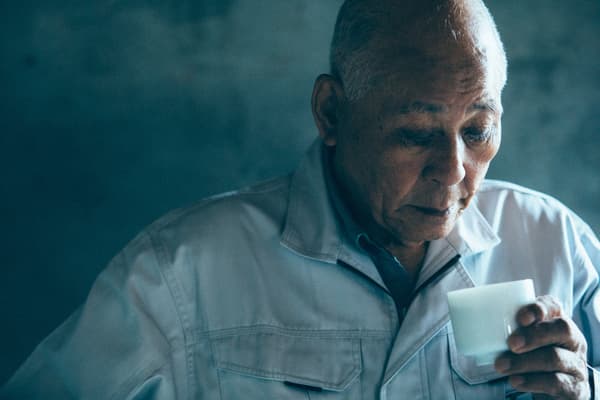
Comment from Naohiko Noguchi
I am deeply grateful that my work in sake brewing has been recognized in such a significant way. However, my own dream is still on the way. What I have kept thinking about is how to make sake that makes the people who drink it happy. Times change, and when we look at the world, the way people drink sake and their tastes change too. Sake is now enjoyed all over the world. That is why, rather than sticking to the sake I want to make, I want to listen to the voices of those who drink it and make the delicious sake of the times. Sake holds great potential. I want to make sake more and more a "world's drink."
Japan's sake culture is also truly wonderful. Sake, made by the grand nature of this country and the hands of its people, is rooted in people's daily lives. It lifts the spirit in happy times, stays by our side in sad times, and in times of celebration, it becomes a gift that carries our joy. The history and culture built up in this way should be carefully passed on to the next generation. While I take this certification as a milestone, I will keep making even better sake from now on. That attitude will not change.
Naohiko Noguchi: Career
| Year | Career, Awards, and Certifications |
|---|---|
| 1932 (Showa 7) | Born to a toji family in 四方山, 木郎村, Suzu District, Ishikawa Prefecture. |
| 1948 (Showa 23) | Graduated from Matsunami Junior High School and worked for one year in the family business (farming). |
| 1949 (Showa 24) | Became a sake brewery worker at 山中正吉商店 (now Fuji Takasago Shuzo Co., Ltd., Fuji City, Shizuoka Prefecture). |
| 1953 (Showa 28) | Became a shubo (yeast starter) worker at 株式会社西井久兵衛商店 (later closed, Matsusaka City, Mie Prefecture). |
| 1957 (Showa 32) | Became a kashira (brewing foreman) at Omuraya Shuzojo Co., Ltd. (Shimada City, Shizuoka Prefecture). |
| 1961 to 1998 (Showa 36 to Heisei 10) | Served as toji at Kikuhime Goshi Kaisha (Hakusan City, Ishikawa Prefecture). |
| From the Showa 40s (from 1965) | Began selling ginjo sake commercially and gained a strong reputation. |
| 1967 (Showa 42) | Won a gold prize at the National New Sake Appraisal. He has won a total of 26 times as of 2026 (Reiwa 8). |
| 1979 (Showa 54) | Received the Director-General of the Kanazawa Regional Taxation Bureau Award at the Noto Toji Association's Self-Brewed Sake Competition. He has won a total of 6 times as of 2026 (Reiwa 8). |
| 1990 (Heisei 2) | Adopted as in-flight sake in JAL First Class, with full-scale introduction. |
| 1998 to 2012 (Heisei 10 to Heisei 24) | Served as toji at Kano Shuzo Goshi Kaisha (now Kano Shuzo Co., Ltd., Kaga City, Ishikawa Prefecture). |
| 2003 (Heisei 15) | Published the book 『魂の酒』 (Poplar Publishing). |
| 2006 (Heisei 18) | Received the Ministry of Health, Labour and Welfare's "Outstanding Skilled Worker" (Contemporary Master Craftsman) commendation. |
| 2008 (Heisei 20) | Received the Medal with Yellow Ribbon as chairman of the Noto Toji Association. |
| 2010 (Heisei 22) | Featured on NHK's 「プロフェッショナル 仕事の流儀」 in the episode 「魂の酒、秘伝の技」. |
| 2013 to 2015 (Heisei 25 to Heisei 27) | Served as toji at Noguchi Shuzo Co., Ltd. (currently closed, Nomi City, Ishikawa Prefecture). |
| 2015 (Heisei 27) | Appeared in the film 『一献の系譜』 (selected by the Ministry of Education, Culture, Sports, Science and Technology), which focuses on the Noto toji. |
| 2015 to 2017 (Heisei 27 to Heisei 29) | Involved in plans to build a new sake brewery. |
| 2017 (Heisei 29) to present | Started brewing at a new brewery (Noguchi Naohiko Kenkyujo Co., Ltd.), where he serves as toji. |
| 2018 (Heisei 30) | Adopted for the first time as in-flight sake on ANA international flights, and has been adopted continuously through 2026. |
| 2021 (Reiwa 3) to present | Became a member of the holding organization for the Registered Intangible Cultural Property "traditional sake-making." |
| 2023 (Reiwa 5) | Received the Commissioner for Cultural Affairs Commendation. |
| 2024 (Reiwa 6) | Received the "Ishikawa Master of Food" (いしかわの食の巨匠) commendation. |
| 2026 (Reiwa 8) | Certified as a holder of the Ishikawa Prefecture Designated Intangible Cultural Property "Nihonshu Toji" (sake toji). |