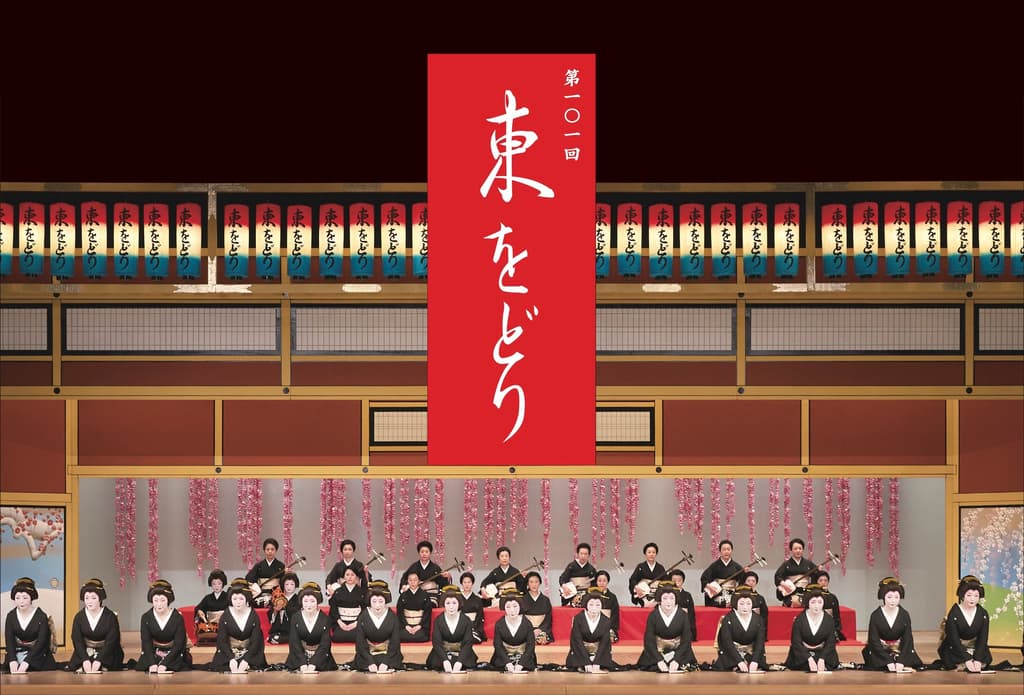
The Azuma Odori — the annual showcase of the Shinbashi geisha district — is set to return for its 101st edition. Tokyo Shinbashi Kumiai will hold the event at Shinbashi Enbujo from May 22 (Fri) to May 25 (Mon), 2026.
The 101st Azuma Odori
Having marked its 100th milestone last year, the Azuma Odori now steps into a new chapter. The performance features the elegance of Shinbashi's geisha, while the intermission offers cuisine and sake from traditional restaurants — a chance to experience the refined "iki" spirit that Shinbashi is known for.
Overview
Schedule
May 22 (Fri) to May 25 (Mon), 2026 — 4 days / 8 performances total
- Matinée: Doors open 12:00 PM / Show starts 12:30 PM / Show ends approx. 2:10 PM
- Evening: Doors open 3:30 PM / Show starts 4:00 PM / Show ends approx. 5:40 PM
Venue
Shinbashi Enbujo
6-18-2 Ginza, Chuo-ku, Tokyo 104-0061
TEL: 03-3541-2600
Nearest stations: Tokyo Metro Hibiya Line / Toei Asakusa Line — Higashi-Ginza Station / Toei Oedo Line — Tsukijishijo Station
Tickets — Advance Sales Begin March 31 (Tue) at 10:00 AM
| Seat Type | Price |
|---|---|
| Sajiki-seki (Box seat) | ¥12,000 |
| Yuki-seki | ¥10,000 |
| Tsuki-seki | ¥6,000 |
| Hana-seki (General admission) | ¥3,000 |
Student discount: Students presenting a valid student ID can purchase same-day tickets at half price for any seat type at Shinbashi Enbujo, regardless of age.
By phone: Ticket-hon Shochiku 0570-000-489 / 03-6745-0888 (10:00 AM to 5:00 PM)
Online: Ticket Web Shochiku (Available 24 hours; ticket sales begin at 10:00 AM on opening day)
Box office: Shinbashi Enbujo / Kabukiza / Minami-za / Osaka Shochikuza (operating hours vary by venue)
Intermission Highlights
The Azuma Odori is a celebration of Japanese culture, and the intermission transforms the theater into a grand restaurant. From food and sake prepared by traditional restaurants to exclusive souvenirs, the intermission offers its own set of pleasures.
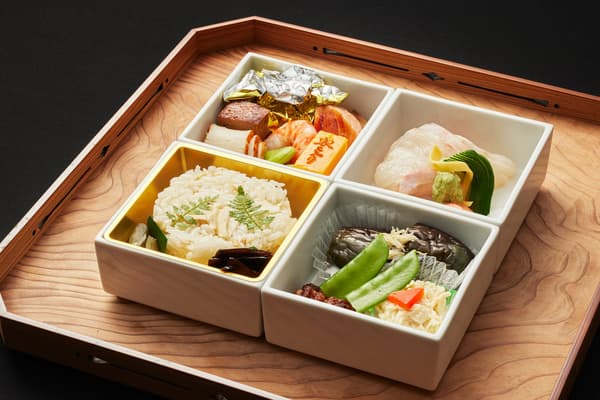
Ceramic Box Bento
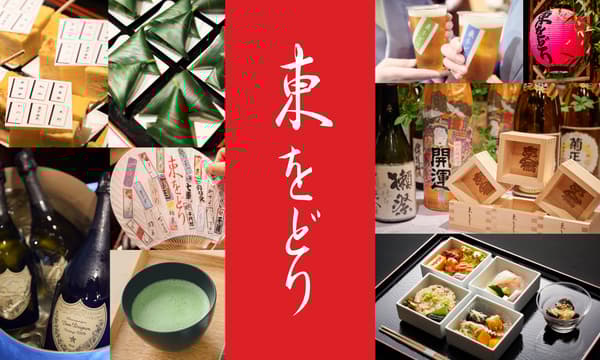
The Azuma Odori bento features dishes arranged in four ceramic containers that open like a Shokado-style box lunch. The menu is conceived by the proprietor of Tokyo Kicho, drawing on a style created by the founder of Kicho. Prepared individually by Tokyo Kicho, Shinkiraku, Kanetanaka, and Yonemura restaurants, the bento is available only during the performance period at the underground dining hall "Azuma" at Shinbashi Enbujo, from 11:30 AM to 5:00 PM.
Advance order only — ¥8,000 (tax included). Orders accepted through May 14 (Thu).
Restaurant Sake Tasting
Each participating restaurant brings its recommended sake, reflecting the special relationships between establishments and breweries. Enjoy the intermission with a freshly made wooden masu cup in hand.
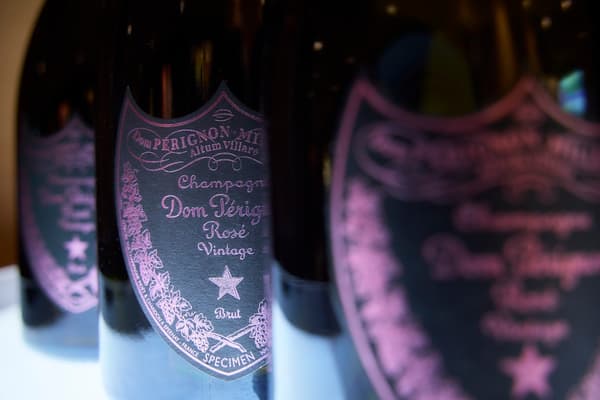
Champagne Booth
Dom Pérignon Rosé and Blanc will be available during the intermission.
Beer Tasting
As the weather warms toward early summer, four beer brands offer their recommended selections for a side-by-side tasting experience.
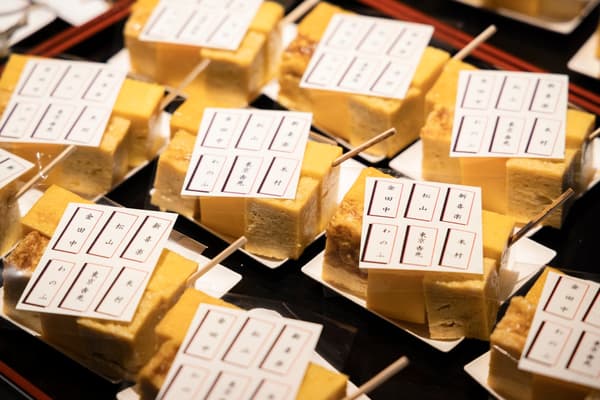
Food Accompaniments
Dishes carefully selected to pair with sake and beer, including the signature tamagoyaki (rolled egg), are prepared by the restaurants.
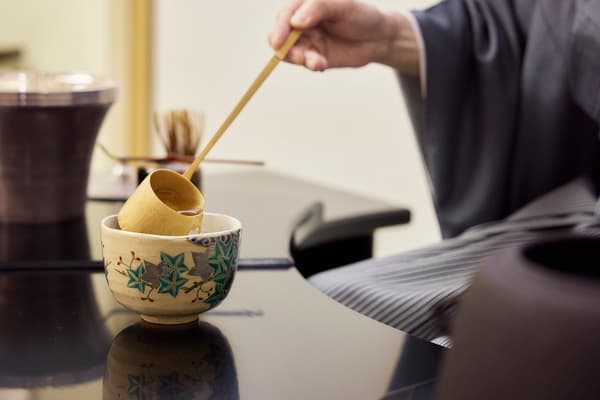
Tea Ceremony "Azuma-an" (Tokyo Kicho, Shinkiraku, Kanetanaka)
A rotating tea ceremony hosted by the restaurant proprietors, with décor and utensils changing daily. Same-day reservations required.
Gift Shop
Exclusive Azuma Odori merchandise is available, including senjafuda (paper slips) used by the geisha and the Azuma Odori uchiwa (fans) to display them. Custom senjafuda orders can also be placed.
The History of Shinbashi's Flower District and the Azuma Odori
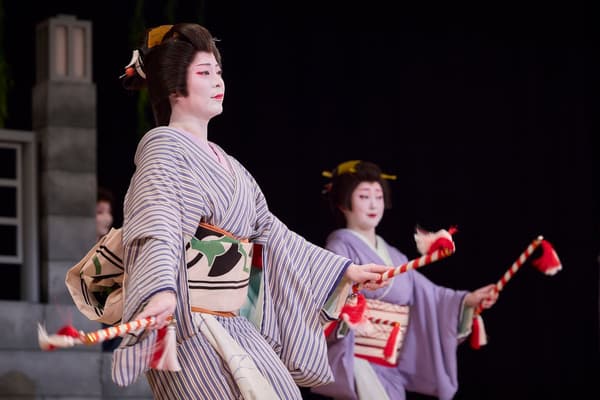
The Shinbashi flower district traces its origins to the Bakumatsu period, around 1858. As tensions rose between the western domains and the Tokugawa shogunate, the newly emerged Shinbashi district welcomed loyalist samurai from western Japan. After the Meiji Restoration, many of those visitors became leading figures in government. Throughout the Meiji era, as Japan pursued modernization, Shinbashi became a salon of the times — a place where the first Prime Minister, Ito Hirobumi, would gather influential figures from all walks of life to debate the nation's future.
The district committed to excellence in the performing arts to match its distinguished clientele, inviting leading teachers from various disciplines. In 1925 (Taisho 14), inspired by the geisha performance halls of Kyoto and Osaka, the Shinbashi Enbujo theater was constructed. Its inaugural production was the first Azuma Odori.
After the theater was destroyed in the war, it was rebuilt in the spring of 1948. At that time, the then-director — who would later become a Living National Treasure in the art of geisha performance — redesigned the show into a cohesive production from opening to closing. The centerpiece was dance drama, with scripts commissioned from literary giants such as Yasunari Kawabata, Junichiro Tanizaki, and Eiji Yoshikawa, and stage art created by leading painters including Taikan Yokoyama, Seiho Takeuchi, and Seison Maeda. The revival was a great success — one performer's graceful male roles became a sensation, drawing crowds of young women waiting at the stage door.
From its 84th edition, which marked the district's 150th anniversary, the Azuma Odori evolved into a celebration of the charms of both traditional restaurants and geisha. A majestic opening act, a transforming second act, and an intermission filled with restaurant food and drink now define the event. Even during the pandemic, the production found new ways to connect dance and audiences through film. The Azuma Odori continues to move forward, serving as an entry point into Japanese culture.
Photos
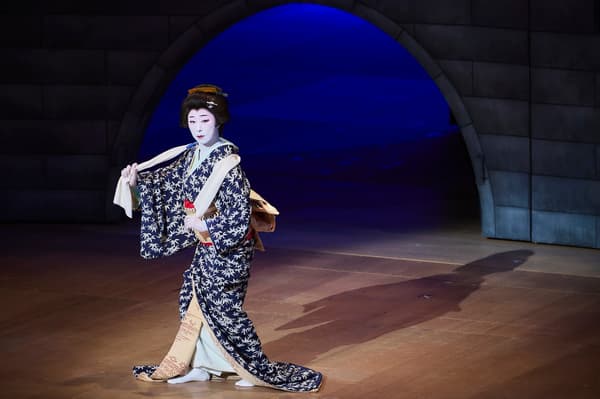
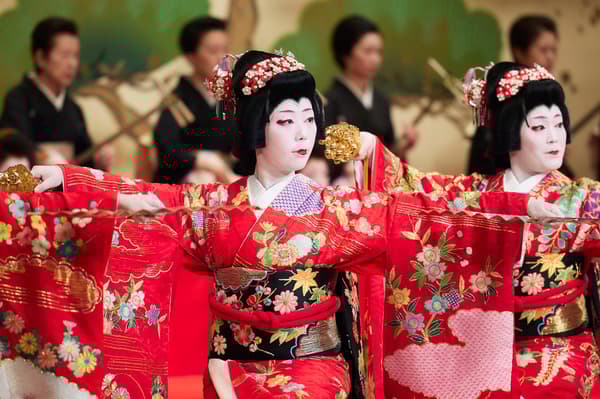
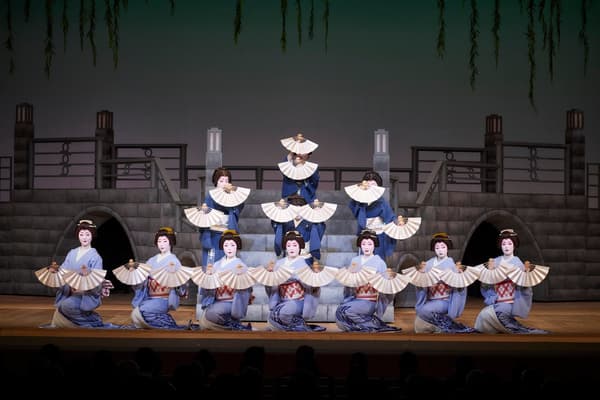
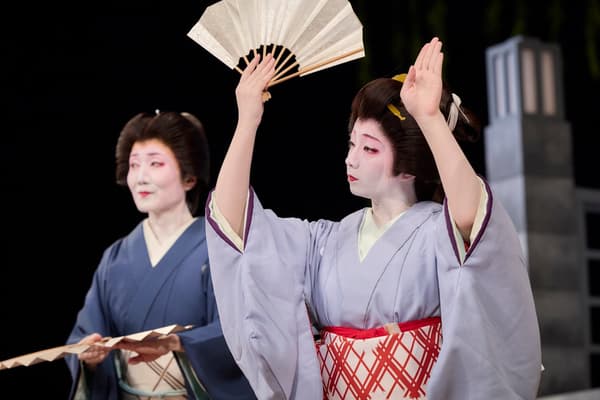
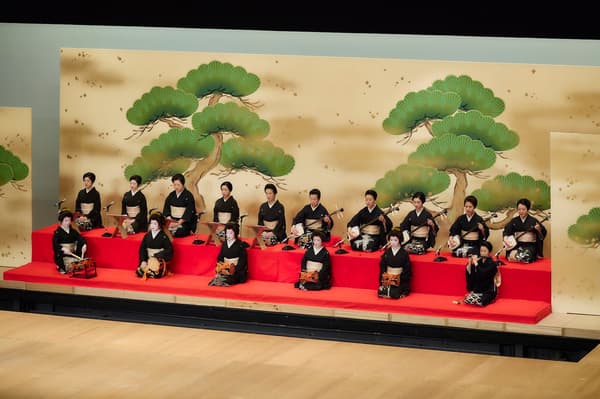
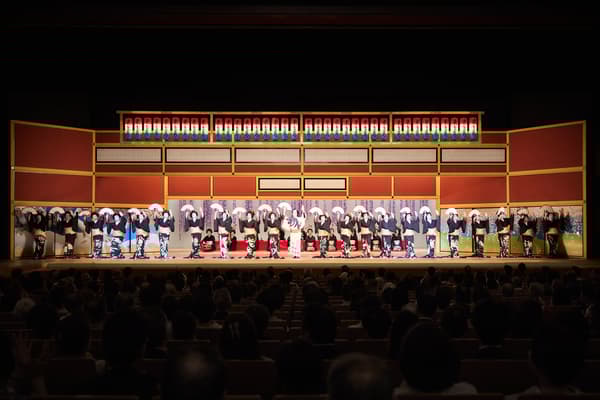
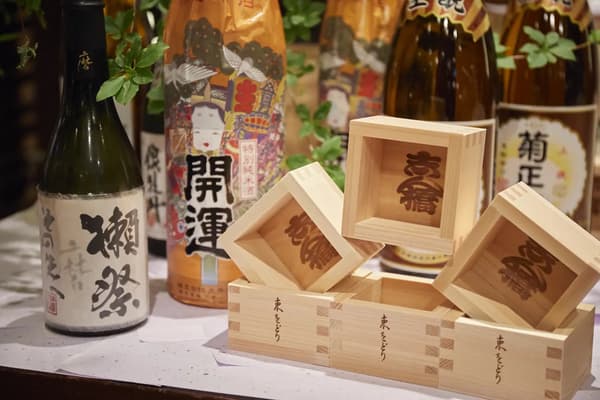
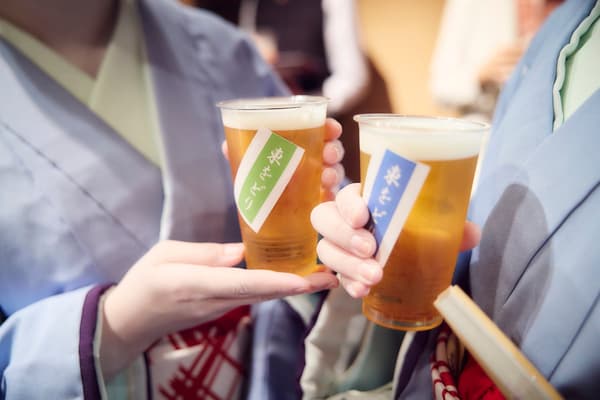
All prices include tax. As a general rule, tickets and advance meal vouchers are non-refundable except in the event of a performance cancellation. Photos are from the 100th Azuma Odori.