Ramen is one of Japan's defining foods. What started as a simple Chinese-influenced noodle soup has turned into an entire culinary universe, with each region developing its own broth, toppings, and noodle style. For visitors, eating ramen in Japan is often a highlight of the trip, and the sheer variety can be overwhelming.
This guide breaks down the main regional ramen styles, explains how ordering works at a typical ramen shop, and points you to some of the best spots across the country.
How Ramen Works in Japan
Before diving into regional styles, here is what you need to know about eating ramen at a Japanese shop.
The Ticket Machine (Shokkenki)
Most ramen restaurants in Japan use a ticket machine (食券機, shokkenki) instead of ordering from a server. You will encounter one right inside the entrance.
Here is how it works:
- Look at the machine. Buttons display menu items, usually with pictures. Some machines have an English option, but many do not.
- Insert money. Most machines accept coins and 1,000 yen bills. Some accept credit cards or IC cards (Suica/Pasmo), but cash is still the safest bet.
- Press the button for the item you want. The top-left button is almost always the shop's signature bowl.
- Collect your ticket(s) and change from the machine.
- Hand the ticket to the staff when you sit down. At counter-style shops, place it on the counter in front of you.
If you cannot read the menu, look for photos on the machine or on the wall behind it. Pointing at another customer's bowl and saying "onaji de" (same thing, please) also works in a pinch.
Ordering Extras and Customization
Many ramen shops let you customize your order. At Hakata-style shops, you will often be asked about noodle firmness:
- Barikata (バリカタ) - very firm
- Kata (カタ) - firm
- Futsu (普通) - regular
- Yawarakame (やわらかめ) - soft
Some shops also ask about broth richness (kotteri for rich, assari for light) and garlic level. If you are not sure, "futsu" (regular) is always a safe choice.
Ramen Etiquette
Slurping noodles is not only acceptable in Japan, it is encouraged. Slurping aerates the noodles and helps cool them down. You will hear everyone in the shop doing it.
Other useful tips:
- Eat quickly. Ramen noodles absorb broth and get soggy fast, especially thin Hakata-style noodles.
- Use the spoon provided for drinking broth. Lifting the bowl is also fine.
- Most ramen shops are small and busy. Lingering after finishing is considered inconsiderate, especially during peak hours.
- Tipping is not practiced in Japan. Just say "gochisosama deshita" (thank you for the meal) when you leave.
Regional Ramen Styles Across Japan
Japan has dozens of distinct local ramen styles. Here are the most well-known ones, organized by region.
Hakata Tonkotsu Ramen (Fukuoka)
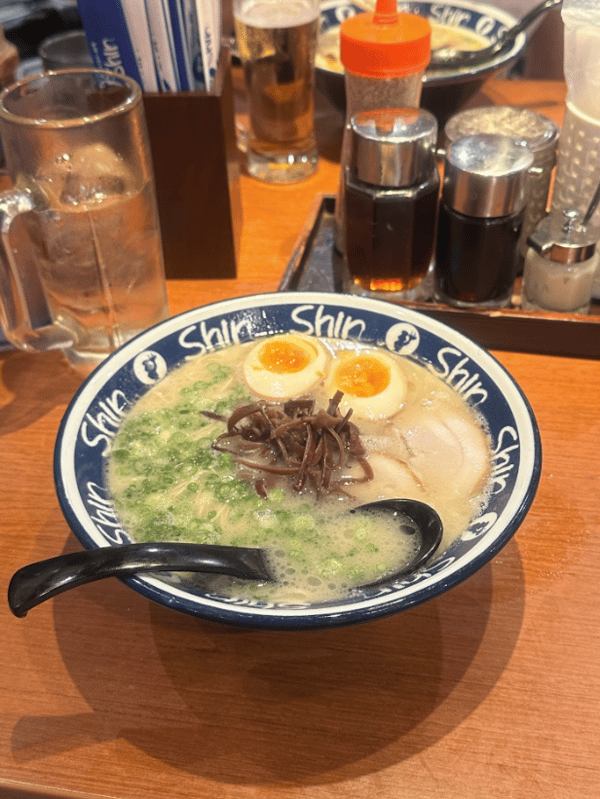
Hakata ramen from Fukuoka is probably the most internationally famous style. The broth is made by boiling pork bones for hours until the soup turns creamy white. The noodles are thin and straight, served firm by default.
Key characteristics:
- Milky white tonkotsu (pork bone) broth
- Thin, firm noodles
- Toppings: chashu pork, green onions, pickled ginger (beni shoga), sesame seeds
- Kaedama system: order an extra serving of noodles to add to your remaining broth (usually 100 to 200 yen)
Fukuoka has ramen shops on practically every block. Yatai (outdoor food stalls) along the Naka River in Tenjin serve ramen late into the night, and they are a unique Fukuoka experience on their own.
If you are visiting Fukuoka and want to explore the food scene:
For a guided food tour that includes Hakata ramen and other local specialties:
Sapporo Miso Ramen (Hokkaido)
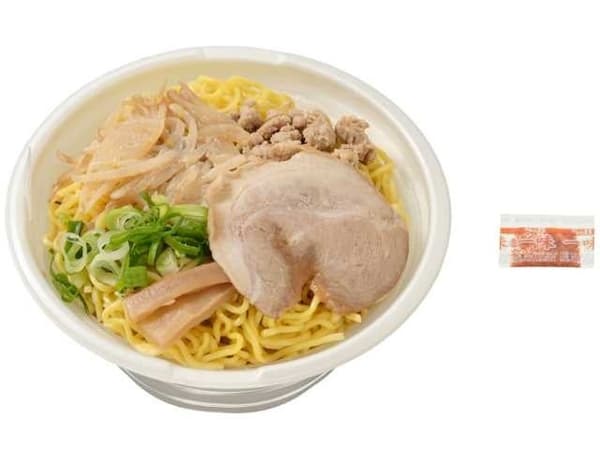
Sapporo, the capital of Hokkaido, is the birthplace of miso ramen. The style developed in the 1950s and is built to handle Hokkaido's harsh winters.
Key characteristics:
- Rich miso-based broth, often blended with tonkotsu or chicken stock
- Medium-thick, curly noodles that hold the heavy broth well
- Toppings: stir-fried bean sprouts, ground pork, corn, butter, green onions
- A pat of butter and sweet corn on top is a popular Hokkaido variation
The most famous ramen street in Sapporo is Ramen Yokocho (Ramen Alley) in Susukino. This narrow alley has about 17 ramen shops packed side by side. It has been serving visitors since 1951.
Other notable Sapporo-area ramen shops include Sumire, known for its intensely rich miso broth with a layer of lard on top that keeps the soup hot.
Tokyo Shoyu Ramen
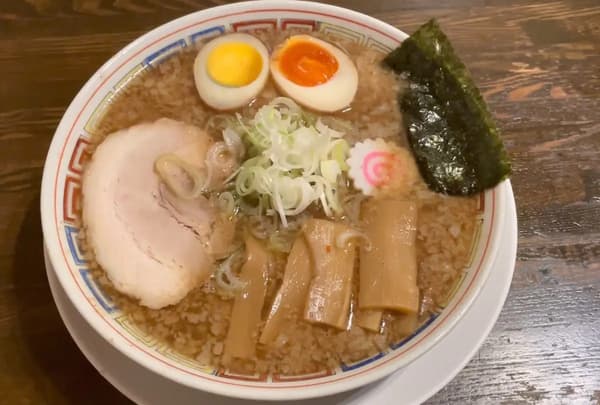
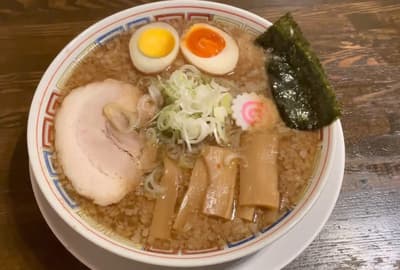
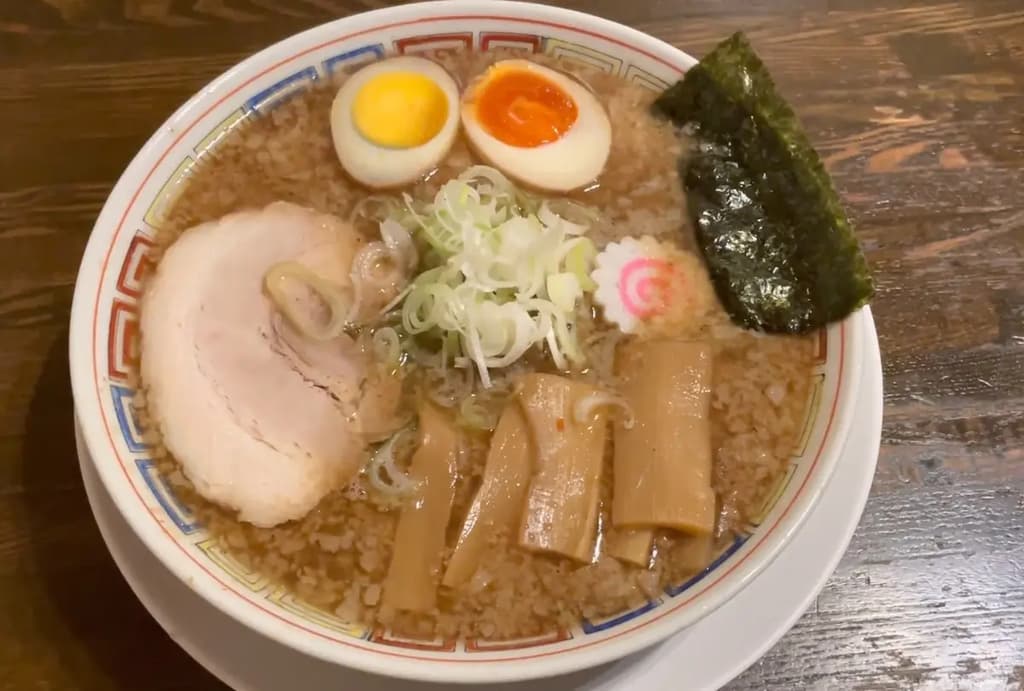
Tokyo shoyu (soy sauce) ramen is often considered the "classic" style, and it is what many people picture when they think of ramen. The broth is relatively clear and brown, made with chicken or pork stock flavored with soy sauce.
Key characteristics:
- Clear, brown soy sauce-based broth
- Medium-thick, slightly curly noodles
- Toppings: chashu pork, menma (fermented bamboo shoots), nori seaweed, a soft-boiled egg (ajitama), green onions
- Lighter and more balanced compared to Hakata or Sapporo styles
Tokyo is home to more ramen shops than any other city in Japan, and the variety is staggering. Beyond classic shoyu, you will find shops specializing in every style imaginable.
For a staff-written guide to ramen shop hopping in Tokyo:
Kitakata Ramen (Fukushima)
Kitakata, a small city in Fukushima Prefecture, has the highest number of ramen shops per capita in Japan. The local style is straightforward and satisfying.
Key characteristics:
- Clear pork and niboshi (dried sardine) broth with soy sauce seasoning
- Thick, flat, curly noodles with a chewy texture
- Toppings: chashu pork, green onions, menma, naruto (fish cake)
- Served in relatively large portions
Kitakata ramen shops typically open early in the morning, and locals eat ramen for breakfast. This is called "asa-ra" (morning ramen). If you are in the Fukushima area, waking up early for a bowl is a genuinely local experience.
Kyoto Chicken Broth Ramen
Kyoto does not have a single dominant ramen style, but the city is known for rich chicken-based broths. Tori paitan (chicken white broth) ramen has become increasingly popular.
Key characteristics:
- Thick, creamy chicken broth (tori paitan) or lighter chicken clear broth (chintan)
- Medium noodles, straight or slightly curly
- Toppings: chicken chashu, green onions, fried garlic chips
- Some shops add a layer of chicken fat on top for richness
Tenkaippin, a chain that originated in Kyoto, is famous for its incredibly thick chicken broth. The "kotteri" (rich) option is so dense it practically coats the noodles. Tenkaippin has branches nationwide, but visiting the original area shops in Kyoto feels right.
Wakayama Ramen
Wakayama ramen is sometimes called "chuka soba" (Chinese noodles) by locals, and it is an underrated style that deserves attention.
Key characteristics:
- Two main types: a soy sauce-tonkotsu blend, and a straight soy sauce broth
- Thin, straight noodles
- Toppings: chashu, green onions, menma, kamaboko (fish cake)
- Some shops put sushi (hayazushi, pressed mackerel sushi) and boiled eggs on tables as free sides. You take what you want and pay by counting empty plates when you leave.
The honor system with table sushi is something you will not find anywhere else in Japan.
Onomichi Ramen (Hiroshima Prefecture)
Onomichi, a scenic port town in Hiroshima Prefecture, has its own distinct ramen with a twist: chicken fat.
Key characteristics:
- Soy sauce-based broth with chicken and fish stock
- A distinctive layer of melted chicken back-fat (seabura) floating on top
- Flat, medium-width noodles
- Toppings: chashu, green onions, menma
The seabura adds a rich, savory layer that makes each sip taste different depending on how much fat you scoop up.
Hakodate Shio Ramen (Hokkaido)
Hakodate, on the southern tip of Hokkaido, is known for shio (salt) ramen. This is the lightest and most delicate of Japan's major ramen styles.
Key characteristics:
- Clear, golden salt-based broth with pork and chicken stock
- Straight, medium-thin noodles
- Toppings: chashu, green onions, menma, nori, spinach
- Clean, simple flavor that highlights broth quality
The clarity of the broth is the mark of a good Hakodate ramen shop. You can see through to the bottom of the bowl.
Nagoya Taiwan Ramen
Despite the name, Taiwan ramen was invented in Nagoya by a Taiwanese immigrant named Kuo Ming-yu at his restaurant Misen in the 1970s. It has nothing to do with Taiwan.
Key characteristics:
- Soy sauce or chicken broth topped with spicy ground pork and garlic chives
- Medium noodles
- Heavy use of chili peppers and garlic
- Spicier than most Japanese ramen styles
This is not a subtle bowl. Taiwan ramen hits you with garlic, chili, and minced pork right away. The original Misen restaurant still operates in Nagoya with several branches.
Specialty and Modern Ramen Styles
Beyond regional classics, Japan's ramen scene includes several specialty categories.
Tsukemen (Dipping Ramen)
Tsukemen separates the noodles and broth into two bowls. You dip cold or room-temperature noodles into a concentrated, hot broth. The dipping sauce is usually thicker and more intensely flavored than regular ramen broth.
Tsukemen was invented by Kazuo Yamagishi at Taishoken in Higashi-Ikebukuro, Tokyo, in 1961. The shop still operates today. Portions tend to be larger than regular ramen, making tsukemen popular for big eaters.
When you finish the noodles, ask for "soup-wari" - the staff will add hot broth to dilute your dipping sauce so you can drink it as a soup.
Tantanmen
Japanese tantanmen is inspired by Sichuan dan dan noodles but adapted for Japanese tastes. The broth is typically creamier, often using sesame paste and chili oil over a tonkotsu or chicken base.
The result is a spicy, nutty, rich bowl that differs significantly from its Chinese counterpart. Many shops offer both regular and spicy levels.
Vegan and Vegetable-Based Ramen
Finding vegetarian or vegan ramen in Japan used to be difficult, but options have expanded significantly in recent years. Some shops now offer plant-based tonkotsu alternatives made from soy milk or cashew cream, and vegetable-based broths flavored with kombu (kelp), shiitake mushrooms, and soy sauce.
Major cities like Tokyo, Kyoto, and Osaka have dedicated vegan ramen shops. T's TanTan at Tokyo Station is a well-known option that serves vegan tantanmen in a convenient location.
Practical Tips for Ramen Hunters
Best Times to Go
- Lunch (11:00 to 14:00) is the busiest time at most ramen shops. Lines at popular spots can stretch to 30 to 60 minutes.
- Off-peak (14:00 to 17:00) is ideal for avoiding crowds.
- Late night (21:00 to midnight) works well in cities like Tokyo and Fukuoka, where many shops stay open late.
How Much Ramen Costs
A standard bowl of ramen costs between 800 and 1,200 yen at most shops. Toppings like extra chashu, ajitama (seasoned egg), or nori add 100 to 300 yen each. Kaedama (extra noodles) at Hakata-style shops is usually 100 to 200 yen.
High-end or specialty ramen can run 1,500 to 2,000 yen. Ramen is still one of the most affordable meals in Japan.
Ramen Streets and Food Halls
Several cities have dedicated ramen complexes where multiple shops operate under one roof:
- Shin-Yokohama Ramen Museum (Yokohama) - A recreation of 1958 Tokyo streetscapes with ramen shops from across Japan. You can order "mini" portions to try several styles.
- Tokyo Ramen Street (Tokyo Station) - Eight carefully selected ramen shops in the underground dining area of Tokyo Station. Convenient for travelers passing through.
- Sapporo Ramen Yokocho (Sapporo) - The original ramen alley with 17 shops in Susukino.
- Fukuoka Ramen Stadium (Canal City Hakata) - Multiple ramen shops from different regions inside a shopping mall.
Useful Japanese Phrases
| English | Japanese | Pronunciation |
|---|---|---|
| One person | 一人です | Hitori desu |
| Two people | 二人です | Futari desu |
| Regular firmness | 普通で | Futsu de |
| Firm noodles | 硬めで | Katame de |
| Extra noodles | 替え玉お願いします | Kaedama onegaishimasu |
| No green onions | ネギ抜きで | Negi nuki de |
| Thank you for the meal | ごちそうさまでした | Gochisosama deshita |
| Excuse me (to call staff) | すみません | Sumimasen |
Where to Eat Ramen by City
Tokyo
Tokyo has thousands of ramen shops covering every style. For first-time visitors, Tokyo Ramen Street at Tokyo Station lets you try several shops without traveling far. Shinjuku, Ikebukuro, and Ebisu are also packed with ramen options.
For a food tour that includes ramen spots in Tokyo:
Fukuoka
Fukuoka is the tonkotsu capital. Beyond dedicated ramen shops, the yatai stalls along the river are a one-of-a-kind experience. The Nakasu and Tenjin areas have the highest concentration of both yatai and ramen shops.
Sapporo
Head to Ramen Yokocho in Susukino for the classic Sapporo miso experience. For something off the beaten path, Sapporo's suburbs have excellent shops without the tourist crowds.
Osaka
Osaka is not known for a single ramen style, but the city's food-obsessed culture means the quality is extremely high across the board. The Shinsekai and Namba areas have many solid options.
Kyoto
Look for chicken-broth specialists in the city center. Ichijoji area, northeast of central Kyoto, is sometimes called "Ramen Street" for its concentration of shops.
Beyond the Bowl
Ramen culture in Japan extends beyond restaurants. Convenience stores sell fresh ramen kits for about 300 to 500 yen, and they are surprisingly good. Instant ramen from brands like Nissin, Maruchan, and Sapporo Ichiban makes a popular souvenir. Regional instant ramen varieties from airports and train station shops are particularly good gifts.
For a food-focused experience during your Japan trip, consider joining a guided food tour. Local guides know which shops are worth the wait and can help navigate menus and ticket machines.