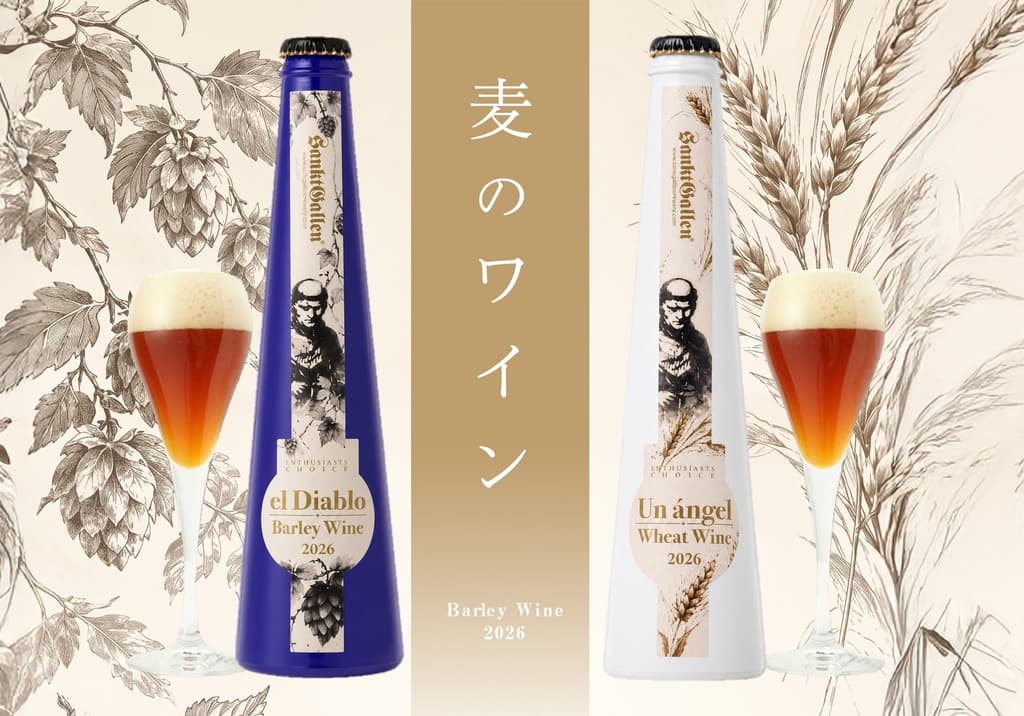
Sankt Gallen Brewery (サンクトガーレン) of Atsugi, Kanagawa, will release two types of "Mugi no Wine" (麦のワイン) on Thursday, November 19, 2026, the Beaujolais Nouveau release day. The beers have an alcohol content of 10% and can keep aging after purchase. Each type is limited to 6,000 bottles. See the Mugi no Wine product page for details.
Mugi no Wine is a beer that can be aged at home for one year, two years, and beyond after purchase. Drunk right away, it offers a rich, powerful taste. Aged over time, it changes into a more complex and deeper flavor.
The Origins of Mugi no Wine
The origins of Mugi no Wine are said to lie in 19th-century England, a cold country unsuited to grape growing, where beer was brewed to compete with French wine.
At that time there was only one type, "Barley Wine" (バーレイワイン), made mainly from barley malt. In the 1980s, "Wheat Wine" (ウィートワイン), made mainly from wheat malt, was born in the United States. Sankt Gallen Brewery has sold Barley Wine since 2006 and added Wheat Wine in 2012, and now brews both.
Both Barley Wine and Wheat Wine use the same raw materials as ordinary beer: only malt, hops, water, and brewer's yeast. They are used in larger amounts than in ordinary beer to raise the alcohol content as far as possible.
Rich, Long-Matured, and 10% ABV
In the brewery's comparison data, the "ordinary beer" figures, which serve as the basis for the "usual amount" comparisons below as well, are those of its own Golden Ale.
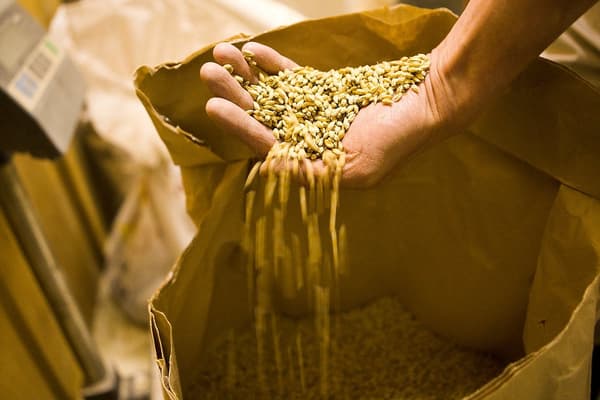
About three times the usual amount of malt is used. Because only the high-concentration part of the wort is used, the brewery's equipment, which normally makes about 2,000 L of beer per batch, can make only 1,000 L of Mugi no Wine, half as much.
The beer is characterized by a very rich, honey-like, syrupy mouthfeel that concentrates the umami of the grain. Wheat malt, the main ingredient of Wheat Wine, contains more protein than barley malt, so the viscosity is higher and the "thickness" is felt even more strongly.
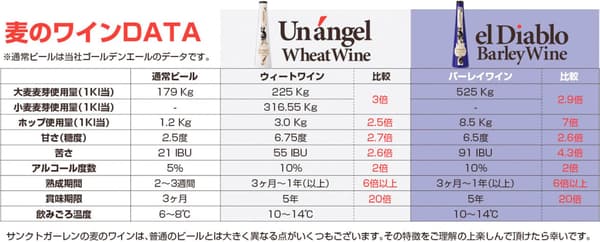
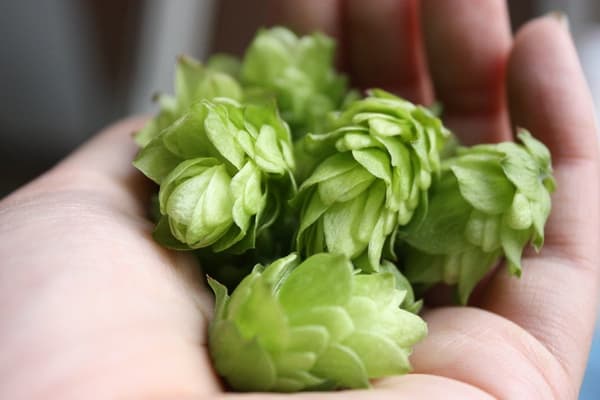
Hops, the source of beer's bitterness and aroma, are used at 2.5 times the usual amount in Wheat Wine and about 7 times in Barley Wine. As a result, Barley Wine in particular combines a richness incomparable to ordinary beer with a vivid aroma and a heavy bitterness.
The maturation period is at least six times that of ordinary beer, and the tanks are occupied for a long time, even during the busy summer season. The burden comes not only from the cost of raw materials but also from tying up the brewing equipment, and few makers in Japan produce this style.
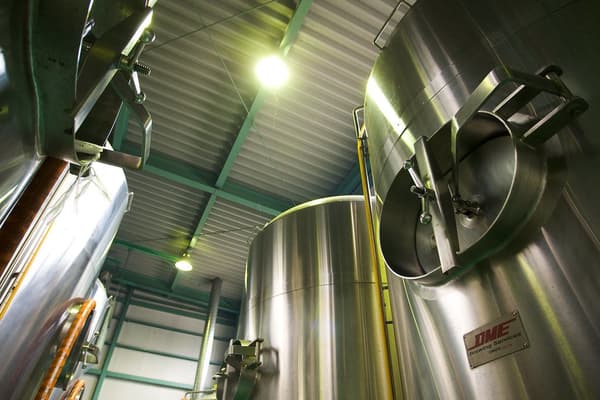
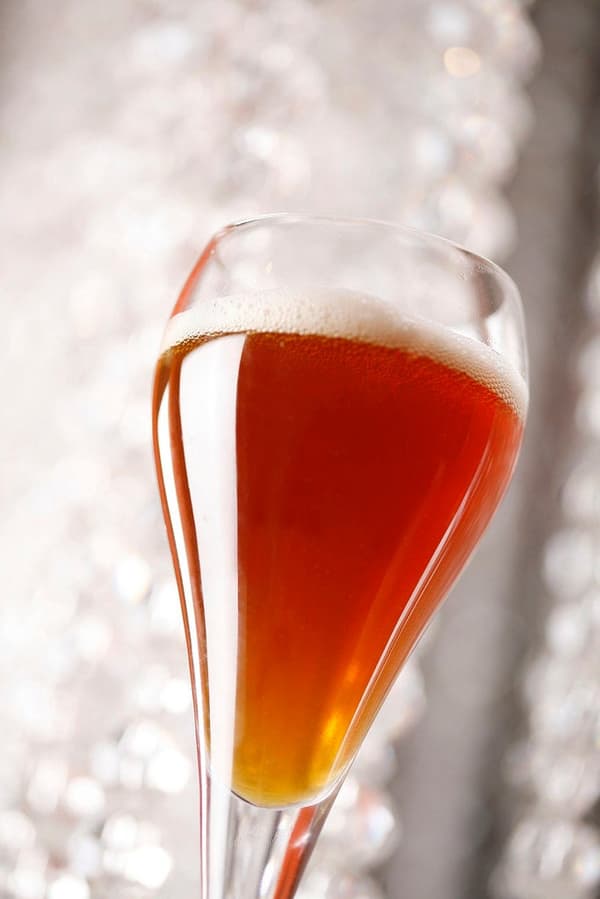
Both beers are 10% alcohol, about twice that of ordinary beer. Since they have already gone through a sufficient maturation period by the time they ship, they have an aged character reminiscent of brandy even when drunk right away. Aging them at home after purchase, for one year, two years, and more, deepens the aroma and taste and adds complexity. The best-before date is five years.
Overturning the "Freshness Is Everything" Rule: A Beer You Age to Your Own Taste
Freshness just after brewing is generally prized in beer, but Mugi no Wine is also appreciated for how its flavor changes over time, and it is popular with beer fans who enjoy aging.
Some people buy several bottles, age them at home, and compare them with the previous year's. Others buy a bottle to mark an occasion such as a marriage or the birth of a child and open it in a milestone year. As time passes, a sweetness stronger and more complex, like dried fruit and caramel intertwined, develops.
Sankt Gallen Brewery finishes its Mugi no Wine with "bottle conditioning" (瓶内二次発酵), a method also used for Champagne. Old yeast is removed from the finished beer, and fresh brewer's yeast and sugar (wort) are added before the beer is bottled by hand, one bottle at a time.
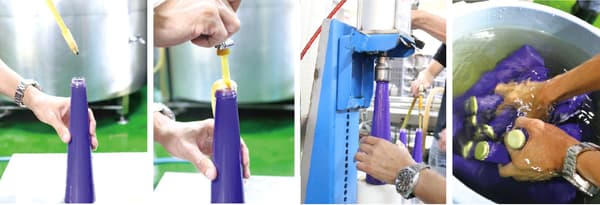
The yeast ferments again inside the bottle, and the naturally generated carbon dioxide dissolves into the beer. No carbon dioxide is added artificially, so this is a "living beer" that undergoes secondary fermentation in the bottle.
Released Every Year on the Same Day as Beaujolais Nouveau
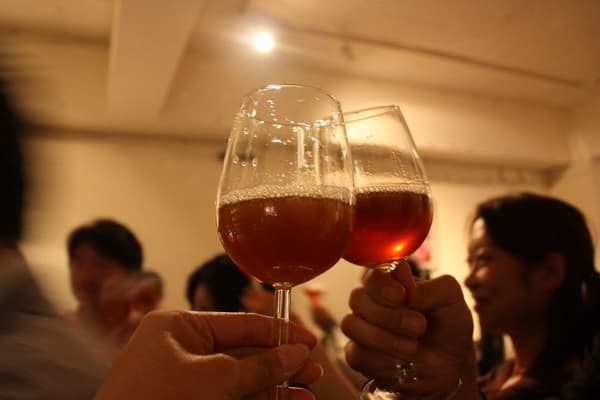
The Beaujolais Nouveau release day is a major event for the alcohol industry every year. The shops that stock Sankt Gallen Brewery's beers are no exception, and even beer bars that do not usually serve wine put Beaujolais Nouveau on the menu only at this time of year.
Questioning this situation, the brewery wanted to offer "a beer bar's own way of enjoying the Beaujolais Nouveau release day," and chose Barley Wine as a beer that can stand up to wine.
Barley Wine was first released in 2006. Since then, it has been released every year to coincide with the Beaujolais Nouveau release day, suggesting a way to enjoy the day that only beer can offer.
The Two Mugi no Wine Beers
- Release date: Thursday, November 19, 2026 (limited to 6,000 bottles each)
- Where to buy bottles: The brewery's official online shop, Odakyu Department Store Shinjuku (小田急百貨店 新宿店), Tobu Department Store Ikebukuro (東武百貨店 池袋店), Osaka Takashimaya (大阪タカシマヤ), and others
- The list of stores will be updated on the official website as needed after the release date.
- Each store receives a limited quantity, so it may sell out.
Barley Wine (大麦のワイン)
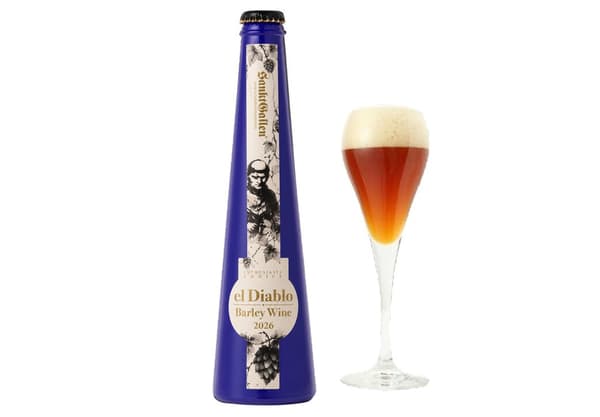
- Style: Barley Wine (バーレイワイン)
- Product name: el Diablo 2026 (エル ディアブロ2026, meaning "devil")
- Main ingredient: Barley malt
- Bottle size: 300 ml
- Alcohol content: 10%
- Suggested retail price: ¥1,100 including tax
Wheat Wine (小麦のワイン)
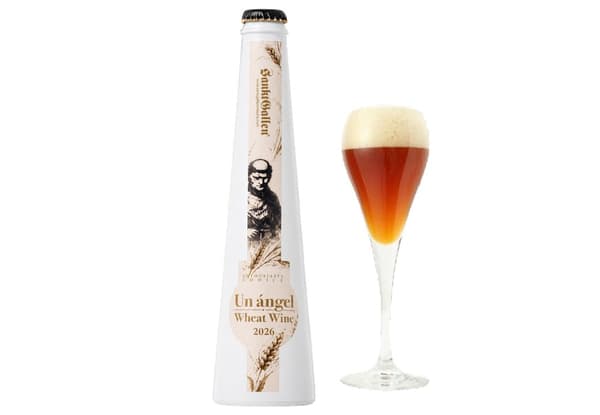
- Style: Wheat Wine (ウィートワイン)
- Product name: Un ángel 2026 (ウン アンヘル2026, meaning "angel")
- Main ingredient: Wheat malt
- Bottle size: 300 ml
- Alcohol content: 10%
- Suggested retail price: ¥1,100 including tax
How Does One Year of Aging Change the Taste? Comparing Four Mugi no Wine Beers From 2025 and 2026 at the Taproom
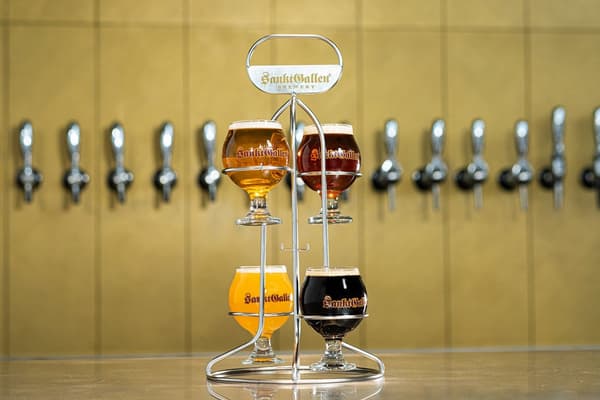
At the brewery's directly operated Sankt Gallen Taproom (サンクトガーレン タップルーム), right by the North Exit of Hon-Atsugi Station, the following four beers will be available on draft for a while starting November 19, 2026:
- 1-year-aged Barley Wine made in 2025
- Barley Wine made in 2026
- 1-year-aged Wheat Wine made in 2025
- Wheat Wine made in 2026
With the tasting set of four beers of your choice, you can compare all four types of Mugi no Wine at once. Because Mugi no Wine is high in alcohol, it is served in portions of about half a glass.
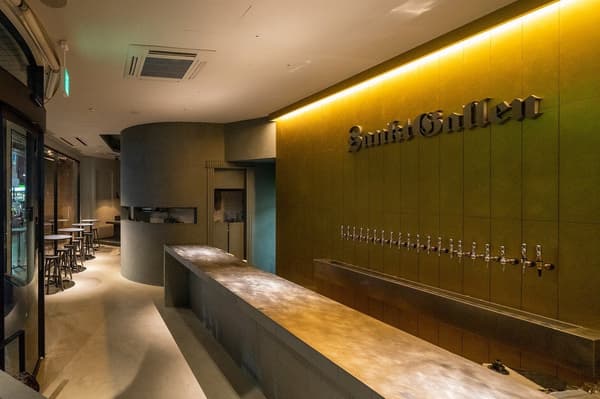
A "tap" is a beer spout, and a taproom is a bar specializing in beer. Sankt Gallen Taproom has 20 taps, the most in the central Kanagawa area, and all 20 beers on offer are brewed by Sankt Gallen Brewery alone. The lineup is varied, from classic styles such as pale ale and IPA, to fruit beers made with seasonal fruits such as Shonan Gold oranges, pears, peaches, and apples, to dark beers with a flavor like vanilla chocolate.
The taproom also stocks 15 kinds of cheese from around the world. The rich sweetness and heavy taste of Mugi no Wine pair well with cheese, and the pairing changes with the type of cheese.
Taproom Information
- Address: Hon-Atsugi Mylord ② (本厚木ミロード②) 1F, 2-2-1 Nakacho, Atsugi, Kanagawa (right by the North Exit of Hon-Atsugi Station)
- Phone: 046-230-7017
- Hours: Sunday to Thursday, 12:00 PM to 10:00 PM. Friday, Saturday, and days before national holidays, 12:00 PM to 11:00 PM. Last order is 1 hour before closing for food and 30 minutes before closing for beer.
- Official website: https://www.sanktgallenbrewery.com/taproom/
- Instagram: https://www.instagram.com/sanktgallen_taproom/
- Seat reservations: https://yoyaku.tabelog.com/yoyaku/net_booking_form/index?rcd=14084766