Sendai at a Glance
Sendai is the largest city in the Tohoku region and sits about 1 hour 36 minutes from Tokyo by Shinkansen. It carries the nickname "City of Trees" thanks to its tree-lined avenues — especially Jozenji-dori, where towering zelkova trees form a green tunnel through downtown. The city was founded by Date Masamune, one of the most famous feudal lords in Japanese history, and his legacy shapes much of what you'll see and eat here.
For travelers heading to northern Japan, Sendai works well as a base. The city itself has enough history, food, and nightlife to fill two full days, and Matsushima Bay and Akiu Onsen are both easy half-day trips.
Sendai Castle Ruins (Aoba Castle)
The hilltop site of Sendai Castle offers the best panoramic view of the city, with downtown Sendai spread out below and the Pacific Ocean visible on clear days. The original castle was built by Date Masamune in 1601 but was destroyed during World War II — what remains is the stone wall foundations and the famous bronze equestrian statue of Masamune himself.
The castle grounds are free to enter. The Aoba Castle Museum on site (770 yen for adults, 550 yen for students) covers the Date clan's history and includes a CG recreation of the original castle. Museum hours run 9:00 to 17:00 from April through October, closing at 16:00 during winter months.
How to get there: Take the Loople Sendai sightseeing bus from Sendai Station to the "Sendai Castle Ruins" stop. The Tozai Subway Line to Aobayama Station is another option, though you'll need to transfer to a city bus from there. Be ready for a stair climb up to the main ruins area.
Address: 1 Kawauchi, Aoba-ku, Sendai
Zuihoden Mausoleum
Zuihoden is the ornate mausoleum of Date Masamune, set deep in a cedar forest on a hillside south of the city center. The original building was lost to wartime air raids and rebuilt in the 1970s using historical records, but the level of detail in the black lacquer and gold leaf decoration is remarkable. The complex also includes the mausoleums of Masamune's son and grandson.
Admission is 570 yen for adults and 210 yen for children. Opening hours are 9:00 to 16:50 (last entry 16:30) from February through November, with slightly shorter hours from December through January. The only closing day is December 31. Note that credit cards are not accepted at the ticket counter.
How to get there: The Loople Sendai bus stops at "Zuihoden-mae" (the 4th stop on the route), and the ride from Sendai Station takes about 15 minutes. By taxi, it's around 10 minutes. Be prepared for a steep approach — about 80 stone steps lead up to the entrance.
Address: 23-2 Otamayashita, Aoba-ku, Sendai
Osaki Hachimangu Shrine
This shrine holds the designation of National Treasure, and for good reason. Built in 1607 under Date Masamune's orders, the main hall features lavish black lacquer and gold decoration that represents early Edo-period craftsmanship at its peak. It's one of the oldest surviving examples of the Momoyama architectural style in the Tohoku region.
The shrine grounds are free to enter, and prayer reception runs from 9:00 to 16:00. Every January, the shrine hosts the Dontosai Festival, where thousands of participants parade through the streets before a massive bonfire — one of the most intense winter festivals in northern Japan.
How to get there: The Loople Sendai bus stops at Osaki Hachimangu. Alternatively, take the JR Senzan Line to Kunimi Station and walk about 15 minutes.
Address: 4-6-1 Hachiman, Aoba-ku, Sendai
Sendai City Museum
If you want context on Date Masamune and the Date clan before visiting their castle and mausoleum, start here. The museum holds around 90,000 items related to Sendai's history, including Masamune's armor, swords, and documents from the Keicho Embassy — a diplomatic mission he sent to Europe in 1613.
The museum sits near the base of the castle hill, and the Loople bus stops nearby. Check the museum's website for current exhibition schedules, as special exhibitions rotate throughout the year.
Jozenji-dori Avenue and Downtown Sendai
Jozenji-dori is the most recognizable street in Sendai. Four rows of zelkova trees line the central promenade, creating a canopy that shifts with the seasons — fresh green in spring, deep shade in summer, golden in autumn, and lit up with LED lights during the Pageant of Starlight in December.
The promenade itself is a pleasant 15-minute walk with sculptures placed along the median. Along the way, you'll pass cafes, galleries, and the Sendai Mediatheque — a glass-walled cultural center designed by architect Toyo Ito.
From Jozenji-dori, it's a short walk south to Kokubuncho, Sendai's main entertainment and nightlife district, where restaurants and bars fill the side streets.
Kokubuncho and Sendai's Bar Scene
Kokubuncho is where Sendai comes alive after dark. The district stretches across several blocks south of Jozenji-dori and ranks among the largest nightlife areas in Tohoku. You'll find everything from craft cocktail bars and standing sake bars to izakayas and late-night ramen shops.
If you want someone to show you around the local spots, a guided bar hopping tour can take the guesswork out of navigating a neighborhood where many shops have Japanese-only signage.
Iroha Yokocho and Bunka Yokocho
Tucked behind the main shopping arcades near Sendai Station, these narrow alleyways feel like a step back in time. Iroha Yokocho dates back to the post-war black market era and now houses tiny bars, kushiyaki grills, and standing-only sake spots. Bunka Yokocho sits nearby with a similar atmosphere.
These alleys are at their best in the evening when the lanterns come on and the counters fill up with office workers and locals. Most shops seat only 6 to 10 people, so the atmosphere stays intimate. This is where you'll get the most authentic Sendai dining experience without a reservation.
Sendai Morning Market (Sendai Asaichi)
For an early start, the Sendai Morning Market operates just a few minutes' walk from the station's east side. The market has been running since the post-war years and features around 70 shops selling fresh seafood, pickles, dried goods, and prepared food. It's smaller than the fish markets in Tokyo or Osaka, but the pace is relaxed and vendors are used to curious visitors.
Look for fresh sashimi sets, grilled seafood skewers, and seasonal fruit. The market is generally open from early morning through the afternoon, though individual shop hours vary.
Gyutan: Sendai's Signature Dish
Sendai is the birthplace of grilled beef tongue (gyutan), and eating it here is as close to non-negotiable as food gets. The standard gyutan set meal comes with thick-sliced, charcoal-grilled tongue, barley rice, pickled vegetables, and oxtail soup — a combination that has barely changed since the dish was popularized in the 1940s.
Where to eat gyutan:
- Gyutan Ryori Kaku — One of the older and more respected gyutan restaurants in the city. Their Nagamachi and Hatsukoidori locations are convenient for visitors.
- Kisuke at JR Sendai Station — Located in "Gyutan-dori" (Beef Tongue Street) on the station's third floor. This is the easiest strong option right off the Shinkansen.
- Tanya Zenjiro — A local favorite known for hand-prepared tongue. Popular with repeat visitors who know the city well.
- Rikyu — A reliable chain with several locations across the city. Good for a first-timer who doesn't want to overthink it.
Most gyutan set meals run between 1,500 and 2,500 yen.
Zunda: The Green Shake You Didn't Know You Needed
Zunda is a sweet paste made from crushed edamame, and it's Sendai's other signature flavor. You'll find it on mochi (zunda mochi), in parfaits, and — most popularly — blended into a thick, cold shake.
Zunda Saryo inside Sendai Station (3rd floor) is the go-to spot. The zunda shake (about 300 yen) is smooth, slightly sweet, and a good palate cleanser after a gyutan lunch. They also sell zunda mochi and other edamame-based sweets if you want to bring something back.
Day Trip to Matsushima Bay
Matsushima Bay, about 40 minutes from Sendai by JR Senseki Line, has been counted among Japan's three most scenic views for centuries. The bay holds over 260 small islands covered in pine trees, and the landscape shifts with the light and tide throughout the day.
What to do in Matsushima:
- Bay cruise: Boats depart hourly from 9:00 to 16:00 (the 16:00 sailing may not run in winter). The cruise takes 50 minutes and costs 1,500 yen for adults. An upper-deck upgrade is available for an extra 600 yen.
- Zuiganji Temple: One of the most important Zen temples in Tohoku, originally founded in 828. The current main hall was rebuilt by Date Masamune in 1609. Admission is 700 yen, and it's a 10-minute walk from JR Matsushima-Kaigan Station. Hours vary by season — from April through September, it's open 8:30 to 17:00.
- Entsuin Temple: Right next to Zuiganji, this smaller temple is known for its rose garden and the mausoleum of Masamune's grandson. Worth pairing together.
- Godaido Hall: A small vermilion-painted hall on a tiny island connected to the shore by a bridge. Free to visit and one of the most photographed spots in Matsushima.
Getting there: Take the JR Senseki Line from Sendai Station to Matsushima-Kaigan Station (about 40 minutes). The cruise pier, Zuiganji, and Godaido are all within walking distance of the station.
Akiu Onsen and the Gorge Country
Akiu Onsen is a hot spring area about 30 minutes west of Sendai by car or bus. It has been used as a bathing retreat since the 6th century — even Date Masamune designated it as his personal spa.
What to see around Akiu:
- Rairaikyo Gorge: A short, scenic gorge along the Natori River with walking paths and rock formations. The autumn foliage here (late October to early November) draws crowds, and the cherry blossoms in spring are worth the trip too.
- Akiu Great Falls (Akiu Otaki): One of Japan's Top 100 Waterfalls, this 55-meter cascade sits about 15 minutes deeper into the valley from Akiu Onsen. A short trail leads from the parking lot down to the viewing platform.
- Akiu Craft Village (Akiu Sato Center): A cluster of traditional craft workshops where you can watch artisans at work and try your hand at kokeshi doll painting or pottery.
If you want a more relaxed experience, several ryokan in the area offer day-use bathing, so you don't need to stay overnight to enjoy the hot springs.
Seasonal Festivals Worth Timing Your Trip Around
Sendai's festivals rank among the biggest in Tohoku, and timing your visit around one of them adds a dimension that regular sightseeing doesn't match.
- Sendai Aoba Festival (May 16-17, 2026): A spring festival celebrating Date Masamune and the founding of Sendai. The main event on May 17 features a parade of armored samurai, traditional dance troupes (suzume odori), and festival floats through the city center.
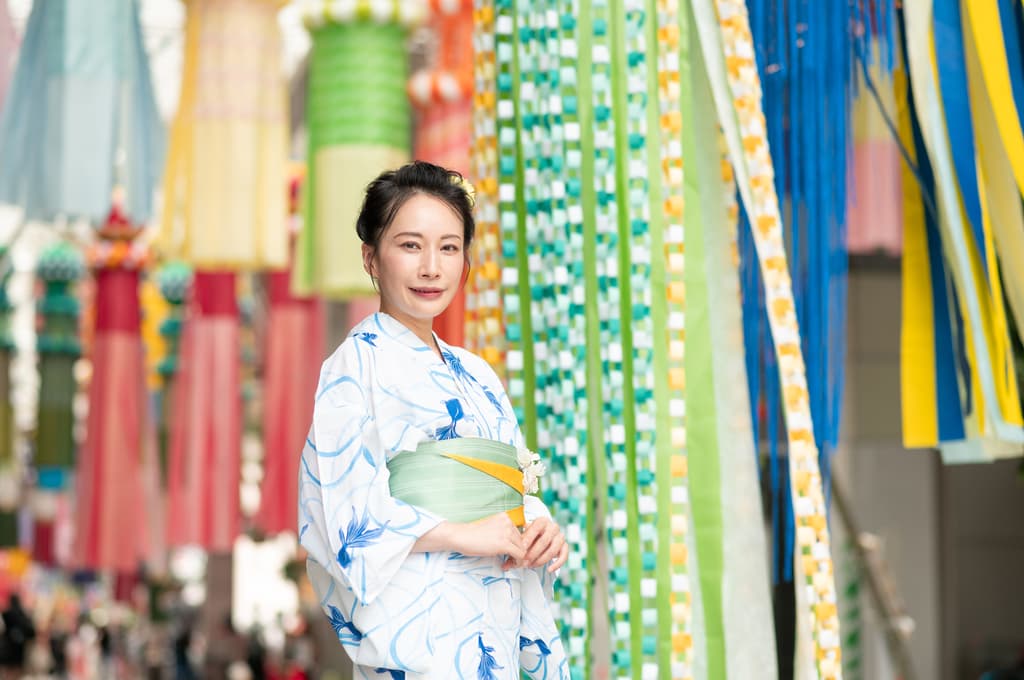
- Sendai Tanabata Festival (August 6-8): The largest Tanabata festival in Japan and one of the three great festivals of Tohoku. Thousands of handmade paper streamers (fukinagashi) hang from bamboo poles along the main shopping arcades. The Tanabata Fireworks show takes place on August 5, the evening before the festival opens.
- Jozenji Street Jazz Festival (early September): Over 700 bands perform on stages set up along Jozenji-dori and in parks across the city. The entire event is free, and the variety ranges from jazz and blues to funk and bossa nova.
- Pageant of Starlight (December): The zelkova trees along Jozenji-dori are draped in hundreds of thousands of LED lights, turning the avenue into a glowing winter corridor. This is Sendai's signature winter event and draws visitors from across the region.
Getting to Sendai
From Tokyo: The Tohoku Shinkansen Hayabusa runs from Tokyo Station to Sendai Station in about 1 hour 36 minutes. A one-way ticket costs around 10,890 yen. The slower Yamabiko service takes about 2 hours and is sometimes cheaper. Both are covered by the Japan Rail Pass.
From Sendai Airport: The Sendai Airport Access Line train runs between Sendai Airport Station and Sendai Station in about 17 minutes by rapid service (24 to 27 minutes by local). The fare is 660 yen.
Getting Around Sendai
The most efficient way to cover the main sights is the Loople Sendai sightseeing bus, a loop bus that connects Sendai Station with all the major attractions in a single circuit.
- One-day pass: 630 yen for adults, 320 yen for children
- Loople + Subway combo pass: 920 yen for adults
- Route: Sendai Station to Zuihoden, Sendai City Museum, Sendai Castle, Osaki Hachimangu, Sendai Mediatheque, and back to Sendai Station
- Schedule: Buses depart from Sendai Station West Exit (Stop 16) starting at 9:00 AM, with the last departure at 4:00 PM. Frequency is every 20 minutes on weekdays and every 15 minutes on weekends, holidays, and throughout August.
- Loop time: About 70 minutes for the full circuit
If you're planning a day trip to Matsushima as well, the Loople + Subway combo pass paired with a separate JR ticket to Matsushima-Kaigan covers both efficiently.
A Private Photoshoot in Sendai
Sendai has plenty of photogenic spots — the castle overlook, the tree-lined avenues, the quiet cedar forests around Zuihoden. If you'd like professional photos taken during your visit, a private photoshoot with a local photographer can cover the locations that suit you best.
Practical Tips for Visiting Sendai
- Best time to visit: Late April to early May for cherry blossoms along Jozenji-dori and in Tsutsujigaoka Park. August if you want the Tanabata Festival. October to November for autumn color at Akiu and Matsushima.
- How many days: Two days covers the city sights, gyutan, and a day trip. Three days lets you add Akiu Onsen or a slower pace.
- Cash vs. card: Many of the smaller restaurants, yokocho stalls, and even Zuihoden don't accept credit cards. Carry enough cash, especially for dining and temple admissions.
- Language: English signage is limited outside the main tourist spots. The Loople bus has English announcements, and Sendai Station has English information counters, but in Kokubuncho and the yokocho alleys, you'll mostly encounter Japanese-only menus.
- Luggage storage: Sendai Station has coin lockers on multiple floors. Large bags can also be stored at the station's luggage service counters.