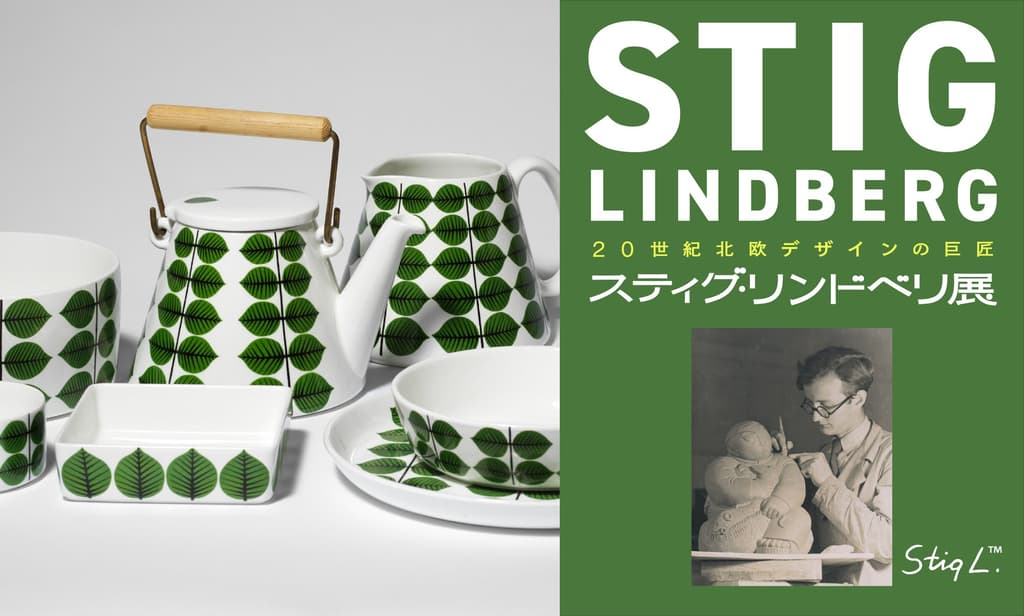
Swedish ceramicist and designer Stig Lindberg (1916–1982) remains one of the most beloved figures of 20th-century design around the world. He joined the Swedish porcelain maker Gustavsberg as a designer in 1937, and the designs he created while pursuing questions of function, harmony, and beauty — always ready to try new forms of expression — are still among the company's most popular products more than 40 years after his death.
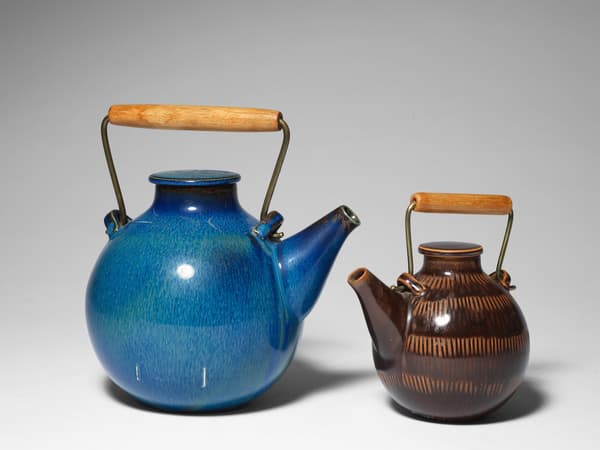
Yokohama Takashimaya is hosting the "Stig Lindberg Exhibition: Master of Scandinavian Design in the 20th Century," bringing together around 300 works spanning from the late 1930s, when he began his career, to the early 1980s, near the end of his life. The pieces on display range from tableware such as dishes and dinnerware to his popular faience (tin-glazed earthenware), one-of-a-kind studio works, textile prints and original sketches, and pieces he kept close to him until his final years — offering a comprehensive look at Lindberg's design world. Every work on display comes from Lindberg's own estate and his family's private collection. At a moment when modern Nordic design is drawing renewed attention, the exhibition rediscovers Stig Lindberg as one of the great pioneering artists of 20th-century design, presenting works and stories that have never before been introduced in Japan.
Exhibition Overview
Yokohama Takashimaya — 8th Floor Gallery
- Dates: September 9 (Wed) to 21 (Mon, holiday), 2026
- Hours: 10:00 AM to 6:30 PM (doors close at 7:00 PM); last day until 4:30 PM (doors close at 5:00 PM)
| Admission (tax included) | Price |
|---|---|
| General | ¥1,200 |
| University / high school students | ¥1,000 |
| Junior high school students and younger | Free |
Tickets can be purchased in advance via Asoview!, Lawson Ticket (L-code 34290), and 7-Eleven Ticket (7-code 116-092) until noon on September 21 (Mon, holiday).
- Organizer: Stig Lindberg Exhibition Executive Committee
- Special cooperation: Stig Lindberg Design AB, Vilastil Design & Production HB
- Support: Embassy of Sweden
- Cooperation: Finnair, Finnair Cargo
- Planning cooperation: Art Impression
For more details, visit the official exhibition website: https://www.stiglindberg-exhibition.jp
Message from the Exhibition Curator
Lars Dueholm-Lindberg
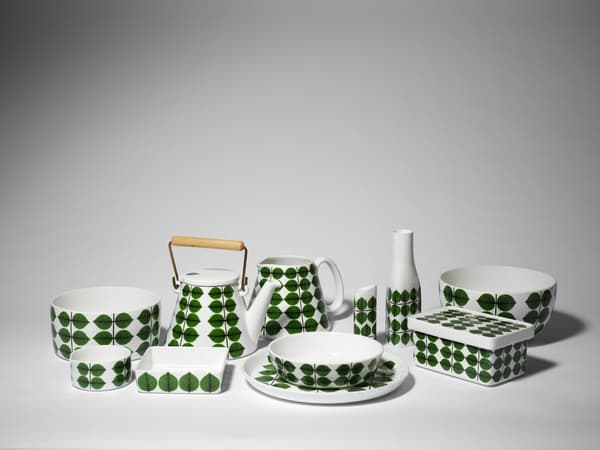
My father Stig grew up in Umeå, a city in northern Sweden known as the "City of Birches," and birch trees left a lasting mark on both his life and his creative work. His signature design Berså features a birch leaf motif, while Birka was inspired by the bark of the birch tree — both have remained beloved, timeless products for decades.
This exhibition presents a wide range of works Stig created from his early years through to the end of his life. I hope visitors will enjoy, here at the venue, the world of art and design he built over the course of his lifetime.
Profile: Lars is Stig Lindberg's eldest son. For many years he has worked to document and compile his father's artistic legacy and bring it to public audiences, organizing Stig Lindberg exhibitions in cooperation with renowned Swedish museums such as the Gustavsberg Porcelain Museum (2016), Millesgården Museum (2021–2022), and Västerbottens Museum (2022–2023), as well as Seibu Department Store in Tokyo (2017).
Exhibition Highlights
- Around 300 representative works, spanning from the late 1930s when Stig Lindberg began his career to the early 1980s near the end of his life, come together in one place — including pieces never before shown in Japan. All works on display come from Lindberg's estate and his family's private collection.
- Beyond his signature tableware, the exhibition showcases the full breadth of Lindberg's creativity, including his popular faience, one-of-a-kind artware, figurines, and textiles.
- The exhibition also features works inspired by Japanese aesthetics, reflecting Lindberg's deep affection for Japan and the many relationships he built with Japanese people during his lifetime.
About Stig Lindberg (1916–1982)
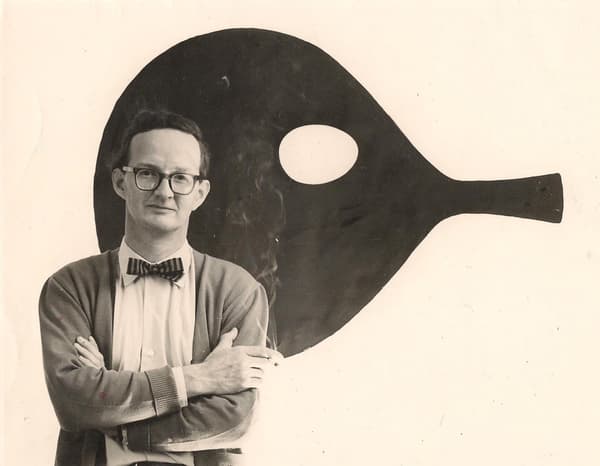
Lindberg joined the Swedish ceramics maker Gustavsberg as a designer in 1937. Pursuing questions of function, harmony, and beauty, and constantly experimenting with new forms of expression on the basis of original ideas, his designs remain highly regarded today and, more than 40 years after his death, are still cherished by many as some of the company's most popular products.
Born on August 17, 1916, in Umeå, Västerbotten County, in northern Sweden, Lindberg studied at Tekniska Skolan (a design school in Stockholm, now Konstfack, the University College of Arts, Crafts and Design) from 1935 to 1937. He joined Gustavsberg in 1937, training under art director Wilhelm Kåge, and married Gunnel in 1939. In 1949 he succeeded Kåge as Gustavsberg's art director, a role he held until 1957, and in 1954 he brought in Lisa Larson to join the workshop. During this period he also designed prints for overseas clients, including in New York, and illustrated children's books with author Lennart Hellsing.
In 1959 Lindberg traveled to Japan to promote Swedish design, visiting the traditional pottery towns of Seto and Shigaraki and designing wrapping paper for the Seibu department store. His best-known design, Berså, was released by Gustavsberg in 1960, and he received the Prince Eugen Medal the same year. In 1970 the Swedish government named him an honorary professor at Konstfack, and he returned to Gustavsberg as art director from 1972 to 1980, winning a gold medal at the 30th Faenza International Ceramic Art Competition in 1972. His wife Gunnel passed away in 1975, and in 1978 his work was shown in Japan as part of an exhibition on Scandinavian craft at the National Museum of Modern Art in Tokyo and Kyoto. In 1979 he moved to Italy and opened a studio there, and he passed away in Italy on April 7, 1984.
Retrospectives of his work have continued in the decades since, including a 2016 exhibition marking the 100th anniversary of his birth at the Gustavsberg Porcelain Museum, which was also shown in Japan at Seibu Ikebukuro in Tokyo, as well as later exhibitions at the Millesgården Museum (2021–2022) and Västerbottens Museum (2022–2023).
Exhibition Chapters
Chapter 1: Tableware, 1940–1980
This chapter offers a comprehensive look at Lindberg's tableware, from his earliest work around 1940 to his final designs of the early 1980s. Alongside famous 1950s and 1960s series such as Berså, Prunus, Salix, and Pynta, it also includes series less familiar to Japanese audiences, such as Ting.
Chapter 2: "H55" (International Exhibition of Architecture and Industrial Design)
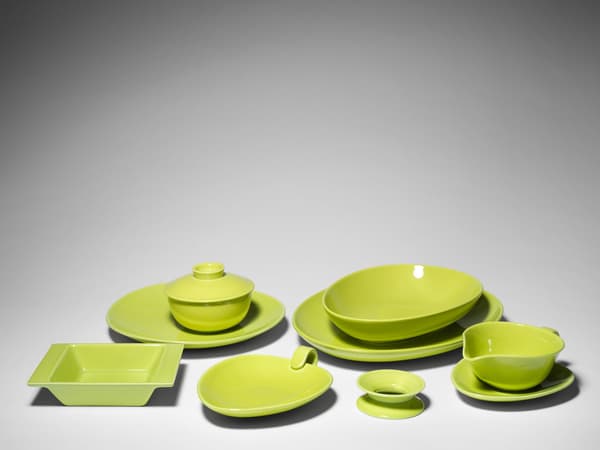
H55 was a landmark international exhibition of architecture and industrial design held in Helsingborg, Sweden, in 1955, and it played a key role in shaping 20th-century Nordic design. This chapter presents the stoneware tableware series Lindberg showed there, including Terma, Spisa Ribb, Colorado, and Domino.
Chapter 3: Faience
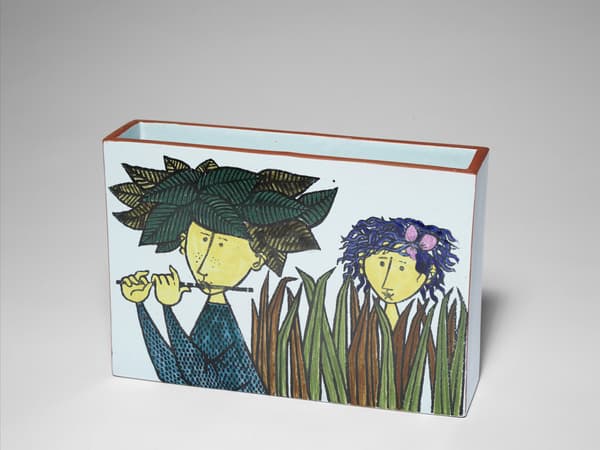
This major section highlights the faience (tin-glazed earthenware) Lindberg produced over many years. It includes hand-painted floral and geometric pieces from the 1940s and 50s, the Carnival series from around 1960 that combined printed and hand-painted decoration, and the bold striped Faience Again series from 1966.
Chapter 4: Artware
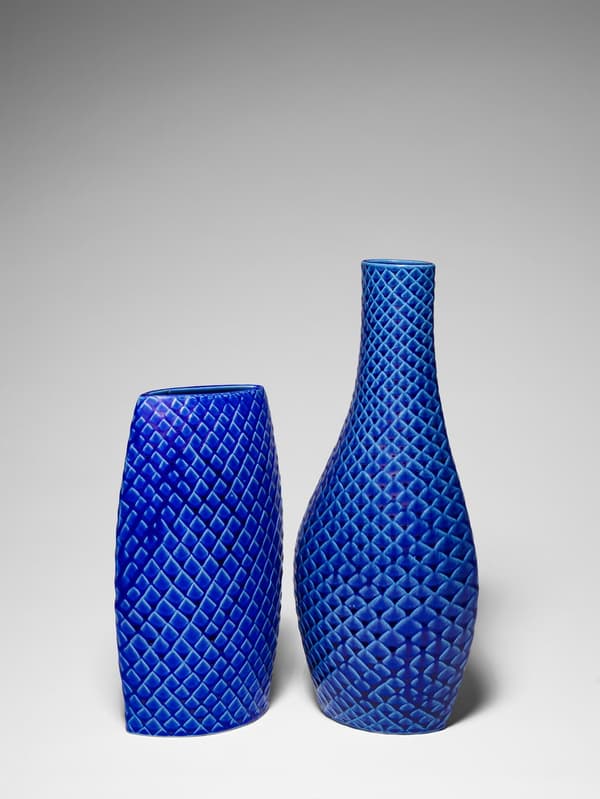
Unlike his tableware, Lindberg's "artware" pieces were objects made at Gustavsberg for display on mantelpieces and bookshelves rather than dining tables. Over several decades he contributed to Gustavsberg's artware production with designs such as the elegant, monochrome 1950s Veckla and Pungo series, and the hand-painted, silver-decorated Grazia and Filigran series. This chapter showcases the asymmetrical shapes Lindberg favored, along with his technique of combining form and decoration.
Chapter 5: Figurines (People and Animals)
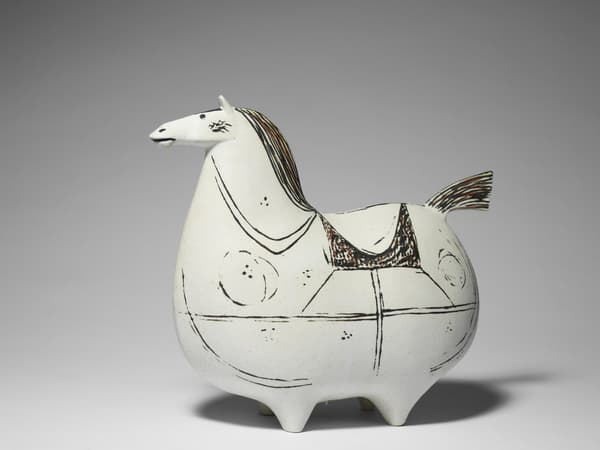
Lindberg created innovative figurines depicting people and animals. His small figures, sculptures, and reliefs reveal his rich imagination and his eagerness to experiment with different materials and production methods. This chapter presents a wide range of pieces, from the familiar horse figurines of the Springare series to unglazed white Parian porcelain works.
Chapter 9: Stig Lindberg and Japan
Through his 1959 trip to Japan and his encounters with Japanese designers and businesspeople who visited the Gustavsberg workshop, Lindberg developed a deep affection for Japan and built many relationships with Japanese people. This chapter presents works he created drawing inspiration from Japanese aesthetics.
Works by Lisa Larson Also on Display
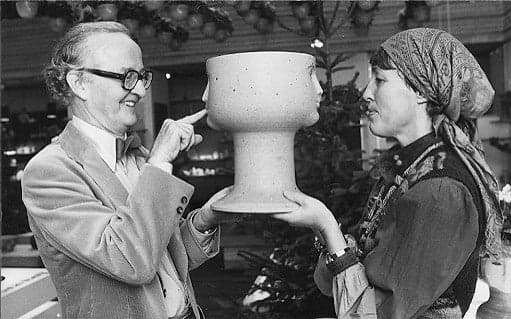
The exhibition also features special displays of work by ceramicist Lisa Larson, one of Sweden's leading ceramic designers and a protégé whose talent Stig Lindberg discovered.
Exclusive Original Goods Available Only at the Venue
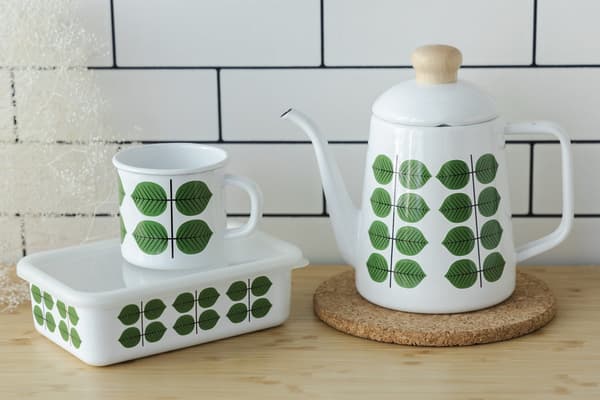
- 7cm Mug Cup (Berså) — approx. 10.5 cm diameter x 7 cm tall — ¥1,980
- Small Rectangular Container M (Berså) — approx. 7.5 x 11.5 x 5.5 cm tall — ¥2,640
- 1.0L Drip Pot (Berså) — approx. 21.5 x 11 x 18 cm tall — ¥4,400
- Plush Bag Charm (Berså / Pall) — approx. 8.5 x 8.5 cm — ¥7,150 each