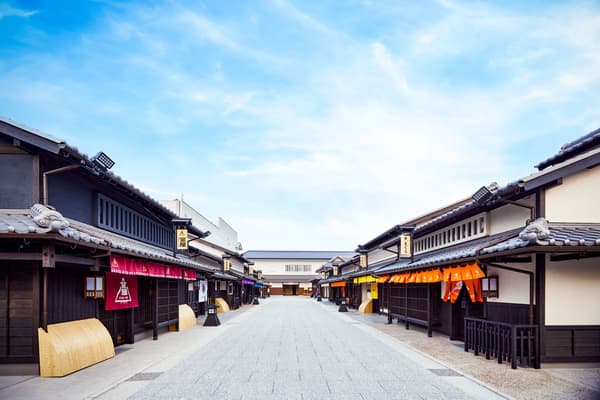
Toei Kyoto Studio Park (Uzumasa Eigamura) in Ukyo-ku, Kyoto, will hold a new program that lets visitors experience Ningyo Johruri Bunraku puppet theatre (Bunraku), a UNESCO Intangible Cultural Heritage art form, at very close range. Aimed at adult women and international visitors, the program offers an experience that can only be had here. It will run on four days in total, from November 2026 to February 2027.
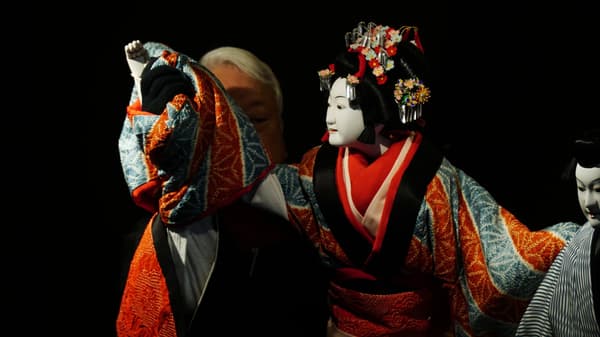
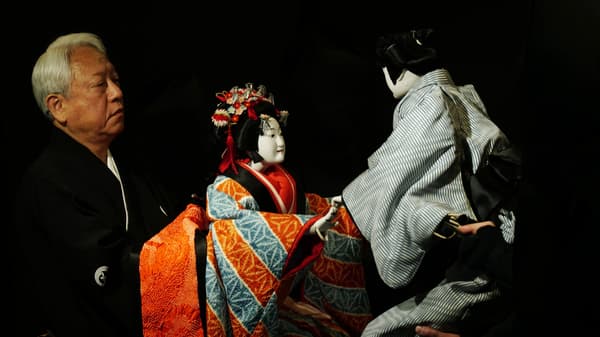
※ This program presents the scene "Hi no Mi Yagura no Dan," so it uses a single puppet.
Why Bunraku, and Why Now
Young people and international visitors in particular are increasingly drawn to Japan's traditional beauty and history through pop culture such as comics and anime. Among the traditional performing arts, Bunraku has recently attracted attention through collaborations with popular games and anime, and it is described overseas as "the world's finest puppet theatre." Often called the ultimate "2.5-dimensional art," Bunraku includes many works that portray universal human dramas that resonate with modern audiences.
For this program, the park focuses on stories of women, which can be seen as the origin of love stories in period dramas and anime. The program takes a closer look at two contrasting women from classic Bunraku masterpieces: Oshichi's passionate love in Date Musume Koi no Higanoko (伊達娘恋緋鹿) and Osono's hidden feelings in Adesugata Onna Maiginu (艶姿女舞衣).
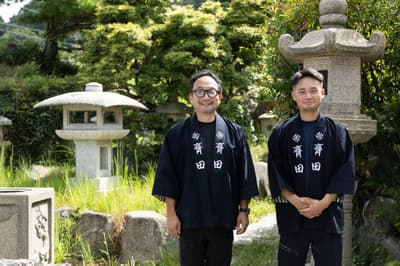
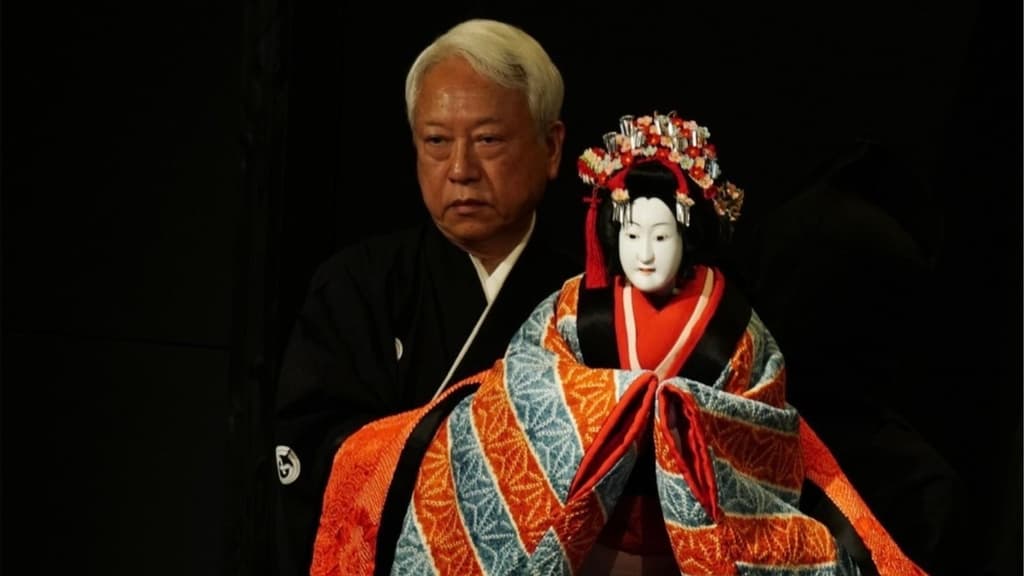
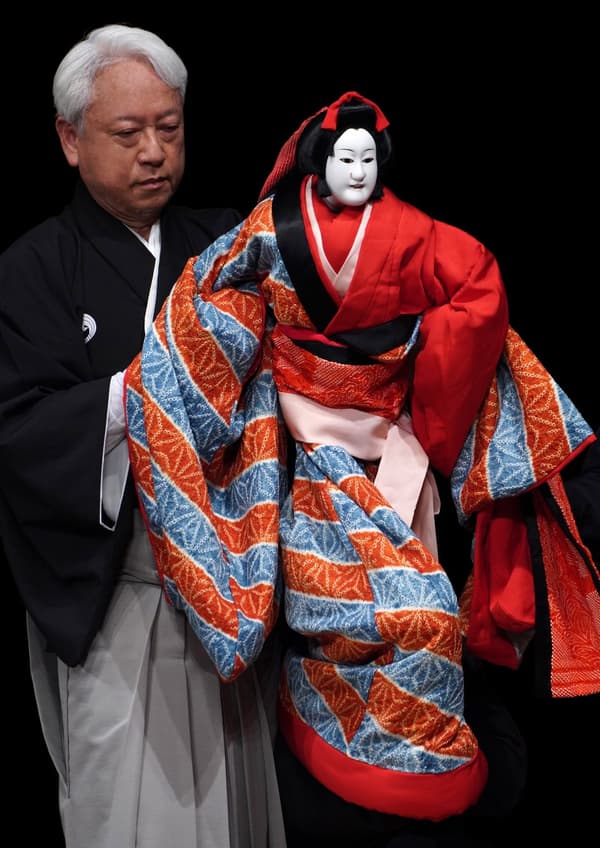
The instructor is Yoshida Kanya, a puppeteer active at the forefront of Bunraku, who has spent half a century giving puppets the beauty and fragility of women. Visitors will be introduced to the essence of Japanese traditional art alongside authentic "Oshichi" and "Osono" puppets.
This year also marks 100 years since a film studio was established in Uzumasa. Set in a park where the aesthetics of period dramas live on, visitors can see the performers' passion, the moment a puppet seems to come alive, and the full force of an authentic performance.
Three Highlights
1. Immersive Love Stories of Heroines Who Live for Love
"Yaoya Oshichi" and "Osono" have been remade many times in kabuki, films, and television dramas. Their pure love stories, in which the heroines burn their lives for love, rise again on this stage. The setting is Toei Kyoto Studio Park, a mecca for period dramas, where the atmosphere of Edo meets the refinement of Bunraku. Visitors can enjoy the excitement of feeling like characters in the story.
2. Close-Up Live Performance by Yoshida Kanya
Yoshida Kanya is a top-class Bunraku puppeteer who has captivated audiences on many stages over half a century, mainly in female roles. In this program, he performs the tense climactic scenes of "Oshichi" and "Osono" right before visitors' eyes. Traditional techniques refined over 400 years, and the moment a puppet begins to move as if alive, can be seen at close range.
3. Trying Tsume Puppet Stage-Fight Movements Under Expert Guidance
Visitors do not only watch. Under the direct guidance of puppeteers who support actual stage productions, they can try the tachimawari (stage-fight) movements of a tsume puppet. A slight tilt of the head (kashira) or a delicate tremble of the fingertips fills the space with the characters' sorrow and love, and the moment is dramatic enough to give goosebumps. The program is a performing-arts experience that stimulates both sensibility and intellectual curiosity.
About Bunraku
Bunraku is a traditional musical theatre that was perfected in Dotonbori, Osaka, in the 18th century. A single puppet is operated by three people to the accompaniment of gidayu-bushi chanting. It was registered as a UNESCO Intangible Cultural Heritage in 2008, in recognition of its high artistry, in which the realistic movements of the puppets and the joruri narration become one.
Plays such as Kanadehon Chushingura were adopted by kabuki and later became staple material remade as films and television period dramas. The sewamono (contemporary domestic drama) and jidaimono (historical drama) genres, as well as Chikamatsu Monzaemon's kyojitsu himaku theory (the thin membrane between truth and fiction), have also had a major influence on the staging of period dramas.
Program Details
| Item | Details |
|---|---|
| Dates | 2026, "Yaoya Oshichi": (1) Wednesday, November 25 and (2) Wednesday, December 2. 2027, "Osono": (3) Wednesday, January 27 and (4) Monday, February 1. Four days in total |
| Times (November 25 and December 2) | Session 1: 7:00 PM–7:45 PM / Session 2: 8:00 PM–8:45 PM (45 minutes each) |
| Times (January 27 and February 1) | Session 1: 5:15 PM–6:00 PM / Session 2: 6:15 PM–7:00 PM (45 minutes each) |
| Venue | Oike Machiya (御池町屋) inside Toei Kyoto Studio Park |
| Cultural experience program "Bunraku" fee | ¥4,000 |
| Regular admission: 1-Day Ticket (10:00 AM–9:00 PM) | Adults (junior high school and above) ¥2,800 / Children (age 3 and above) ¥1,600 |
| Regular admission: Night Ticket (5:00 PM–9:00 PM) | Adults (junior high school and above) ¥2,000 / Children (age 3 and above) ¥1,300 |
| Details | https://eigamura.com/experience-costume/bunraku/ |
About the Eigamura Cultural Experience Programs
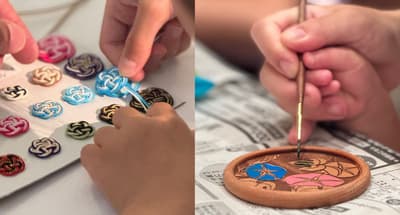
Toei Kyoto Studio Park, which marked its 50th anniversary last autumn, began the first phase of its commemorative renewal on March 28, 2026. As Kyoto sightseeing shifts from "buying things" to "experiences," the park has turned the traditional performing arts and culture that support period dramas into "attractions for adults." Under the concept of an "immersive park for adults," it offers immersive experiences that can be enjoyed with all five senses.
Authentic Programs by Leading Cultural Figures
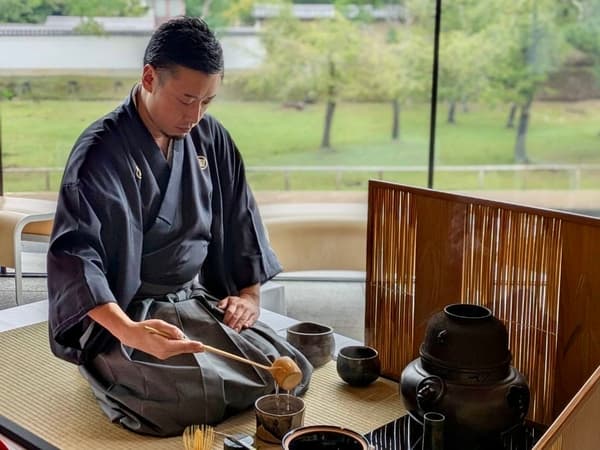
Ten authentic programs are offered, including tea ceremony by the seventh-generation Yabunouchi school (藪ノ内流) and flower arrangement by Ikenobo. They also cover noh, kyogen, shamisen, Kyoto dance (kyomai), Japanese drums (wadaiko), koto, Japanese dance (nihon buyo), and ohayashi.
Both Casual and Authentic
The programs are easy to fit in between sightseeing stops, yet they offer a high-quality experience that lets visitors engage deeply with the essence of Japanese culture.
Venue Information
| Item | Details |
|---|---|
| Name | Toei Kyoto Studio Park (Uzumasa Eigamura) |
| Address | 10 Uzumasa Higashihachiokacho, Ukyo-ku, Kyoto |
| Hours | 10:00 AM–9:00 PM (some areas until 6:00 PM) |
| Closed | Tuesdays (open on Tuesdays in November and on public holidays) |
| Access | 5 min. walk from Randen "Uzumasa Koryuji" Station / 13 min. walk from JR "Hanazono" Station / 14 min. walk from Subway "Uzumasa Tenjingawa" Station |
| Official Website | https://eigamura.com/ |
Renewal Schedule
- March 28, 2026 (Sat): Phase 1 opened
- Spring 2027 (planned): Phase 2 opens, with six new dining and retail shops and a hanamachi (geisha district) zone
- Spring 2028 (planned): Phase 3 opens, with the theatre Nakamura-za (tentative name)