The official online shop of the Kyoto Museum of Crafts and Design (Sakyo Ward, Kyoto), "MOCAD ONLINE SHOP," published "CRAFTED – Voices of the Makers Vol. 6," an article introducing makers involved in Kyoto crafts, on Friday, October 2, 2026. Alongside it, the shop has started selling an experience tour, the first to be offered at MOCAD ONLINE SHOP.
This installment of "CRAFTED" features Saida Stone Shop (齋田石材店), which carries on the techniques of Kyoto stone craft in Kameoka, Kyoto Prefecture. The article introduces the artisans' handiwork and the local culture behind it. On Tuesday, November 3 (national holiday), a tour titled "Journey to the Stonemason Village – Visiting the Stone Culture and Handcraft That Have Been Passed Down" will let participants walk the area itself, hear from an artisan, and watch the craft up close.
The project invites readers to move from "reading" about crafts to "visiting" the people, techniques, and land behind them. Through MOCAD ONLINE SHOP, it offers a new experience that goes beyond the craft objects to the culture and stories that have nurtured Kyoto's traditional industries.
CRAFTED – Voices of the Makers Vol. 6
"CRAFTED – Voices of the Makers Vol. 6": Facing the Stone and Passing On the Craft, Saida Stone Shop
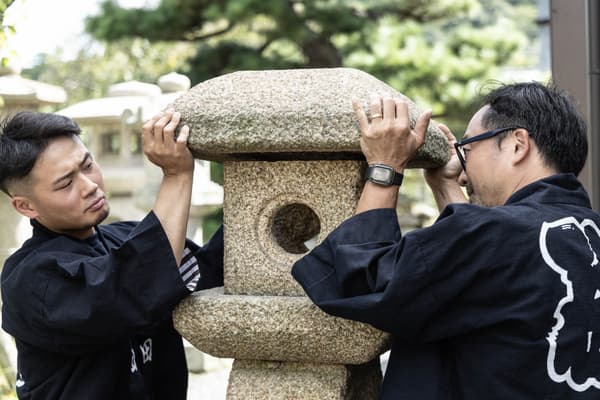
Stone craft has long supported people's lives and faith, in the form of stone lanterns at temples, shrines, and Japanese gardens, stone mills, gravestones, and roadside markers. In Kyoto, a distinctive sense of beauty and technique was refined alongside the development of Buddhist culture and the tea ceremony, and it has been handed down as "Kyoto stone crafts."
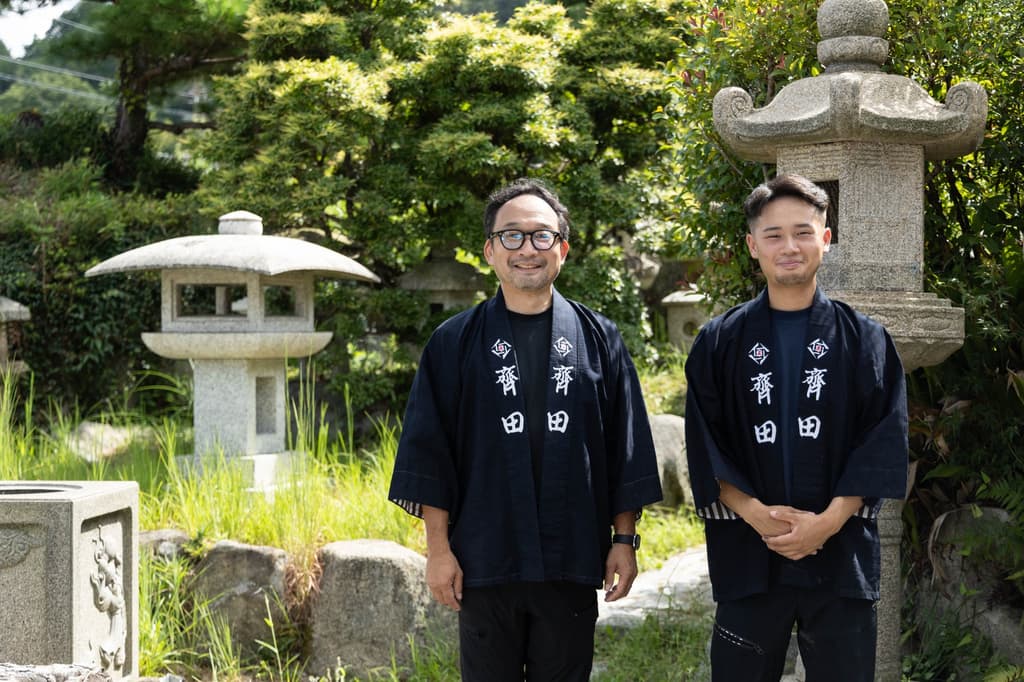
This installment visits Saida Stone Shop in Kameoka, Kyoto Prefecture, founded in 1902.
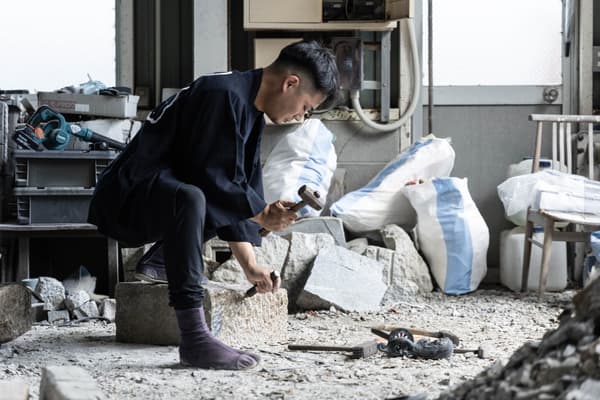
The article features the fifth-generation owner, Takaaki Saida, and Kaito, who became his apprentice at the end of 2024 and is training as the sixth generation. Using a chisel and a settō (a type of hammer), the stonemasons read the grain of the stone and the direction in which it splits, carving each form by hand. Through this work, the article explores how artisans sense and work with natural stone, and what makes Kyoto stone craft unique.
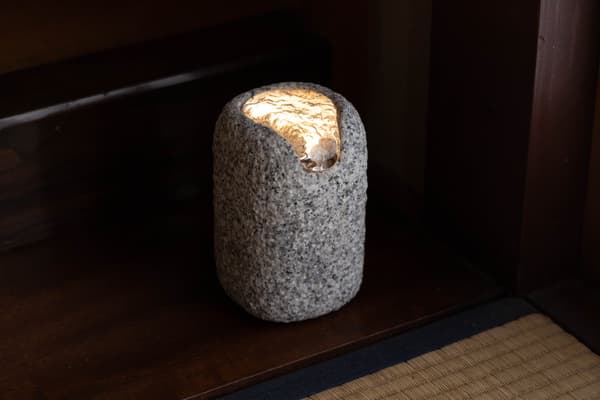
The two are also taking on new products suited to modern life, such as lighting, vessels, and interior items, in addition to traditional stone lanterns. The article looks at the present state of Saida Stone Shop, which keeps both the techniques it has inherited and the possibilities of new stone craft in view.
▼ Read the full article "CRAFTED – Voices of the Makers Vol. 6"
https://mocad-shop.com/collections/crafted-vol-6
Visiting the World of the Article: MOCAD ONLINE SHOP's First Experience Tour
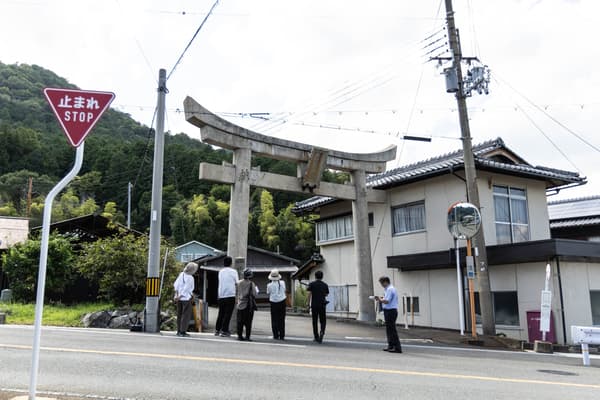
A tour that takes participants to the world of stonemasons introduced in "CRAFTED" will be held for one day only, on Tuesday, November 3 (national holiday).
The tour is set in the satoyama (rural foothills) of Kameoka, Kyoto, where Saida Stone Shop has its workshop. Participants walk through an area with about 1,500 years of stonemasonry history, visiting a large torii gate built by hand about 100 years ago and shrines with ties to stonemasons, and trace the connections between the land, the stone, and the people's way of life.
The guide is Kaito Saida, a stonemason at Saida Stone Shop.
After the field tour, participants visit the workshop and watch stonemasonry with traditional tools up close. They can also grind their own tencha (tea leaves for matcha) with a stone mill and taste freshly made matcha.
Walk through the satoyama, hear the artisan's story, watch the craft, and touch the stone.
The tour takes participants into the "makers' world" featured in the article to experience Kyoto's stone culture with all five senses.
For those who wish, a "stone candle holder making" activity is available exclusively to tour participants. Participants shape a piece of stone themselves into a finished form, experiencing the work of a stonemason.
"Journey to the Stonemason Village – Visiting the Stone Culture and Handcraft That Have Been Passed Down" Tour Details
- Date: Tuesday, November 3, 2026 (national holiday)
- Time: Morning session 10:00 AM to 12:00 PM / Afternoon session 2:00 PM to 4:00 PM
- Duration: About 2 hours
- Capacity: 10 participants per session
- Meeting and dismissal: Meet and disband on site
- Free shuttle service from JR Kameoka Station is available, provided by Saida Stone Shop.
- Morning session: departs JR Kameoka Station at 9:50 AM / Afternoon session: departs JR Kameoka Station at 1:50 PM. A free shuttle back to JR Kameoka Station is also provided after the tour.
- Languages: Japanese and English
- Fee: 9,000 yen (tax included)
- Tour program:
- Meet on site (or take the shuttle from JR Kameoka Station) → Field tour of the stonemason village → Saida Stone Shop workshop visit and stonemasonry demonstration → Matcha grinding experience with a stone mill
- "Stone candle holder making" (exclusively for tour participants):
- Participants shape a piece of stone themselves into a finished form, experiencing the work of a stonemason. Finished pieces can be taken home on the day.
- Additional fee: 12,000 yen (tax included)
- Capacity: 6 participants per session, first come, first served
▼ Tour booking and details
https://mocad-shop.com/products/stonemasons-village-tour
About "CRAFTED – Voices of the Makers"
"CRAFTED" is a series on MOCAD ONLINE SHOP that visits the artisans and makers who support Kyoto's traditional industries, introducing their techniques, their feelings about making, and their outlook on the future of crafts. So far, it has featured makers working in a range of fields, including lacquerware, karuta cards, Kyo-yaki/Kiyomizu-yaki ware, and Fushimi dolls.
Vol. 6 looks beyond the artisans' handiwork to the land and culture that nurtured their techniques, through Saida Stone Shop, which carries on Kyoto stone craft.
Now, the world of craft told in the article becomes a tour that lets people visit and experience it in person.
The Kyoto Museum of Crafts and Design aims to convey the appeal of Kyoto's traditional industries through encounters not only with the crafts themselves but also with the people, techniques, culture, and land behind them.