Obama City and Wakasa Town in Fukui Prefecture will run a new winter cultural tourism project, "Wakasa Crab Road" (若狭 カニ街道), from Saturday, November 7, 2026 to Sunday, February 14, 2027.
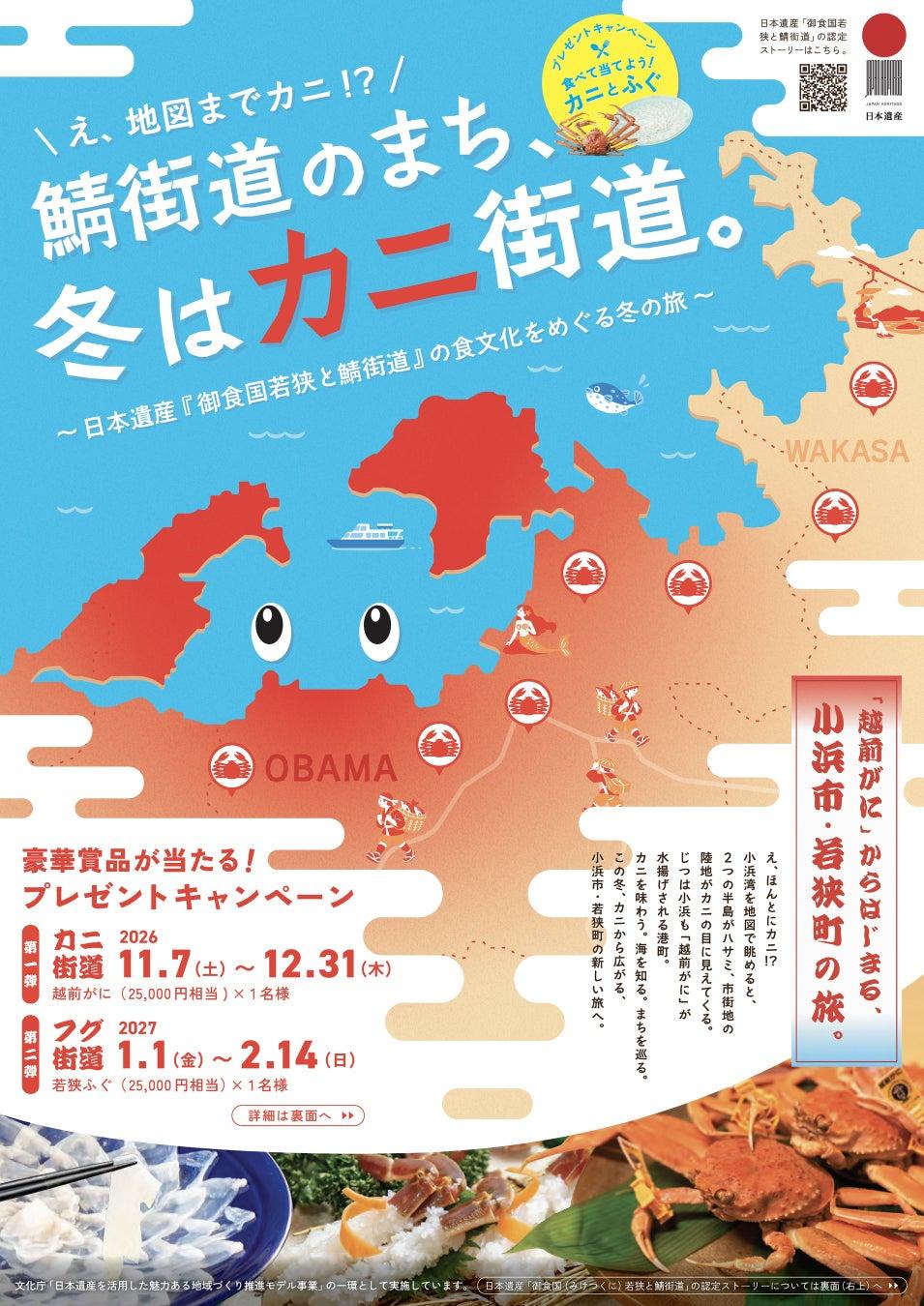
The idea starts with the shape of the land around Obama Bay (小浜湾). The Oshima Peninsula (大島半島) and the Uchitomi Peninsula (内外海半島), which extend on either side of the bay, have long been likened to the claws of a crab. If the two small stretches of land near the Obama city center on the south side of the bay are seen as "eyes," the view on the map starts to look like the face of a crab.
The campaign's tagline is "Wait, even the map looks like a crab!? The Saba Kaido town becomes Crab Road in winter." Starting from this small discovery, it proposes a winter trip through the Japan Heritage story 「御食国若狭と鯖街道」 (Miketsukuni Wakasa and the Saba Kaido). Obama City and Wakasa Town were certified under this story because of their history of carrying seafood to the capital and supporting its food culture since ancient times. The campaign is held as part of the Agency for Cultural Affairs' 「日本遺産を活用した魅力ある地域づくり推進モデル事業」.
What Wakasa Crab Road Is About
The Wakasa region, centered on Obama, was a base of the "Miketsukuni" (御食国), the provinces that sent seafood and salt to the capital in ancient times. Later, the Saba Kaido (鯖街道) linking Wakasa and the capital carried not only food but also people and culture. This story is certified as Japan Heritage.
Wakasa Crab Road builds on this history and food culture. Using "Echizen crab" (越前がに, meaning snow crab and Koppe) as an entry point, it aims to create a winter Saba Kaido trip that goes beyond eating: tasting Echizen crab, meeting the people who handle it, walking along the coast and through the towns, and learning about Wakasa's food culture. The idea behind the trip is that "people who come to eat crab go home knowing Wakasa's culture."
About the Yellow Tag on Echizen Crab
"Echizen crab" (越前がに) refers to snow crab caught in the waters off Fukui Prefecture and the surrounding sea and landed at ports in the prefecture. Ports that land it include Echizen Port (越前港), Mikuni Port (三国港), Tsuruga Port (敦賀港), and Obama Port (小浜港). It is one of Fukui's signature winter foods, and the yellow tag is the mark that shows where it comes from.
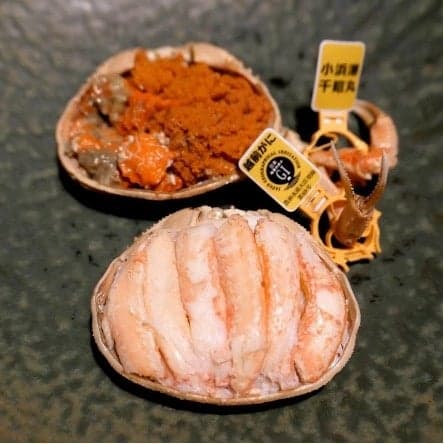
The yellow tag was introduced in 1997, ahead of the rest of Japan, as an identification mark to tell Echizen crab apart from snow crab from other production areas. Each tag carries the words "Echizen crab" along with the name of the fishing port where the crab was landed.
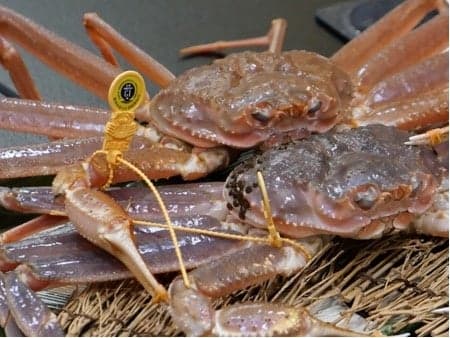
Male snow crab are given a rounded tag.
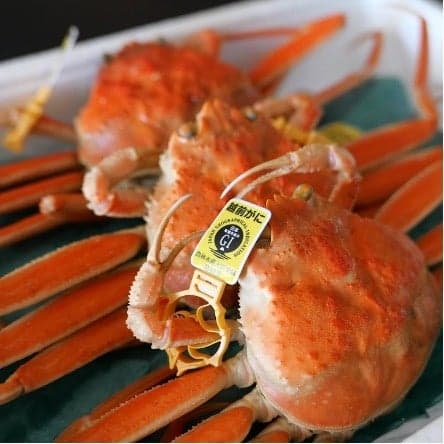
In Fukui Prefecture, female Seiko crab (Koppe crab) are also tagged. Their tag is a yellow rectangle. Not only the males but also the females, which are caught only during a limited period in winter, carry a tag showing where they come from, and the shape and wording of the tag indicate the port where the crab was landed.
"Echizen crab" was also registered under the Ministry of Agriculture, Forestry and Fisheries' Geographical Indication (GI) protection system on September 27, 2018 (registration number 69). The system protects the quality, reputation, and name of a product tied to its production area.
The yellow tag is more than a marker. It certifies the place where the crab was landed.
Seven Ways to Enjoy Miketsukuni Wakasa This Winter
Wakasa Crab Road, which spans Obama City and Wakasa Town, offers a range of activities about food, people, and towns, centered on Echizen crab.
01 | Koppe Crab, Enjoyed the Local Way
Koppe crab is in season from November to December. Female snow crab are generally called "Seiko crab" (セイコガニ), but in the Wakasa region they are known as "Koppe" (コッペ). Participating shops serve dishes that reflect how the area eats and enjoys it.
Period: from the start of the fishing season to the end of December 2026
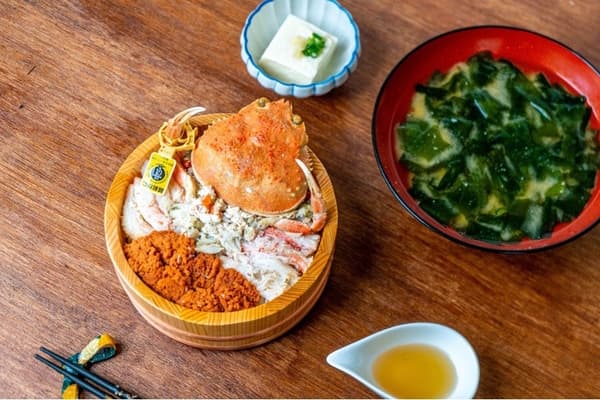
Participating restaurants and sample dishes
- アルコバレーノ (Obama City, Italian): Spaghetti with Seko crab (セコガニ) cream sauce, market price (limited to 10 servings per day)
- 大花 (Obama City, sushi and kappo): Echizen crab sold by the whole crab, Wakasa fugu sold by the whole fish, and boiled Koppe crab shelled meat, market price
- はまがわ (Obama City, restaurant): Seikomeshi (せいこめし), market price
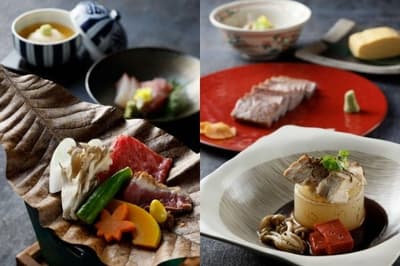
- 海老喜 (Obama City, kappo): Kaiseki meal with Koppe crab, from ¥8,800 per person
- お食事処 濱の四季 (Obama City, restaurant): Seikogani-don (せいこがに丼), from ¥5,500
- 鮨一 (Obama City, sushi and kappo): Seikogani nigiri (せいこがにのにぎり), market price
- 旬彩厨房 吉のぶ (Obama City, izakaya): Boiled Koppe crab (Seikogani), from ¥1,800
02 | Tasting Echizen Crab
In midwinter, participating restaurants and lodgings each offer their own snow crab dishes.
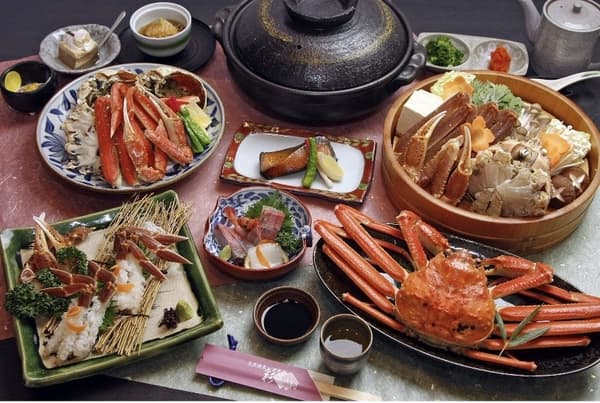
Participating lodgings and sample plans
- 若狭佳日 (Obama City, ryokan): Seasonal special kaiseki featuring Echizen crab, 1 night with 2 meals, from ¥93,500 per person (when one person uses the room). Prices vary by room type and booking site.
- 天然温泉 岡三屋 彩かさね (Wakasa Town, ryokan): Casual Echizen crab "Aoi" plan (お手軽越前がに葵), 1 night with 2 meals, from ¥45,000 per person. Prices vary by room type and booking site.
- ひとひ小浜 (Obama City, whole-house rental): Wakasa fugu and Echizen crab plan, 1 night with 2 meals, from ¥83,600 for two guests in one room (bookable from two adults)
- MINSHUKUよしおかや (Wakasa Town, minshuku): CHEF's course (CHEF'sコース), market price
Participating restaurants and sample dishes
- 寿し島川 (Obama City, sushi and kappo): Echizen crab course (with Seko crab, 勢子蟹), from ¥44,000 per person
- 和旬いわもと (Obama City, kappo): Winter-only kaiseki with one whole live Echizen crab, market price
03 | Crab and Fugu, the Winter Pair: Wakasa Fugu Is Also on the Menu
Visitors who come for the crab can also try another winter food, "Wakasa fugu" (pufferfish). Restaurants and lodgings each serve their own Wakasa fugu menus.
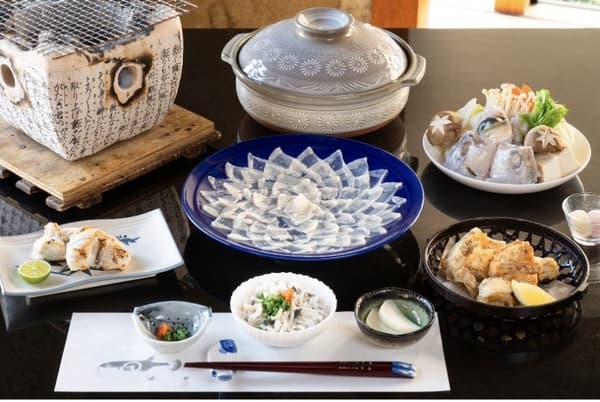
Participating lodgings and sample plans (Obama City)
- 四季の宿かわはら (minshuku): Fugu lunch, ¥5,500 per person. Fugu full course, ¥9,800 per person. Lodging is not included.
- 若狭ふぐの宿 下亟 (minshuku): Wakasa fugu-only course (若狭ふぐだけ満喫コース), from ¥6,600 per person. Lodging is not included.
- 旅を奏でる ひろた (minshuku): Wakasa fugu full course, ¥12,000 per person. Lodging is not included.
- グルメ民宿はまもと (minshuku): Fugu course, from ¥8,000 per person. Lodging is not included.
- ふぐ料理の宿 さいば (minshuku): Fugu full course with a boat-shaped platter (舟盛), fugu course from ¥8,250 per person. Lodging is not included.
- 海の宿 ひこ荘 (minshuku): Wakasa fugu-zukushi (若狭ふぐづくし), from ¥12,100 per person. Lodging is not included.
- まるちゅう広田 (minshuku): Fugu course, 1 night with 2 meals, ¥13,200 per person
Participating lodgings and sample plans (Wakasa Town)
- あおきや (minshuku): Wakasa fugu-zukushi course (若狭ふぐづくしコース), fugu course with 1 night and 2 meals, from ¥22,000 per adult
- 若狭路の宿やまや (minshuku): Wakasa fugu full course, 1 night with 2 meals, from ¥17,600 per person (for two guests)
- 若狭の宿 きよや (minshuku): Wakasa fugu full course and a boat platter of fish caught that morning, 1 night with 2 meals, from ¥22,000 per person (for two guests)
- 民宿しろごろ (minshuku): Fugu full course, 1 night with 2 meals, from ¥21,000 per person (for two guests)
- クラフトビールの宿 湖上館パムコ (hotel): Fugu full course, 1 night with 2 meals, from ¥23,650 per person (for two guests)
04 | Learning About Wakasa's Food Culture Through Crab
At 御食国若狭おばま食文化館 in Obama City, two programs let visitors learn about Wakasa's food culture through crab.
(1) In-museum crab rally
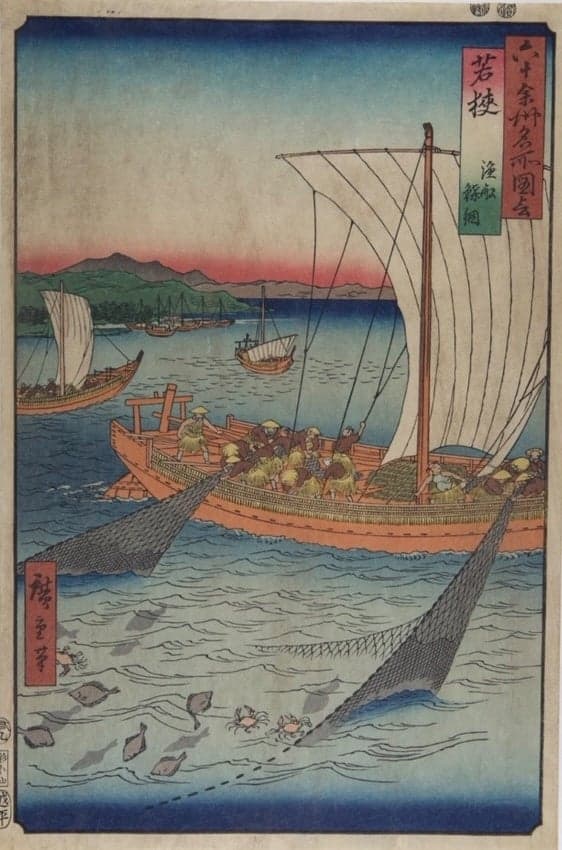
The Edo-period ukiyo-e print 『六十余州名所図会 若狭 漁船鰈網』 quietly depicts a crab inside a net used to catch flounder (鰈). Inspired by this record, the museum is running a game in which visitors search for "5 hidden crabs" among its exhibits, while learning about the history of Wakasa's sea and food culture.
- Period: during the campaign (November 7, 2026 to February 14, 2027)
- Fee: Free
(2) Crab shell arrangement workshop (甲羅盛り)
In this hands-on program, participants use one whole female snow crab, remove the meat themselves, and arrange it in the shell.
- Date and time: Monday, November 23, 2026 (public holiday), 10:00 AM to 11:00 AM
- Venue: 1st-floor museum, 御食国若狭おばま食文化館 (Kawasaki 3-chome 4-ban, Obama City, Fukui Prefecture)
- Fee: ¥500
- Capacity and registration: 20 people (advance registration required)
05 | Win Echizen Crab and Wakasa Fugu to Enjoy at Home
Customers who eat a target menu item at a participating shop can enter a prize drawing for a winter food typical of the Wakasa region.
Prizes and eligible periods
- Round 1, Crab Road (カニ街道): November 7 (Saturday) to December 31 (Thursday), 2026. Echizen crab (worth ¥25,000), 1 winner.
- Round 2, Fugu Road (ふぐ街道): January 1 (Friday, public holiday) to February 14 (Sunday), 2027. Wakasa fugu (worth ¥25,000), 1 winner.
How to enter: Either of the following two methods.
- QR code at the shop: Order a participating menu item at a target shop, then answer the survey through the QR code on the card you receive.
- Instagram hashtags: Post a photo of the target menu item to Instagram with all of the hashtags #冬の鯖街道 and #日本遺産, plus either the shop's account (@) or the shop-name hashtag.
06 | Boiled Crab Sale at Michi-no-Eki Wakasa Obama
Michi-no-Eki Wakasa Obama (道の駅若狭おばま), which operates under the concept "Saba Kaido Wonderland," will hold a sale of boiled crab.
- Date and time: Sunday, November 15, 2026, from 9:00 AM until sold out (planned)
- Venue: Michi-no-Eki Wakasa Obama (道の駅若狭おばま)
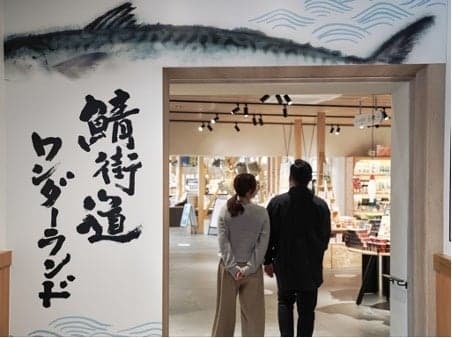
07 | Encountering the Culture of Japan Heritage "Miketsukuni Wakasa and the Saba Kaido" From Autumn to Winter
The campaign also invites visitors to the port town and coastal villages of Obama and the post towns of Wakasa Town, which have developed together with local food culture. Beyond eating, it suggests a trip that takes in winter townscapes, shrines and temples, nature, and everyday life.
Recommended stops
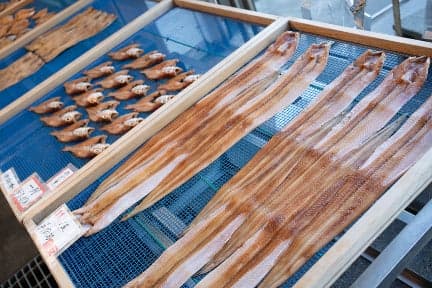
若狭小浜お魚センター
Meeting the people who choose, handle, and cook crab, such as fishers, fishmongers, and chefs, is another part of winter in the Wakasa region.
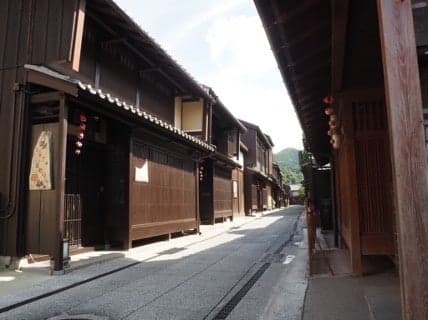
小浜西組 (Japan Heritage component cultural property)
This is a nationally designated Important Preservation District for Groups of Traditional Buildings, where old streets of merchant and teahouse towns remain. Depending on the season, the streets are lined with autumn leaves or covered in snow. Visitors can spend relaxed time in cafes and inns converted from old houses while warming up.
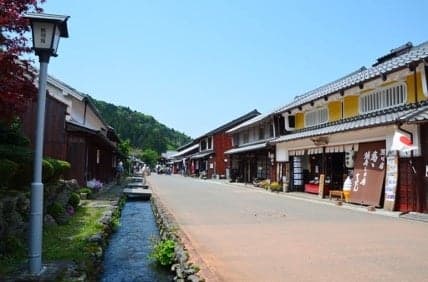
熊川宿 (Japan Heritage component cultural property)
Kumagawa-juku flourished as an important post town on the Saba Kaido linking Wakasa and Kyoto. The area has an old highway and the sound of the Maekawa (前川) stream. In autumn the surrounding mountains are colored by vivid autumn leaves, adding to the historic scenery of the highway. In the cold of winter, dishes made with Kumagawa kuzu (熊川葛, arrowroot) offer a way to warm up.
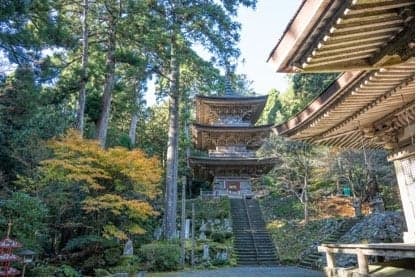
小浜八ケ寺 (Japan Heritage component cultural property)
Sometimes called "Nara by the sea," Obama is home to a group of noted temples, including 明通寺 and 神宮寺, that hold Buddhist statues and buildings designated as National Treasures and Important Cultural Properties. In autumn the temple grounds are colored by autumn leaves that contrast with the historic buildings, making good photo spots. In winter, visitors can face the solemn Buddhist statues in the quiet of the snow.
三方五湖 (Japan Heritage component cultural property)
The five lakes differ from one another in water quality and salinity and are known as the "lakes of five colors" (五色の湖). Eel, which was once carried to the capital, is still a local specialty. In winter, tens of thousands of waterfowl visit, and snow-covered mountains and the calm lake surface form a scene like an ink-wash painting.
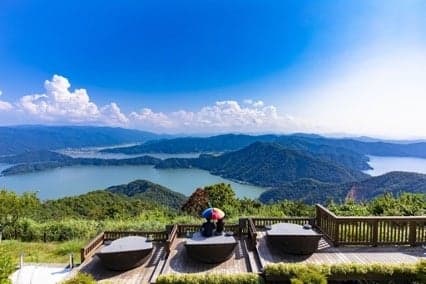
Japan Heritage "Miketsukuni Wakasa and the Saba Kaido"
The Agency for Cultural Affairs certifies stories that tell of Japan's culture and traditions through the historical appeal and character of a region as "Japan Heritage." 「海と都をつなぐ若狭の往来文化遺産群〜御食国若狭と鯖街道〜」 of Obama City and Wakasa Town in Fukui Prefecture was certified as Japan Heritage in 2015 (Heisei 27).
Certified story
Wakasa, which faces the Sea of Japan and is blessed with rich nature, was one of the "Miketsukuni" in ancient times, sending abundant foods such as seafood and salt to the capital and supporting the court's table. After the Miketsukuni period as well, it continued to carry "Wakasa's delicacies" (若狭の美物) to the capital and support Kyoto's food culture. The network of routes linking Wakasa and the capital, which has come to be called the "Saba Kaido" in recent years, was a road of exchange that carried not only food but also various goods, people, and culture. Exchange with the capital, which began with ties to the court and nobility, became linked to the lives of ordinary citizens through travel along the Saba Kaido. Along the routes, a group of travel-related cultural heritage including shrines, temples, townscapes, and folk cultural properties formed, one so diverse and dense that it is rare even nationwide. Following the Saba Kaido lets visitors feel 1,500 years of travel history from ancient times to the present, and the efforts of the people who protect and pass on its traditions.
More details on the Japan Heritage story are available on the Agency for Cultural Affairs' Japan Heritage site: https://japan-heritage.bunka.go.jp/ja/stories/story005/
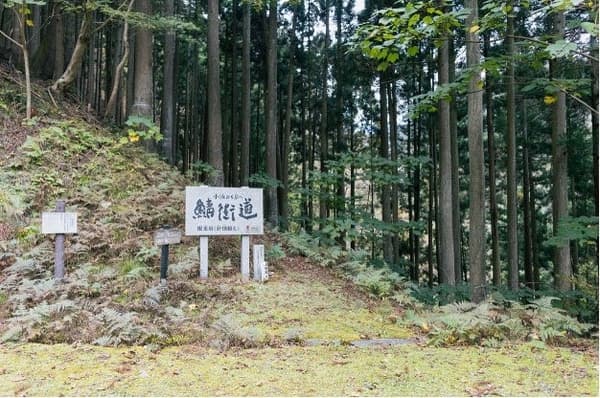
Wakasa Crab Road Overview
- Period: Saturday, November 7, 2026 to Sunday, February 14, 2027 (the period and details differ for each activity)
- Official website: https://wakasa-obama.jp/special/wakasa-crab-road-fair/
- Area: Obama City and Wakasa Town, Fukui Prefecture
Visitors who come for the crab can look at the sea, walk through the towns, hear from inn owners and chefs, learn about the work of fishmongers, and encounter Wakasa's food culture. The campaign aims to create trips after which visitors say, "I came to eat crab and ended up liking Wakasa even more."