Kintsugi brand ANYTSUGI, led by kintsugi artisan Sho Takeshita, has launched a new product: the Simple Kintsugi Kit -kumo-. Built around the concept of "gentle kintsugi," it moves away from traditional kintsugi's many time-consuming steps, offering instead a quick, unpressured way to mend a little "space" back into both a broken dish and the person repairing it.
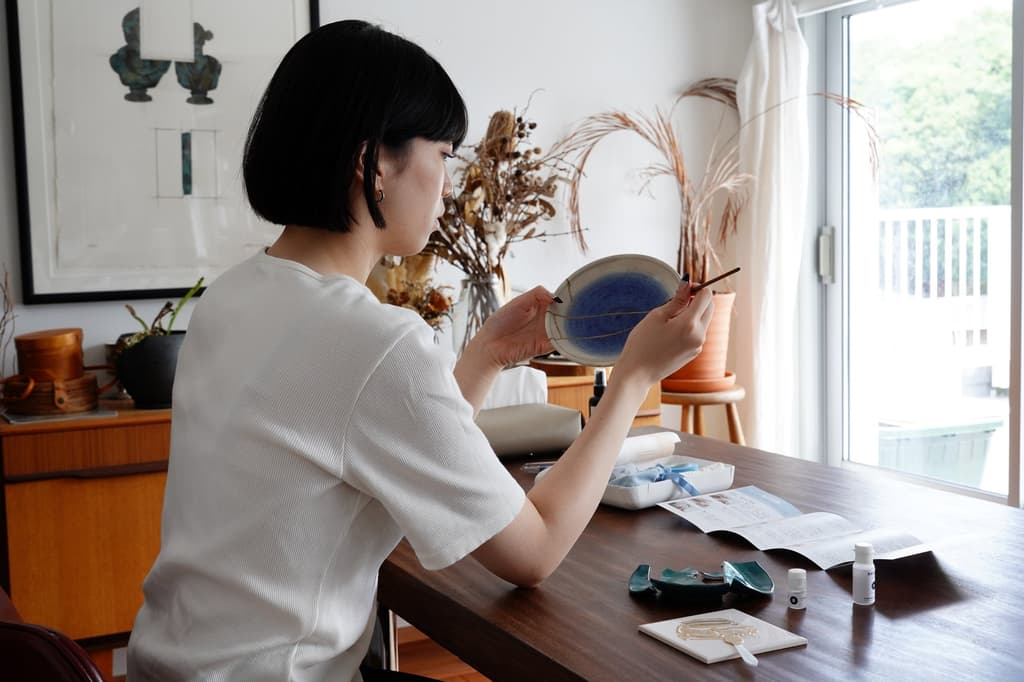
Designed for a home tabletop, the Simple Kintsugi Kit -kumo- invites people to step away from a busy daily routine and spend a quiet moment "fixing and using" a piece of tableware again. It reimagines kintsugi for modern life as a streamlined, simplified repair set.
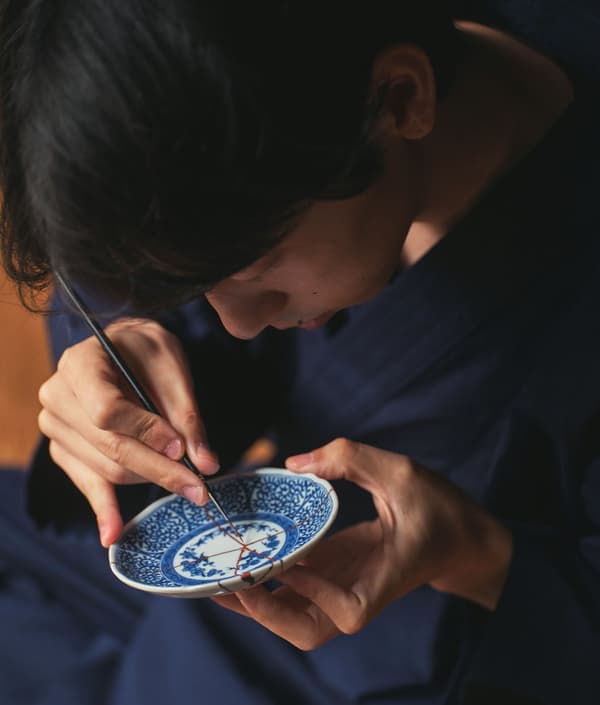
Behind the kit is Sho Takeshita, an artisan whose kintsugi repair videos have drawn more than 2.7 million total views on social media and sparked a strong response both in Japan and abroad. Drawing on that creative sensibility, Takeshita has also worked to spread the appeal of kintsugi internationally through projects such as a collaboration with the overseas skincare brand Tatcha.
The kit's packaging comes in three designs — Akatsuki (dawn), Hiru (midday), and Yoi (dusk) — so buyers can choose the one that matches their mood or taste.
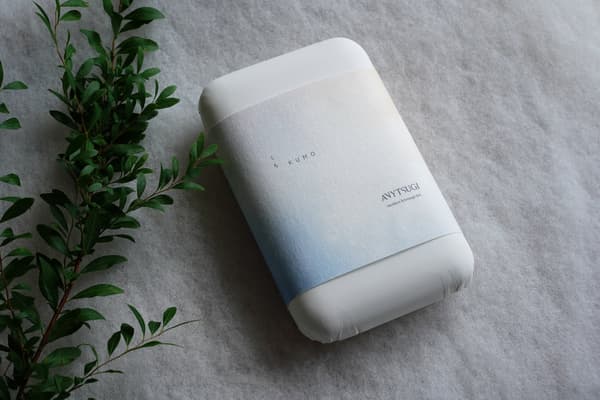
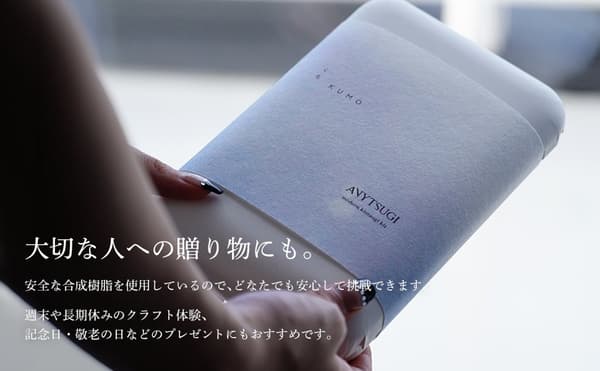
▲ A package design that blends softly into daily life, like a cloud melting into the sky
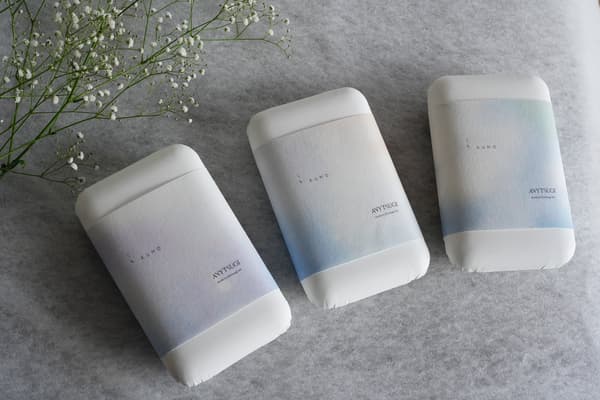
▲ The Simple Kintsugi Kit -kumo- comes in three designs to choose from (from left: Yoi, Hiru, Akatsuki)
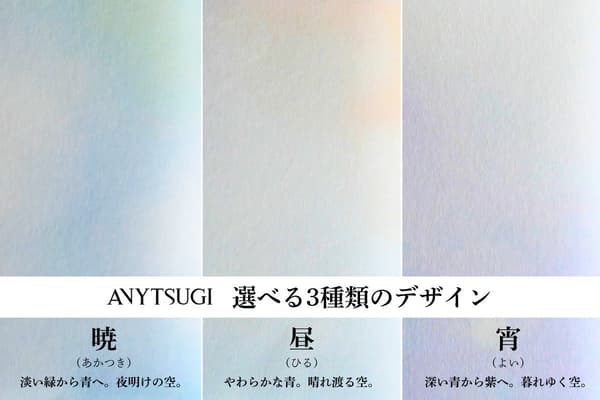
▲ Color variations of the Simple Kintsugi Kit -kumo-
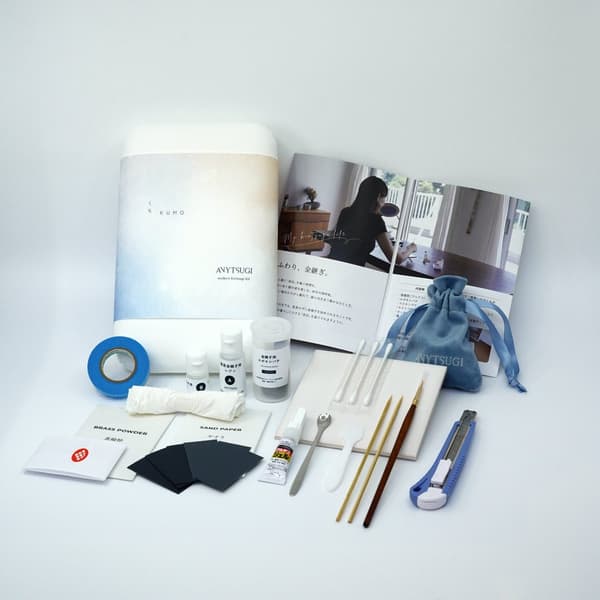
▲ Contents of the Simple Kintsugi Kit -kumo- set
Product Information
Product name: Simple Kintsugi Kit -kumo-
Description: A simplified kintsugi kit that includes a full set of repair materials containing 1g of brass powder, along with a guidebook. Because it uses no lacquer, there's no need for long drying times, and the repair can be completed in a single day. The materials meet Japan's Food Sanitation Act, so once mended, the piece can be safely used as tableware again. To keep a kintsugi-repaired piece in good condition for longer, avoid using it in a microwave, dishwasher, or oven.
Set contents: adhesive (Alteco), epoxy putty, masking tape, two grades of sandpaper (400 and 1000 grit), a craft knife, a brush, a spatula, a bamboo skewer, a spoon, two-part kintsugi resin (Agent A and Agent B), brass powder, cotton swabs, a tile palette, nitrile gloves, and a guidebook
Official shop: https://anytsugi.com/products/modern-kintsugi-kit
Amazon: https://www.amazon.co.jp/dp/B0HHRC5S4H
Solo, With Someone, or as a Gift — an Easier Way Into Kintsugi
The long repair times and questions around material safety have kept many people from trying kintsugi. The Simple Kintsugi Kit -kumo- was created to make that "fix it and keep using it" experience more approachable. Because it's lacquer-free, there's no worry about skin irritation, so it also works as a craft activity to enjoy together with children. Since the mended piece can go back into everyday use as tableware, it also makes a fitting gift for occasions like anniversaries or Respect for the Aged Day.
Traditional Kintsugi vs. Simple Kintsugi
- Materials: Simple kintsugi uses synthetic materials, making it easy for beginners to handle and simple to restock.
- Time required: Repairs can be finished in a day (full drying takes about 15 days).
- Characteristics: Traditional lacquer kintsugi produces a more authentic finish but carries a risk of lacquer-related skin irritation, so gloves are essential. Simple kintsugi uses no lacquer, making it easier to handle, and its food-safe materials mean the piece can be used as tableware again.
- Best for: Traditional lacquer kintsugi suits those who want to take their time carefully restoring a treasured piece, while simple kintsugi suits those who want a quick, first-time introduction to kintsugi.
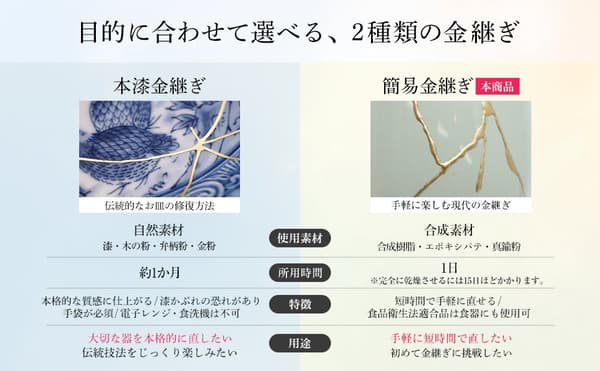
▲ The difference between traditional kintsugi and simple kintsugi
Three Things ANYTSUGI Focused On With the Simple Kintsugi Kit -kumo-
1. No waiting around — finish the same day you start
Unlike traditional kintsugi's long drying periods, the repair can be completed in a single day. It brings the "fix it and keep using it" experience home even for people short on time or beginners who just want to give kintsugi a try.
2. No lacquer, so no risk of skin irritation
The lacquer used in traditional kintsugi can cause skin irritation in some people. Because this kit skips lacquer entirely, there's no such risk, so anyone can start with peace of mind.
3. Food Sanitation Act compliant, so the repaired piece can be used as tableware again
All the materials meet Japan's "Food Sanitation Act No. 370" and its positive list system, so a mended piece can return to the table. Rather than letting a broken item go, the kit lets people keep using it — delivering the kintsugi experience in a form that's safe for tableware.
The Road Ahead for ANYTSUGI
Having started with online sales, ANYTSUGI now ships within Japan as well as to the United States, India, Australia, Singapore, Taiwan, and South Korea, and has newly added Canada and New Zealand to its shipping areas, with expansion into Europe planned next. Beyond kit sales, plans also include expanding a service for requesting tableware repairs and holding hands-on workshops. ANYTSUGI aims to build a global community of "people who carry on what matters" for fans of Japanese culture around the world and those who value a sustainable lifestyle.
Brand Philosophy: Carrying On What Matters, Carrying It to the World
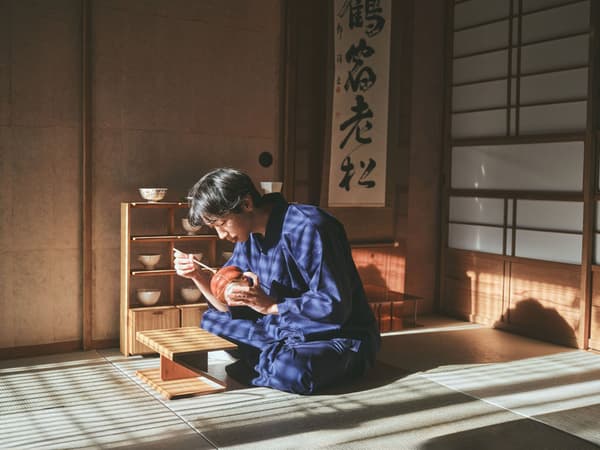
Kintsugi is a distinctly Japanese repair technique believed to have taken shape in the 15th to 16th centuries, during the Muromachi to Azuchi-Momoyama periods. It draws on lacquer repair skills cultivated since the Jomon period, the aesthetic of gold decoration seen in Heian-era maki-e lacquerware, and the wabi-sabi philosophy articulated by tea master Murata Juko that true beauty lies in imperfection. Together, these layers of tradition gave rise to a technique that joins broken pieces with lacquer and decorates the seams with gold powder.
At the heart of this technique is the idea of not hiding a crack or chip, but letting it stand out as proof of the time a piece has lived through. When the scar shines gold, the piece carries a richer story than it did before it broke.
ANYTSUGI defines this process not as mere repair but as Re-Creation. It embodies the distinctly Japanese spirit of "mottainai," cherishing a broken item's scars as proof of the time it has lived through rather than letting it go. By sharing the "beauty of imperfection" with people around the world and nurturing a sense of care for the things we own, the brand aims to build a community that carries memories and meaning forward to the next generation.
About the Artist
Sho Takeshita, born in Tokyo and a graduate of Rikkyo University, entered the world of kintsugi after a bowl inherited from his grandmother broke. Moved by the philosophy of turning something broken into something newly beautiful, he trained in the technique at a kintsugi workshop in Tokyo. Today, working primarily in kintsugi, he creates pieces that bring together traditional Japanese aesthetics with a contemporary sensibility.