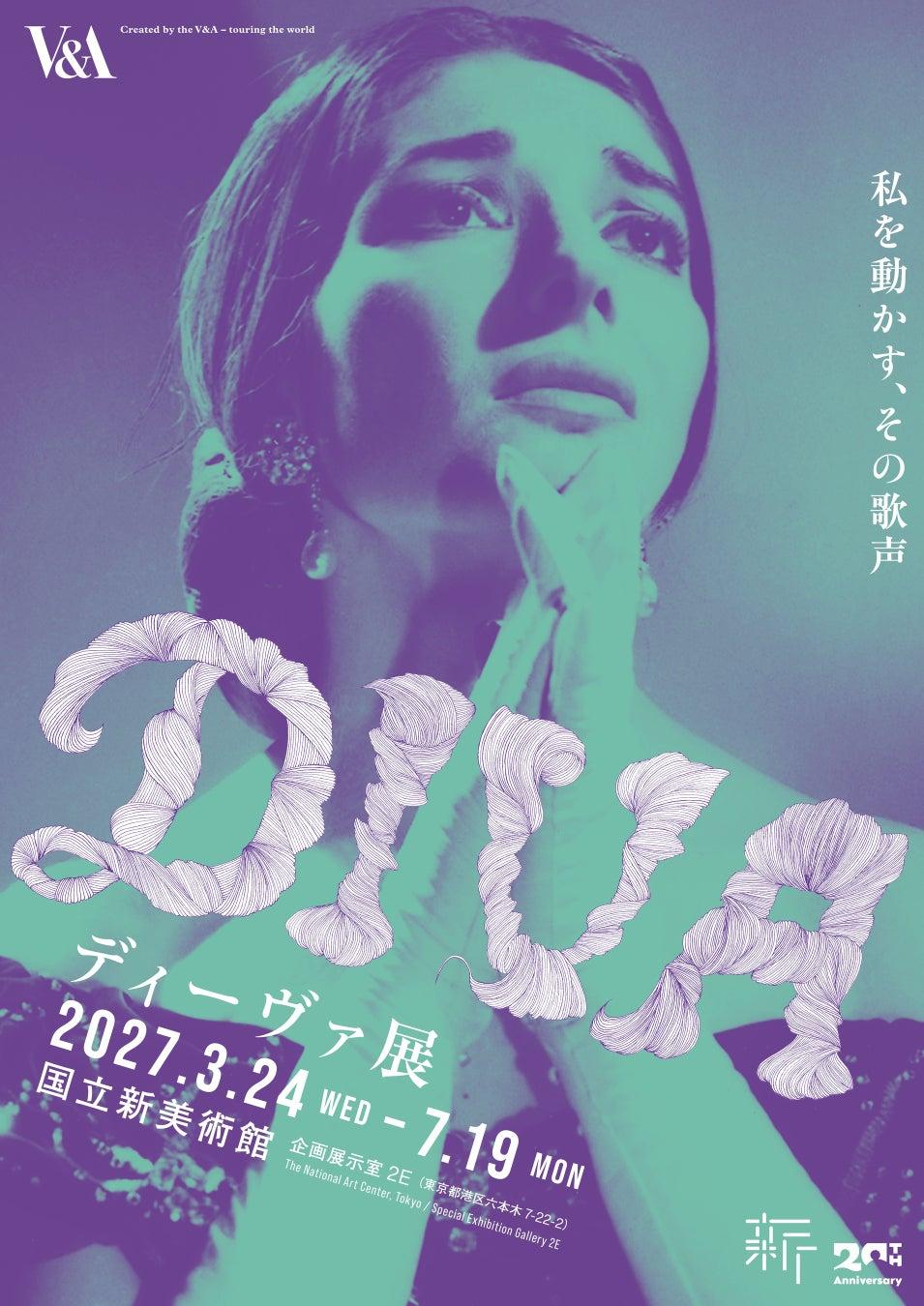
The exhibition "DIVA" (ディーヴァ展) will be held at The National Art Center, Tokyo in Roppongi from March 24 (Wednesday) to July 19 (Monday, national holiday), 2027. It is organized by the Victoria and Albert Museum (V&A) in London and was first held at the museum in 2023. After touring five countries around the world and drawing strong responses at each stop, the exhibition comes to Tokyo, the only venue in Asia and the final stop of the tour, where works exclusive to the Japan presentation are added.
The exhibition introduces the paths of the divas in two acts, each with six chapters. As a special display for the Japan presentation only, it features Akihiro Miwa (美輪明宏), regarded as a leading diva of Japan. A new "Sisterhood" section presents the messages sent out by divas who interacted with and respected one another, and special staging surrounds visitors with the divas' singing voices. A teaser video for the exhibition has also been released.
About the Exhibition
The exhibition traces the history of the diva from the 19th century to the present day and the changing concept behind it, examining the divas' creativity, social influence, and cultural significance.
Their singing voices, expression, and firm convictions have had a major influence not only on fashion, art, and design but also on gender equality and society, giving courage and inspiration to many people. The exhibition introduces about 100 singers and performers active in opera, theater, film, and popular music, and follows how they challenged preconceived ideas and prejudice and opened up a new era through their own voices and expression.
Highlights
1. V&A Curation and a Special Display Unique to the Japan Presentation
Rare costumes and works shown in Japan for the first time, plus new attractions unique to the Japan presentation
Planned and produced by the V&A in London, the exhibition shows about 280 items, including pieces from the V&A's collection and rare costumes and materials from private collections. At the center are about 60 costumes that divas actually wore in memorable scenes, including those of Maria Callas, Marilyn Monroe, Adele, Lady Gaga, Elton John, Rihanna, and Björk. Photographs, videos, magazines, posters, LPs, and prints modeled on divas are also on view, portraying the world of the 100 divas through a variety of works. As a special display unique to the Japan presentation, the exhibition introduces Akihiro Miwa, a leading diva of Japan.
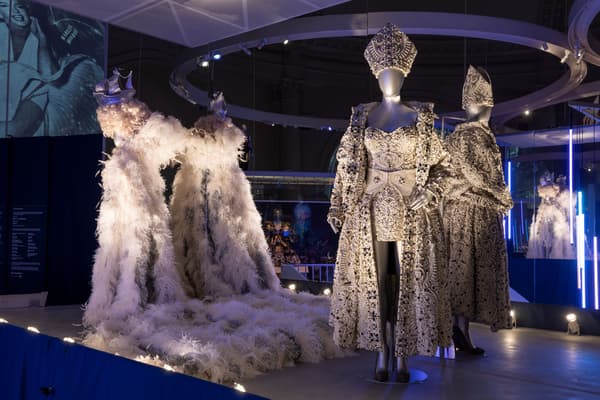
Installation view of the V&A's "DIVA" exhibition © Victoria and Albert Museum, London
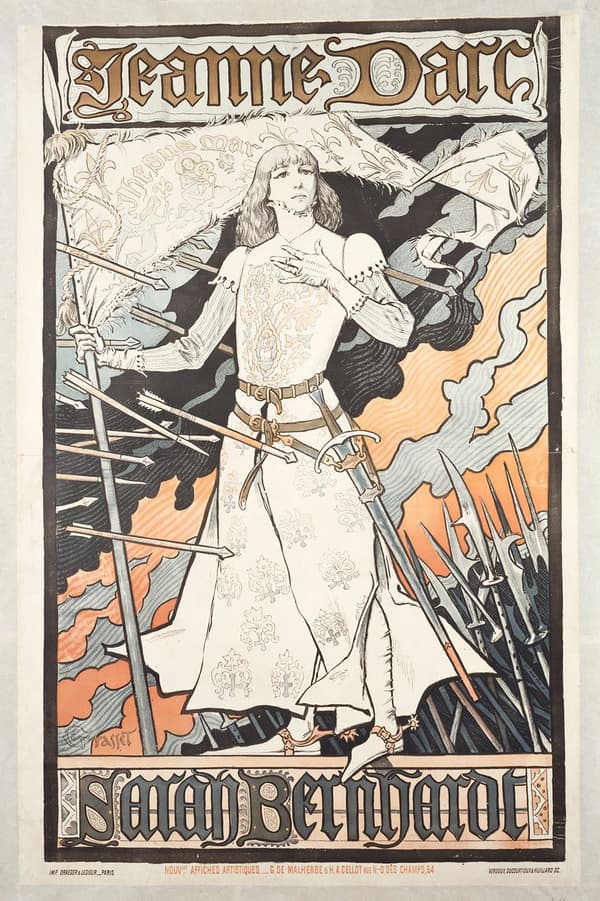
Poster of Sarah Bernhardt as Joan of Arc © Victoria and Albert Museum, London
Notable works on display
Rare works conveying the image of early divas
- A dress worn by Clara Bow in the film "The Wild Party" (1929), from the collection of the Hollywood Heritage Museum (the only costume confirmed to have survived, and one that is rarely shown outside the United States)
- A papier-mâché box presented to Jenny Lind (given in 1848 in gratitude for a charity concert held in support of a hospital)
Costumes marking milestones in the careers of legendary performers
- Costumes worn by Maria Callas in "Norma" (1952), her first appearance at the Royal Opera House, and in "Tosca" (1964), a late-career appearance
- A black fringed dress worn by Marilyn Monroe in the film "Some Like It Hot"
Costumes from the history of ballet and opera
- A costume worn by Tamara Karsavina in the Ballets Russes production "La Cantinière" (ラ・カンティニエール)
- A costume worn by Jessye Norman as Ariadne in "Ariadne auf Naxos" at the Royal Opera House
Costumes created by renowned designers
- The outfit Elton John wore at his 50th birthday party (designed by Sandy Powell)
- A group of costumes worn by Cher (designed by Bob Mackie, including the glittering two-piece worn at the first Rock Music Awards)
- Joyce DiDonato's red satin dress (designed by Vivienne Westwood)
- The gown Björk wore at a performance in Reykjavík, Iceland (2021) (designed by Maison Valentino)
- The outfit Rihanna wore at the Met Gala (2018) (designed by John Galliano / Maison Margiela)
- The gown Lady Gaga wore at the Golden Globe Awards (2019) (designed by Maison Valentino)
Costumes carrying messages and self-expression
- Pants with a vulva motif worn by Janelle Monáe in the music video for "PYNK"
- Lizzo's voluminous cape and sash bearing a message (designed by Viktor & Rolf)
- The ensemble Billie Eilish wore at the Glastonbury Festival (2019) (designed by Stella McCartney)
- Stage shoes designed for Prince and worn by him
2. Examining 200 Years of Performing Arts, Film, and Popular Music Through a Feminist Lens
Looking at the changing nature of the diva from many angles
The exhibition looks at how divas have influenced culture through their overwhelming creativity and expressive power. In a male-centered society built on patriarchal norms, it considers how women and queer singers and performers gained agency through self-expression and kept challenging existing values and prejudice. It also examines how the meaning of the word "diva" has developed through history and been passed down across eras.
3. A Special Viewing Experience Surrounded by the Divas' Singing Voices
Through staging in which visitors move through the exhibition space together with the divas' music and footage, they can feel the presence and creative energy of the divas who symbolize each era. The atmosphere and energy of each period, which cannot be gained simply by viewing the works one by one, can also be felt.
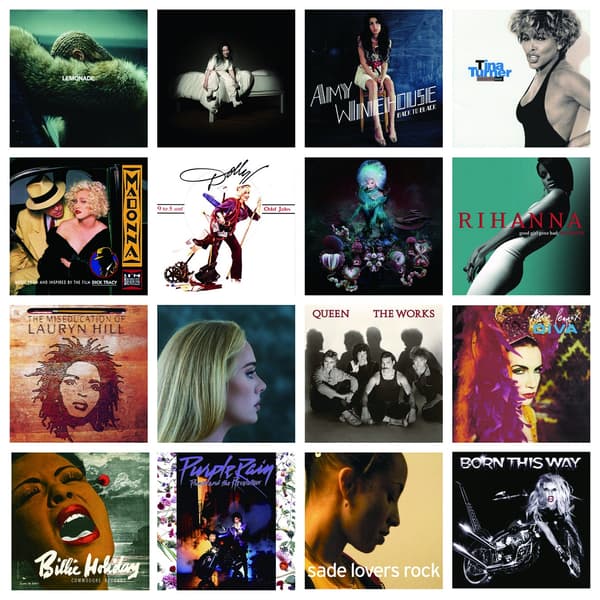
Album jackets: Beyoncé "Lemonade," Billie Eilish "When We All Fall Asleep, Where Do We Go?," Amy Winehouse "Back to Black," Tina Turner "Simply the Best," Madonna "I'm Breathless," Dolly Parton "9 to 5 and Odd Jobs," Björk "Fossora," Rihanna "Good Girl Gone Bad: Reloaded," Lauryn Hill "The Miseducation of Lauryn Hill," Adele "30," Queen "The Works," Annie Lennox "Diva," Billie Holiday "Strange Fruit," Prince "Purple Rain," Sade "Lovers Rock," and Lady Gaga "Born This Way." Jacket photos courtesy of Sony Music Labels Inc., Universal Music LLC, Warner Music Japan, and BIG NOTHING
Exhibition Structure
Act 1: The Birth of the Diva
- Chapter 1: Pure Goddesses: The Early Prima Donnas
- Chapter 2: Heroines of the Victorian Stage
- Chapter 3: Dancers and Showgirls
- Chapter 4: Goddesses of the Silent Screen
- Chapter 5: Hollywood Divas
- Chapter 6: Peerless Songstresses
Looking at 19th-century opera divas, actors and performers of the 20th-century show business world, and the prima donnas who took the leading roles, this act traces how the subjects and the image the word "diva" refers to have changed.
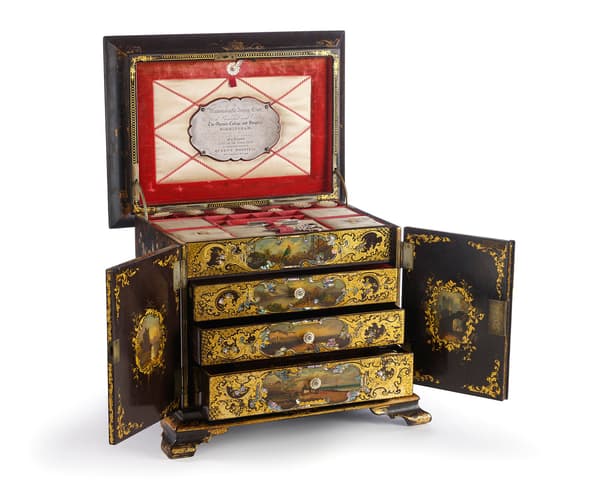
A papier-mâché box (with mother-of-pearl inlay and painted decoration) made by Jennens & Bettridge and presented to Jenny Lind at the charity concert in support of Queen's College Hospital (Birmingham) held on December 28, 1848
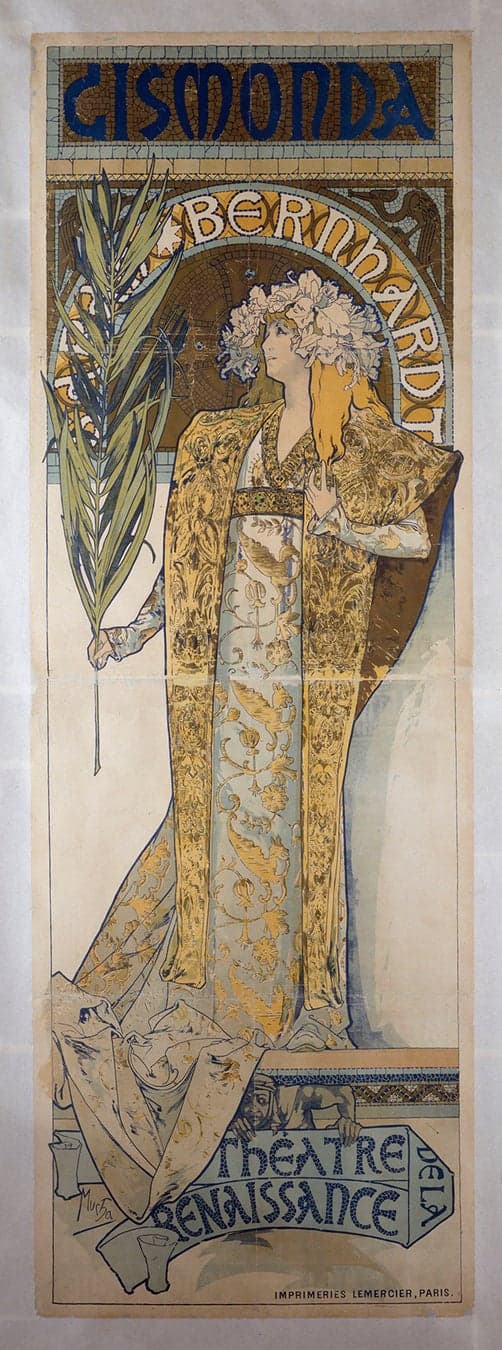
Poster for "Gismonda" starring Sarah Bernhardt, staged at the Théâtre de la Renaissance (Paris). Design: Alphonse Mucha (1895) © Victoria and Albert Museum, London
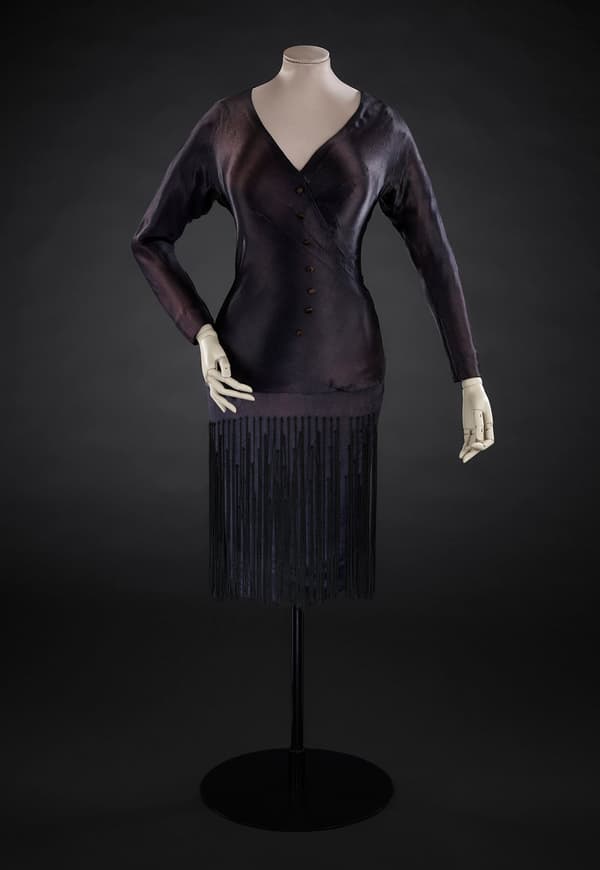
Costume worn by Marilyn Monroe as Sugar Kane Kowalczyk in the film "Some Like It Hot." Design: Orry-Kelly (1959) © Victoria and Albert Museum, London
Act 2: The Rebirth and Resurrection of the Diva
- RUN THE WORLD
- I WANT TO BREAK FREE
- BACKLASH BLUES
- ALL BY MYSELF
- EXPRESS YOURSELF
- A STAR IS BORN
Starting from the second-wave feminism of the 1960s and following a timeline from the civil rights movement to the present, this act traces the changes in the divas and shows how their work has contributed to the struggle for social liberation in terms of gender and race and for the acceptance of diverse ways of living.
Note: Second-wave feminism is the movement that followed first-wave feminism, which aimed to win women's suffrage. Under the slogan "the personal is political," it sought to eliminate inequality and unfairness between men and women in the structure of society.
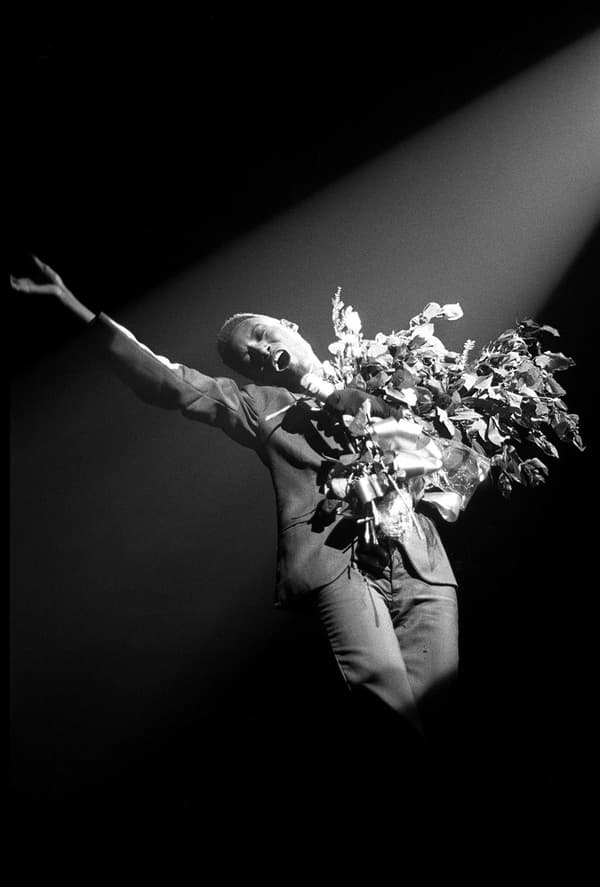
Grace Jones on stage at the Theatre Royal, Drury Lane (London), October 10, 1981. Photograph © David Corio
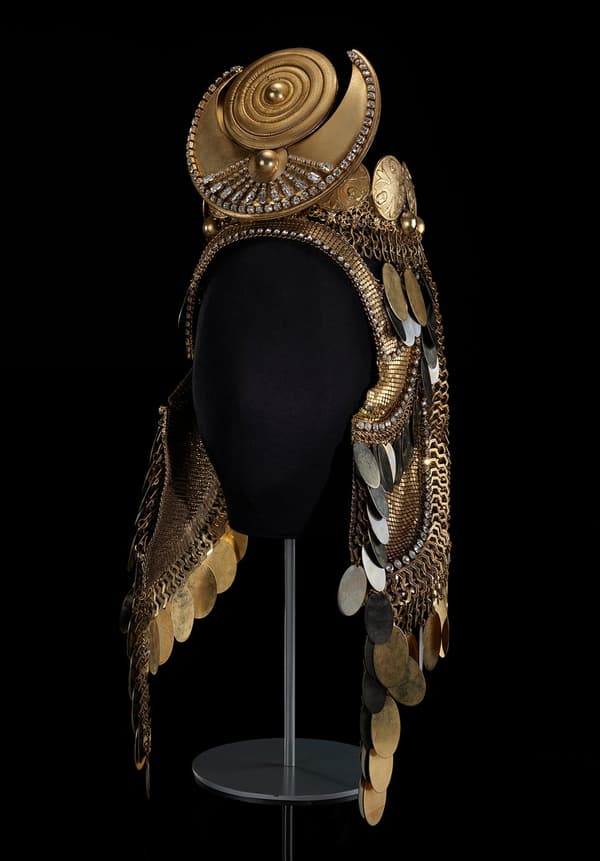
Headpiece worn by Beyoncé. Design: ヴィッキサージュ (2011) © Victoria and Albert Museum, London
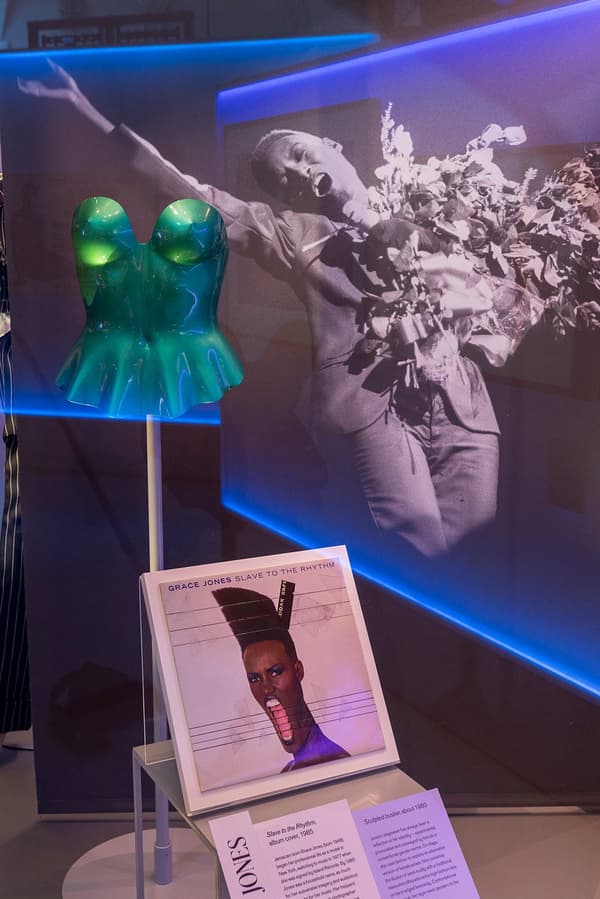
Bustier worn by Grace Jones. Design: Issey Miyake. Installation view of the V&A's "DIVA" exhibition © Victoria and Albert Museum, London
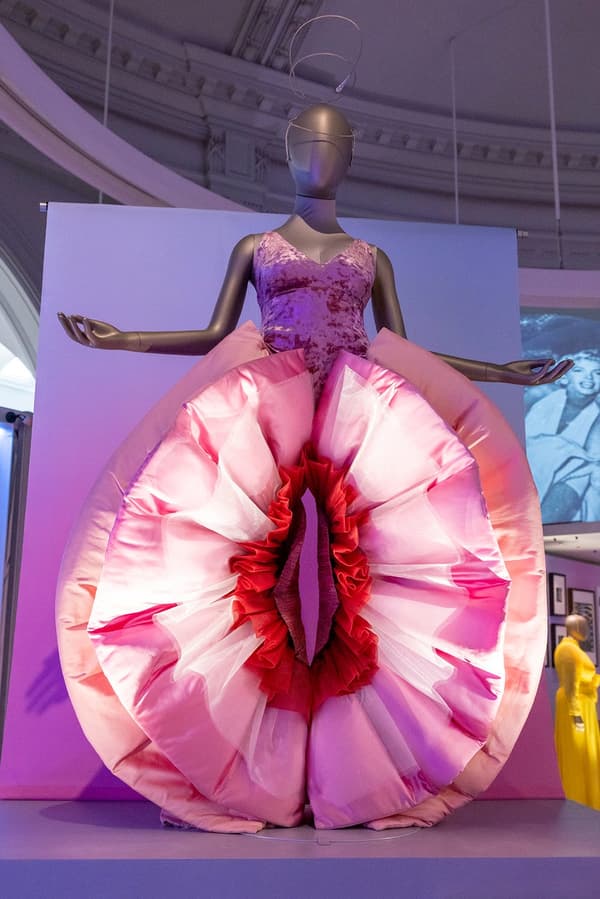
Costume worn by Janelle Monáe in the music video for "PYNK." Installation view of the V&A's "DIVA" exhibition © Victoria and Albert Museum, London
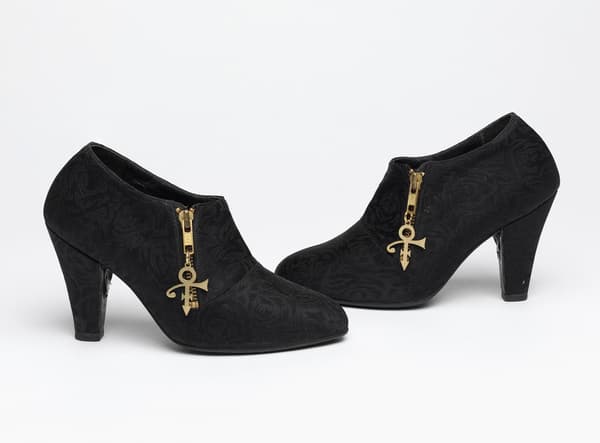
Shoes worn by Prince © Victoria and Albert Museum, London
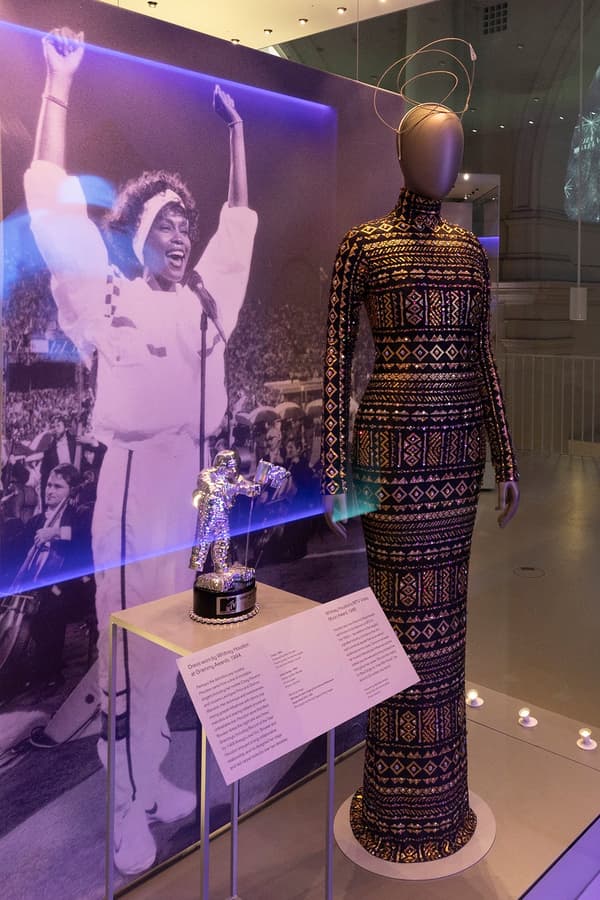
Dress worn by Whitney Houston at the Grammy Awards (1994). Installation view of the V&A's "DIVA" exhibition © Victoria and Albert Museum, London
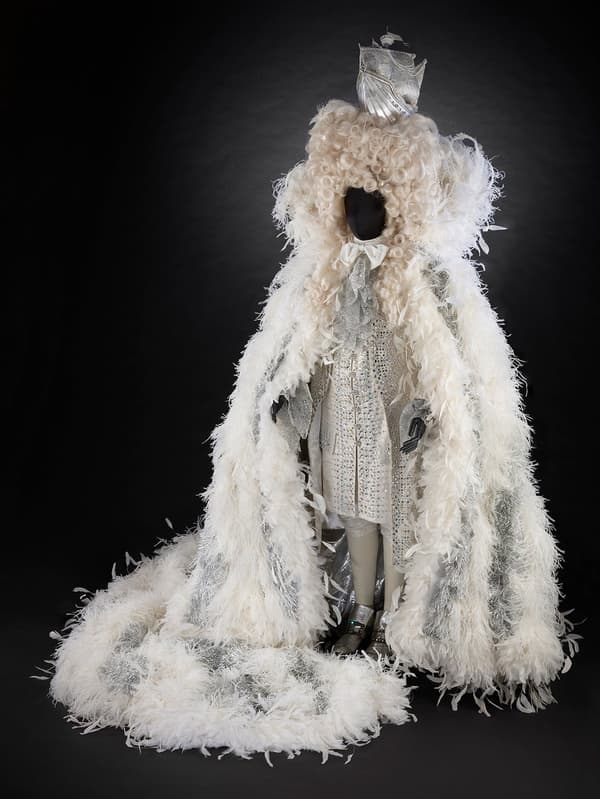
Ensemble inspired by Louis XIV, worn by Elton John at his 50th birthday party. Design: Sandy Powell (1997) © Victoria and Albert Museum, London
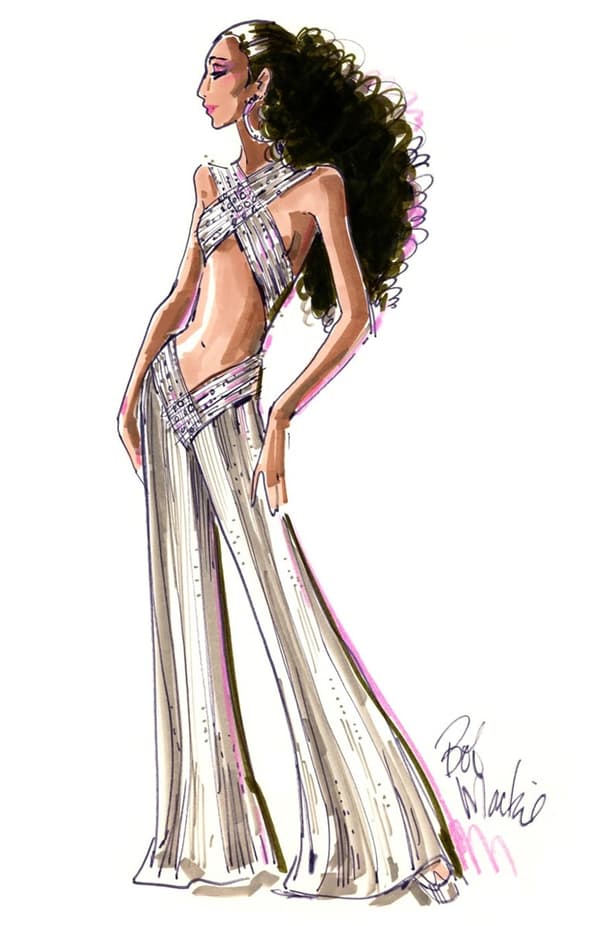
Design drawing of the ensemble worn by Cher at the first Rock Music Awards (1975). Design: Bob Mackie, Bob Mackie Design Group, Ltd.
Special Display for the Japan Presentation
Akihiro Miwa
The exhibition focuses on Akihiro Miwa (1935–2026) as a leading diva of Japan. Born in Nagasaki, Miwa experienced exposure to the atomic bomb, began studying vocal music in their teens, and moved to Tokyo upon entering high school. Miwa then began a full-fledged singing career at the chanson café Ginparis (銀巴里). Wearing shirts made with lace and satin that overturned the menswear conventions of the time, Miwa came to express a self that went beyond existing gender norms. When the chanson "Mekemeke" (メケメケ, 1957), for which Miwa wrote the Japanese lyrics, became a hit, the name became widely known.
After a difficult period, Miwa wrote songs about people in harsh circumstances in society, including "Yoitomake no Uta" (ヨイトマケの唄, presented on television in 1965), dedicated to coal miners, and established a firm position as a pioneer of singer-songwriters. In autumn 2018, Miwa received the title of Tokyo Metropolitan Honorary Citizen for fiscal 2018 (Heisei 30) from the Tokyo Metropolitan Government in recognition of achievements in many fields. Miwa continued working across genres, including film, stage, and writing, delivering commanding performances, consistently voicing an anti-war message, and fighting discrimination rooted in heteronormativity.
Sisterhood
Many of the divas featured in the exhibition, such as Marilyn Monroe and Ella Fitzgerald and, more recently, Madonna and Kylie Minogue, have interacted with other divas, respected one another, and encouraged one another, and have continued to send many people the message "You are not alone; let's do our best together." The special section for the Japan presentation introduces activities connected to the idea of sisterhood and the divas' passionate messages.
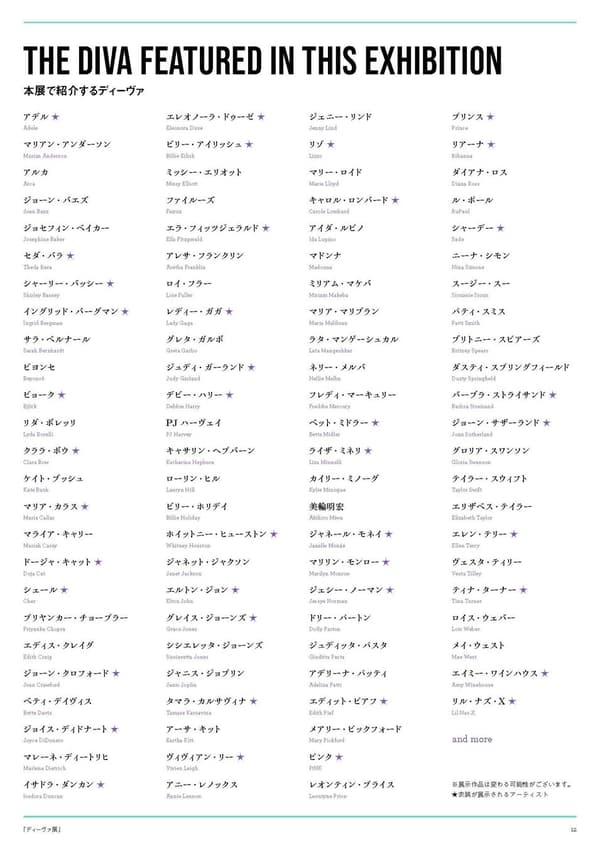
List of the divas featured in the exhibition
About the Logo
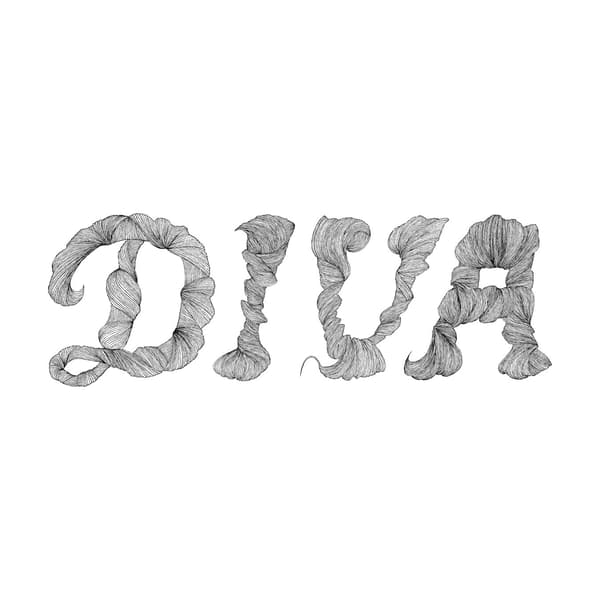
The logo was designed by Hiroshi Tanabe (田辺ヒロシ) and comes with the following words:
A single thread, thin and supple.
Many threads overlap, are woven together, and become a bundle.
The bundle surges powerfully, embraces the light, and shines ever more beautifully.
After graduating from the Department of Graphic Design at Tama Art University, Tanabe studied painting and sculpture at the Brera Academy of Fine Arts in Milan. Tanabe was based in New York from 1992 to 2017 and is now based in Tokyo. In 1994, Tanabe won the Grand Prix at the Cecil Beaton Award organized by British Vogue. In 1998, Tanabe published the portfolio "blue mode," which won a Gold Medal from the Art Directors Club (ADC) in New York, and in 2021 "blue mode" was added to the collection of the Museum of Modern Art (MoMA) in New York. Five of Tanabe's works are also in the V&A's collection.
Tanabe has created illustrations and advertising campaigns for leading fashion magazines and global brands, including Anna Sui, Shiseido, The New York Times, British Vogue, Vogue Paris, Harper's Bazaar, Gap, Nike, Issey Miyake, Toyota, and Stüssy. Tanabe's work has been exhibited in Japan and abroad, including at the V&A and the Balenciaga Museum.
Exhibition Details
Exhibition name: DIVA (ディーヴァ展)
Dates: March 24 (Wednesday) to July 19 (Monday, national holiday), 2027
Closed: Every Tuesday
- The venue is open on May 4 (Tuesday, national holiday).
Opening hours: 10:00 AM to 6:00 PM (until 8:00 PM every Friday and Saturday)
- Last admission is 30 minutes before closing.
Venue: The National Art Center, Tokyo, Special Exhibition Gallery 2E (7-22-2 Roppongi, Minato-ku, Tokyo 106-8558)
Organizers: The National Art Center, Tokyo; Victoria and Albert Museum (V&A); Sony Music Entertainment; "DIVA" Exhibition Production Committee (「ディーヴァ展」製作委員会)
Official website: http://diva2027.jp
Official X: @divatokyo2027
Official Instagram: @divatokyo2027