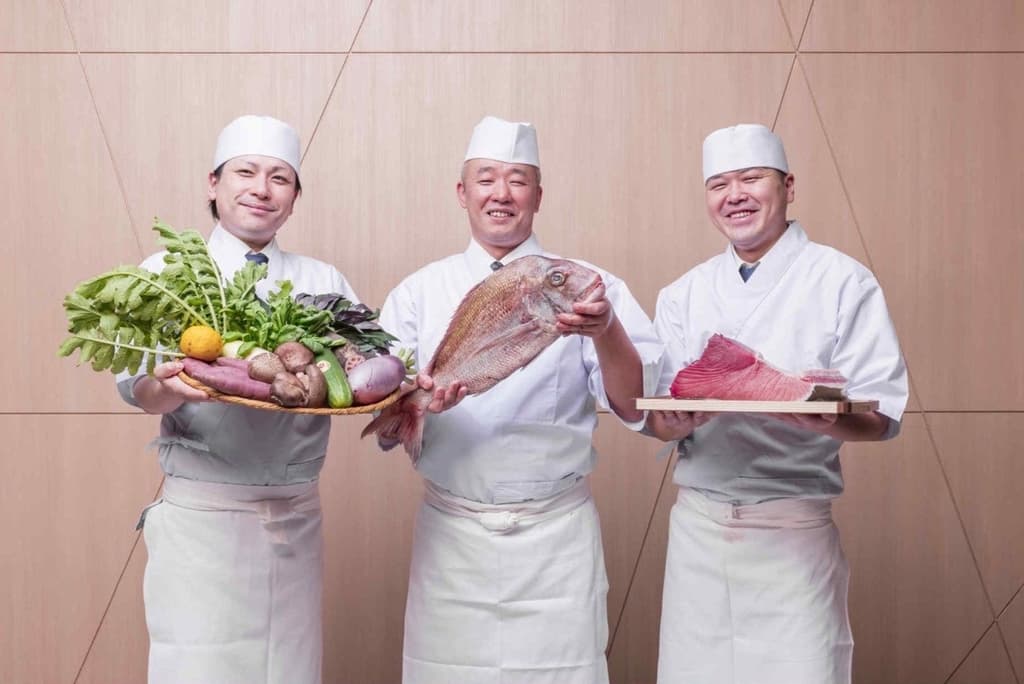
A new Japanese dining destination is set to open in Kanazawa. HAKU Kanazawa Cuisine | 金澤じもの (HAKU) will hold its grand opening on Saturday, March 7, 2026, on the 6th floor of Kanazawa Forus, a commercial facility near Kanazawa Station. The restaurant is currently in a soft-open phase.
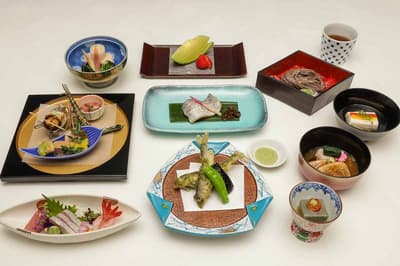
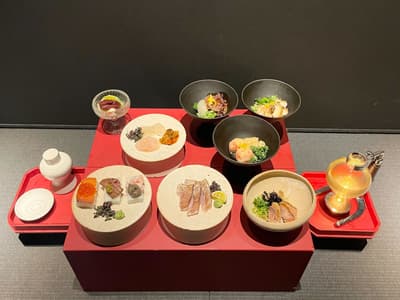
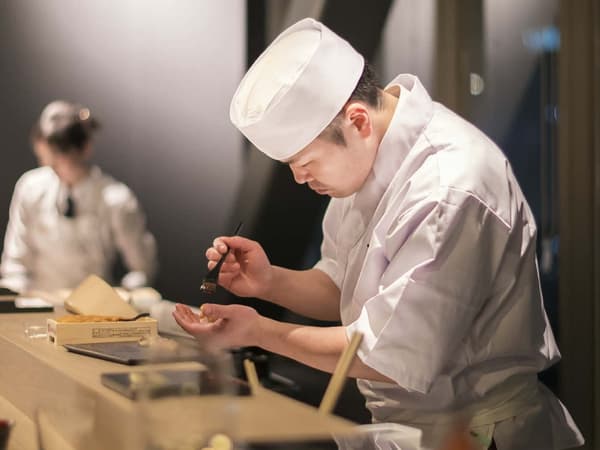
HAKU presents a new style of dining centered on Kanazawa's local ("jimono") ingredients and Japanese food culture. At a single seating, guests can enjoy freshly made sushi crafted piece by piece by a skilled chef, world-renowned wagyu served as shabu-shabu, dishes featuring Kanazawa's traditional "Kaga Vegetables," and Japanese classics like tempura and chawanmushi — all within an OMAKASE course.
Even during the soft-open phase, HAKU has quietly gained a strong following among international visitors through word of mouth. On most evenings, around 90% of guests are inbound tourists.
OMAKASE: A Global Culinary Experience, Now from Kanazawa
The word "OMAKASE" has firmly established itself in the global dining scene. Once described as a "chef's selection course," it now stands on its own — like SUSHI, WAGYU, and MATCHA — recognized worldwide without translation. The term is understood as a luxury experience defined by trust in the chef, the chef's discerning eye for ingredients, and a once-in-a-lifetime encounter.
At HAKU, the OMAKASE course is designed to be completed in approximately one hour, making it a fitting option for travelers looking to experience a concentrated taste of Japanese cuisine within limited time.
Sushi × Wagyu: Japan's Two Culinary Icons in One Course
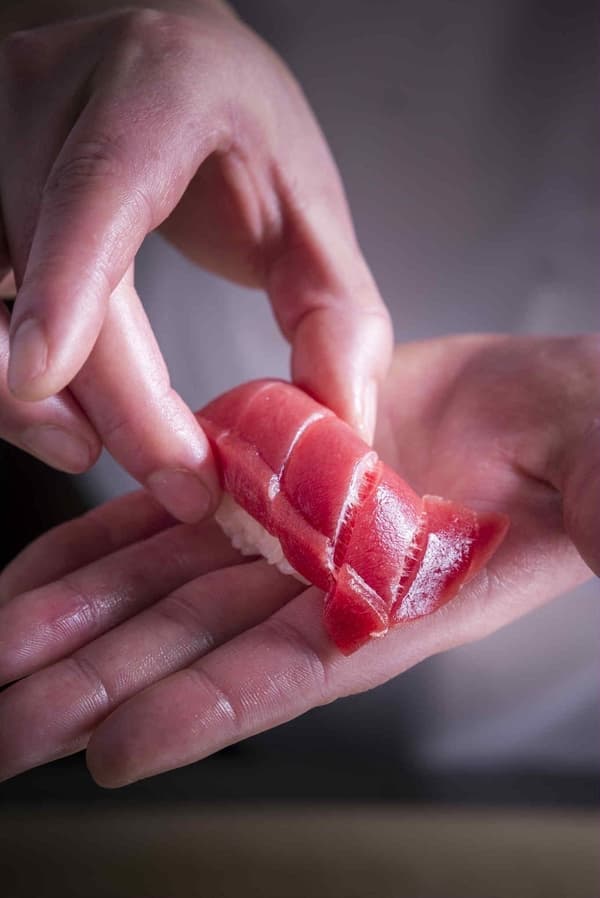
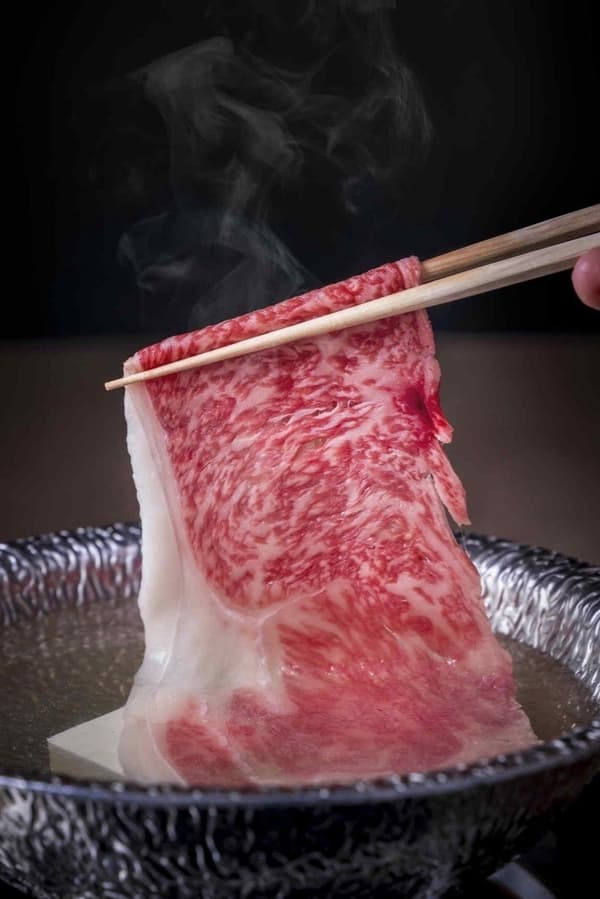
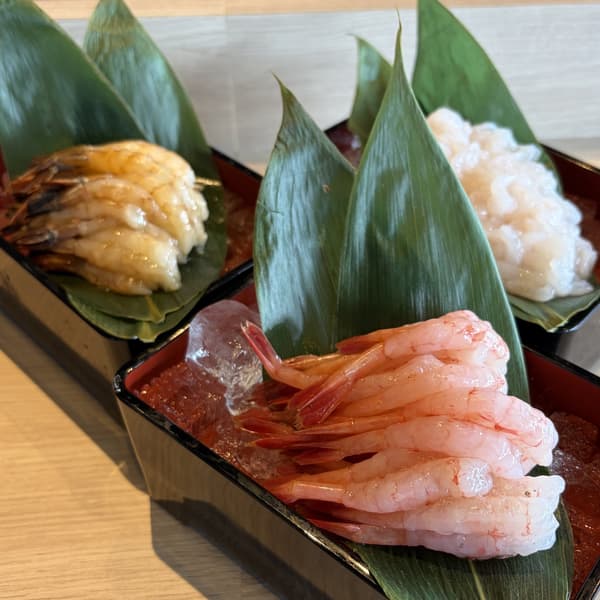
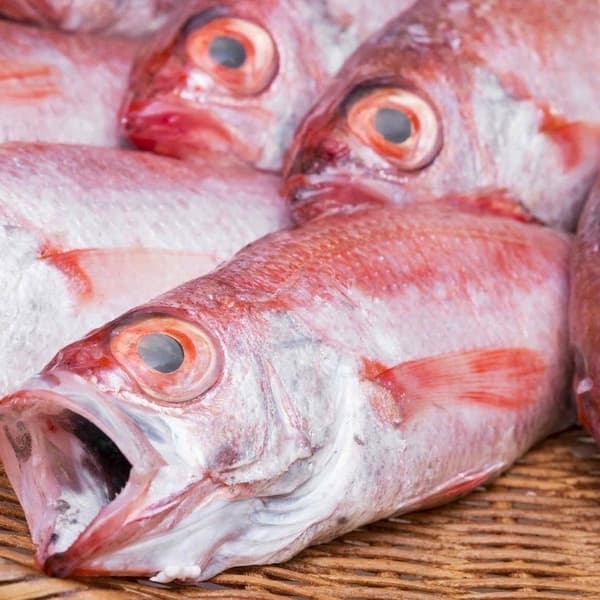
HAKU brings together two of Japan's most celebrated culinary stars — sushi and wagyu — within a single course. Seasonal fish from Kanazawa's rich waters, such as nodoguro (blackthroat seaperch) and amaebi (sweet shrimp), are meticulously crafted into individual pieces of sushi by the chef. Wagyu, celebrated worldwide for its delicate marbling, is served as shabu-shabu — gently swirled in dashi broth to draw out its umami while preserving its natural tenderness. Alongside these highlights, traditional Kaga Vegetables and the layered depth of Japanese dashi round out an experience that explores Japanese cuisine from multiple angles.
OMAKASE Course Menu
OMAKASE Course (¥4,500 including tax) — 9-dish course
① Silky Tofu
② Vinegared Dish (Su no Mono)
③ Three-Way Shrimp Tasting (Shiro Ebi, Gasu Ebi, Ama Ebi)
④ Sashimi
⑤ Local Vegetable Pickles
⑥ Wagyu Shabu-Shabu
⑦ Seafood and Seasonal Vegetable Tempura
⑧ Chawanmushi (Savory Egg Custard)
⑨ Main (choice of 4):
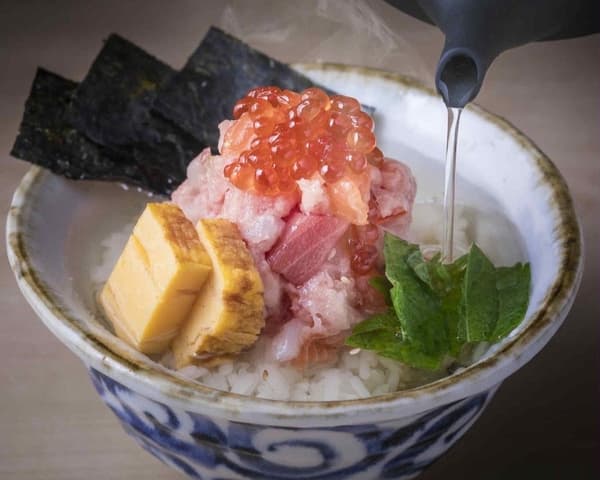
A: Seafood Rice Bowl (Kaisen Don)
B: Eel Rice Box (Unaju) +¥600
C: Premium Eel Rice Box (Jo Unaju) +¥1,200
D: Chef's Selection Nigiri Sushi (6 pieces) +¥1,000
A more affordable course is also available at ¥3,300 (including tax).
Restaurant Information
Store Name: HAKU Kanazawa Cuisine | 金澤じもの
Address: 6F, Kanazawa Forus, 3-1 Horikawa Shinmachi, Kanazawa, Ishikawa
Phone: 076-290-8265
Hours:
- Lunch: 11:00 AM – 2:00 PM (last entry)
- Dinner: 5:30 PM – 8:30 PM (last entry)
Grand Opening: Saturday, March 7, 2026 (currently in soft-open)
Regular Holidays: Open year-round (follows Kanazawa Forus schedule)
Seats: 30 seats
Instagram: https://www.instagram.com/hakukanazawa
Featured Ingredients
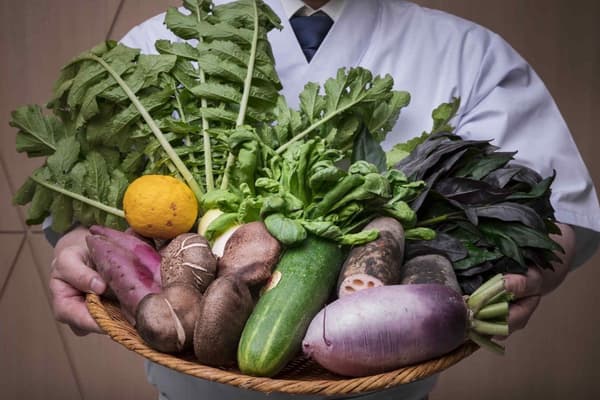
Kaga Vegetables
Kaga Vegetables (Kaga Yasai) are traditional vegetables cultivated in Kanazawa since before 1945, officially certified by Kanazawa City as a branded product. The designation covers 15 varieties — including Kaga Renkon (lotus root), Gorojima Kintoki (sweet potato), Kinjisoü (a leafy herb), and Gensuke Daikon (daikon radish). Each variety has its own distinct character and has long added depth to local cuisine.
Seasonal Seafood from Kanazawa
Kanazawa lies near a rich fishing ground where the Tsushima Warm Current meets cold waters, yielding a wide variety of seafood at its peak throughout the year. The local waters are known for nodoguro with its refined, elegant fat; amaebi (sweet shrimp); freshly caught translucent akaika (squid); and bai-gai (bayberry whelk) with its satisfying bite.
Seasonal catches can be enjoyed as sashimi, as sushi prepared piece by piece by a skilled chef, or as a premium kaisen don (seafood rice bowl).
Wagyu
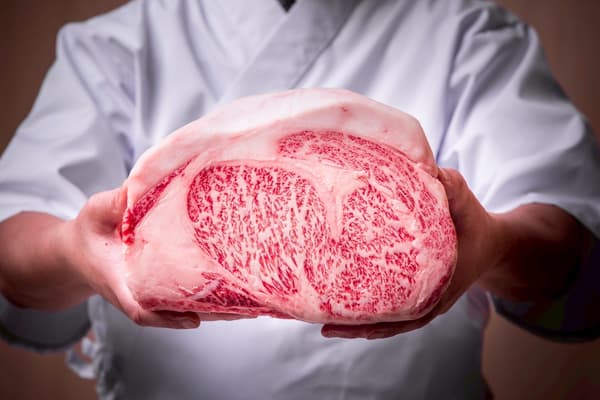
Japanese wagyu is recognized globally for the fine muscle fibers and evenly distributed marbling throughout the meat. Its low fat melting point means that just a little heat draws out its umami, creating a rich, layered flavor that melts on the tongue. At HAKU, wagyu is served as shabu-shabu — briefly passed through hot dashi broth — to preserve its natural flavor and tenderness.
Dashi Culture
Dashi — broth drawn from kombu (kelp) and katsuobushi (bonito flakes) — forms the foundation of Japanese cuisine. Its layered umami enhances and harmonizes the flavors of every ingredient it accompanies. This depth and lingering finish represent the essence of Japan's dashi culture.
Sake Pairing Experience
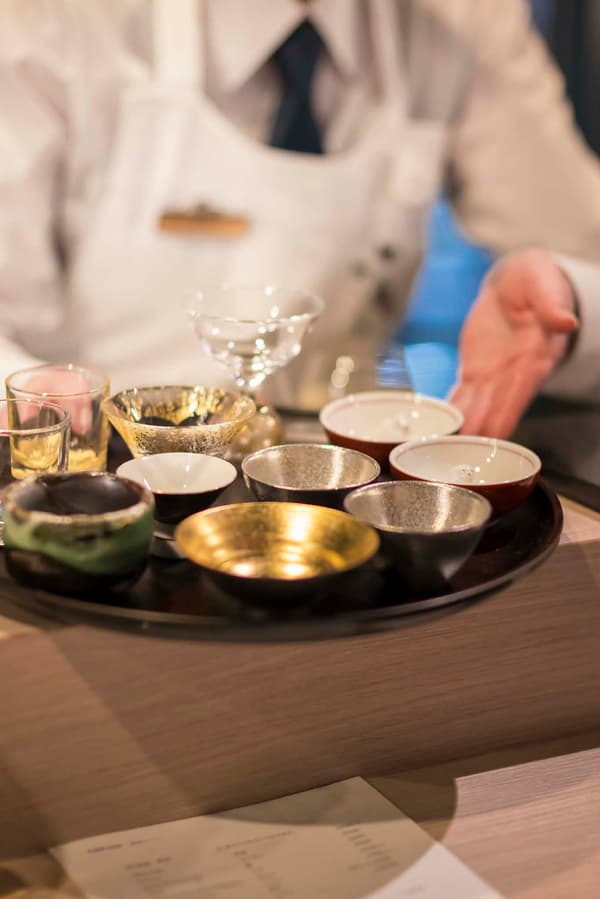
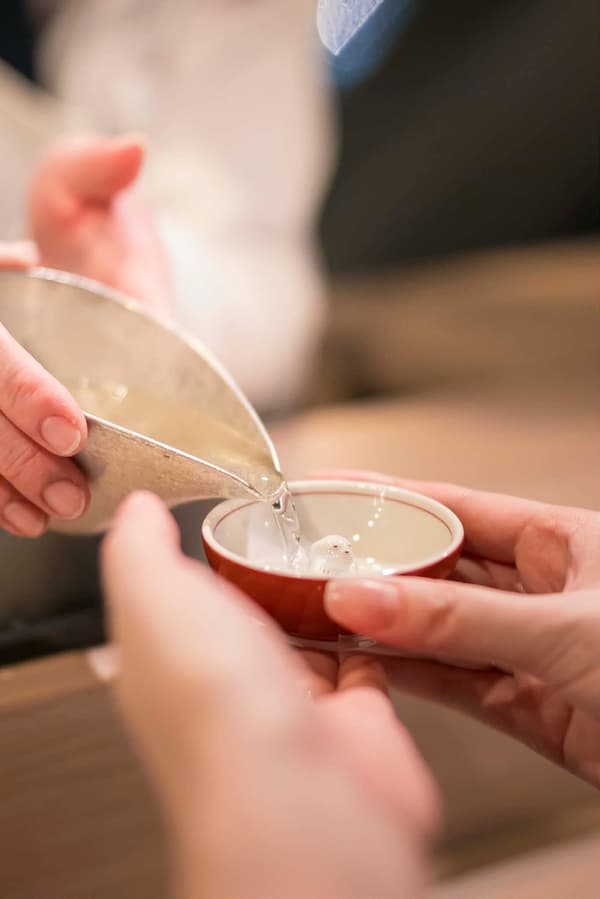
HAKU has a sake sommelier (kikizakeshi) on staff who offers pairings to complement the cuisine. The drink menu centers on sake, with white and red wines also available — all chosen for their harmony with Japanese food.
The Sake Tasting Set (Sake Tasting Set) lets guests compare the umami, aroma, and crispness of three different selections — a particularly popular option for international visitors.
Sake Tasting Set
- Kagatobi Gokkan Junmai (Ishikawa) — A dry sake with clean crispness and clear umami character.
- Matsuno Tsukasa Junmai (Shiga) — A full-bodied sake with the depth and acidity characteristic of kimoto-style brewing.
- Kokuryu Daiginjo (Fukui) — An elegant daiginjo with refined aroma and a soft, smooth palate.
A Space That Reflects Kanazawa
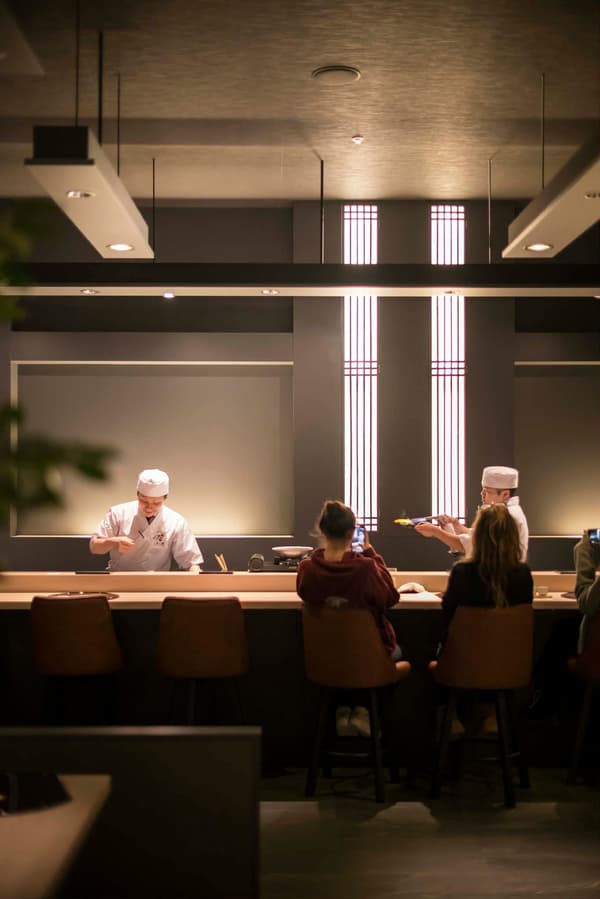
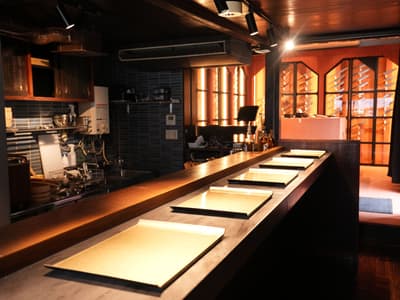
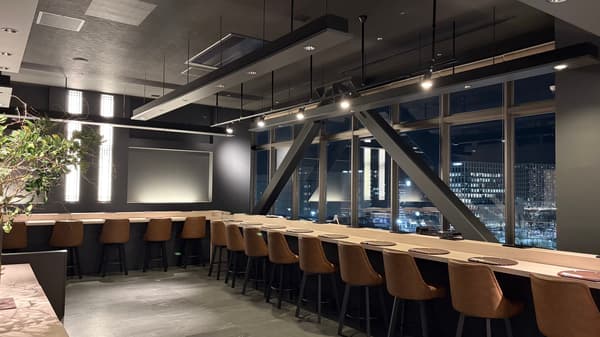
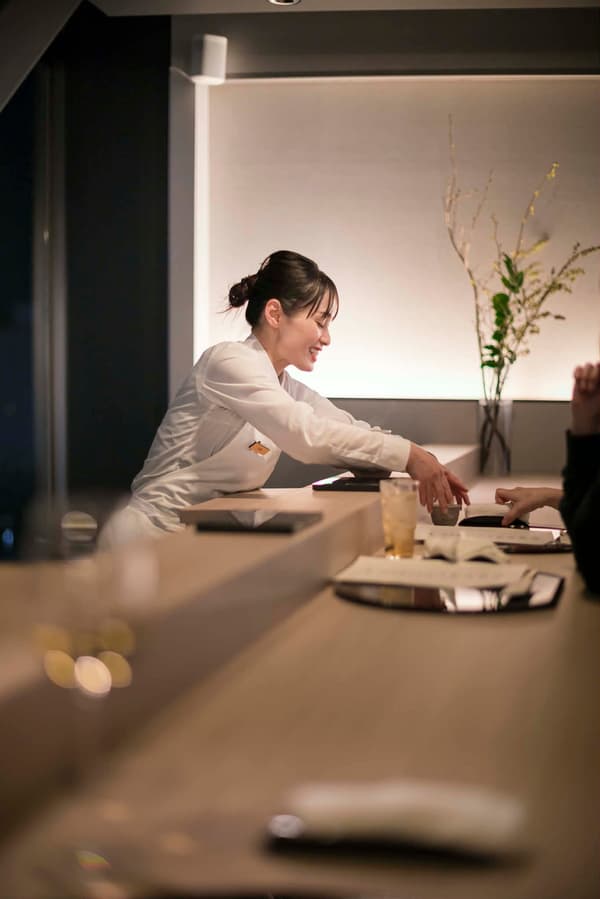
The restaurant interior is notably spacious for a commercial facility dining venue, with scenic views from the 6th floor. A large L-shaped counter runs along the windows, where guests can watch the chefs at work up close. The design incorporates white wood for a soft texture and gentle play of light and shadow, with generous space between seats creating a calm, unhurried atmosphere.
Vertical accent lighting evokes the warm shimmer of Kanazawa's iconic gold leaf, lending a quiet elegance to the space. Behind the counter, a sculptural art piece crafted from natural wood roots expresses the vitality of the Kanazawa region. Tableware includes Kutani ware and Wajima lacquerware, adding a local aesthetic touch throughout the dining experience.
The interplay of white wood, shadow, gold-leaf light, and open space creates a contemporary Japanese atmosphere that highlights both the food and the craftsmanship behind it.