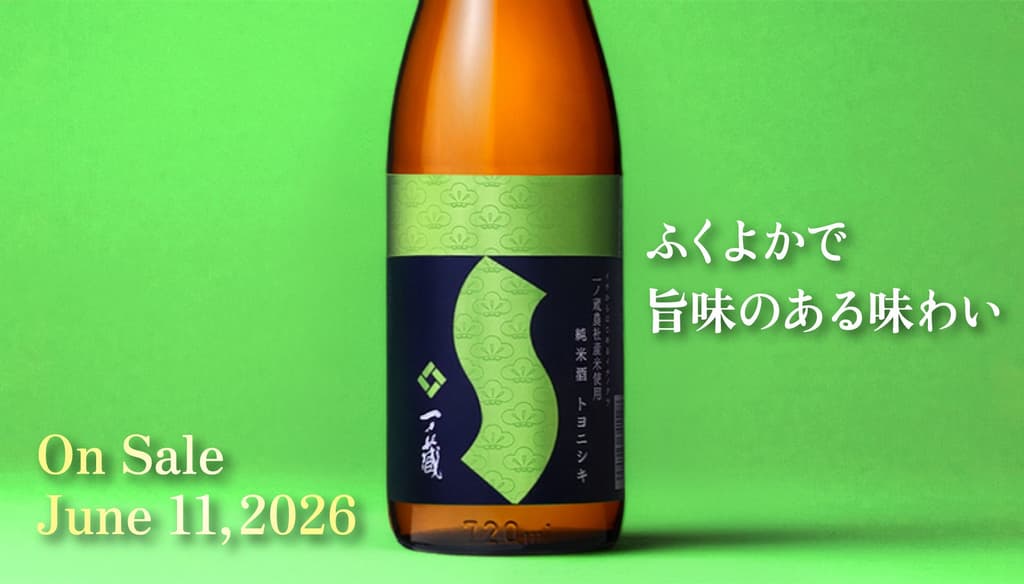
A new limited-quantity junmai sake from Ichinokura, a brewery located in Osaki City, Miyagi Prefecture, went on sale on June 11. The release is part of the brewery's ongoing "Ichi kara Hajimeru Ichinokura" (Starting from Scratch at Ichinokura) project, in which employees from across all departments take the lead in making sake from the ground up. The sake uses 100% Toyonishiki rice cultivated by the brewery's own agricultural division.
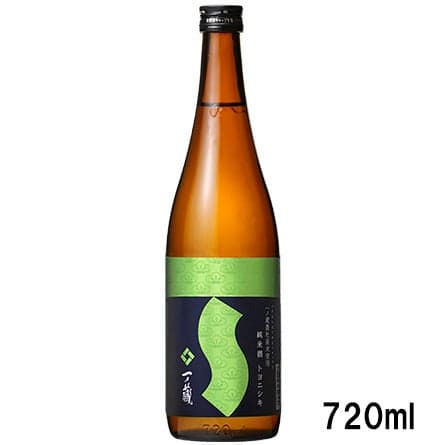
Product Details
| Item | Details |
|---|---|
| Product name | Ichi kara Hajimeru Ichinokura – Ichinokura Junmai-shu Toyonishiki |
| Rice polishing ratio | 65% |
| Alcohol content | 15% |
| Sake meter value | +1 to +3 |
| Suggested retail price | ¥1,760 (720ml, tax included) |
| Available at | Japan Meimonshu Kai member shops, liquor stores in Miyagi Prefecture, department stores, and others |
The sake showcases the rich umami flavor characteristic of Toyonishiki rice, complemented by a refreshing acidity from carefully selected yeast. Described as a well-balanced "banshaku" (evening drink) that is easy to sip, it opens up in flavor with each cup.
Food Pairings
The sake goes especially well with robust, savory dishes: beef tongue, BBQ and other direct-fire grilled meats, braised pork belly, simmered vegetables, and simmered fish.
The "Ichi kara Hajimeru Ichinokura" Project
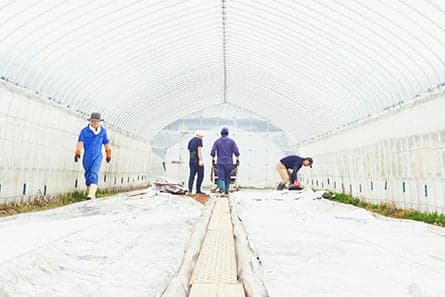
This project puts employees from every department at the center of the sake-making process, from choosing the rice variety and planting seedlings to harvesting the grain. During the brewing stage, sub-deputy toji (master brewer) Abe Masaru of the production department—who received his Nanbu Toji certification in July 2022—leads the team in developing the flavor profile and drawing on the techniques cultivated at Ichinokura over the years.
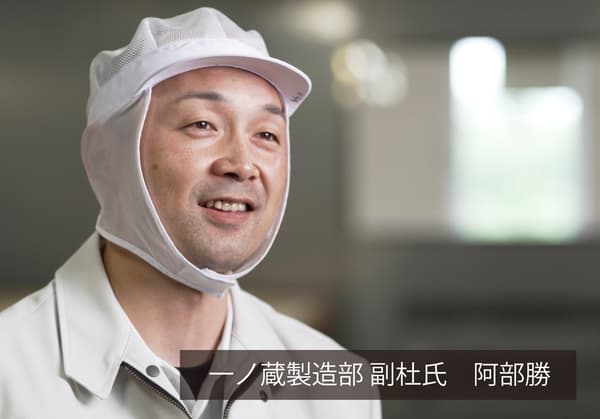
The full story of how the rice is grown and sake is produced—from field to bottle—is also introduced on the brewery's YouTube channel.
About Ichinokura's Agricultural Division
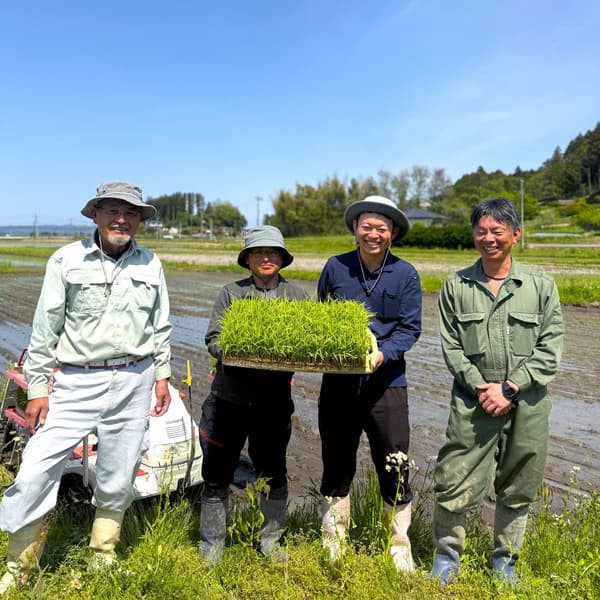
Ichinokura established its agricultural division in August 2004, building on efforts that began after the devastating cold summer of 1993—remembered as the "Heisei Rice Crisis"—which forced the brewery to slash production for the first time since its founding. Observing that organically farmed rice had fared far better during the cold spell, the brewery launched internal study groups and officially established the Matsuyama-cho Sake Rice Research Association in 1995. Today, the division cultivates roughly 25 hectares of farmland in Matsuyama, Osaki City, focusing on high-quality sake rice while sharing agricultural expertise with local farmers to improve raw material quality and support sustainable agriculture.