What Is the Japanese Tea Ceremony?
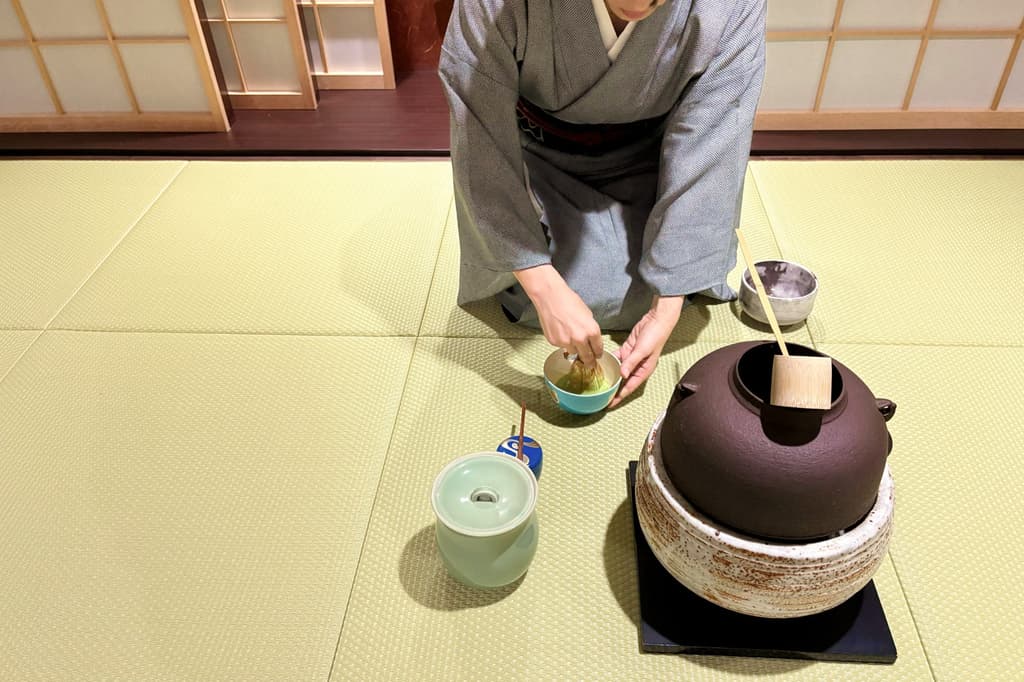
The Japanese tea ceremony -- known as chado or sado (the way of tea) -- is far more than drinking a bowl of green tea. It is a choreographed ritual built around preparing and sharing matcha in a small, purpose-built tearoom, usually with a tatami floor, a hanging scroll, and a single flower arrangement chosen to reflect the season.
Every movement the host makes -- from folding the silk cloth to scooping the powdered tea -- follows a set order that has been refined over centuries. Guests, too, have a role: receiving the bowl, admiring the pottery, and eating a small Japanese sweet (wagashi) before the tea arrives. The whole experience is designed to create a moment of calm awareness that the Japanese call ichigo ichie -- "one time, one meeting" -- the idea that this exact gathering can never be repeated.
For travelers visiting Japan, a tea ceremony is one of the most direct ways to engage with the country's cultural traditions. Sessions aimed at overseas visitors typically last 45 to 90 minutes, are guided in English, and require no prior knowledge. You simply sit, watch, taste, and learn.
A Brief History of Tea in Japan
From Medicine to Art Form
Tea first reached Japan from China in the 8th century, brought by Buddhist monks who valued it as a medicinal drink and an aid to meditation. For several hundred years it remained a luxury consumed mainly by the aristocracy and the clergy.
During the Kamakura period (1185 to 1333), Zen monk Eisai brought back a different preparation method from Song-dynasty China: grinding dried tea leaves into a fine powder and whisking it with hot water. This was an early form of what we now call matcha, and it gradually moved from monastery halls into the residences of the warrior class.
By the Muromachi period (1336 to 1573), tea gatherings had evolved into elaborate social events where wealthy hosts competed to display their finest Chinese ceramics. It was the tea master Murata Juko who shifted the focus away from expensive objects and toward a simpler aesthetic, laying the groundwork for the tea ceremony as a spiritual practice.
Sen no Rikyu and the Philosophy of Wabi-Cha
The figure most closely associated with the Japanese tea ceremony is Sen no Rikyu (1522 to 1591). Born into an Osaka merchant family, Rikyu studied tea under several masters before developing a style called wabi-cha, which prized rustic simplicity over ostentation.
Rikyu shrank the tearoom to as few as two tatami mats, chose rough, locally made tea bowls over polished Chinese imports, and insisted that every gesture serve a purpose. He articulated four guiding principles that still define the practice today:
- Wa (harmony) -- between host, guest, the utensils, and the season
- Kei (respect) -- shown to every person and every object in the room
- Sei (purity) -- both physical cleanliness and clarity of mind
- Jaku (tranquility) -- the inner calm that arises when the other three principles are in place
Rikyu served as tea master to the powerful warlords Oda Nobunaga and Toyotomi Hideyoshi. His influence was so great that, at the height of his career, his aesthetic judgments could affect political alliances. In 1591, Hideyoshi ordered Rikyu to commit ritual suicide -- the exact reason remains debated by historians -- but Rikyu's teachings survived through his students and descendants.
The Three Sen Schools
After Rikyu's death, his grandson Sen Sotan passed the tradition to three of his sons, each of whom founded a school named after the location of their family estate in Kyoto:
- Omotesenke ("front Sen family") -- headquartered at Fushin-an. This school emphasizes simplicity and restraint. When whisking tea, Omotesenke practitioners produce little foam, resulting in a smooth, less frothy bowl.
- Urasenke ("rear Sen family") -- headquartered at Konnichi-an. Urasenke is the largest of the three schools internationally and has been the most active in promoting tea ceremony abroad. Its matcha is whisked to a thick, creamy froth.
- Mushakojisenke ("Mushakoji street Sen family") -- headquartered at Kankyuan. The smallest of the three, Mushakojisenke uses distinctive tea whisks made from naturally purple or green bamboo and, like Omotesenke, produces tea with minimal foam.
All three schools trace their roots directly to Sen no Rikyu, and while the broad philosophy is shared, they differ in small procedural details -- the way the silk cloth is folded, the angle at which the tea scoop is held, or the thickness of the foam. Most tourist-oriented tea experiences in Japan follow Urasenke conventions, since that school has the widest reach outside Japan.
Tea Ceremony Etiquette -- What Guests Should Know
You do not need to memorize a long list of rules before attending a tea ceremony. Hosts who welcome international visitors are accustomed to guiding newcomers through the process. That said, knowing a few basics will help you feel more comfortable and show respect for the tradition.
Before the Ceremony
- Clothing: Wear modest, comfortable clothes in muted tones. Avoid strong perfume, as it can interfere with the subtle fragrance of the incense and tea. Remove rings, bracelets, and watches that could scratch the tea bowls.
- Socks: You will be asked to remove your shoes at the entrance, so bring clean socks (or the venue may provide white tabi socks).
- Arrival: Plan to arrive a few minutes early. Punctuality is considered a sign of respect for the host's preparation.
During the Ceremony
- Entering the room: In a formal tearoom, guests enter through a small, low entrance called a nijiriguchi, which requires you to duck or crawl -- a deliberate design that symbolizes leaving status and ego at the door. In tourist-friendly venues the entrance is usually a standard doorway.
- Seating: The host or an assistant will show you where to sit. Traditional seating is seiza (kneeling with legs folded underneath you). If this is uncomfortable, many English-language sessions allow you to sit cross-legged or on a chair.
- The sweet: A Japanese confection is served before the tea. Pick it up with the provided paper or small plate, eat it entirely before the tea arrives, and appreciate its shape and flavor -- it is chosen to complement the tea.
- Receiving the tea bowl: When the host places the bowl in front of you, bow slightly. Pick up the bowl with your right hand and set it on your left palm. With your right hand, rotate the bowl clockwise about 90 degrees so that the decorated "front" of the bowl faces away from you. This gesture shows humility -- you are saying that you do not deserve to drink from the most beautiful side.
- Drinking: Finish the tea in three or four quiet sips. When the last sip is done, a small slurping sound is acceptable -- it signals to the host that you have finished and that you enjoyed the tea.
- After drinking: Wipe the rim of the bowl with your fingers, rotate it back so the front faces the host, and place it on the tatami in front of you. You may then pick up the bowl to admire its glaze and shape -- this is expected and is a compliment to the host's choice of utensil.
General Tips
- Avoid stepping on the border (heri) of the tatami mats -- this is considered impolite.
- Photography policies vary. Some tourist sessions encourage photos; formal ceremonies may prohibit them. Ask beforehand.
- Mobile phones should be silenced and kept out of sight.
What to Expect at a Tourist Tea Ceremony
Most tea experiences offered to overseas visitors fall into the category of chakai (informal tea gathering) rather than a full-length chaji (formal tea event that can last up to four hours and includes a multi-course meal). A typical tourist session runs between 45 and 90 minutes.
Here is what a standard session looks like:
- Introduction (10 to 15 minutes): The host explains the history and philosophy of tea ceremony, describes the utensils, and outlines the etiquette.
- Demonstration (15 to 20 minutes): The host performs the ritual preparation of matcha -- cleaning the utensils, scooping the tea powder, adding hot water, and whisking.
- Tasting (10 to 15 minutes): Guests receive their own bowl of matcha along with a seasonal wagashi sweet.
- Hands-on whisking (optional, 10 to 15 minutes): At some venues, guests can try whisking their own bowl of matcha under the host's guidance.
- Q&A and utensil viewing: Time to ask questions and examine the tea bowls, bamboo whisk (chasen), tea scoop (chashaku), and tea caddy (natsume).
Prices for group sessions at tourist-friendly venues in Kyoto and Tokyo typically range from about 2,000 to 6,000 yen per person. Private sessions, kimono-inclusive packages, and temple-based experiences tend to cost more, sometimes upward of 8,000 to 15,000 yen.
Where to Experience Tea Ceremony in Kyoto
Kyoto is the spiritual home of chado. The city's major tea schools are headquartered here, and hundreds of teahouses, temples, and cultural spaces offer sessions for visitors.
Camellia Tea Ceremony (Higashiyama)
Camellia runs two venues in Kyoto. The FLOWER location sits along Ninenzaka, the stone-paved slope leading to Kiyomizu-dera, inside a preserved machiya townhouse. The GARDEN location is a 100-year-old teahouse near Ryoan-ji with views of a traditional garden. Sessions last 45 minutes and cost 3,000 yen per person (1,500 yen for children aged 7 to 12). Open daily from 10:00 to 17:00.
Maikoya (Gion, Karasuma Shijo, Nishiki)
Maikoya operates from three registered cultural properties in central Kyoto. Their sessions combine tea ceremony with an optional kimono rental. A standard tea ceremony experience costs around 3,300 yen; adding a kimono brings the total to roughly 6,000 yen. Sessions run about 45 to 60 minutes and are guided in English, Chinese, or Japanese.
Tea Ceremony Ju-An at Jotoku-ji Temple
For a setting that feels less commercial and more contemplative, Ju-An offers tea ceremony inside Jotoku-ji, a Buddhist temple in central Kyoto. The ceremony takes place in a traditional tatami room within the temple grounds, giving guests a sense of how tea was historically practiced in a religious context.
Kyoto Gion Tea Ceremony Studio
A studio opened in Gion's Hanamikoji area that focuses on providing English-guided sessions in an authentic machiya setting. The location near Gion's geisha district means you can combine a tea ceremony visit with a walk through one of Kyoto's most atmospheric neighborhoods.
If you are spending more time in Kyoto, consider adding a kimono experience to your itinerary. This Kyoto kimono rental and photo tour lets you explore the Gion and Higashiyama area in traditional dress — and many of the tea ceremony venues listed above are within walking distance:
Arashiyama Area Options
The bamboo groves and temples of Arashiyama provide a scenic backdrop for a tea experience. Several traditional cafes and guesthouses near Togetsukyo Bridge offer matcha and wagashi in garden settings, though these tend to be casual tastings rather than full ceremonies. To explore the area further, consider this Arashiyama walking tour that covers the bamboo groves, Togetsukyo Bridge, and other highlights:
Where to Experience Tea Ceremony in Tokyo
Tokyo's tea ceremony scene is more spread out than Kyoto's, but the city has a strong selection of venues, many of them conveniently located near major tourist areas.
Maikoya Tokyo (Shinjuku)
The Tokyo branch of Maikoya, located near Shinjuku Station, offers the same kimono-and-tea package as its Kyoto locations. A session costs 6,300 yen per person and includes free kimono rental and hair styling for women. Ceremonies are conducted in English, Japanese, or Chinese. Sessions run about 60 minutes.
Chazen (Asakusa and Ginza)
Chazen provides tea ceremonies starting from 3,500 yen per person. Their Asakusa location is within walking distance of Senso-ji, making it easy to fold a tea experience into an Asakusa sightseeing day.
Shizu-Kokoro (Asakusa)
This venue offers a 90-minute group experience at 4,620 yen per person in which participants take turns acting as both host and guest -- a deeper dive into the ceremony's structure than most tourist sessions provide.
Happo-en Garden (Shirokanedai)
For a luxurious setting, the Muan teahouse within Happo-en Garden offers tea ceremonies surrounded by one of Tokyo's most celebrated traditional gardens. The garden is free to enter, and casual tea tastings are available without a reservation, though a full ceremony may require booking in advance.
Asakusa Matcha Making Tour
Our guided walking tour through Asakusa combines neighborhood exploration with a hands-on matcha-making session, giving you context for the tea within the broader fabric of Edo-period culture.
Tea Ceremony Beyond Kyoto and Tokyo
Nara
Nara's slower pace and temple-filled landscape provide a fitting atmosphere for tea. A small-group tea discovery tour in Nara lets you compare five different types of Japanese tea -- from aromatic matcha to roasted hojicha -- while learning about each variety's history and production.
Mt. Takao (Western Tokyo)
For something truly out of the ordinary, a mountain tea ceremony on Mt. Takao combines a guided hike with outdoor sado at the summit. A tea instructor from Kyoto prepares matcha and wagashi at the peak with panoramic views of the Kanto Plain. The full experience takes about five hours and runs year-round.
Uji (South of Kyoto)
Uji is Japan's most famous matcha-producing region, about 30 minutes by train from central Kyoto. The town is home to Byodo-in Temple, Tsuen Tea -- one of the oldest teahouses in the world, operating since 1160 -- and numerous matcha cafes. While formal ceremony experiences are less common here than in Kyoto, Uji is the ideal place to learn about how matcha is actually grown and processed.
Key Utensils You Will See
Understanding the tools helps you appreciate the care behind each movement:
| Utensil | Japanese Name | Description |
|---|---|---|
| Tea bowl | chawan | Handmade ceramic bowl, often with an intentionally imperfect glaze reflecting wabi-sabi aesthetics |
| Tea whisk | chasen | Carved from a single piece of bamboo into dozens of fine tines; used to whisk the powdered tea |
| Tea scoop | chashaku | A slender bamboo scoop used to transfer matcha from the caddy to the bowl |
| Tea caddy | natsume | A small lacquered container that holds the powdered tea during the ceremony |
| Silk cloth | fukusa | A square silk cloth used to ritually purify the tea caddy and scoop |
| Water ladle | hishaku | A bamboo ladle used to transfer hot water from the kettle to the bowl |
| Iron kettle | kama | A cast-iron pot used to heat water, often with decorative motifs |
Hosts select their utensils to match the season: lighter, shallow bowls in summer to help the tea cool faster, and deeper bowls in winter to retain warmth.
How Tea Ceremony Connects to Broader Japanese Culture
If the ritual side of tea ceremony appeals to you, Japan offers several related cultural experiences that share similar roots:
- Zen meditation (zazen): Tea ceremony grew directly out of Zen Buddhist practice. Many temples in Kyoto and Kamakura offer zazen sessions that complement a tea experience.
- Ikebana (flower arrangement): The single flower in the tearoom alcove follows ikebana principles. Some cultural centers offer combined tea-and-ikebana workshops.
- Kaiseki cuisine: The multi-course meal served during a formal chaji is an early form of kaiseki. Several Kyoto restaurants preserve this connection.
- Kimono wearing: Attending a tea ceremony in kimono adds another layer to the experience. Rental shops near major tea venues in Kyoto and Tokyo can dress you in about 20 to 30 minutes.
- Japanese gardens: Tea gardens (roji) were designed as a transitional space between the outside world and the tearoom. Visiting a traditional garden like Rikugien in Tokyo or the gardens at Katsura Imperial Villa in Kyoto shows how landscape design and tea culture evolved together.
Practical Tips for Booking a Tea Ceremony
- Book ahead in peak season: Kyoto's cherry blossom weeks (late March to mid-April) and autumn foliage season (mid-November to early December) fill up quickly. Reserve at least a week in advance.
- Check the language: Most tourist-friendly venues offer English sessions, but confirm when booking. Some venues run sessions in multiple languages at scheduled times.
- Group size: Smaller groups (two to six people) allow more interaction with the host. Large-group sessions are cheaper but less personal.
- Duration: If you have limited time, a 45-minute session covers the essentials. If you want a deeper experience, look for 90-minute sessions that include hands-on whisking.
- Seating: If you have knee or back issues, ask about chair seating when you book. Many venues can accommodate this.
- Combining with other activities: In Kyoto, pair your tea ceremony with a visit to Kiyomizu-dera (near Camellia FLOWER) or a walk through the Gion district. In Tokyo, combine it with a stroll through Asakusa or a visit to Happo-en's garden.
Frequently Asked Questions
Do I need to sit in seiza (kneeling) the entire time?
Not necessarily. Many tourist-oriented venues allow cross-legged seating or provide chairs. If you start in seiza and become uncomfortable, it is perfectly acceptable to shift your legs -- hosts understand that visitors are not accustomed to this position.
Can children attend?
Most venues welcome children over the age of six or seven. Some places, like Camellia in Kyoto, offer a reduced rate for kids. Young children may find the quiet atmosphere challenging, so consider their attention span.
Is the matcha strong?
Thin tea (usucha), which is what most tourist sessions serve, has a smooth, slightly bitter flavor balanced by the sweetness of the wagashi served beforehand. If you enjoy green tea, you will likely find it pleasant. Thick tea (koicha), served at formal gatherings, is considerably more concentrated.
What if I make a mistake?
Hosts who welcome tourists expect that guests will not know every detail of the etiquette. A genuine effort to follow along is appreciated far more than perfect form. If you are unsure about something, simply watch what the host or other guests do.
How is a tea ceremony different from visiting a matcha cafe?
A matcha cafe is a casual dining experience. A tea ceremony is a structured cultural practice with specific movements, utensils, and philosophy. Both serve matcha, but the ceremony includes the ritualized preparation, the intentional silence, and the relationship between host and guest that gives the tea its deeper meaning.