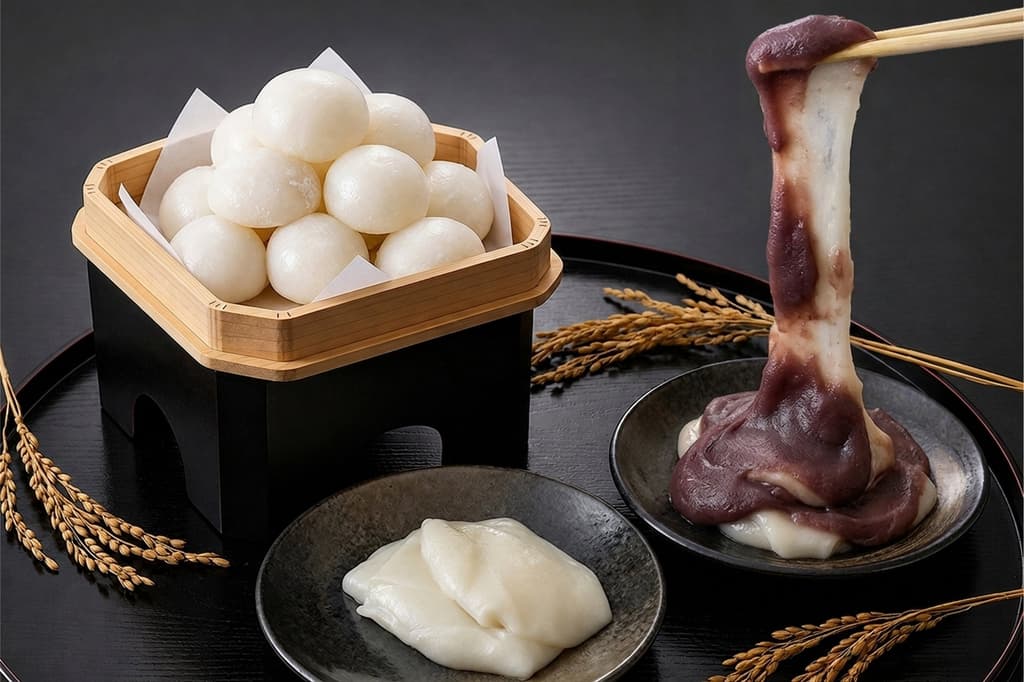
Okashi no Taiyo, a confectionery shop beloved in Chiba Prefecture for years and run by Taiyosha Co., Ltd. (293 Iikura, Sosa City, Chiba; President Masakatsu Kataoka), is marking the start of Obon on Thursday, August 13, 2026 with a limited-quantity sale of handmade tsukitate mochi and omukae dango. The tsukitate mochi is made with premium, first-grade Chiba-grown Mangetsumochi mochi rice, while the omukae dango uses Chiba-grown Koshihikari rice — both pounded the traditional way with a mortar and pestle for an authentic finish.
- Tsukitate mochi, offered with a heartfelt "thank you"
- Omukae dango, guiding ancestors home with a gentle "this way, please"
Wonderful mochi and dango, made to give returning ancestors the warmest welcome.
Where to Buy
Okashi no Taiyo
- Main Store: Sales begin at 9:00 AM
- Togane Store: Sales begin at 9:00 AM
- Naruto Store: Sales begin at 9:00 AM
- Unakami Store: Sales begin at 9:00 AM
A Once-a-Year Moment During Obon — Heartfelt Hospitality for Ancestors
Obon
It's a special time when hearts quietly reconnect with loved ones who have passed away.
Even if we cannot see them, they are surely coming home.
Believing that, families welcome them with open hearts.
Obon is a cherished tradition passed down in Japan for generations, when ancestors' spirits are believed to return home to spend time with their families.
"Welcome home."
"Please take your time and stay a while."
With that spirit of welcome, Okashi no Taiyo prepares "tsukitate mochi" and "omukae dango" as special offerings available only during this season. Both are warm expressions of gratitude and respect for ancestors, carrying the feeling of "thank you for coming home."
"Fill Up and Stay a While" — The Hospitality Behind Tsukitate Mochi
In Sosa City, it's customary to offer rice-pounded mochi to returning ancestors as the "most important food" of the occasion. The tsukitate mochi offered during Obon is a special mochi that conveys gratitude and appreciation to ancestors for making it safely home. Soft and plump, the mochi carries a warm message from the family: "please fill up and take your time here."
"Tsukitate," or freshly pounded, mochi also symbolizes newness and purity — carrying a prayer to comfort the spirits of the departed and wish good health and prosperity for the family.
"Find Your Way Home Safely" — Omukae Dango as a Small Guide for Ancestors
Omukae dango, meanwhile, serves as a kind of guidepost — offered with the wish that ancestors find their way home safely, without getting lost. Shapes and ingredients vary by region, but the round form is also said to carry wishes for a harmonious family and for cherished bonds to continue.
Not a Flashy Offering, But...
- Soft, plump, old-fashioned tsukitate mochi.
- Round, simple omukae dango.
Neither is a flashy offering. But each one carries the family's gentle feelings — "we've been waiting" and "welcome home."
Once a year, during Obon, loved ones come home.
- Welcoming them with "welcome home,"
- And telling ancestors "thank you."
Okashi no Taiyo hopes its confections can play a small part in that.
Exceptional Tsukitate Mochi, Made with Chiba's Premium Mangetsumochi Mochi Rice
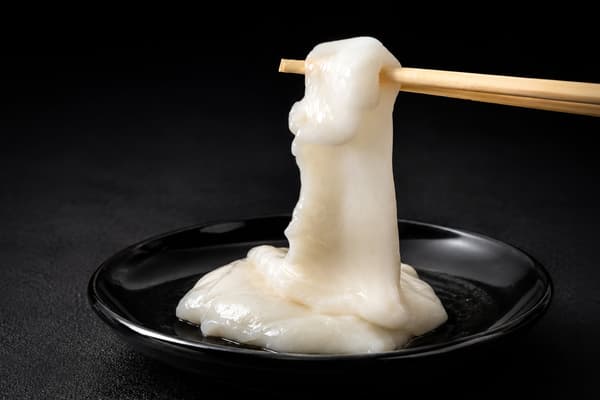
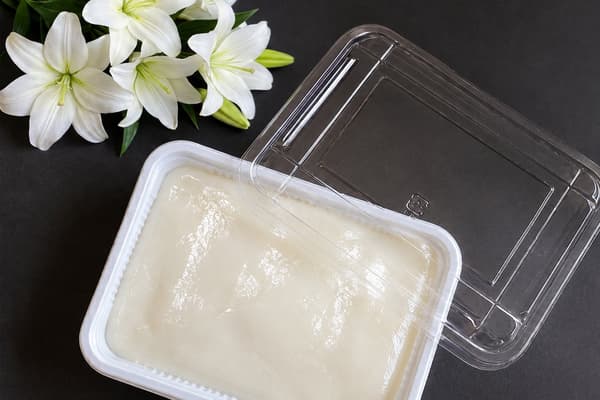
First-Grade Kernels Only — One of Japan's Finest Mochigome Varieties
Okashi no Taiyo's tsukitate mochi is made with Chiba-grown Mangetsumochi mochi rice, using only kernels rated "first grade" — a rare and generous selection.
True to its name, Mangetsumochi means "mochi rice, white and beautiful as a full moon."
It's a variety praised as "true, authentic mochi" for its balance of flavor, texture, and beauty. Only the rare, first-grade kernels — well-formed with very few cracks or blemishes — are selected. First-grade Mangetsumochi is produced in limited quantities, making it a renowned, prized rice. During peak production seasons, it is also the variety used for the rice the Emperor plants by hand, making it one of Japan's finest mochigome varieties.
A Flavor Free of Any Off-Notes — "This Is What Real Mochi Tastes Like"
Hearing "free of off-notes" might not mean much at first.
Have you ever noticed a lingering, grainy taste after eating mochi? A small amount of fat in mochi rice can volatilize during steaming, pounding, and grilling, producing that "rice-like, slightly grassy, powdery" aroma.
Mangetsumochi has none of that.
Fine-grained, its flavor spreads gently the more you chew — the pure taste of the rice itself. Because nothing lingers afterward, you can feel exactly what "free of off-notes" means. It's a flavor you can only truly appreciate by tasting it.
And Mangetsumochi's appeal isn't just its flavor.
Strong and chewy with a springy bite, yet smooth the moment it enters your mouth. Firm, with a satisfying bite, yet it glides smoothly on the tongue. Its fine, smooth texture — free of any graininess — is remarkable enough to make you wonder, "is this really mochi?"
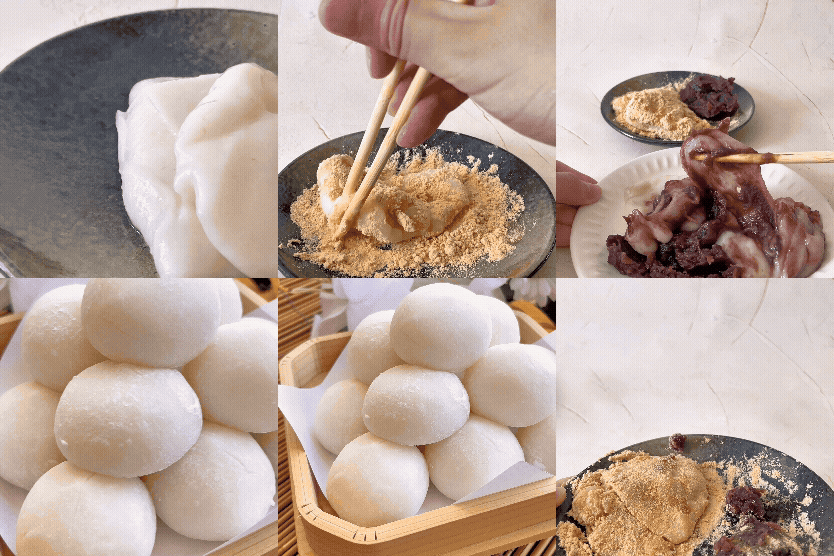
You can see this quality even in photos.
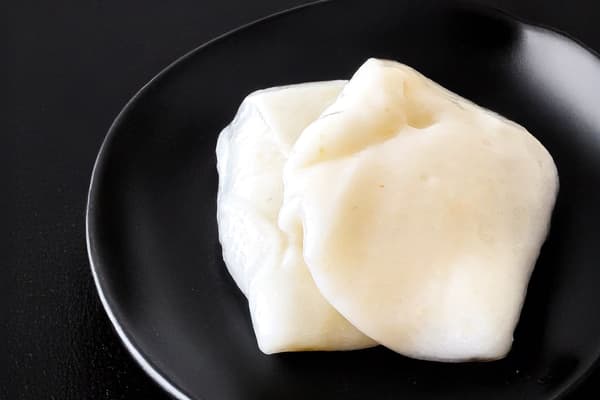
Notice, especially, its remarkable stretch and elasticity.
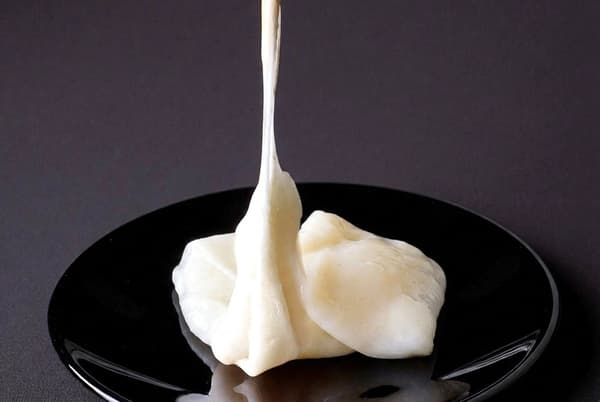
This exceptional Mangetsumochi is delivered by Okashi no Taiyo at its very freshest — tsukitate.
Freshly pounded mochi delivers a noticeably different aroma and texture from the very first bite. Pounded carefully with a traditional mortar and pestle, air is thoroughly worked out of the mochi, helping it hold its shape while drawing out the rice's natural flavor, stickiness, and smoothness to the fullest. It's a taste distinctly different from mass-produced mochi — the real thing.
"Tsukitate" Just Twice a Year — This Time, on August 13
Okashi no Taiyo makes tsukitate mochi only twice a year — during Obon and at year's end.
Even using the same Mangetsumochi rice, the pounding process differs slightly between summer and winter.
The summer mochi made for Obon is traditionally known as "mizumochi" (water mochi), finished by sprinkling water over it while pounding with the mortar and pestle. The added moisture keeps the mochi from hardening, preserving its just-pounded softness — soft enough to cut by hand. This exceptional tsukitate mochi is available only on this one day.
Premium Mochi for a Meaningful Obon
Okashi no Taiyo pounds each tsukitate mochi with care, without compromising on ingredients or technique.
The shop hopes it can be part of this year's Obon offerings.
"You Can Taste the Difference From the First Bite" — Authentic Omukae Dango Made with Rice Alone
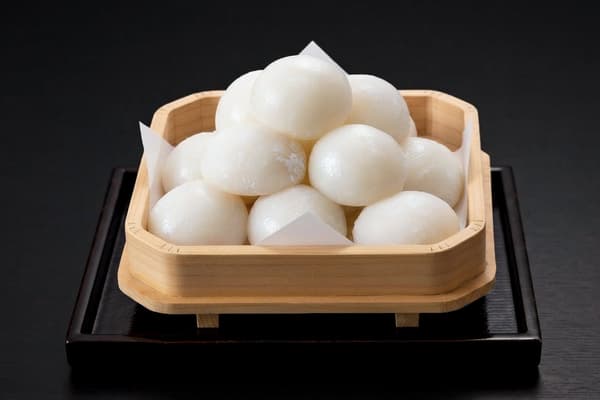
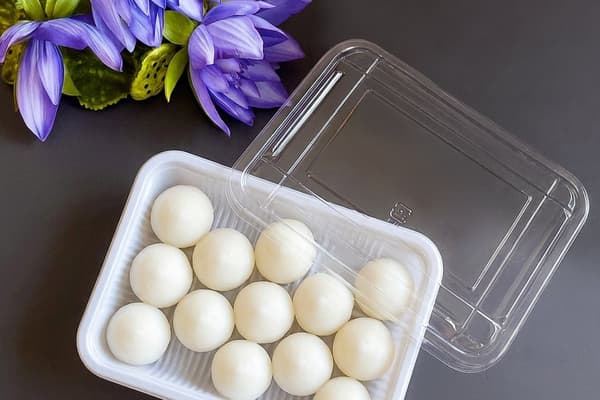
Okashi no Taiyo's dango are a signature product, selling more than 4,000 skewers on its busiest days. The reason for its long-standing popularity: an unwavering commitment to ingredients and a stubborn dedication to traditional methods.
Just Two Ingredients — Chiba-Grown Koshihikari Rice and Water
The rice — the heart of the dango — is exclusively local, Chiba-grown Koshihikari, used generously.
No joshinko (rice flour) or other "powdered" ingredients common in typical dango are used. With nothing added, these are refined, "authentic dango" made purely from the strength of the rice itself.
That's exactly why there's no compromise on the star ingredient: the rice.
Grown in Chiba's mild climate, surrounded by the sea on three sides, this Koshihikari is a standout variety with well-formed grains, moderate stickiness, and a rich aroma. The more you chew, the more you can savor the rice's own umami and sweetness.
Traditional Mortar-and-Pestle Pounding Creates a Surprising Bite
While tsukitate mochi is prized for its strong stickiness and chew, omukae dango's charm lies in a surprisingly clean bite that belies its chewy elasticity. It has a satisfying chew, yet the moment you bite in, your teeth pass through with an almost effortless ease.
"Chewy and mochi-like, yet never sticky — it cuts cleanly."
That contradictory texture is what makes Okashi no Taiyo's dango so delicious.
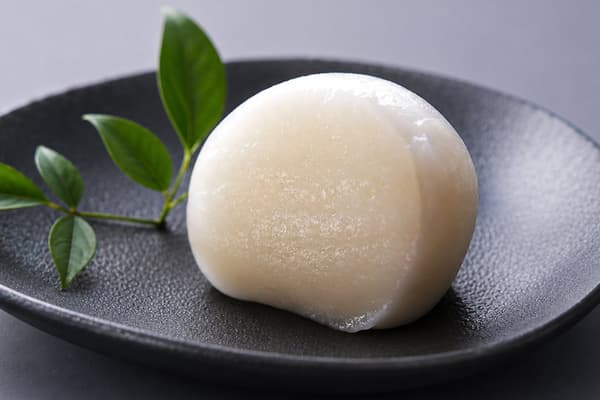
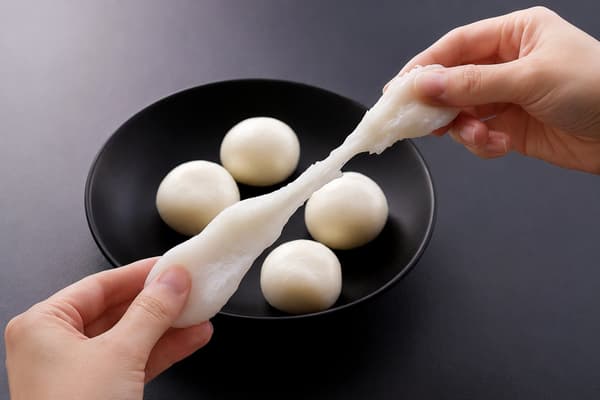
This texture comes from the same traditional mortar-and-pestle method used for the tsukitate mochi.
With nothing added but Koshihikari and water, careful pounding with a mortar and pestle draws out the rice's natural umami and aroma, along with its distinctive chew and clean bite.
Obon-Limited Omukae Dango — 13 Pieces per Pack
The Meaning Behind the Number of Omukae Dango
Omukae dango, offered at the start of Obon to welcome ancestors home, carries different meanings depending on the number offered — varying by region and family custom.
Six Pieces
A number said to represent the six realms of Buddhism (hell, hungry ghosts, animals, ashura, humans, and heaven). Offered in their honor to pray for the departed's peaceful afterlife.
Seven Pieces
Said to reference the memorial services held every seven days until the 49th day after a person's passing — a number connected to the practice of pausing to remember loved ones at each milestone.
Thirteen Pieces
A number connected to the "13th," the start of Obon, and the Thirteen Buddhas believed to guide the souls of the departed. Offered with the wish that loved ones may walk on peacefully.
Forty-Nine Pieces
A number referencing the 49th-day memorial service after a person's passing, offered with a wish for the departed's peaceful afterlife and careful, respectful remembrance.
Every year, Okashi no Taiyo prepares its Obon omukae dango in "13-piece" packs.
August 13 marks "Mukaebon," the day families welcome ancestors home. Echoing the number "13," tied to the Thirteen Buddhas said to guide and protect the departed, each dango is made with the wish, "welcome home, we're glad you made it back safely this year."
They serve as a "treat for the journey," helping ancestors find their way home safely, and as an offering carrying a warm welcome.
This year, why not make Obon a little more special — welcoming ancestors home with 13 pieces of authentic dango, made with carefully chosen ingredients?
Traditional Craftsmanship, Made Carefully with a Mortar and Pestle
Because these are traditional offerings passed down through generations of Obon, Okashi no Taiyo values time-honored methods and an unwavering dedication to ingredients, sparing no effort.
Without relying on anything extra, the result is a "simple flavor that can't be faked."
Each piece is finished with care, true to old-fashioned, authentic flavor.
Step 1: Polishing the Rice
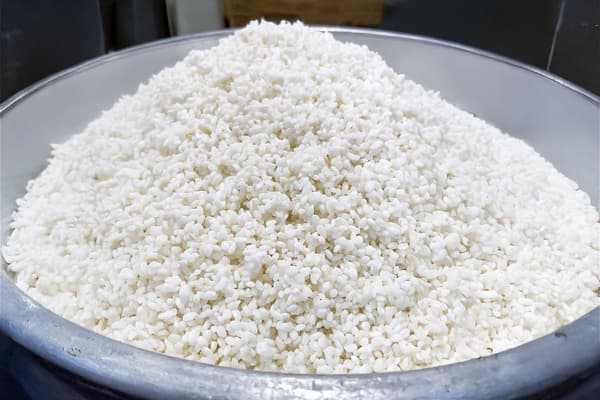
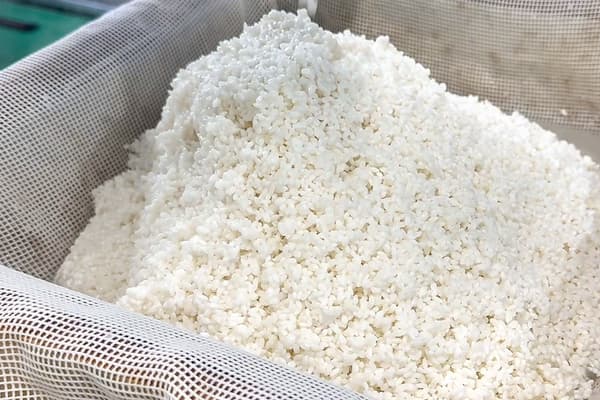
Where polishing is typically done just once, Okashi no Taiyo polishes the rice three times.
Carefully removing the bran left on the surface of the grains reduces the source of off-notes and brings out a clear, beautiful whiteness. It takes extra time and effort, but the shop doesn't skip this step, all to deliver delicious mochi and dango to customers.
Once polished and soaked in water, each rice variety shows its own character:
- Mangetsumochi takes on a soft, milky-white color typical of mochi rice.
- Koshihikari's grains take on a glossy shine, grain by grain.
Similar at a glance, yet each Chiba-grown rice differs slightly in color and grain character. From here, Mangetsumochi is transformed into tsukitate mochi, and Koshihikari into omukae dango.
Step 2: Steaming

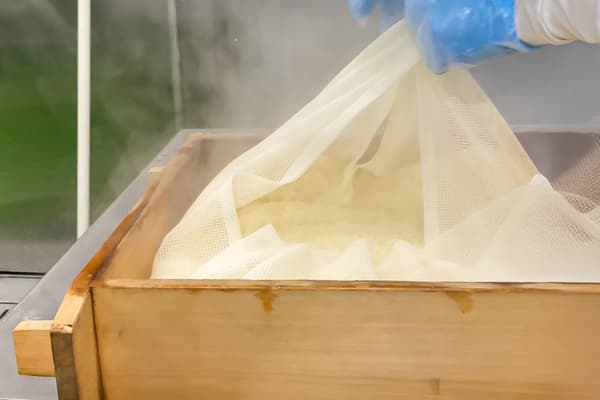
Skilled wagashi artisans experienced in handling rice steam it carefully in a traditional bamboo steamer (seiro), adjusting for the day's temperature, humidity, and the rice's condition.
Here is the Mangetsumochi and Koshihikari after steaming.
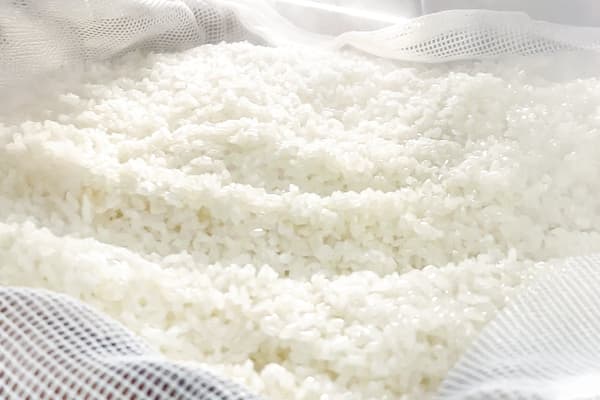
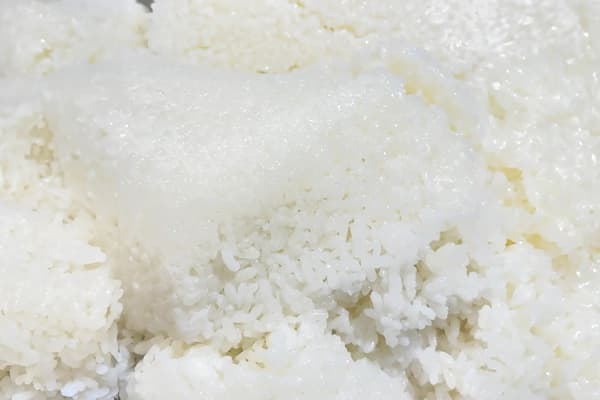
This beauty comes precisely from being steamed slowly in a traditional bamboo steamer.
A rice cooker could never achieve this: the rice's natural umami and aroma are drawn out, each grain standing distinct and glistening with a glossy sheen.
Step 3: Pounding
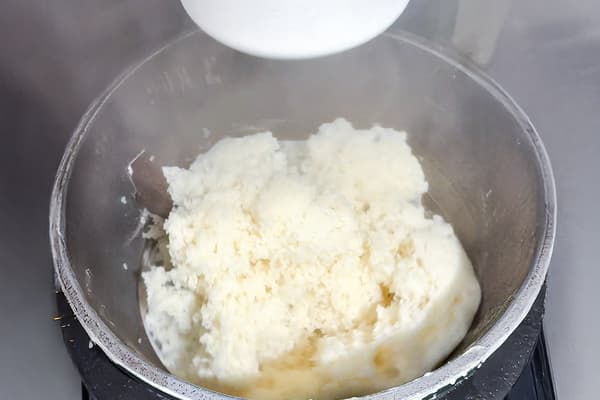
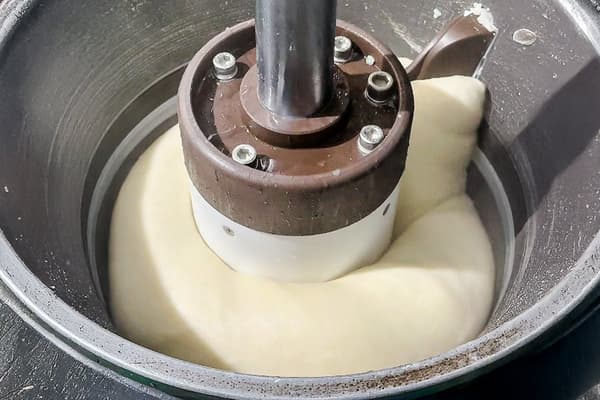
The rice, steamed hot and fluffy, goes straight from the steamer into the traditional mortar and pestle while still piping hot.
Artisans judge the rice's condition as they pound it carefully and powerfully, until every individual grain has disappeared.
Rice pounded diligently with a mortar and pestle becomes fine-grained, drawing out the rice's full, rich flavor. The result is a texture as smooth as silk, with a supple chew and elasticity for an exceptional mouthfeel.
The result: bright white, beautiful, and remarkably delicious — tsukitate mochi and omukae dango, fitting offerings made with a heartfelt welcome.
Care in the Anko, Too, for Welcoming Ancestors
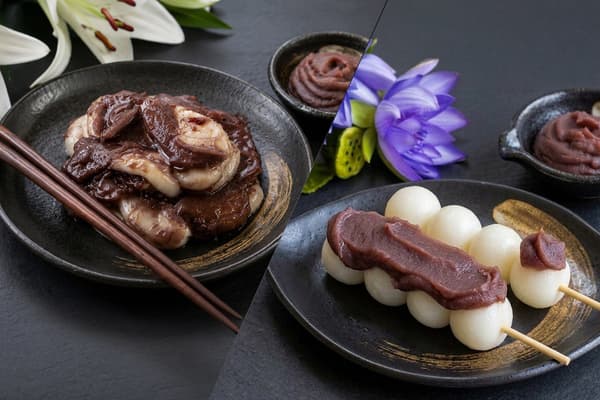
In Japan, the red color of azuki beans has long been believed to ward off evil and misfortune. Red rice is cooked on celebratory occasions, and azuki beans are eaten at seasonal milestones. Behind this tradition of pairing azuki beans with important days lies an old prayer for family happiness and good health.
Obon, too, is a special milestone for welcoming cherished ancestors home.
The anko offered here isn't just meant to sweeten the mochi and dango — it also carries the culture of azuki beans, connected to honoring ancestors and wishing good health for the whole family.
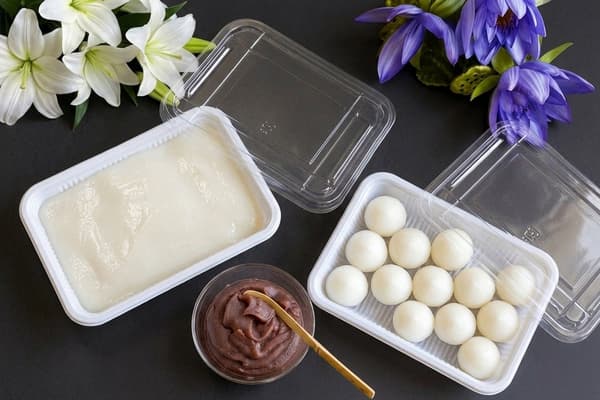
Okashi no Taiyo's original koshian (smooth strained red bean paste) is offered as an accompaniment to the tsukitate mochi and omukae dango.
Its sweetness is intentionally kept mild, finished with a refreshing taste that doesn't feel heavy even in summer. Try topping the tsukitate mochi or omukae dango generously with anko.
The combined flavors of rice and azuki beans are, as always, something special.
But Try the First Bite Plain
Of course, topping the mochi and dango generously with the separately sold anko is highly recommended.
But for just the first bite, try them plain.
The tsukitate mochi, made with Chiba-grown Mangetsumochi, reveals a clean, off-note-free sweetness and umami from the rice itself the more you chew. The omukae dango, made with Chiba-grown Koshihikari, offers the rice's own rich sweetness and a wonderfully chewy texture.
Because the ingredients and method are so carefully chosen, they're genuinely delicious even without anything added.
So start with a plain bite first.
Then enjoy plenty of anko afterward.
Enjoy the old-fashioned flavor that unfolds from a single piece of mochi or dango, together with your whole family.
Tsukitate Mochi
| Item | Details |
|---|---|
| Sale Date | August 13 (Thu) |
| Sales Locations | All Okashi no Taiyo store locations (not available through the online shop) |
| Product Name | Tsukitate Mochi |
| Price | Large pack (800g): 1,000 yen; Small pack (400g): 600 yen |
| Best-by Date | Same day |
Omukae Dango
| Item | Details |
|---|---|
| Sale Date | August 13 (Thu) |
| Sales Locations | All Okashi no Taiyo store locations (not available through the online shop) |
| Product Name | Omukae Dango |
| Price | 1 pack, 13 pieces: 800 yen |
| Best-by Date | Same day |
Koshian
| Item | Details |
|---|---|
| Sale Date | August 13 (Thu) |
| Sales Locations | All Okashi no Taiyo store locations (not available through the online shop) |
| Product Name | Koshian |
| Price | 1 pack, 160g: 280 yen |
| Best-by Date | Same day |