Shiba Park Hotel in Tokyo's Minato ward presents the 17th edition of its Tale of Artisans Exhibition, running from December 1, 2025 through March 8, 2026. This seasonal showcase introduces Japanese culture through traditional craftsmanship, with this edition themed "Yorokobi" (Rejoicing), celebrating the start of a new year.
Two Traditional Crafts Take Center Stage
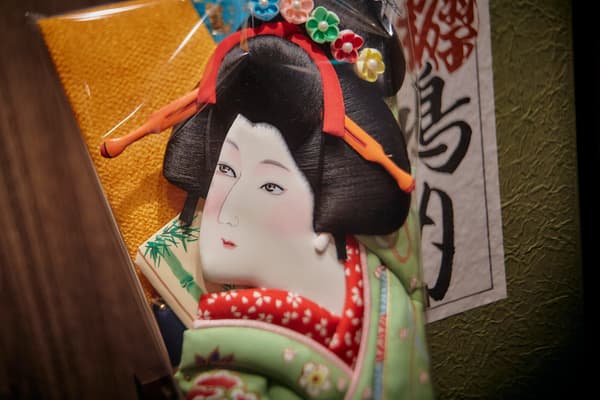
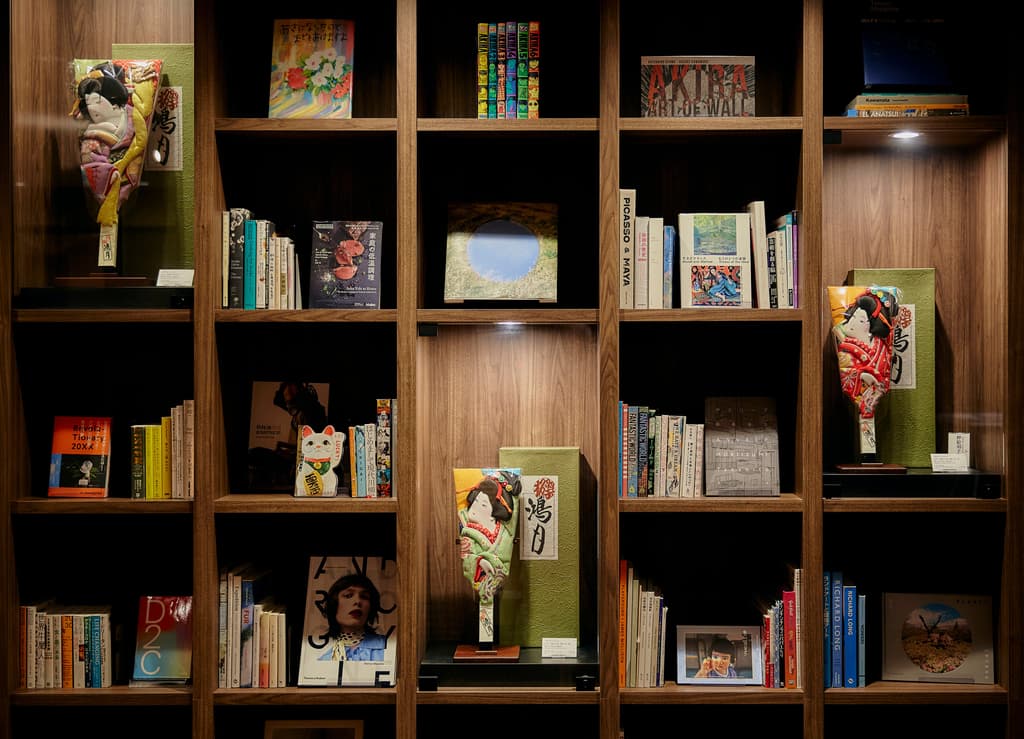
The exhibition features two distinct Japanese crafts: oshie hagoita (decorative battledore paddles) familiar from traditional year-end hagoita fairs, and karakami (decorative paper) with its resplendent designs suited to celebratory occasions.
Oshie Hagoita: A Fusion of Protection and Art
Hagoita paddles have long served as New Year's gifts believed to ward off misfortune and as tokens to celebrate the birth of a girl. Oshie is a decorative technique where cotton wrapped in fabric creates raised, relief-like motifs. These two elements combined during the Bunka-Bunsei era (1804 to 1830) of the Edo period to create oshie hagoita.
Among them, yakusha hagoita—auspicious paddles adorned with oshie portraits of kabuki actors—became extraordinarily popular with Edo townspeople and sold in great numbers.
Karakami: Decorative Paper from the Tang Dynasty
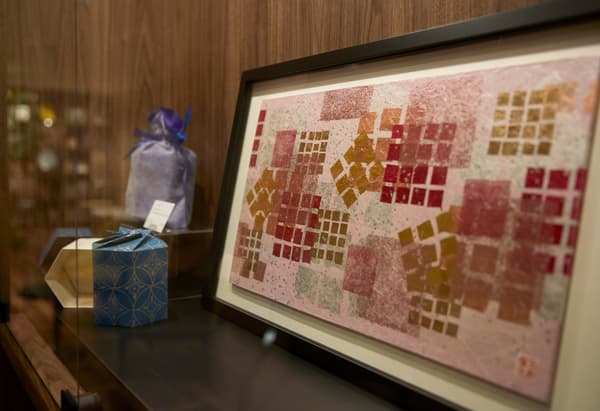
Karakami is decorative paper introduced from Tang-dynasty China. Hand-printed from woodblocks and often sprinkled with gold and silver sunago (metallic powders), karakami has adorned spaces since the medieval era, applied to fusuma (sliding doors) and folding screens.
Originating in Kyoto, the craft took root in Edo and evolved into a distinctly Edo aesthetic. The craft employs three main techniques: karakami-shi (woodblock printing), sarasa-shi (using Ise-katagami stencils), and sunago-shi (applying gold and silver leaf or powders).
Exhibition Details
The exhibition offers visitors an up-close view of works by contemporary artisans who carry these traditional skills forward, with select pieces available for purchase.
Dates: December 1, 2025 (Mon.) to March 8, 2026 (Sun.)
Hours: 11:00 AM to 8:00 PM (final day until 4:00 PM)
Location: Shiba Park Hotel, 1F Library Lounge; 2F Foyer
Admission: Free
Featured Artisans
Kougetsu Nishiyama (Hagoita Artist)
Born in 1962 as the eldest son of first-generation hagoita artist Kougetsu Nishiyama. After graduating from high school, he trained under oshie artist Shuzan Sakurai before apprenticing under his father. In November 2014, he succeeded to the name "Kougetsu" as the second-generation artisan.
Website: https://kougetsu.exblog.jp/
Yukio Koizumi (Karakami-shi/Karagen, Third Generation)
The third generation of Karagen, founded during the Edo and Kaei years. He represents the fifth generation since first-generation Shichigoro Koizumi, praised as a master craftsman during the Edo period. He has been studying under his father since age 20 and is engaged in the family business. His two sons, Masayuki and Akio, are following in his footsteps.
Website: http://karakaminokaragen.com
RISE Co., Ltd.
The company plans, produces, and sells art panels, art objects, lighting fixtures, and other products that utilize traditional craft techniques.
Website: https://k-mizukami.com/
Kikuchi Fusuma Manufacturing
A fusuma paper manufacturing factory founded in 1924. The company has preserved the traditional technique of sunago (metallic powder decoration) within karakami production. In 2015, the Traditional Crafts Office was established as a specialized team to continue traditional Japanese decorative techniques. The company also undertakes custom fusuma painting and restoration of traditional paper decorations for shrines, temples, and historic residences.
Website: https://fusuma.co.jp/ippinshu/index.html
About Shiba Park Hotel
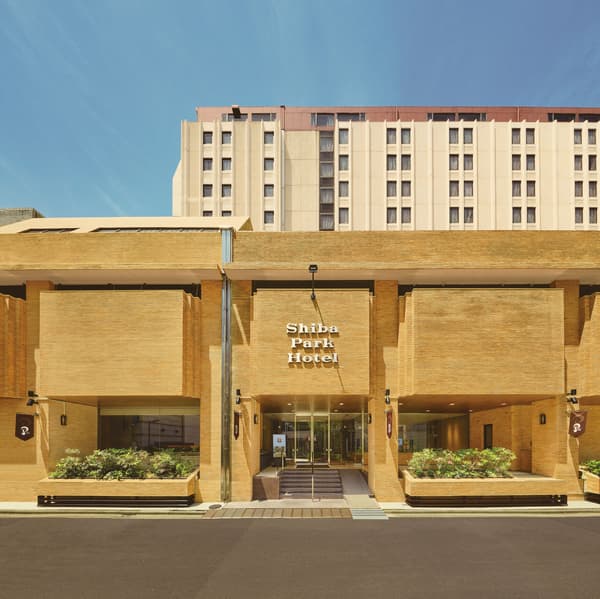
Founded in 1948, Shiba Park Hotel began as accommodation for foreign trade missions. The hotel features 198 guest rooms and approximately 1,500 books selected by Ginza Tsutaya Bookstore throughout the building. The property includes three restaurants serving Chinese, Western, and Japanese cuisine on the first floor, with four banquet rooms on the second floor. Between 2020 and 2023, the hotel renovated its guest rooms and public spaces. Cultural experience events such as tea ceremonies and kintsugi workshops are also offered.
The Tale of Artisans Exhibition takes place seasonally, with themes that align with the traditional culture of the Shiba area. The series showcases artisan craftsmanship through exhibitions that combine relevant books from the hotel's collection with seasonal themes of Japanese culture.
Curation: Nippon no Waza Dot Com (https://nipponnowaza.com/)
Website: https://www.shibaparkhotel.com/