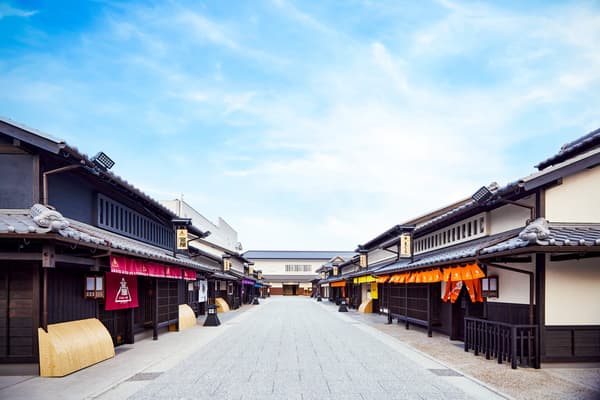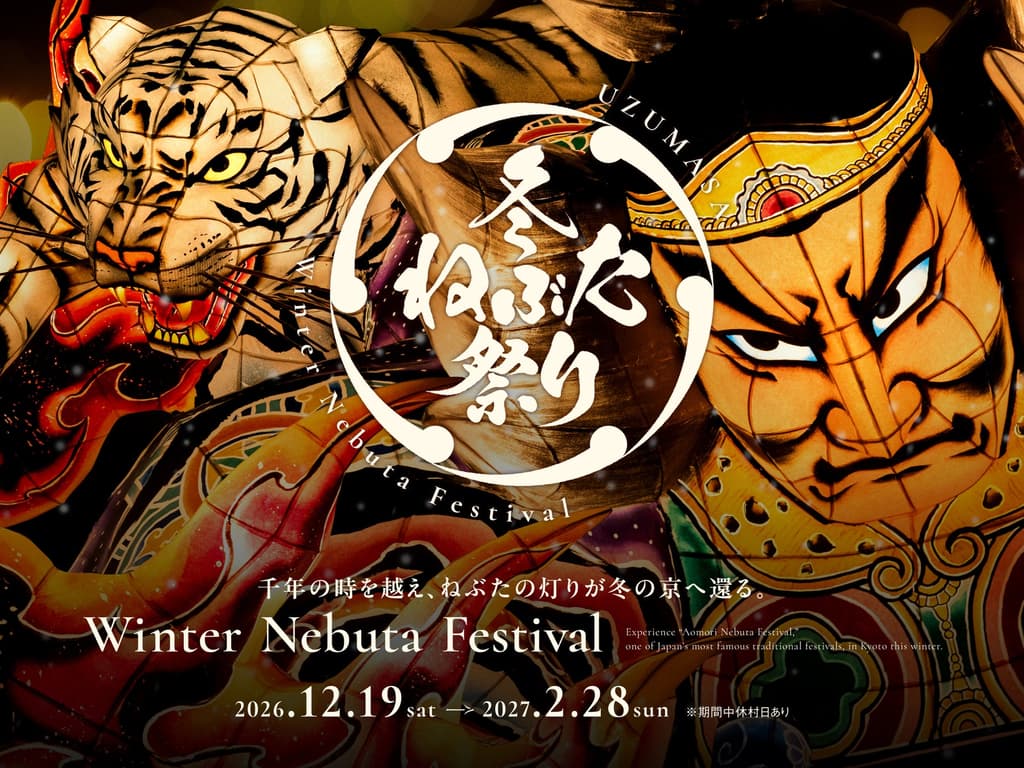
Uzumasa Eigamura (太秦映画村) in Ukyo-ku, Kyoto, will hold the winter event "Winter Nebuta Festival" (冬ねぶた祭り) from Saturday, December 19, 2026. The event combines the traditional skills passed down through Aomori's Nebuta Festival with the entertainment expertise Toei has built up, creating a new winter festival for Kyoto set in an Edo-period townscape.
The main attraction is the parade "Great Festival of NEBUTA: Nebuta Procession, Prayers of a Thousand Years." Colorful nebuta float through the Edo townscape, accompanied by a show featuring powerful sword fights by jidaigeki (period drama) actors and a grand group dance by dancers. The event also offers an experience program on Aomori culture and an art exhibition that lets visitors see nebuta craftsmanship and sculptural beauty up close, so there are several ways to enjoy nebuta.
A Thousand Years On, Nebuta Lights Return to Kyoto
There is a theory that the origin of nebuta lies in "大橙呂," which was held in Heian-kyō. The "light" born in Kyoto a thousand years ago crossed to Aomori over the centuries and has been handed down there as a tradition. The event tells the story of that light returning, after a long time, to Uzumasa in Kyoto.
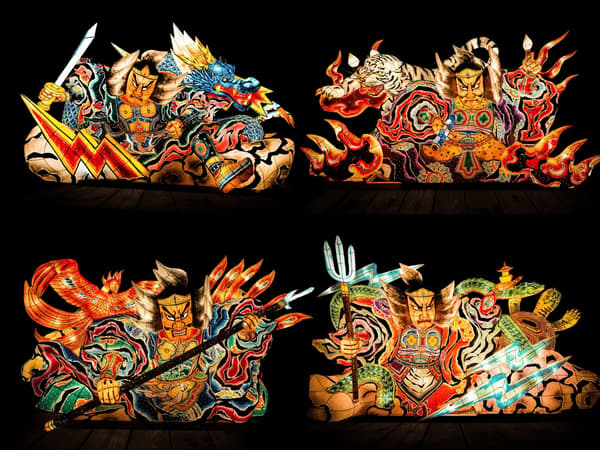
Nebuta of the Four Heavenly Kings and Four Divine Beasts by Asako Kitamura
Nebuta artist Asako Kitamura (北村麻子) has created a new nebuta, "The Four Heavenly Kings and the Four Divine Beasts" (四天王と四神), for Uzumasa Eigamura. Its subjects are the Four Divine Beasts that guard the four directions and the Four Heavenly Kings that protect the Buddhist law. Visitors can see its sculptural presence up close, shaped by Kitamura's skill and expressive power.
Event Highlights
Great Festival of NEBUTA: Nebuta Procession, Prayers of a Thousand Years
The procession features the Four Heavenly Kings and Four Divine Beasts nebuta created by Asako Kitamura, a nebuta artist who has won the Nebuta Grand Prize (ねぶた大賞). It is accompanied by the powerful festival music of taiko drums, flutes and hand-held gongs, with hanetō (跳人, the festival dancers) dancing energetically.
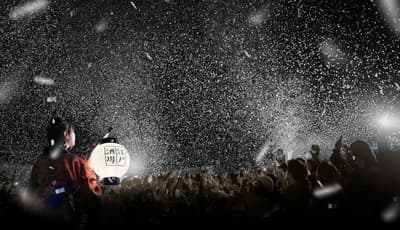
On the stage, a show of sword fights, dancers, light and music unfolds, opening a nebuta story of winter that depicts prayers for peace and the joy of living. At the climax, five nebuta stand around the stage and liven up the festival with the shout of "Rassera!"
The festival is described as a night that goes beyond watching and makes the heart "jawameku."
※ "Jawameku" is a dialect word from Aomori Prefecture meaning "the heart is stirred" or "excited."
Nebuta Art Exhibitions
Two exhibitions let visitors appreciate the beauty and strength of nebuta and the skill of its artisans.
- Photo art exhibition: Photographs show the beauty of nebuta's glowing lights, its powerful forms, and the passion of the people who support the Aomori Nebuta Festival.
- Nebuta creation exhibit: The exhibit shows the production process in which a single nebuta takes shape, from its frame to the pasting of paper and the painting. The works on display are by Takashi Kitamura (北村隆), the sixth-generation Nebuta Meijin (nebuta master), and look closely at the skill artisans put into each bone of the frame and each sheet of paper.
Aomori Nebuta Culture Experience: Goldfish Nebuta Painting
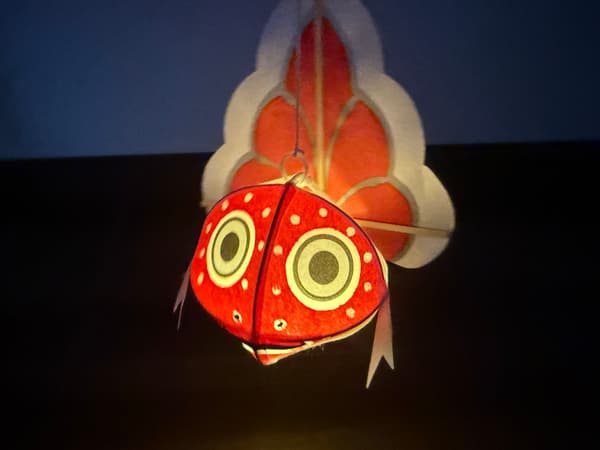
Visitors can color a goldfish nebuta (金魚ねぶた), a traditional Aomori folk craft, by hand. The goldfish nebuta used are an original Uzumasa Eigamura design made by a nebuta artist from Aomori Prefecture, so each visitor can make an original goldfish nebuta that is one of a kind.
Pageant of Light and Sound
Nebuta lights gently illuminate the surroundings, while smoke spreading at ground level and music combine to create a dreamlike space. Visitors can look at the nebuta lights, take photos as keepsakes, and enjoy the fantastic world of light drawn by Japanese-style lighting.
Thousand Lights Nebuta Lantern Corridor: Colors of the North Lighting Up Kyoto (千灯ねぶた灯り回廊)
Colorful lanterns that carry on Aomori's traditional culture decorate Uzumasa Eigamura in winter. The lights include a medium-sized "Hirosaki Neputa" (弘前ねぷた), haneto nebuta (跳人ねぶた), cute goldfish nebuta, apple blossoms, kokeshi dolls and unusual seafood motifs, reflecting Tsugaru's nature and daily life. They gather in the Edo-period Kyoto townscape, forming a warm corridor of lantern light.
※ "千灯" (literally "a thousand lights") is a name expressing the dreamlike scene of many different lights lined up in a row.
Exhibition cooperation: Aomoriya by Hoshino Resorts (青森屋 by 星野リゾート)
Lighting Ceremony
A lighting ceremony will be held on opening day, marking the moment the nebuta are lit. Details of the ceremony, including who will appear on stage, will be announced at a later date.
- Date and time: Saturday, December 19, 2026, 5:00 PM to 5:20 PM (planned)
Creators
Nebuta Artist Asako Kitamura (北村麻子)
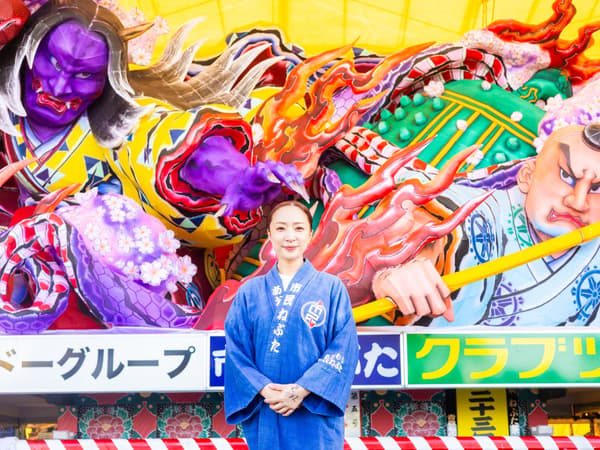
Born in October 1982, Asako Kitamura is the first woman in the history of nebuta artists. She studied under her father, Takashi Kitamura, the sixth-generation Nebuta Meijin and a leading figure among nebuta artists with many achievements. In 2007, she was inspired by the large nebuta "聖人聖徳太子" (a Nebuta Grand Prize winner) that her father had made, and decided to become a nebuta artist.
In 2012, she made her debut at the request of the Aomori Citizens' Nebuta Executive Committee (青森市民ねぶた実行委員会), becoming the first woman to be a nebuta artist. Her debut work, "琢鹿(たくろく)の戦い" (The Battle of Takuroku), drew attention by winning the Outstanding Creator Award (優秀制作者賞). So far, she has won the Best Creator Award (最優秀制作者賞), given to the best nebuta creator of the year, three times and the Outstanding Creator Award five times, and has also received the Mutsu Culture Award (陸奥文化選奨) and Nikkei Woman of the Year 2014, among others.
Her comment: "The 'Four Heavenly Kings' and 'Four Divine Beasts,' which have long been enshrined in the capital of Kyoto and guarded the east, west, south and north, are coming to Uzumasa Eigamura as nebuta from Aomori, far away in the north. A special festival where the two cultures of Kyoto and Aomori meet will make winter in Kyoto hot! I would like visitors to experience the heat and power of Aomori's nebuta with their eyes, ears and tongues."
Photographer Kyohei Narita (成田恭平)
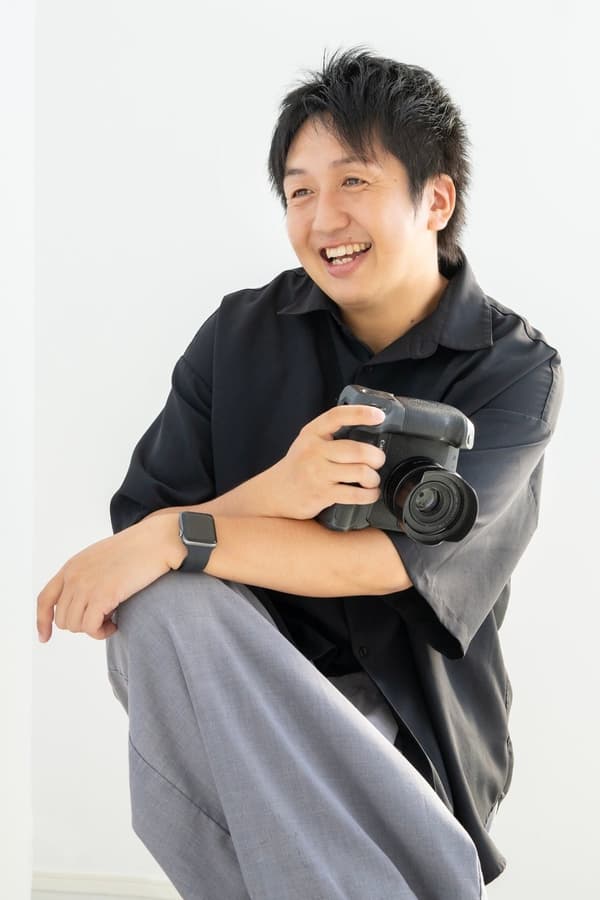
Born in Aomori City, Aomori Prefecture. After winning the Gold Award at the "Wedding Photo Award 2018," Narita went independent in 2019 and founded studio728 (スタジオナナニッパ).
Awards:
- Wedding Photo Award 2018, Gold Award
- Wedding Photo Award 2019, Gold Award
Award-winning work: "じいちゃん、私、お嫁に行くんだよ" (Grandpa, I'm Getting Married)
Narita's comment: "I am Kyohei Narita, the exclusive photographer for nebuta artist Asako Kitamura. Congratulations on the opening of the 'Uzumasa Eigamura Winter Nebuta Festival'! The fire of Aomori's nebuta will light up Kyoto in winter, and I feel honored to be involved in such a wonderful opportunity. I would be happy if the photo exhibition lets visitors feel the passion and thoughts that nebuta artists put into their nebuta. I would like many people to see the tradition carried on by the Aomori Nebuta Festival and the nebuta created by Asako Kitamura. The festival music and the hanetō will also stir the blood and blow away the winter. We look forward to seeing you at Uzumasa Eigamura this winter!"
Choreographer TERUPOP
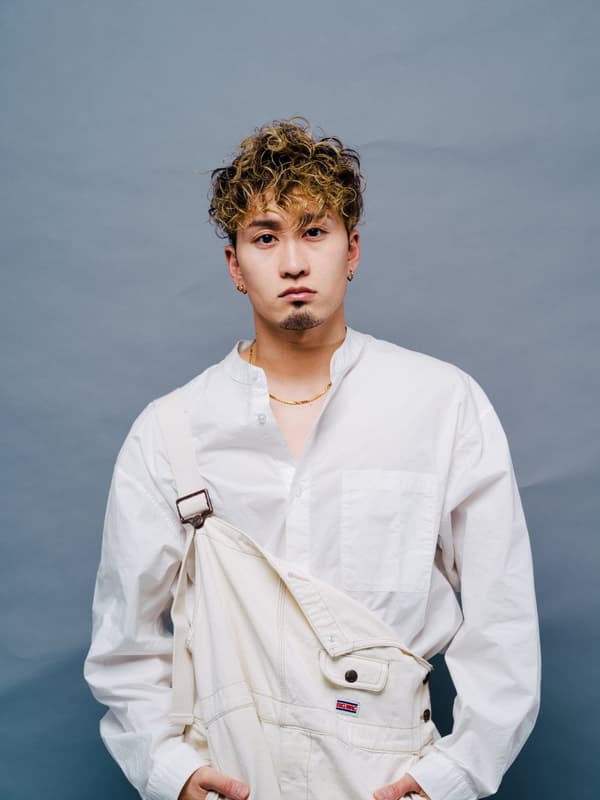
A choreographer, staging director and dancer who handles choreography and direction across a wide range of genres, including artist concerts, music videos, commercials, theme park shows, stage productions and musicals. In addition to working on many entertainment productions, including those for YOASOBI, EBiDAN artists such as M!LK, and the AKB48 Group, TERUPOP also teaches people from children to professional artists.
TERUPOP's comment: "I am in charge of the choreography so that the overwhelming power and heat of Aomori's nebuta can be delivered in an even more three-dimensional way through dance. I will treasure the moment when the nebuta, yokai, dancers and all of our visitors come together as one, and create a scene of a special festival that can only be born at a film village. Please join us and enjoy it with your whole body!"
Choreographer Yoko Nakamura (中村陽子)
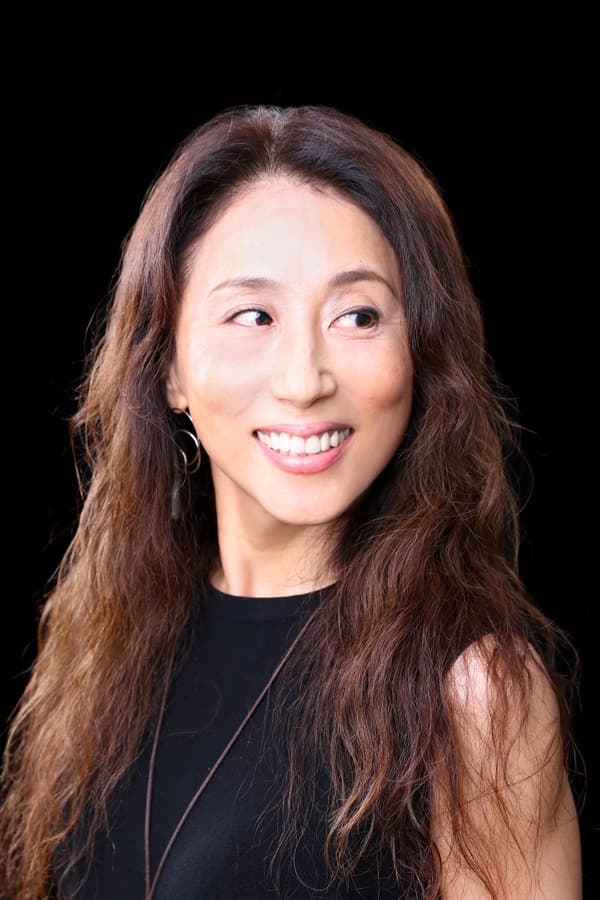
Based on work choreographing shows at a major theme park, Nakamura is active in a wide range of fields, including musicals, TV, media and events. After teaching at a developmental support center and appearing in the Tokyo 2020 Paralympics, Nakamura has expanded the field of activity under the concept of "entertainment that moves people's hearts."
Costume Production: Hiroyasu Yamamoto (山元宏泰)
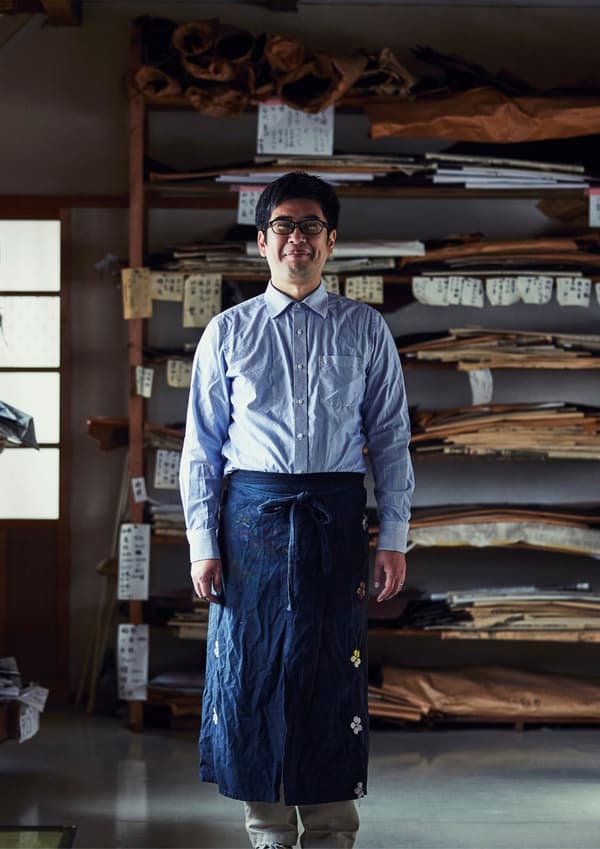
The fourth-generation head of "株式会社山元染工場," a dyeing workshop in Mibu, Kyoto, founded in 1930 and specializing in costumes for films and stage productions. Since its founding, the workshop has been involved in dyeing costumes for films and stage productions, and has inherited the kata-yuzen (型友禅) technique and long-accumulated resources, including about 100,000 stencil patterns. It supports costume making that conveys the characters and the world of a work by reading the historical background, roles and production intent of each work, selecting patterns left from the past, and recombining colors, compositions and materials to suit the work.
Art Production: Takuya Nakatsuka (中塚拓也)
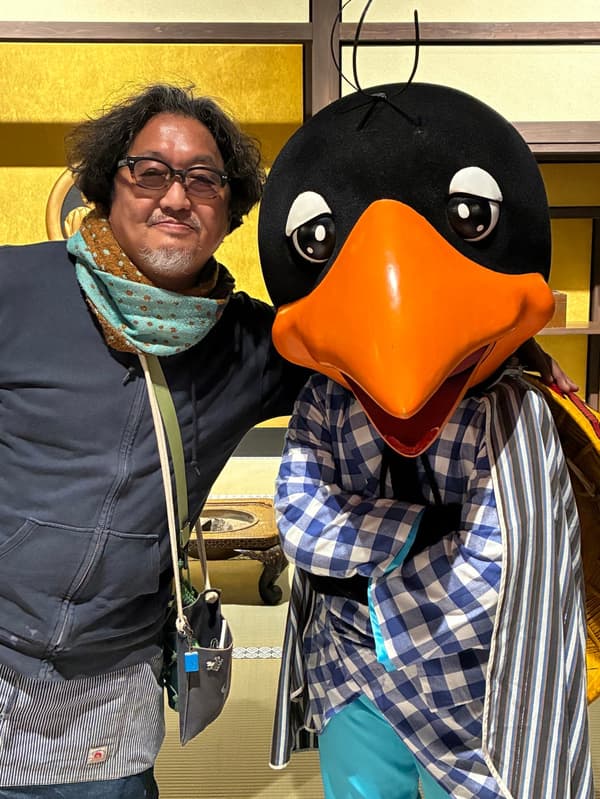
- Born in Hokkaido in 1970
- 1995: Joined Toei Kyoto Bijutsu (東映京都美術)
- 2015: Became unit leader of the art unit at Toei Kyoto Studio (東映京都撮影所)
- Selected works:
- 2025: 国宝 (directed by Lee Sang-il; art management)
- 2026: 木挽き町のあだ討ち (directed by 源孝志; art management)
Sword Fight Choreographer 清家一斗
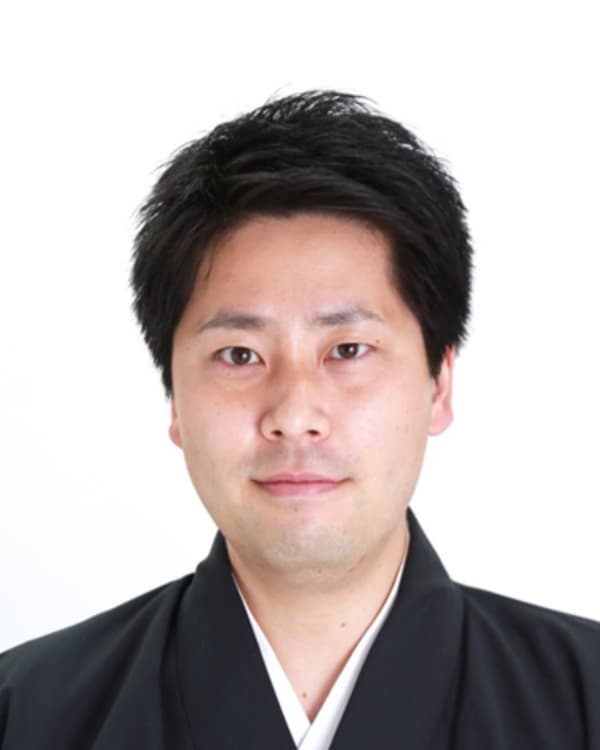
A member of Toei Kyoto Studio's Toei Tsurugi-kai (東映剣会), and a recipient of the Encouragement Award at the 44th Kyoto Prefecture Culture Awards. Seike is widely involved as a sword fight choreographer in everything from period dramas to contemporary dramas, not only in Toei productions such as the 「水戸黄門」 and 「科捜研の女」 series and the 「遺留捜査」 series, but also for the Takarazuka Revue (宝塚歌劇団).
Event Details
| Item | Details |
|---|---|
| Event name | Winter Nebuta Festival (冬ねぶた祭り) |
| Venue | Uzumasa Eigamura (太秦映画村) |
| Dates | December 19, 2026 to February 28, 2027 (regular closing days and closure days apply during the period) |
| Event website | https://eigamura.com/feature/nebuta2026/ |
Ticket Information
- "Winter Nebuta Festival" full-period pass: A pass that allows repeated entry to the film village throughout the event period. Adults (junior high school and above) ¥5,500 / Children (age 3 to elementary school) ¥3,100
- Uzumasa Eigamura admission ticket: See the admission fees below.
Things we would like to value together with visitors: https://www.moral.kyokanko.or.jp/for-tourist
Venue Information
| Item | Details |
|---|---|
| Name | Uzumasa Eigamura (太秦映画村) |
| Address | 10 Uzumasa Higashihachiokacho, Ukyo-ku, Kyoto |
| Hours | 10:00 AM to 9:00 PM (some areas until 6:00 PM) |
| Closed | Tuesdays (open on Tuesdays that fall on public holidays) / January 18 to 26 |
| Access | 5 min. walk from Randen "Uzumasa Koryuji" Station / 13 min. walk from JR "Hanazono" Station / 14 min. walk from Subway "Uzumasa Tenjingawa" Station |
| 1-Day Admission (10:00 AM to 9:00 PM) | Adults (junior high school and above) ¥2,800 / Children (age 3 to elementary school) ¥1,600 |
| Night Admission (5:00 PM to 9:00 PM) | Adults (junior high school and above) ¥2,000 / Children (age 3 to elementary school) ¥1,300 |
| Official Website | https://eigamura.com/ |
Uzumasa Eigamura Full Renewal Schedule
- Saturday, March 28, 2026: Phase 1 opening
- Spring 2027 (planned): Phase 2 opening. Six new restaurants will open, and the Hanamachi (花街, geisha district) zone will open.
- Spring 2028 (planned): Phase 3 opening. The theater Nakamura-za (芝居小屋・中村座, tentative name) will open.