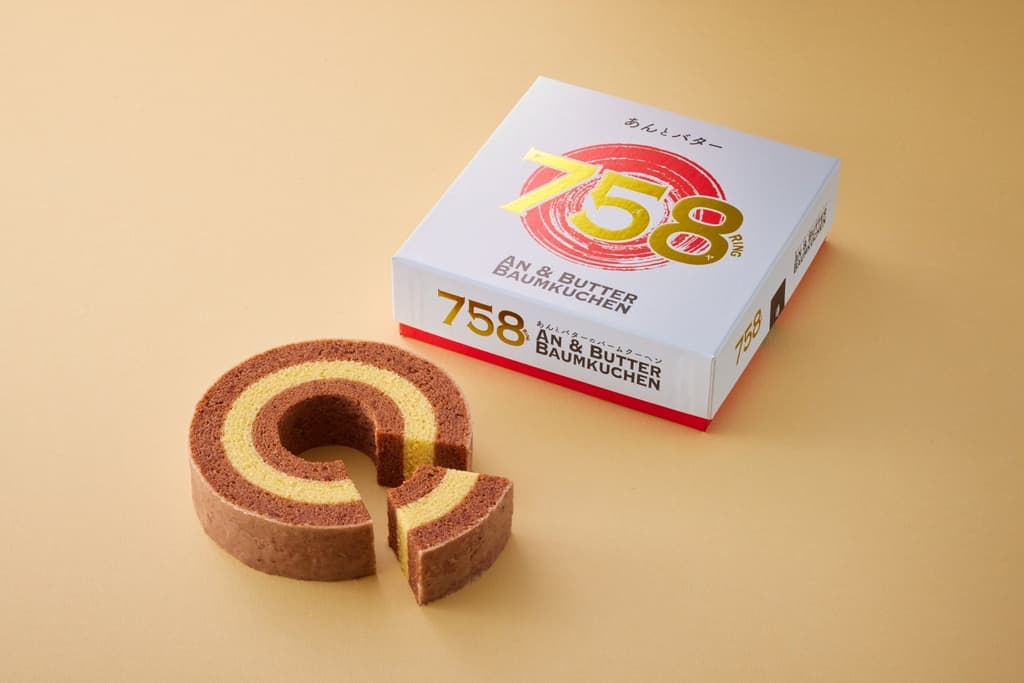
A new Nagoya sweets brand, "758RING" (pronounced "Nagoya Ring"), is launching with its first product, "An & Butter Baumkuchen" (バームクーヘン あんとバター). The baumkuchen goes on sale first (advance sale) at "PLUSTA 名古屋中央" inside JR Nagoya Station from Wednesday, November 18, 2026.
The brand was launched by Bijuu (美十), a Kyoto-based confectionery maker known for Kyobaum (京ばあむ) baumkuchen. The product is supervised by Patisserie Quartier Latin (パティスリー カルチェ・ラタン), a Nagoya patisserie founded in 1976, and takes its inspiration from "anbata toast" (あんバタートースト), a symbol of the coffeehouse culture deeply rooted in Nagoya. It aims to become a Nagoya specialty sweet for the future, one that locals are fond of and can confidently choose as a gift for someone special.
Background: Nagoya Coffeehouse Culture Meets Kyoto Baumkuchen Craftsmanship
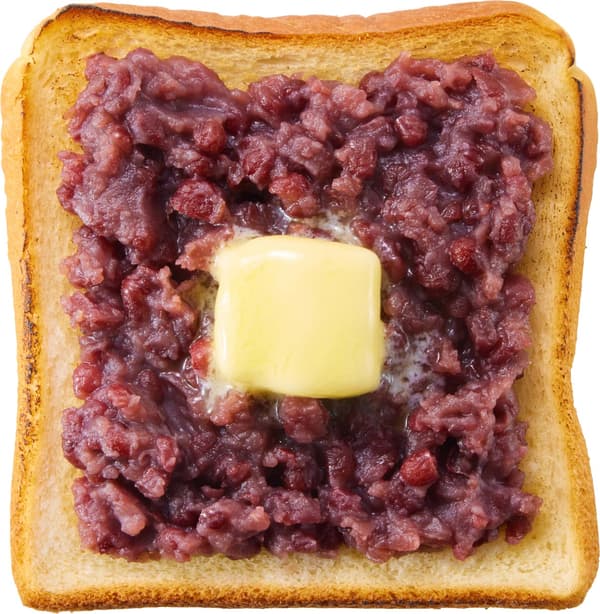
Anbata toast, a favorite at morning coffeehouses, is a food culture that is part of everyday life in Nagoya.
To turn this coffeehouse culture into a Western-style confection, Bijuu asked Quartier Latin, a patisserie that has worked with ingredients in Nagoya for many years and knows local tastes and food culture well, to supervise the product. Quartier Latin's knowledge of combining ingredients was merged with the baumkuchen baking technique Bijuu has refined through products such as Kyobaum, resulting in a new kind of baumkuchen. This is the first time Bijuu has teamed up with a Nagoya patisserie to develop a product.
About Supervisor Patisserie Quartier Latin
Quartier Latin was founded in 1976 in Nakagawa Ward, Nagoya, Aichi Prefecture. While staying close to the tastes and food culture of local people, the patisserie explores combinations of ingredients based on its solid knowledge of Western confectionery and continues to make Western sweets with care.
About 130 kinds of fresh pastries and baked goods that bring out the natural character of their ingredients are displayed in the shop.
Bijuu's Baumkuchen Making

Bijuu develops and makes baumkuchen, including Kyoto confection Kyobaum, with the aim of creating "the world's most delicious baumkuchen." At atelier Kyobaum (atelier京ばあむ), artisans face the oven while watching the daily changes in the environment and the condition of the batter, and the in-house "Baum Meister system" (ばあむマイスター制度) is used as a standard to maintain the quality.
Product Features
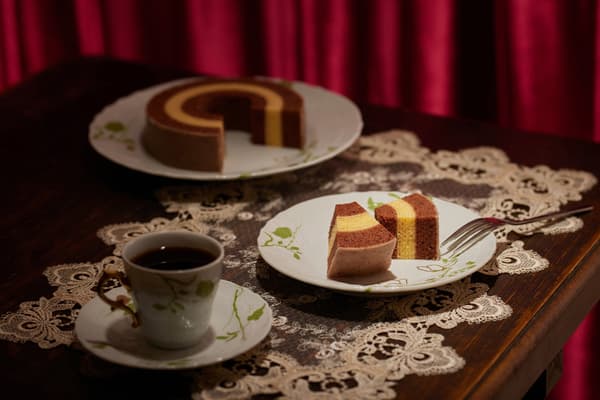
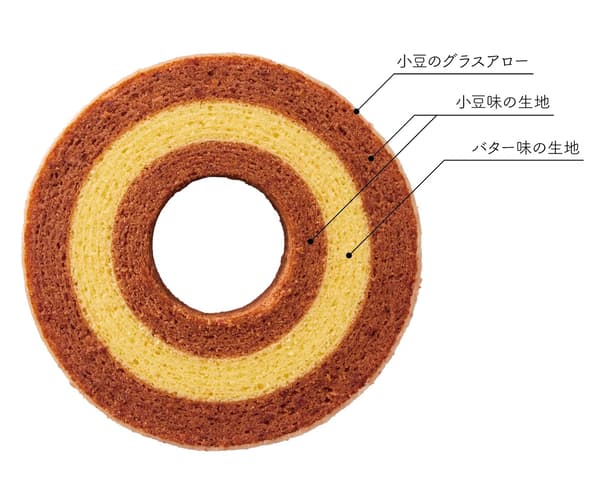
To express the flavor of anbata toast in a baumkuchen, the cake is baked into neat layers of two kinds of batter: a rich azuki red bean batter made with azuki beans simmered in-house, and a plain batter with a light aroma of butter.
It is finished with a coating of azuki glaze (a sugar coating), which adds the rich flavor of azuki.
Homemade Azuki Paste That Keeps the Azuki's Natural Flavor
The flavor of sweet red bean paste tends to get blurred when baked. To make it stand out, the "shibukiri" step (removal of astringency) usually done while simmering is skipped, so that the natural astringency (tannin) of the azuki remains.
The azuki beans are grown in Tokachi, Hokkaido, by producers of the contract farmers' group "Otabe-kai" (おたべ会). The chunky sweet red bean paste (tsubuan) is simmered slowly at Bijuu's Wakasa Factory in Fukui Prefecture, then carried to Kyoto, where it is made into a smooth paste and kneaded into the batter.
Kibi Sugar and Restrained Sweetness
The sweetness is kept low overall so that the gentle flavor of azuki comes through. Kibi sugar (unrefined cane sugar), which pairs well with azuki, is used in the azuki batter to add a mellow, deep richness.
Azuki Glaze for Flavor and Texture
Azuki is also used in the finishing coating (glaze). It adds a pleasantly crisp texture, and the aroma of azuki is noticeable from the moment the cake goes into the mouth.
Package Design
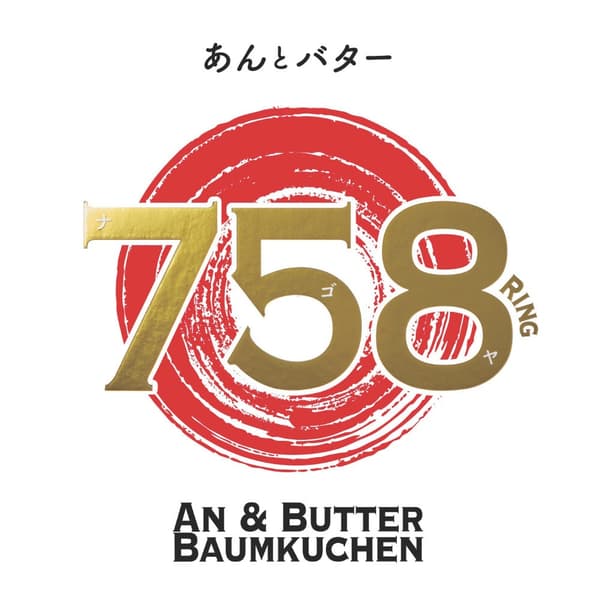
The bold circle drawn with brush strokes dynamically expresses the "tree rings" (overlapping layers and accumulated years) that symbolize baumkuchen. It depicts the accumulated skill of artisans who bake the batter layer by layer, and the way connections between people build up.
The "758" (Nagoya) at the center uses a strong font to express pride in the region and a lively presence. Its bright gold evokes the golden shachi, a symbol of Nagoya.
The vivid crimson circle on the white background, together with the color of azuki, symbolizes a "Japanese-ness" loved across countries and cultures. It reflects the hope that the baumkuchen will be widely enjoyed as a representative Japanese confection.
About the Brand "758RING"
The name "758RING" (Nagoya Ring) carries the meaning of the "ring" (輪) of people gathered around sweets and the "connection" (ご縁) with the land of Nagoya.
By using azuki grown by Tokachi contract farmers "Otabe-kai" as the main ingredient, the brand also expresses the hope of linking the feelings of producers who care about the soil, the artisans who deliver the product, and the people who enjoy it into one "ring."
Where to Buy
An & Butter Baumkuchen (バームクーヘン あんとバター)
- Brand: 758RING
- Release date: November 18 (Wed), 2026
- Price: ¥1,663 (tax included)
- Where to buy: PLUSTA 名古屋中央 (advance sale)
PLUSTA 名古屋中央
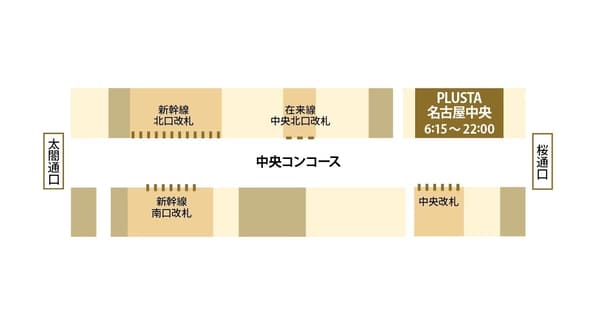
- Address: 1-1-4 Meieki, Nakamura Ward, Nagoya, Aichi Prefecture, inside JR Nagoya Station (in front of the Central Gate for conventional lines)
- Hours: 6:15 AM to 10:00 PM