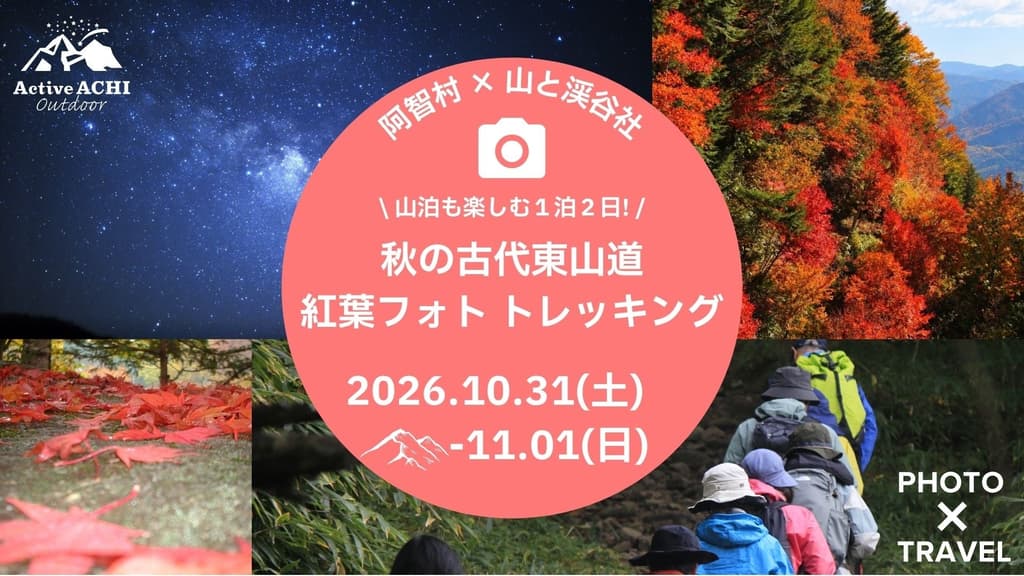
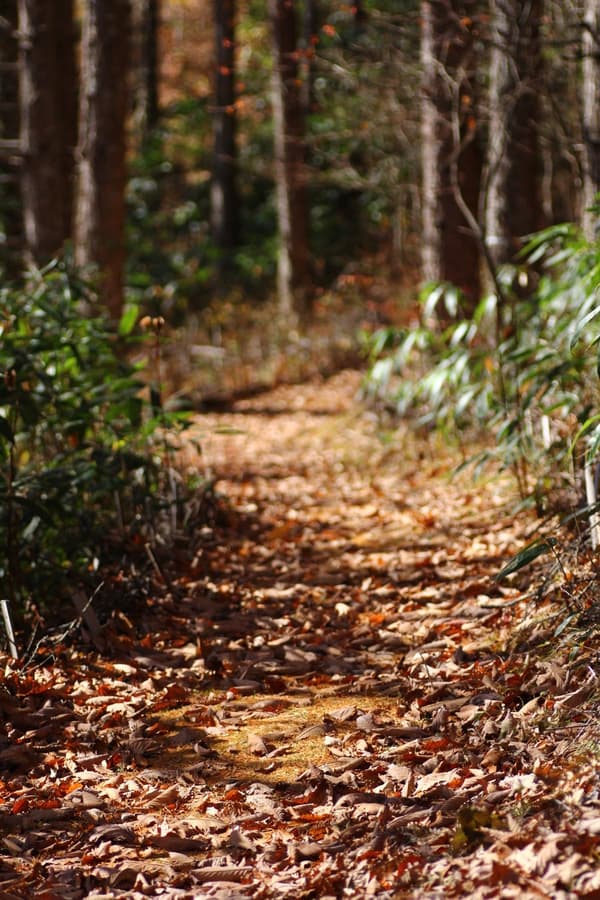
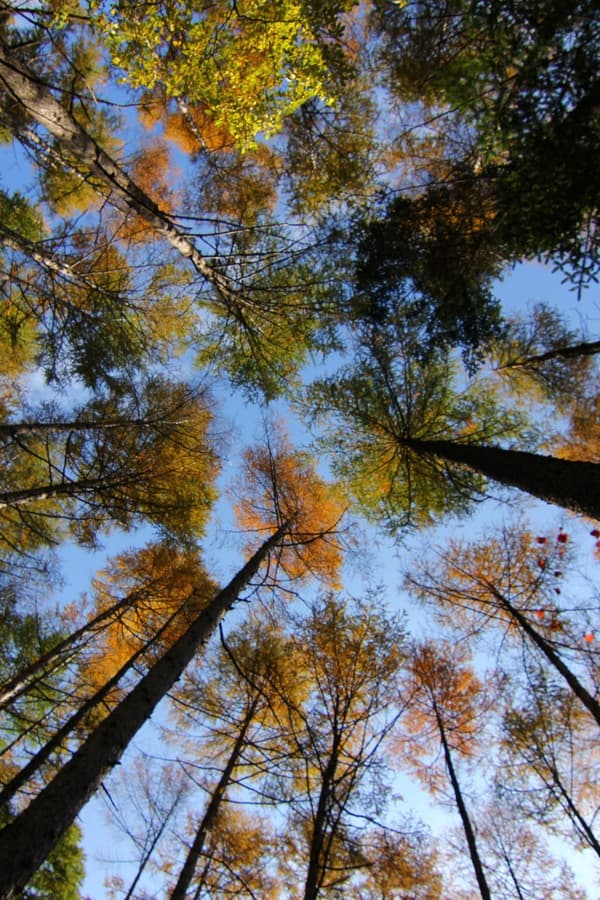
Achi Village in Nagano Prefecture will host "Enjoy a Mountain Hut Stay Too! 2-Day, 1-Night Autumn Ancient Tosando Foliage Photo Trekking" (山泊も楽しむ1泊2日! 秋の古代東山道 紅葉フォトトレッキング) from Saturday, October 31 to Sunday, November 1, 2026. Participants walk the ancient Tosando road while enjoying the autumn foliage and take photos along the way. The event is organized by Achi Hirugami Tourism Bureau (株式会社阿智昼神観光局) with the cooperation of Yama-Kei Publishers (株式会社山と溪谷社).
About Achi Village
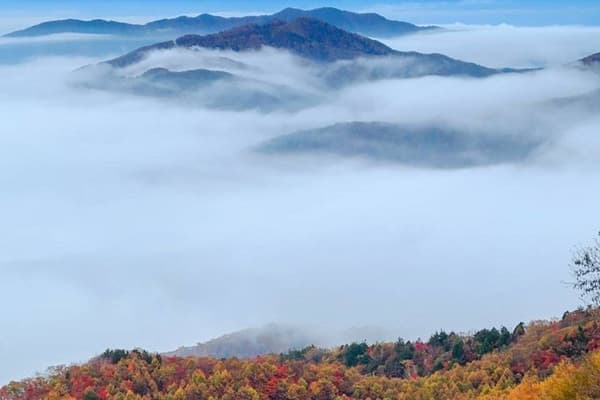
Achi Village is a quiet mountain village at the southern tip of Nagano Prefecture. Hirugami Onsen, which began flowing in 1973 (Showa 48), has smooth, silky "alkaline simple sulfur spring" water with a pH of 9.7. The water leaves the skin feeling slick and smooth, which is why it is also called a "beauty-enhancing hot spring."
The village has also been working on stargazing events and stargazing spots since 2012. Its night sky ranked first as a "place suited to star observation" in the Ministry of the Environment's nationwide continuous star observation survey (2006, Heisei 18).
In recent years, the village has promoted seven representative mountains in Achi as the "Achi Seven Summit" (阿智セブンサミット), ranging from satoyama hikes to climbs of Japan's 100 Famous Mountains. To make the mountains enjoyable even for beginners, it has distributed hiking maps and summit commemorative gifts and worked on improving parking lots and trails.
Two Routes Over Two Days
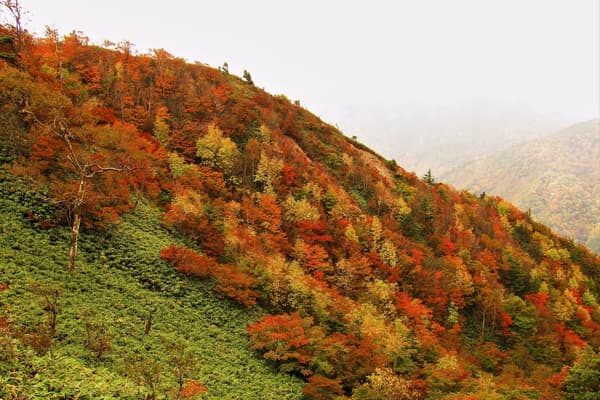
The event is a one-night, two-day trek held in the autumn foliage season. Participants choose one of two routes.
- Magome–Shugenja Route (馬籠・修験者ルート): A route for experienced hikers with strong legs. It starts at Magome-juku (馬籠宿) on the Nakasendo, and passes the fuseya "Kosai-in" (広済院) on the Mino side (Gifu Prefecture side).
- Kowashimizu–Shugenja Route (強清水・修験者ルート): A route for beginner to intermediate hikers, walking from the classic starting point of Kowashimizu (強清水).
The meeting and dispersal point is "Tosando Sonohara Visitor Center Hahakigi-kan" (東山道・園原ビジターセンター はゝき木館). Near it stands the fuseya "Shinano Hiei Kojo-in" (信濃比叡 廣拯院) on the Shinano side (Nagano Prefecture side), a historic place that supported travelers who once walked the Tosando. The trip begins with a look at the history of this road, which dates back to ancient times.
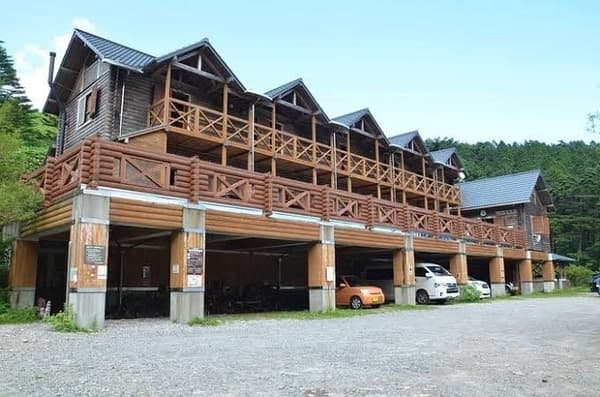
After trekking among the autumn leaves, participants stay overnight at the mountain hut "Bangakuso" (萬岳荘).
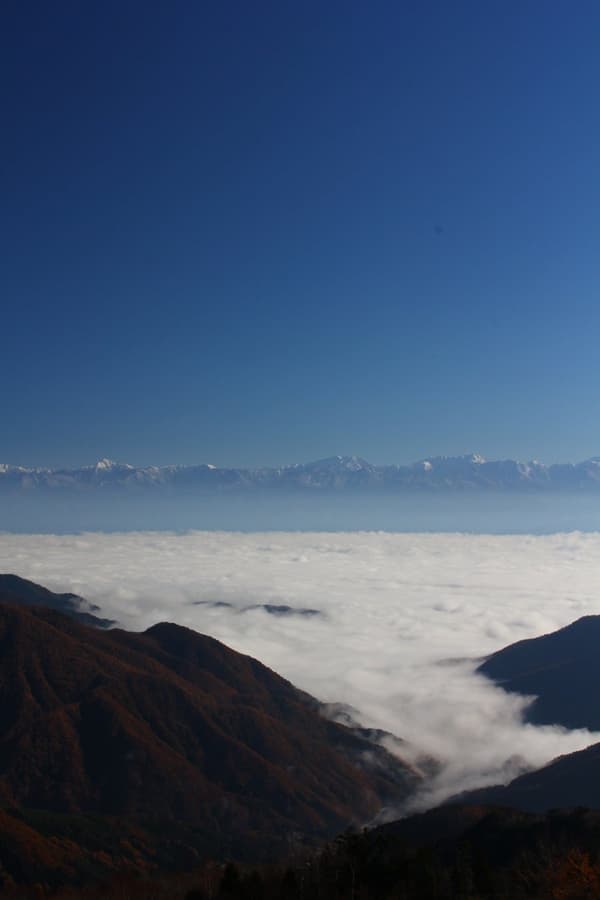
The next morning, an early-morning trek (optional, for those who wish to join) climbs to the summit of Fujimidai Kogen (富士見台高原), at 1,739 m, for a 360-degree panorama and the sunrise over the Southern Alps. After breakfast, participants head down the Tosando toward Misaka Shrine (神坂神社), a path that people have walked since ancient times, and take in the nature and history of the mountains. The event ends at Tosando Sonohara Visitor Center Hahakigi-kan, near Shinano Hiei Kojo-in.
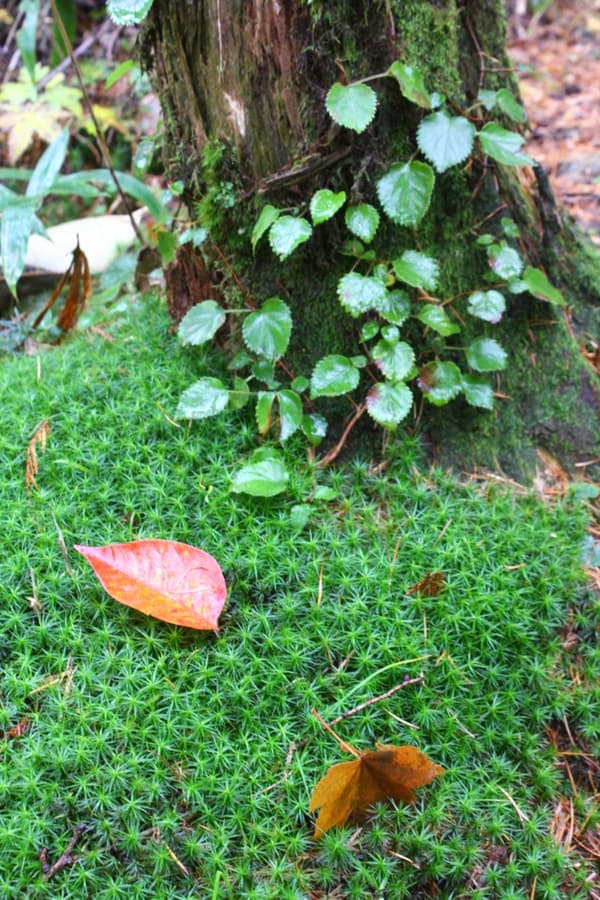
Participants take photos of natural scenery such as autumn leaves and the sunrise, as well as scenes from the event, with a camera or smartphone. After the event, they submit several of the photos they took.
This event uses the FY2026 (Reiwa 8) Nagano Prefecture Regional Genki-Zukuri Support Fund (長野県地域発元気づくり支援金). The ¥14,000 fee (tax included) includes guide fees and bus transportation. Participants may be asked to fill out a questionnaire, and their photos may be published in various media, so please apply with this in mind.
Event Overview
On the day, participants gather at Tosando Sonohara Visitor Center Hahakigi-kan in the Sonohara district of Achi Village and travel by dedicated bus to the starting point of each route. Each route is led by a guide with a mountain guide qualification who belongs to the Alps Nature Club (アルプスネイチャークラブ).
Dates and Times
Saturday, October 31 to Sunday, November 1, 2026
- Magome–Shugenja Route: 7:30 AM on Saturday to 12:00 PM the next day (meeting and registration on Saturday, October 31, from 7:00 AM to 7:30 AM)
- Kowashimizu–Shugenja Route: 11:30 AM on Saturday to 12:00 PM the next day (meeting and registration on Saturday, October 31, from 11:00 AM to 11:30 AM)
Meeting and Dispersal Point
Tosando Sonohara Visitor Center Hahakigi-kan (東山道・園原ビジターセンター はゝき木館, Hahakigi-kan)
- Address: 〒395-0304 長野県下伊那郡阿智村智里3604-1
- Phone: 0265-44-2011
- Official website: https://hahakigi-kan.com/
- Map: https://qr.paps.jp/zmdTl
- Parking is available at the "Sonohara Community Hall" (園原集会所), below Hahakigi-kan.
Accommodation
Fujimidai Kogen Bangakuso (富士見台高原 萬岳荘, Bangakuso)
- Address: 〒395-0304 長野県下伊那郡阿智村智里4257-96
- Email: bangakusou@gmail.com
- Official website: https://bangakusou.wixsite.com/home
- Map: https://qr.paps.jp/yzEkz
Fee (Accommodation Included)
Genki-Zukuri Support Fund project special price: ¥14,000 (tax included). The fee includes the guide, bus, accommodation and insurance.
- Participants under 18 must be accompanied by a guardian. The same fee applies.
- All meals are self-catered. Participants bring their own food and drinking water.
- Payment is in cash at reception on the day.
Optional rental
- Mountain hut sleeping set (full futon set): ¥1,000
- Anyone who wants to rent it should say so when making a reservation.
Capacity
- Capacity: 30 people. Minimum number of participants for the event to go ahead: 15 people.
- Magome–Shugenja Route: capacity 15 people
- Kowashimizu–Shugenja Route: capacity 15 people
- Applications are accepted on a first-come, first-served basis.
Reservations
Reservations are required. Please fill in the necessary details in the form below.
https://forms.gle/xASbZ3s3BzdY1Dkz7
Reservation deadline: Wednesday, October 21, 2026 (first-come, first-served)
Cancellation Fees
- 3 to 2 days before (counted from the day before the event): 30% of the participation fee
- The day before: 40% of the participation fee
- The day of the event: 50% of the participation fee
- No-show without notice: 100% of the participation fee
Anyone canceling should contact the organizer by 12:00 PM on Tuesday, October 27.
Conditions for Holding the Event
The event may be canceled if rain or severe weather makes it difficult to hold. It will be canceled if, after a comprehensive review of the typhoon's path, rainfall, snowfall, expected wind speed, the presence of cumulonimbus clouds, the effects of earthquakes and similar factors, it is judged difficult for participants to enjoy the event safely. In the event of cancellation, a notice will be sent to the email address registered at the time of reservation.
- First decision: 1 week before, at 5:00 PM
- Second decision: 3 days before, at 5:00 PM
- Final decision: the day before, at 5:00 PM
Organizers
- Organizer: Achi Hirugami Tourism Bureau Co., Ltd.
- Cooperation: Yama-Kei Publishers Co., Ltd.
Event Schedule
Day 1: Saturday, October 31
Magome–Shugenja Route (approx. 17 km)
- 7:30 AM: Meeting, registration and payment at Tosando Sonohara Visitor Center Hahakigi-kan
- 7:35 AM: Opening session and equipment check at Hahakigi-kan
- 7:50 AM: Board the bus from Hahakigi-kan to Magome-juku
- 8:30 AM: Arrive at Magome-juku and start trekking from Magome-juku to Kowashimizu (approx. 210 minutes)
Point 0: Kosai-in, linked to Saicho
Kosai-in is said to have been established by Dengyo Daishi Saicho on the Gifu Prefecture side for travelers when he crossed Misaka Pass. Participants visit the Kosai-in ruins (広済院遺跡), where a commemorative monument stands on the former site. They enjoy an autumn mountain walk along the Tosando, a road people have used since ancient times.
Freeze-dried Namiai corn (なみあいとうもろこしフリーズドライ, 50 g) is provided at the rest stop.
- 12:00 PM: Arrive at Kowashimizu for a lunch break and freeze-dried food tasting (60 minutes)
- 1:00 PM: Leave Kowashimizu and trek from Kowashimizu to Bangakuso (150 minutes)
Point 1: Misaka Pass, the greatest obstacle on the Tosando
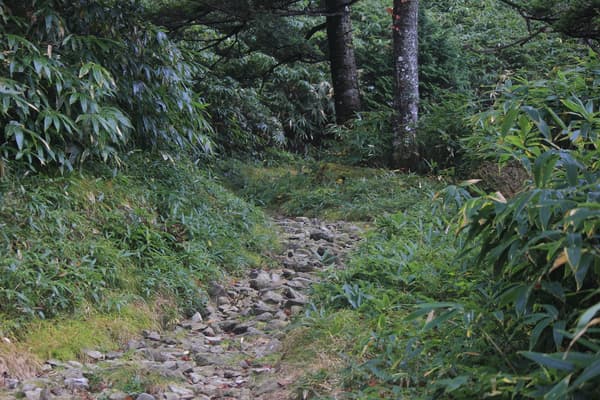
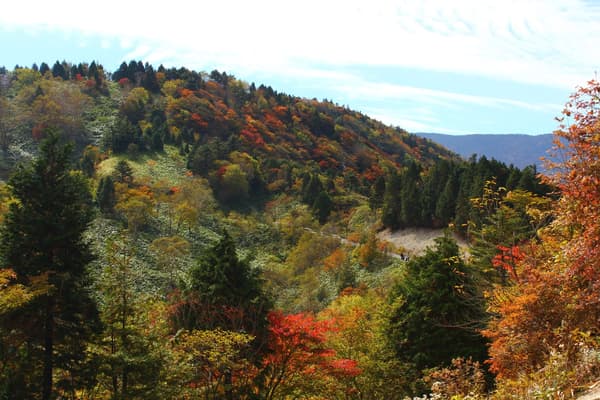
Participants cross Misaka Pass (神坂峠), regarded as the greatest obstacle on the road, and experience the history of the old route that travelers once walked.
- 4:00 PM: Free time (dinner is self-catered), preparing for the mountain hut stay, organizing belongings and going to bed
Kowashimizu–Shugenja Route (approx. 5 km)
- 11:30 AM: Meeting, registration and payment at Tosando Sonohara Visitor Center Hahakigi-kan
- 11:35 AM: Opening session and equipment check at Hahakigi-kan
- 11:50 AM: Board the bus from Hahakigi-kan to Kowashimizu
- 1:00 PM: Arrive at Kowashimizu and start trekking from Kowashimizu to Bangakuso (approx. 150 minutes)
Point 1: Misaka Pass, the greatest obstacle on the Tosando
Participants cross Misaka Pass, regarded as the greatest obstacle on the road, and experience the history of the old route that travelers once walked.
Freeze-dried Namiai corn (50 g) is provided at the rest stop.
- 4:00 PM: Free time (dinner is self-catered), preparing for the mountain hut stay, organizing belongings and going to bed
Day 2: Sunday, November 1
- 4:30 AM: Wake up
- 5:00 AM: Early-morning trek between Bangakuso and the summit of Fujimidai Kogen, round trip (approx. 150 minutes). Sunrise is around 6:00 AM.
Point 2: A 360-degree panorama and sunrise over the Southern Alps
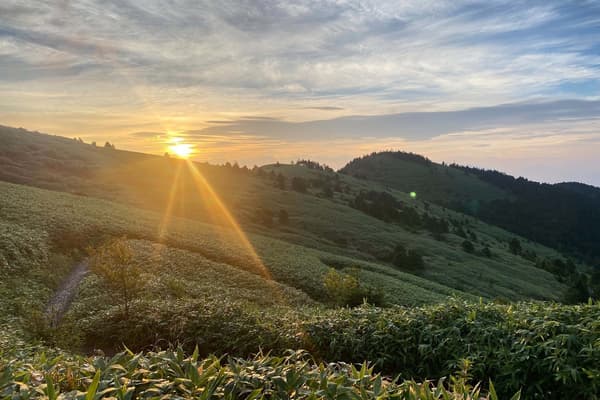
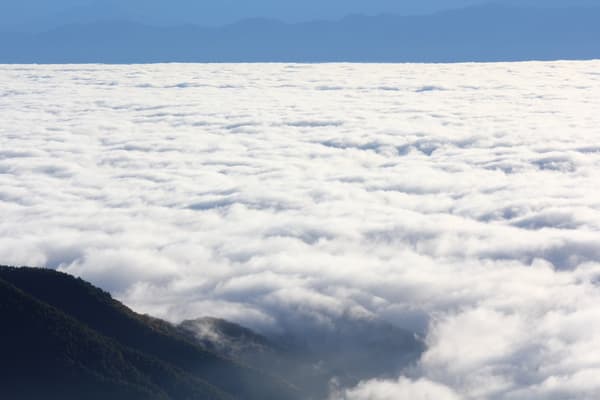
From the summit of Fujimidai Kogen at 1,739 m, participants can take in a 360-degree panorama and watch the sun rise over the Southern Alps.
- 7:00 AM: Free time (breakfast is self-catered), tidying up the mountain hut stay, organizing belongings and resting
- 9:00 AM: Check out of Bangakuso and start trekking from Bangakuso to Tosando Sonohara Visitor Center Hahakigi-kan (approx. 200 minutes)
Point 3: Shinano Hiei Kojo-in, which has watched over Tosando travelers
Kojo-in is said to have been built by Saicho to help travelers crossing Misaka Pass, the greatest obstacle on the Tosando. Participants can encounter the culture of Sonohara while reflecting on the history of the road that travelers used in ancient times.
- 12:30 PM: Arrive at Hahakigi-kan, closing session and dispersal
What to Bring and Notes
Items to Bring and Clothing
In late October, temperatures at Fujimidai Kogen (1,739 m) can drop to around 0 to 5°C at night and in the early morning. The plateau is covered with bamboo grass and has few places that block the sun, so UV protection and rain gear and warm clothing for sudden weather changes are essential. Bring inner layers that prevent sweat chill, long sleeves and long pants to protect against sunburn and insect bites, and outerwear that is easy to put on and take off.
- Camera or smartphone: Whatever you normally use (no specific model is required). Participants take photos of natural scenery such as autumn leaves and the sunrise, as well as scenes from the event, and submit them.
- Clothing (change of clothes): Inner layers that prevent sweat chill, long sleeves and long pants to protect against sunburn and insect bites, and similar items
- Warm clothing: A fleece or down jacket, for example
- Rainwear: Separate top and bottom rainwear, for example
- Trekking shoes (hiking boots): Shoes that protect the ankles and are easy to walk in
- Backpack: About 20 to 30 L, with a rain cover
- Bedding: A sleeping bag or a tent mat, for example
- Headlamp: For early-morning movement (bring spare batteries as well)
- Drinks: About 1 to 1.5 L of sports drink or water, for example. Water use is restricted, so bring enough drinking water. Bangakuso also sells bottled drinks.
- Trail food: Items that give quick energy, such as nuts, dried fruit and sports yokan
- Meals (lunch and dinner on Day 1, breakfast on Day 2): Instant rice (alpha rice) or cup noodles, for example. Gas can be used in the Bangakuso dining room (¥200 per person per meal). Bangakuso also serves meals, but quantities are limited.
- Cookware and cutlery: A lightweight, compact cooker set and cutlery
Optional rental
- Mountain hut sleeping set (full futon set): ¥1,000
- Anyone who wants to rent it should say so when making a reservation.
Items That Add Comfort and Peace of Mind
- Hat, sunglasses and sunscreen: UV protection
- Trekking poles: To reduce strain
- Insect repellent spray: Against insect bites
- Gloves, neck warmer and heat packs: Protection from wind and cold
- Bear bell, bear spray and air horn: Bear countermeasures
- Gas burner: For cooking
- First-aid kit (adhesive bandages, disinfectant, regular medicines, taping and similar items)
Photo Taking and Submission
- This is a "photo trekking" event in which participants enjoy Achi Village's nature and the history of the ancient Tosando while taking photos with a camera or smartphone.
- After the event, participants choose 10 of the photos they took and submit them. Submitted photos may be used for records, publicity and similar purposes. Please apply with this in mind.
- Participants bring their own camera or smartphone for taking photos.
- Submitted photos must have been taken during this event.
- How and by when to submit the photos will be announced after the event.
Notes
- Participants must arrange their own transportation to the site. Coming by car is recommended for getting to the meeting point, Shinano Hiei Kojo-in.
- It may be cold on the day. Bring sufficient warm clothing, shoes, gloves, a hat and similar items. Temperatures at Fujimidai Kogen (1,739 m) can drop to around 0 to 5°C at night and in the early morning.
- Participants move to the Fujimidai Kogen summit while it is still dark at night, so please take great care. It takes 40 minutes on foot to reach the Fujimidai summit.
- Fujimidai Kogen is in a national park. Collecting plants and animals and leaving trash are prohibited.
- Bangakuso has no bath or shower. Please note this in advance.
- At Bangakuso, use of electrical outlets costs ¥100 per hour, and outlets cannot be used at night.
- Depending on the mobile carrier, there may be no mobile signal at Bangakuso. Softbank: out of range in some areas; Docomo: out of range; au: out of range.
- Lights out at Bangakuso is 9:00 PM. After that time, please stay quiet so as not to disturb other guests.
- The organizer cannot take any responsibility for troubles between participants during the event. Please follow good manners and enjoy a wonderful experience.
- In line with travel agency terms and conditions, the event is covered by special travel compensation insurance for organized package tours (募集型企画旅行). Participants who want extra peace of mind can optionally apply for "domestic travel accident insurance" or "mountain insurance."
- Filming and recording by media outlets may take place at the venue and may be broadcast or published on TV, in magazines, on websites and elsewhere. Participants may appear in the footage, so please note this in advance. By applying for this event, participants are deemed to have agreed to the above use of their personal information (portrait rights) at this event.