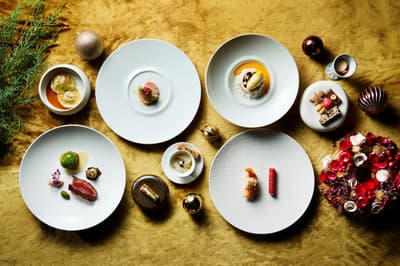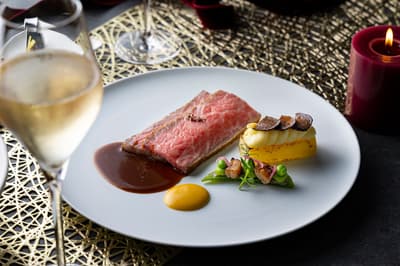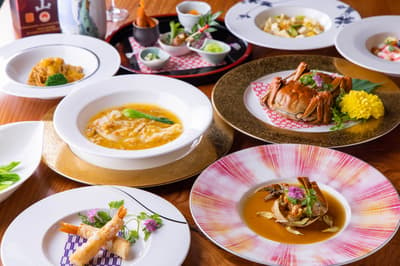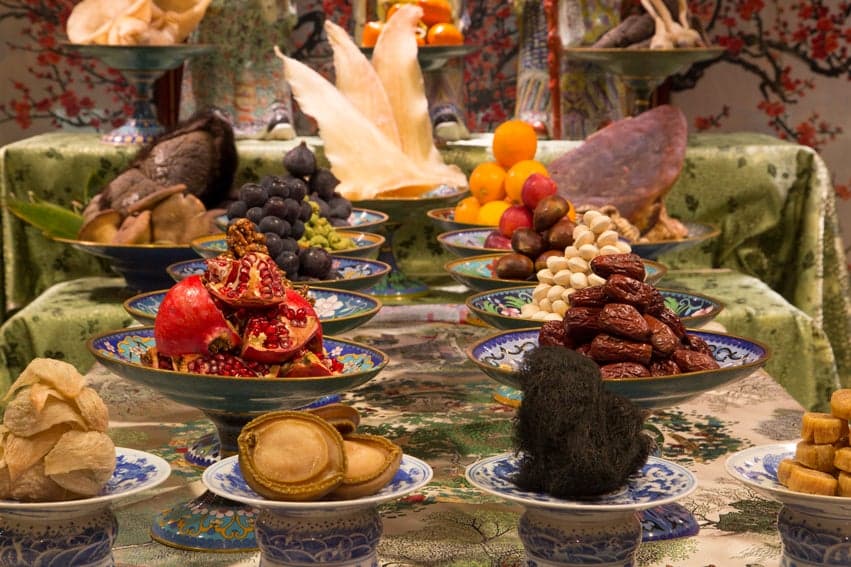
To mark its 100th anniversary, the Chinese restaurant Ginza Aster holds a special tasting banquet at its main restaurant (銀座アスター 本店) for three days, from Tuesday, November 10 to Thursday, November 12, 2026. The 389th edition of its "Meisai-seki" (名菜席) series is themed "Modern Manchu-Han Imperial Feast" (現代満漢全席).
Founded in Ginza in 1926, Ginza Aster has pursued its own Chinese cuisine, carefully preserving the traditions of Chinese cooking while incorporating the delicate palate and aesthetic sense of Japanese people, as well as seasonal ingredients. Meisai-seki is a special tasting banquet that represents this culinary philosophy. Since it began in 1977, it has fused traditional Chinese cuisine with Japanese aesthetics and built a gastronomic world of its own.
About the Banquet
The Manchu-Han Imperial Feast (満漢全席) is known as court cuisine of China's Qing dynasty, and is said to have served as many as 108 dishes. Inspired by this grand food culture, the banquet brings together the techniques and sensibilities Ginza Aster has built up over 100 years. Using 108 carefully selected ingredients, it turns the essence of the Manchu-Han Imperial Feast into modern cuisine.
The banquet is created by master chefs who have long supported Ginza Aster's cooking, together with head chefs working on the front lines. Traditional techniques handed down across generations meet the fresh sensibilities of the chefs who will lead the next era, resulting in a special course fitting for the 100th anniversary.
With thanks for 100 years of history and a new challenge toward the next 100, the banquet expresses the culinary history Ginza Aster has built and its thoughts on the future of Chinese cuisine.
Event Information
389th Meisai-seki "Modern Manchu-Han Imperial Feast" (第389回 名菜席「現代満漢全席」)
- Dates: Tuesday, November 10, Wednesday, November 11, and Thursday, November 12, 2026
- Time: Doors open at 5:30 PM, banquet starts at 5:45 PM
- Venue: Ginza Aster Main Restaurant (銀座アスター 本店)
- Price (per person, service charge and consumption tax included):
- With alcohol pairing: ¥160,000
- With non-alcohol pairing: ¥140,000
- Inquiries: 03-3538-1674
About Meisai-seki
Since its founding in 1926, Ginza Aster has pursued its cooking in line with the founder's wish to be the first to introduce authentic, delicious Chinese flavors to customers and to surprise them.
As part of this effort, a Manchu-Han Imperial Feast was recreated in Hong Kong in 1973 over three days and three nights. Having experienced the depths of gastronomy woven from history and culture, the previous president, Mr. Ota, set out to create a place where customers could savor food culture. Meisai-seki, born in 1977, gave form to that wish.
Meisai-seki began as a development banquet. Head chefs were sent to visit famous dishes in various parts of China and presented the flavors they brought back. Over time it became established as an occasion to enjoy special dishes, and it has been held 388 times.
Beyond the food, the banquet also incorporates the setting of the seats, Chinese music and dance, and tableware and furnishings. Many guests have supported it as an occasion to experience Chinese food culture itself.
As Chinese cuisine spread widely across Japan, Ginza Aster respected tradition while continuing to propose a new kind of Chinese cuisine, adding modern approaches that suit Japanese tastes and sensibilities.
In 2026, its 100th anniversary year, Ginza Aster begins a new challenge toward the next 100 years through Meisai-seki. Going beyond a mere "taste experience," it aims to keep offering its own "creation of food culture," in which guests also savor culture and space rooted in the Japanese aesthetic sense.
About the Main Restaurant
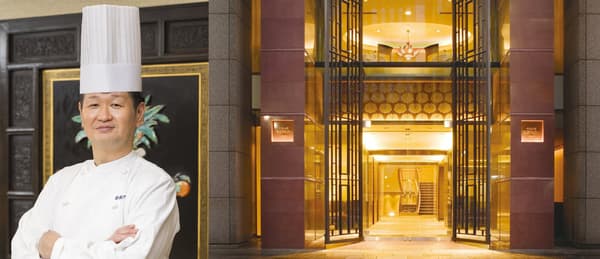
Ginza Aster Main Restaurant Head Chef 軽部展章 / Ginza Aster Main Restaurant
The main restaurant opened in the first year of the Showa era (1926) and is the place where Ginza Aster began. It serves a range of dishes found nowhere else. While keeping to Ginza Aster's origins, it continually adds new elements to respond to the needs of the times, offering a taste in which tradition and innovation resonate. Guests can enjoy the ever-evolving "Japanese-style Chinese cuisine" available only at the main restaurant.