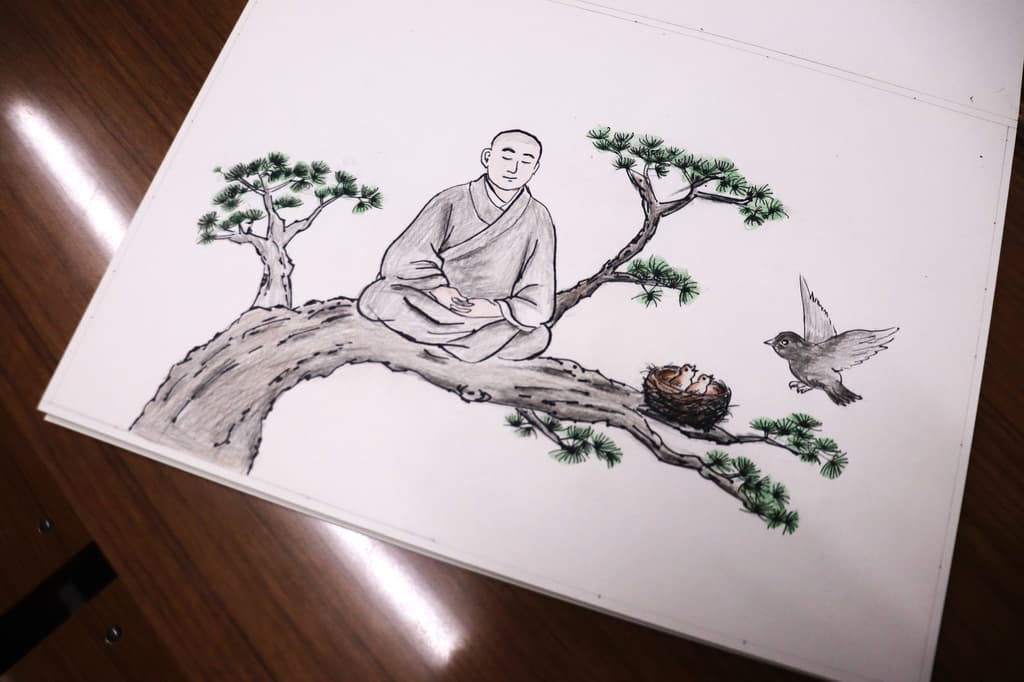
A picture book project at Kyoto Notre Dame Women's University is now in its third year, with students working to bring the legends of Gion Festival's yamahoko floats to life in stories accessible to children.
The project began as an in-class creative activity, but this year it has expanded beyond enrolled students to include auditing students and alumni as well, forming a cross-year, cross-affiliation team.
Five Floats, Five Stories
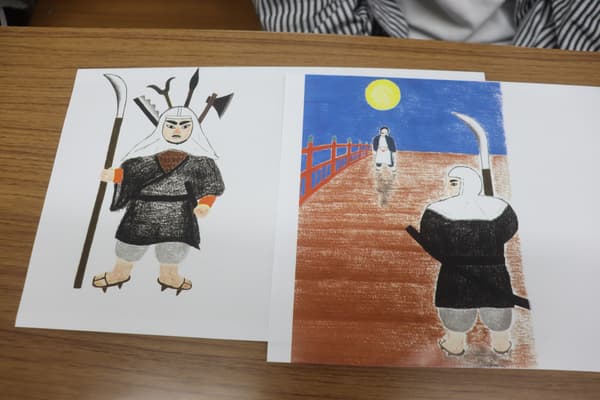
This year's edition covers five yamahoko floats: Naginata-boko, Tsuki-boko, Hakurakuten-yama, Hashi-Benkei-yama, and Koi-yama. Each picture book draws on the historical background and oral traditions associated with its respective float, reinterpreted into narratives that children can follow and enjoy.
Among the more distinctive storytelling challenges is Koi-yama, whose story is rooted in the legend of a carp ascending a waterfall to become a dragon. Tsuki-boko presents a different kind of difficulty — historical sources related to its origins are limited, so the team has had to shape an engaging story from relatively sparse material.
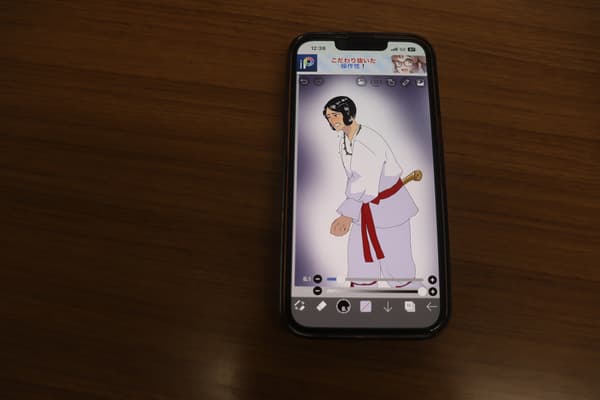
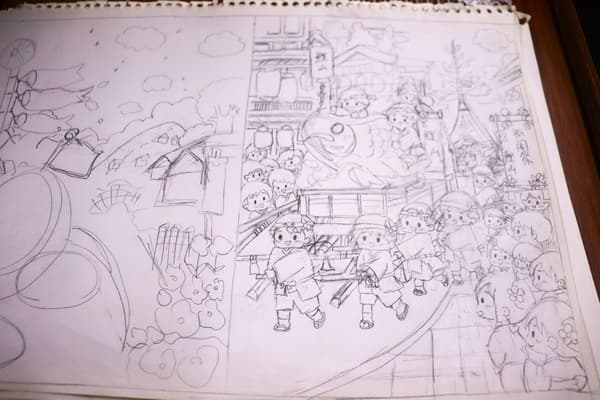
Faculty guide the overall direction of each story using classical texts as a foundation, while students develop the specific structure, wording, and illustrations.
Audience and Distribution
The books are primarily aimed at upper elementary school students, though they are designed with younger readers in mind as well. Approximately 100 copies of the completed books are planned for free distribution to the National Diet Library, Kyoto Prefectural Library, and the preservation societies of the featured floats.
The team is working toward completion before July, when Gion Festival gets underway.
From the Students
Students have noted that working through the classical source texts and deciding which elements of each float's legend to highlight were among the more demanding aspects of the project. Faculty support helped them work through the material and develop their understanding of each story.
The project has also fostered connections with the local community. Through their work, students have built ties with the Hosho-yama Preservation Society and have extended their involvement to related volunteer activities connected to the festival.