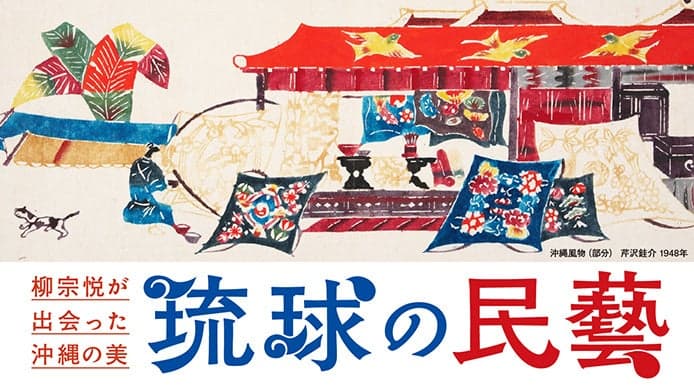
Takashimaya is holding the exhibition "The Beauty of Okinawa Encountered by Yanagi Soetsu: Ryukyu Mingei," organized by the Japan Folk Crafts Museum with the support of Okinawa Prefecture, at its Nihonbashi store (August 26 – September 6, 2026) and Osaka store (September 9–21, 2026).
This year marks the planned reconstruction of Shuri Castle's main hall, lost to fire in 2019, and coincides with the 100th anniversary of Yanagi Soetsu and others establishing the concept of "Mingei." At a moment when interest in Okinawan culture and craft continues to grow, the exhibition takes a fresh look at the enduring value of Okinawan crafts — a beauty Yanagi once called a "mountain of treasure," and one he continued to admire throughout his life.
Exhibition Background and Highlights
Religious philosopher Yanagi Soetsu (1889–1961), who led the Mingei movement from the late Taisho era into the Showa era, became captivated by Okinawan crafts through his connection with Sho Sho, the 21st head of the Ryukyu royal Sho family and a former classmate. Starting in 1938, Yanagi visited Okinawa four times to research and collect crafts. There, he encountered handmade works born of the islands' distinctive climate and culture — vividly colored dyed and woven textiles alongside bold, generous pottery.
Takashimaya has its own history with the movement, having supported Yanagi and his fellow theorists from Mingei's earliest days — starting with the 1934 "Exhibition of Contemporary Japanese Mingei" — and organizing numerous "Mingei" exhibitions that championed the beauty found in everyday, functional objects. Building on that connection, this exhibition presents around 100 works in a systematic overview, centered on the Ryukyu Mingei collection held by the Japan Folk Crafts Museum: tools rooted in daily life and the performing arts, alongside pieces by Mingei-movement artists — including Serizawa Keisuke, Kawai Kanjiro, and Hamada Shoji, who traveled to Okinawa alongside Yanagi — created from what they learned there.
Visitors can experience firsthand the richness of Ryukyu culture, where everyday tools and artistic expression developed as one, alongside the spirit of the Mingei movement that Takashimaya has walked alongside since its early days.
What Is Mingei?
Coined in 1925 by Yanagi Soetsu, Kawai Kanjiro, Hamada Shoji, and others, "Mingei" is short for "min-shu-teki kogei" (crafts of the people). It refers to both a philosophy and a movement that turned its attention to everyday objects made by anonymous craftspeople — tableware, furniture, clothing — that the art world had until then overlooked, celebrating the sound, wholesome beauty found within them as "the beauty of use" (yo no bi). Amid rapid industrialization, the movement aimed to preserve Japan's regional handcraft traditions and bring beauty into daily life.
About Yanagi Soetsu
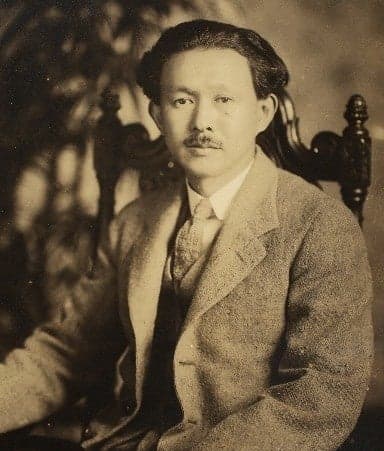
Born in Tokyo (1889–1961), Yanagi was a religious philosopher and art critic. While at the Gakushuin senior school, he took part in launching the literary magazine Shirakaba, introducing modern Western art and literature to Japan. He later found himself moved by the beauty of Korean ceramics and the Mokujiki Buddhist statues he encountered while traveling across Japan, which led him to advocate for the Mingei movement. In 1936 he opened the Japan Folk Crafts Museum in Komaba, Tokyo, as a base for exhibiting and sharing the crafts he had collected, becoming its first director. Throughout his life, he continued to present society with a new set of aesthetic values shaped by his own distinctive eye.
Exhibition Chapters
Prologue: Yanagi Soetsu's Encounter with Okinawan Mingei
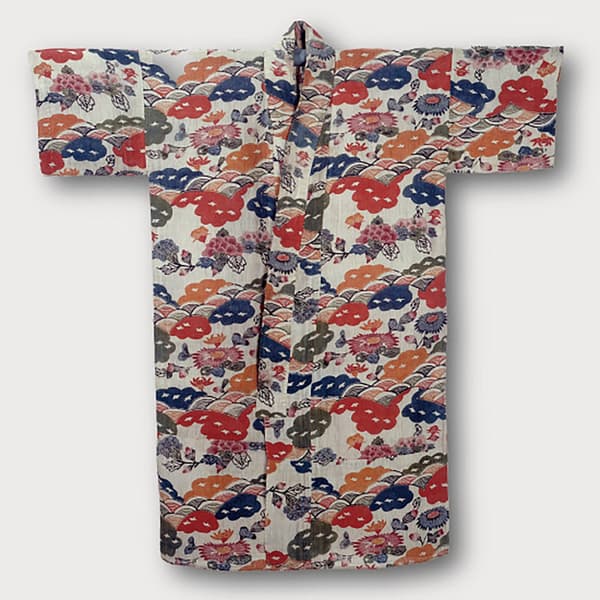
This section introduces the allure of Okinawan bingata dyeing through dyed robes, stencils, and Yanagi's own words, tracing the origins of his fascination with Okinawa.
Chapter 1: Ryukyu Dyed Textiles
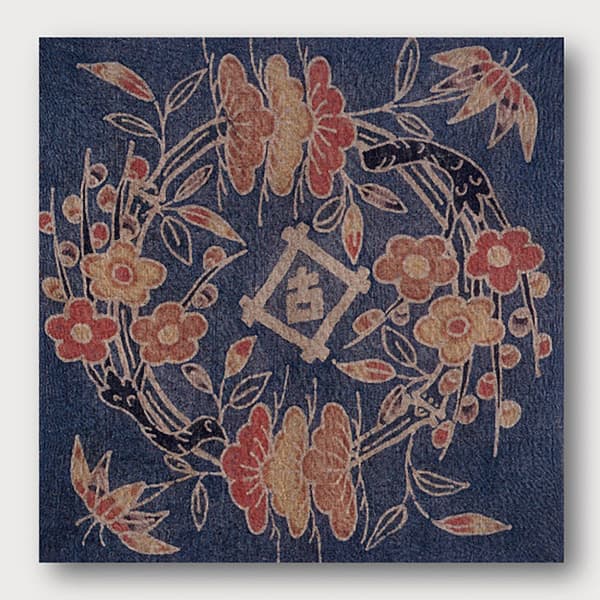
Centered on bingata, Okinawa's signature dyeing tradition, this chapter displays a range of robes and stencils, exploring the background behind their color and design, and getting closer to the bingata artistry that captivated Yanagi.
Chapter 2: Ryukyu Textiles
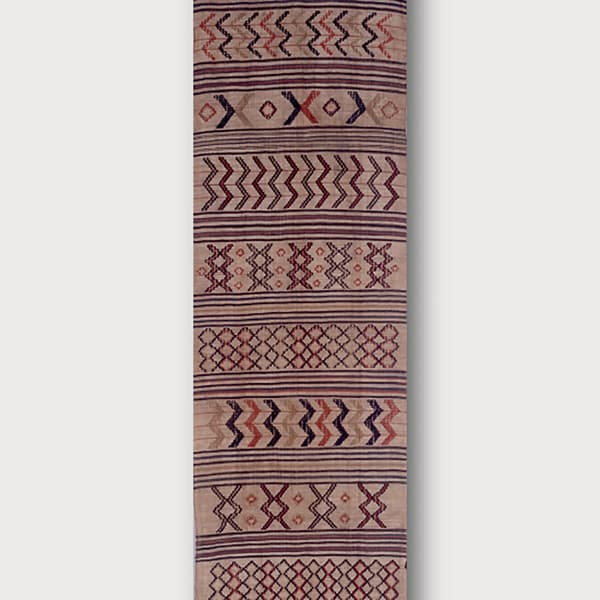
Through textiles such as bashofu and kasuri (ikat) weaving, this chapter presents the diversity of cloth rooted in daily life and the breadth of Ryukyu's weaving culture.
Chapter 3: Ryukyu Pottery
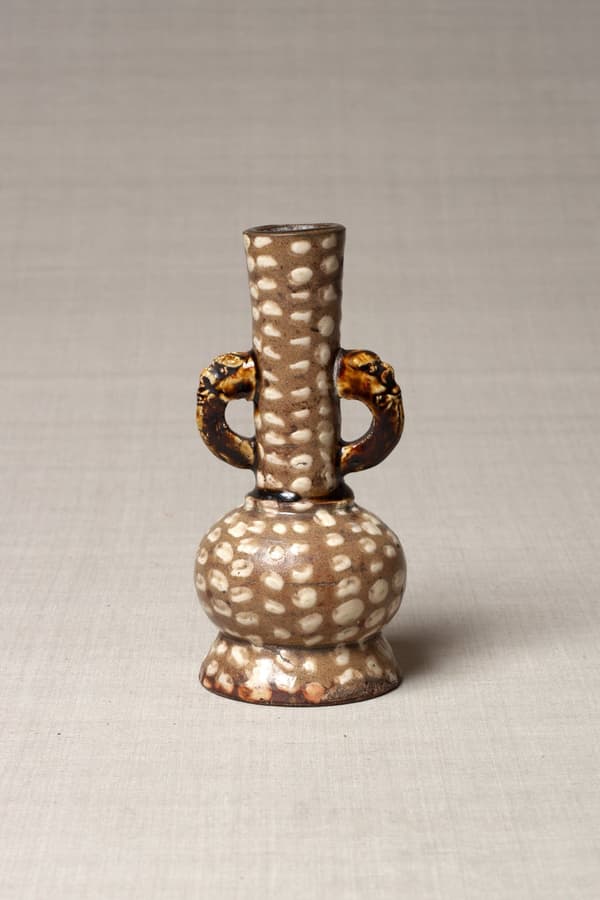
This chapter displays Tsuboya ware and everyday vessels such as sake jugs, hip flasks (dachibin), plates, and bowls, conveying the simple, powerful forms shaped by Okinawa's potters and the distinctive beauty of clay nurtured by the local climate.
Chapter 4: Ryukyu Life and Folk Culture
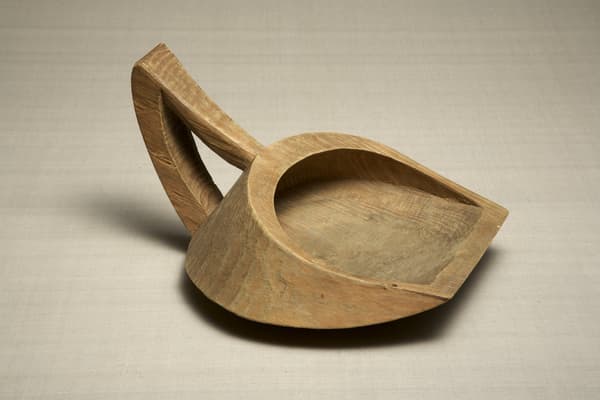
This chapter covers a full range of tools rooted in Okinawan life and performing arts, including dance costumes, stage curtains, baskets, pillow boxes, and papier-mache dolls, showing the richness of Ryukyu culture, where everyday tools and artistic expression grew as one.
Chapter 5: Okinawa and the Artists of the Mingei Movement
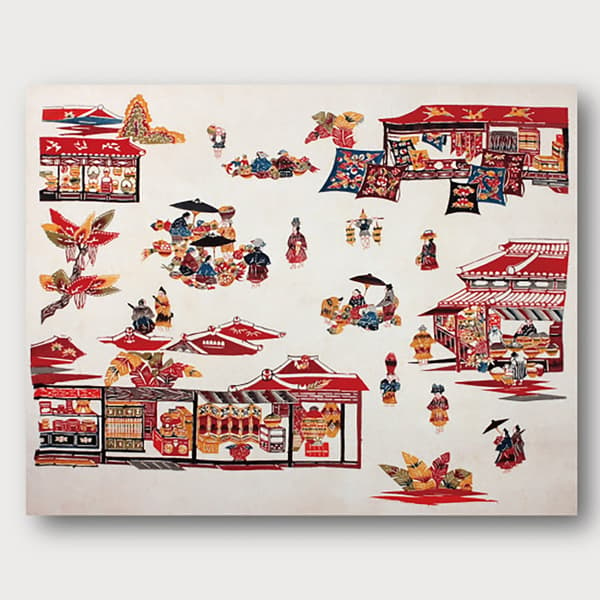
This chapter presents works by Mingei-movement artists such as Serizawa Keisuke, Kawai Kanjiro, and Hamada Shoji, alongside pieces by postwar artists.
Film Screening
The cultural film Ryukyu no Mingei (Mingei of the Ryukyus) will be screened, offering a visual look at prewar Okinawan scenery and daily life, and the climate that nurtured its living traditions and performing arts.
The "Mingei Ten" Craft Fair
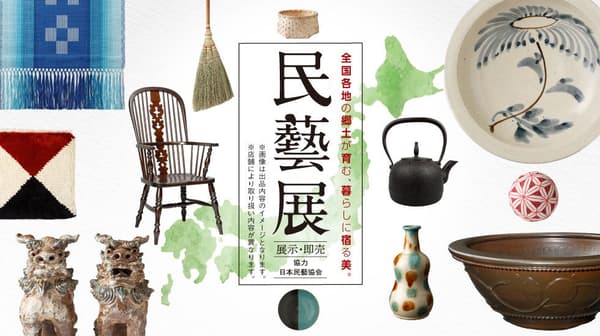
In the event space adjoining the exhibition venue, Takashimaya is also holding "Mingei Ten," a market-style craft fair bringing together everyday-use beauty from around Japan for the first time in three years. This year's edition returns to the regional spirit at the heart of Mingei philosophy, introducing work from a range of makers who carry on their local craft traditions and embody the Mingei spirit. Talks and workshops to deepen understanding of Mingei are also planned.
Tokyo Venue
- Dates: August 26 (Wed) – September 7 (Mon), 2026, daily 10:30 AM – 7:30 PM (last day closes at 6:00 PM)
- Venue: Nihonbashi Takashimaya S.C. Main Building, 8th Floor Event Space
- Also: Main Building 7th Floor, Gallery Kurashi no Kogei / Mingei no Wa, August 26 (Wed) – September 8 (Tue) (last day closes at 4:00 PM); Main Building 1st Floor Front Event Space, August 26 (Wed) – September 1 (Tue)
Osaka Venue
- Dates: September 16 (Wed) – 21 (Mon, holiday), 2026, daily 10:00 AM – 7:00 PM (last day closes at 6:00 PM)
- Venue: Osaka Takashimaya, 7th Floor Event Space
Mingei Ten Exhibitors (Highlights)
- Regional Mingei crafts: Johoji lacquerware, Kokuji ware, Nambu ironware, Matsumoto folk furniture, Seto Hongyo kiln, Shussai kiln, Sodeshi kiln, Yunomachi kiln, Kaji Kobo Hiromitsu, Onta ware, Yomitanzan-yaki Kitagama, Ryukyu glass, bingata, and more (lineup varies by period and store)
- Mingei and craft shops: Tottori Takumi Kogeiten (Tottori), Ginza Takumi (Tokyo), Kurashi no Gallery (Okayama), Utsuwa Kurashi no Dogu Tecla (Shizuoka), Ochicochi (Nihonbashi store only, Tokushima), Temahima (Osaka store only, Osaka)
Dates and details are subject to change or cancellation without notice. Details of exhibitors and events will be announced on the official website in mid-July.
Exhibition Overview
Exhibition: The Beauty of Okinawa Encountered by Yanagi Soetsu: Ryukyu Mingei
Tokyo: Nihonbashi Takashimaya S.C. Main Building, 8th Floor Hall — August 26 (Wed) – September 6 (Sun), 2026. Hours: 10:30 AM – 7:00 PM (doors close at 7:30 PM); last day until 5:30 PM (doors close at 6:00 PM)
Osaka: Osaka Takashimaya, 7th Floor Grand Hall — September 9 (Wed) – September 21 (Mon, holiday), 2026. Hours: 10:00 AM – 6:30 PM (doors close at 7:00 PM); last day until 4:30 PM (doors close at 5:00 PM)
Organizer: Japan Folk Crafts Museum
Cooperation / Support: Japan Folk Crafts Association, Okinawa Prefecture
Planning cooperation: JR Tokai Agency
Admission: General ¥1,200; university/high school students ¥1,000; junior high school students and younger free
Tickets: Available via Lawson Ticket, 7-Eleven Ticket, and e+, as well as at the exhibition ticket counter on-site during the run. A discount is available for visitors presenting a disability certificate.