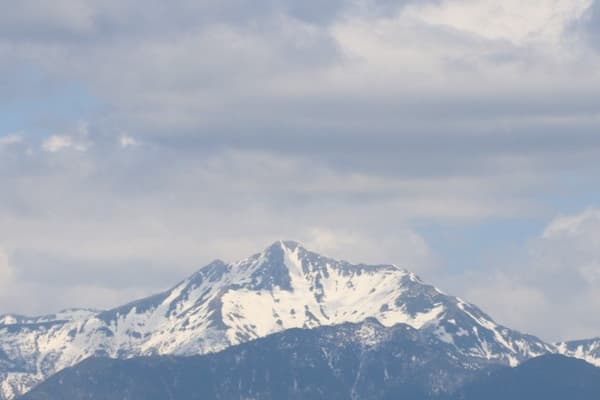
As spring snowmelt advances on Mt. Kasagatake (2,898 m) in Takayama City, Gifu Prefecture, the remaining snow on the mountain's slopes takes on the appearance of a white horse — a striking natural spectacle that draws attention each year.
The snow pattern forms gradually: starting from the mountain's peak, which resembles the horse's ears, then the neck. Frozen snow on the left side of the slope takes the shape of the body, while the right side forms what looks like the horse's front legs. Together, these snow patches create what is known as the "white horse shape."
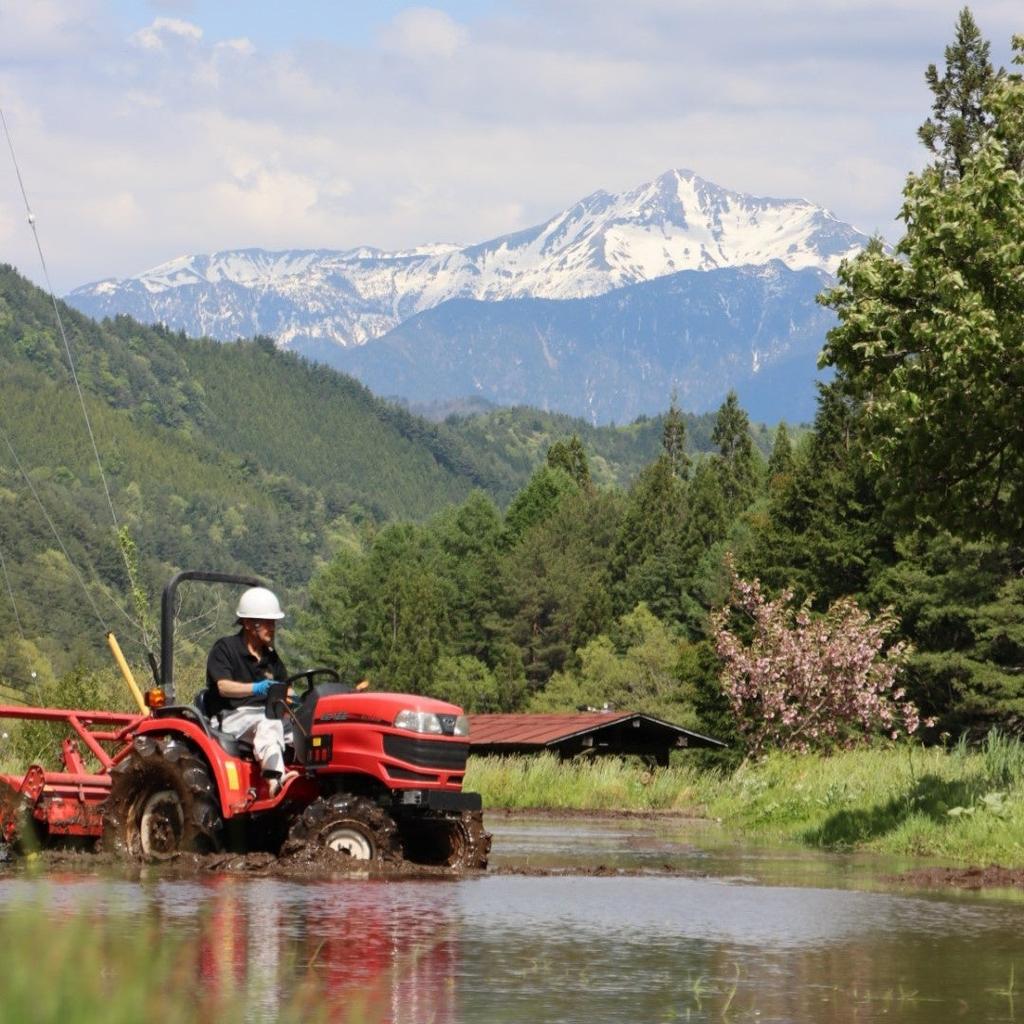
Long recognized by people in the region, this natural phenomenon has traditionally served as a signal for farmers to begin rice planting. On May 10th, Katsuro Mizunashi, who was working on soil preparation in his rice paddies in Kurabashira, Kamitakara-cho, said: "When I see the white horse, I feel the rice farming season has come again. I want to grow delicious rice."
The white horse shape is expected to remain visible until around early June, offering a glimpse of nature's own seasonal calendar. Set against the clear skies of spring, it has become a scenic spot that attracts many visitors. If you have the chance, it is well worth making the trip out to see it.