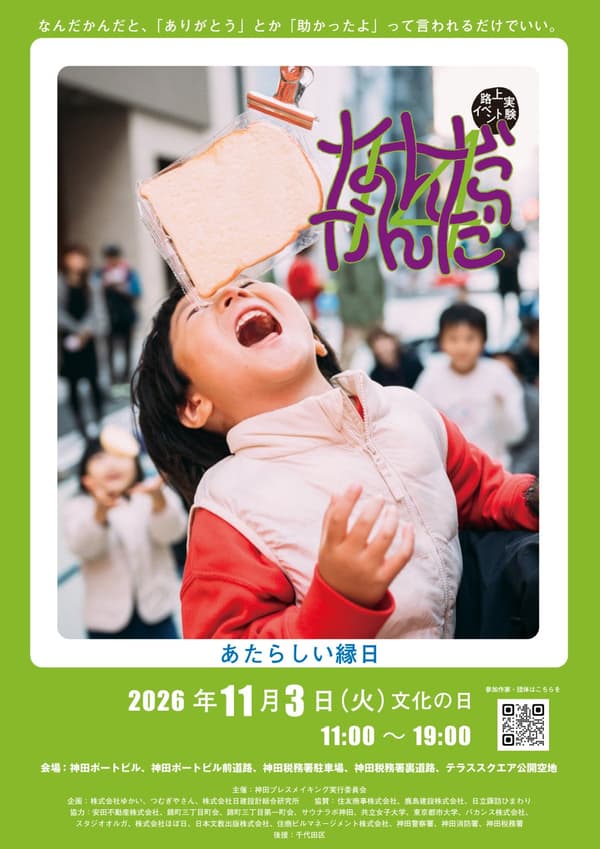
A street experiment event, "Nandakanda 14" (なんだかんだ14), will be held on Tuesday, November 3, 2026 (Culture Day, a national holiday) in Kanda-Nishikicho, Chiyoda-ku, Tokyo. The event is organized by the Kanda Placemaking Executive Committee (神田プレイスメイキング実行委員会). Its theme is "All we need is to be told 'thank you' or 'that helped,' one way or another."
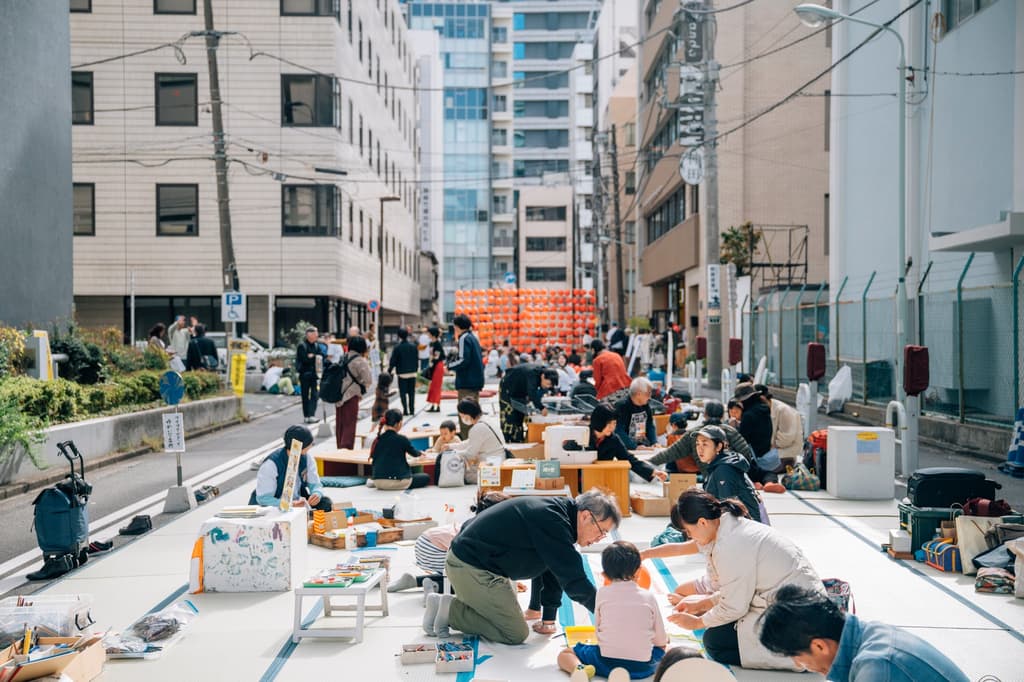
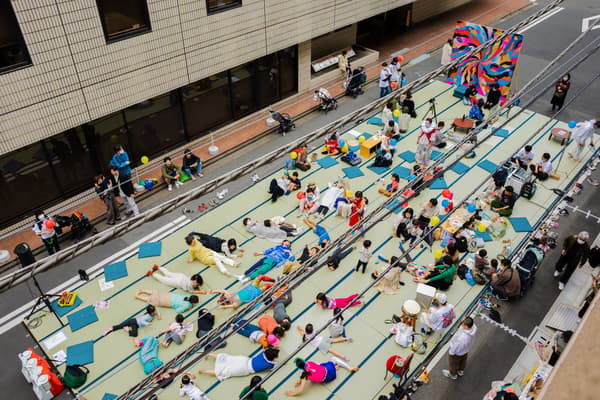
Nandakanda is a "new ennichi" (festival fair) in Kanda. Tatami mats, 350 in total, are laid across a road that people and cars normally use, and people active in many fields, including art, welfare, disaster preparedness, reconstruction, music, and play, gather and meet there. For the 14th edition, about 40 individuals and organizations take part.
People who usually work in different places each bring something interesting or something they want to recommend to others, and enjoy it together with visitors. The event is also an attempt to explore new ways of using public space, with roads at the center.
Event Information
Event name: Street experiment event "Nandakanda 14" (なんだかんだ14)
Date and time: Tuesday, November 3, 2026 (Culture Day), 11:00 AM to 7:00 PM
Venues: Kanda Port Building (神田ポートビル), the road in front of Kanda Port Building, the Kanda Tax Office parking lot, the road behind the Kanda Tax Office, and the open public space at Terrace Square (Kanda-Nishikicho, Chiyoda-ku, Tokyo)
Admission: Free
Access: About a 5-minute walk from Exit A9 of Jimbocho Station
Organizer: Kanda Placemaking Executive Committee (神田プレイスメイキング実行委員会)
Creative direction: Masanori Ikeda (池田晶紀)
Supported by: Chiyoda-ku (千代田区)
Official website: https://nandakanda.jp/vol14.html
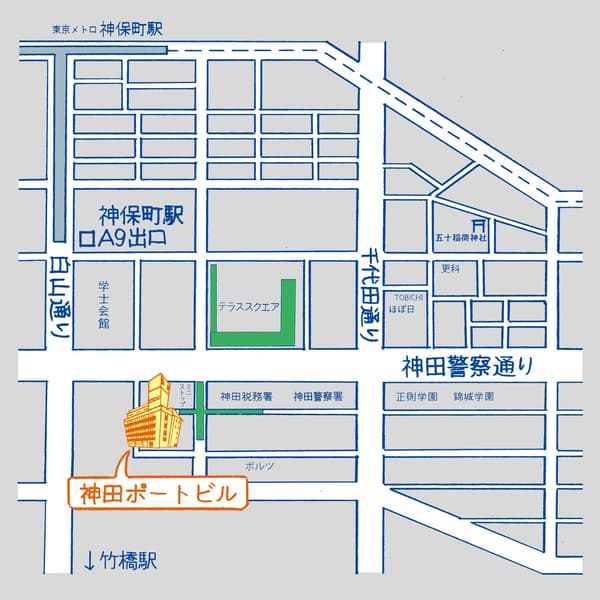
The Kanda Port Building and the green areas are the venues. Access: about a 5-minute walk from Exit A9 of Jimbocho Station.
Spending Time Together on the Road
The usual road is covered with tatami mats.
In one spot someone prepares tea, in another children play, music sounds, and some people dance. Some are absorbed in making things, while others simply sit and look at the scenery from where they are. Nandakanda opens up the road as a comfortable place where anyone can spend time as they like.
Artists, welfare facilities, local residents, companies, students, and government agencies, people who rarely have a chance to meet, bring their own activities and forms of expression. Visitors are free to try something, talk with someone, or just spend time idly. The organizers hope that changing how a street is used, even slightly, will lead to different encounters and conversations and become a chance to think about the future of the city.
Neighbors From Art, Welfare, Disaster Preparedness, and More
A major feature of Nandakanda is that people from many fields, such as art, welfare, and disaster preparedness, gather on a city street and bring unique experiences that visitors rarely encounter. By taking in someone's expression or activity, or by making and playing something together, visitors naturally come across activities and people they did not know. Just being there can bring new discoveries. The organizers hope that through such experiences, visitors will come to feel art, welfare, and disaster preparedness not as something special, but as familiar things connected to daily life.
Kanda Port Building Area
On the tatami mats laid on the road, a variety of programs unfold one after another, and sometimes at the same time. They include dance and theater, tea gatherings, workshops by artists and arts-and-crafts teachers, rap and band performances by members of welfare facilities, mental care initiatives and ikebana demonstrations by students, disaster drills with the cooperation of the fire station, and a wheelchair experience set in the streets of Kanda. People from different fields present their activities and expressions in their own ways, and feel, enjoy, and share their thoughts together with visitors.
This year, the taiko group 冨木神幸太鼓, which is active in the Togi area of Shika Town in Noto, also takes part. The organizers hope that experiencing Noto's culture and hearing the taiko will give visitors a chance to feel closer to Noto, a region working toward recovery after the earthquake.
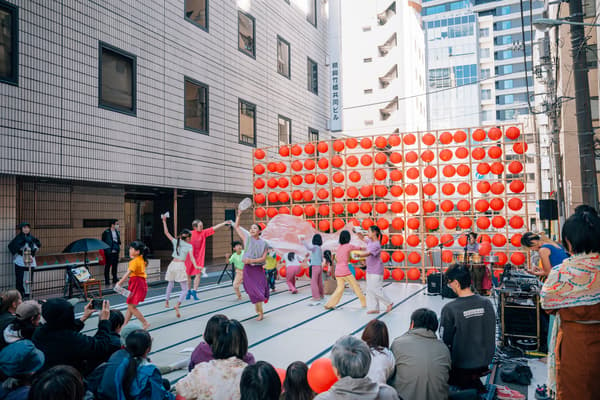
Dancers also perform on the tatami mats.
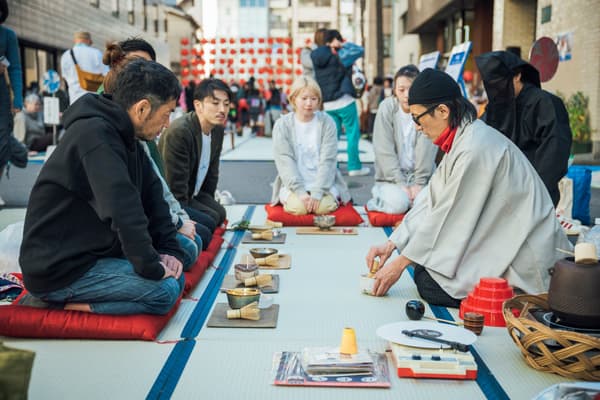
A tea gathering held on the street.
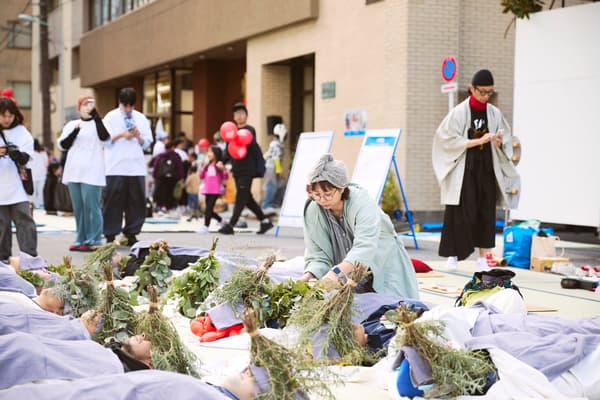
Whisking, a steam bath in which participants are wrapped in plants and which is usually held in a sauna room, takes place under the blue sky.
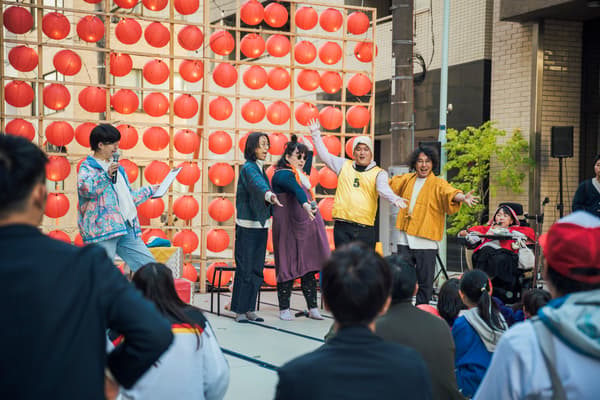
Members of the Type B employment continuation support facility BaseCamp perform rap.
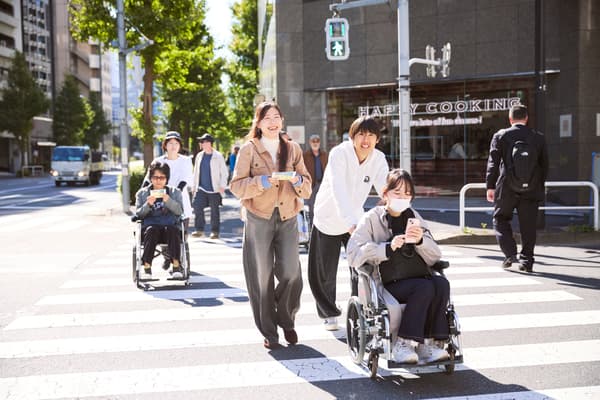
The wheelchair experience "Wheelchair Dream Delivery" (車いす夢のデリバリー), produced by 佐野夢果, is held for the third time this year.
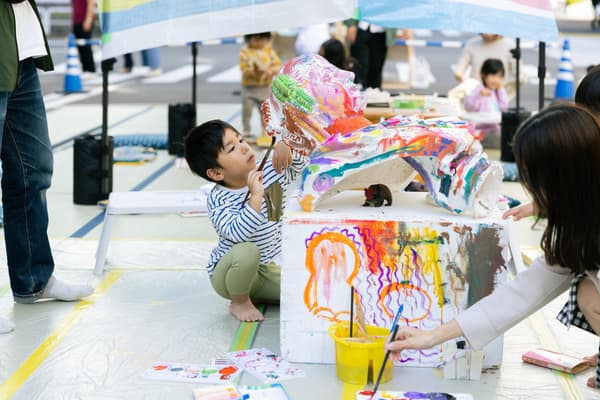
The art supplies recycling project "巡り堂." Art supplies that were due to be discarded are cleaned and passed on to their next users.
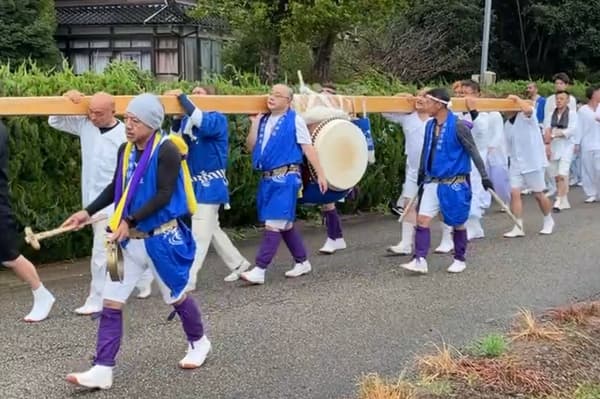
A taiko performance and a hands-on session by 冨木神幸太鼓 are held this time.
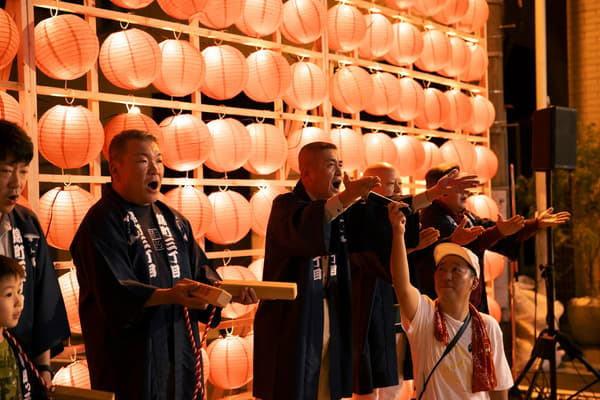
Kiyari by the Nishikicho 3-chome Neighborhood Association (錦町三丁目町会) closes the event.
Terrace Square Area
Gathering of Moving ○○○
Various "mobile ○○" gather in the open public space at Terrace Square, including a mobile aquarium, a blacksmith, a mini locomotive, a kendama stall, and a play area. Things that are normally in separate places come into the city. It is an area where everyone from children to adults can enjoy unexpected experiences and discoveries.
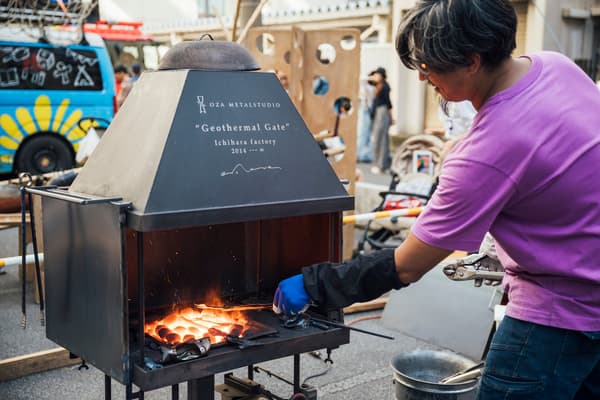
A mobile blacksmith. A workshop where participants flatten iron.
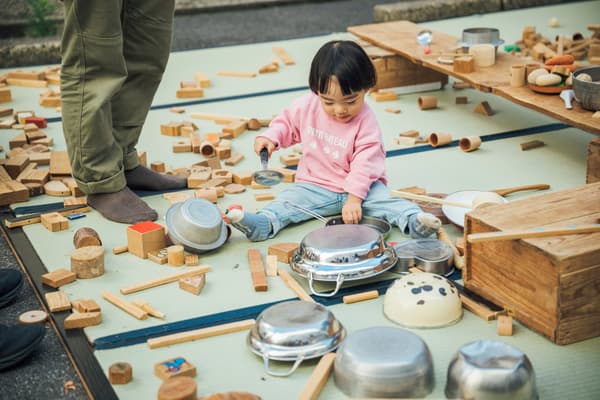
A mobile play area.
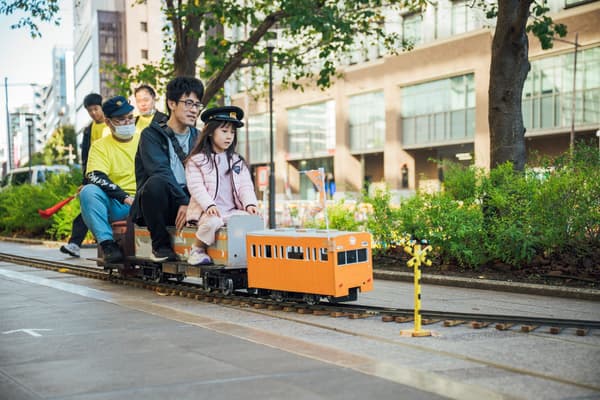
A mobile rail track appears, and visitors can ride a mini locomotive.
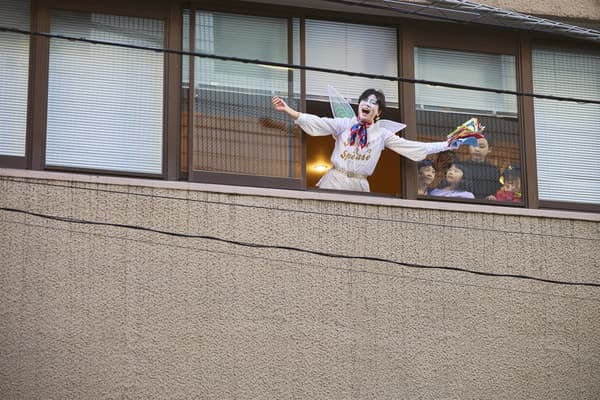
A Shakespeare play performed by Kakushinhan (カクシンハン).
Archives of past Nandakanda events can be viewed on the Nandakanda website: https://nandakanda.jp/
A Flea Market to Support Local Activities
A new initiative this year is a flea market. It is not only about buying and selling things, but is also a social experiment on how to sustain local activities.
In the open public space on the west side of Terrace Square, small shops, each about three tatami mats in size, run by vendors recruited through an open call, line up. Local residents and many other vendors bring their own belongings and recommendations, creating a place for exchange through objects.
The event also tries out a system that returns stall fees to local public-interest activities. The initiative explores whether small economic activities in public space can nurture the vibrancy of the town and connections between people, and become a force for continuing local activities.
Vendor application guidelines are available here: https://nandakanda.jp/assets/images/ndkd14_boshu.pdf?1792046210
A Message From the Creative Director
Creative director and photographer Masanori Ikeda (池田晶紀) says that people live in a world made convenient in pursuit of richness, but that there are joys that convenience alone cannot bring. He wants to create a place for finding the joy and beauty that arise precisely because people meet face to face, such as encountering an unfamiliar world by being together with various difficulties, wisdom, and cultures, trying someone's recommendation, or spacing out alone in the middle of the bustle.
Nandakanda 14 takes place on the streets of Kanda again this year, on Culture Day, Tuesday, November 3. People active in art, welfare, disaster preparedness, and other fields bring the feeling of "this is really good, please try it," and together create a new ennichi. Visitors can make something, try something, or just look around, and words like "thank you" and "that helped" may come up unexpectedly. Ikeda hopes visitors will take the fun of the day back into their own daily lives, and that the number of friends who enjoy things together, one way or another, will gradually grow.