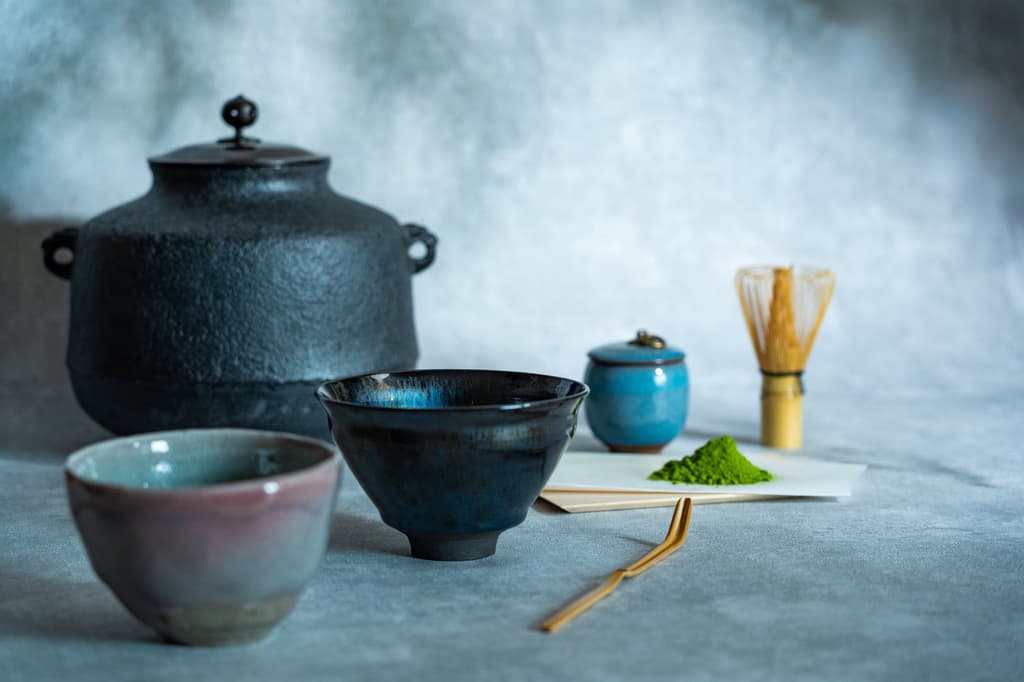
Roppongi Tea Factory, run by Godo Kaisha Satoyama Marketing Office (Minato-ku, Tokyo), which also operates the Japanese culture brand wanova, will hold a "chazume" (tea-filling) workshop on August 8, 2026 (Saturday) from 5:00 PM, where participants pack tencha tea leaves into a jar. It is a small tea workshop that carries out the final step of tea-making, aging in a jar, in the middle of the city farthest from any tea field.
The workshop's first session in July filled all eight spots within hours of being announced, and inquiries about a follow-up session kept coming in afterward, prompting this additional, publicly open session. Participants will pack tencha into a jar by hand and seal it themselves; after about three months of aging, they will reunite with their tea in November at the "kuchikiri" ceremony, when the jar is opened, and enjoy freshly stone-ground "aged matcha" on the spot.
Why Make Tea in Roppongi
In Roppongi, there is a tea workshop that ages tencha (the leaf used for matcha) and shares Japan's traditional tea culture: Roppongi Tea Factory.
Its roots trace back to wanova's original business of conveying the value of Japanese culture and satoyama (rural landscapes) to the world. Through that work, the company built relationships with many people connected to Japanese culture and Japanese tea, and from there an idea naturally took shape: to deliver single-origin sencha that showcases each farm's individuality and matcha enjoyed through traditional etiquette, tea in its truest form, from the international city of Roppongi to the world.
Tencha picked and steamed at its place of origin is entrusted to the workshop, which ages it in a jar, performs the kuchikiri opening, grinds it on a stone mill, and serves it in a crafted vessel, to be enjoyed alongside Japanese art and craft pieces curated by wanova. Visitors can enjoy freshly stone-ground matcha aged in Roppongi, paired with works curated by wanova that range from pieces by Living National Treasures to today's popular craft artists.
A Tea Ceremony Every Practitioner Knows, but Few Ever Witness
Tea leaves picked in early summer are packed into a jar, aged through the summer, and tasted for the first time only after the seal is broken in late autumn. This "kuchikiri" (jar-opening) is one of the most formal milestones of the year in the tea ceremony world, sometimes called "New Year's Day for tea practitioners." In the Edo period, tea from Uji was carried to Edo in a procession known as the "Ochatsubo Dochu," a testament to how carefully jarred tea was once handled.
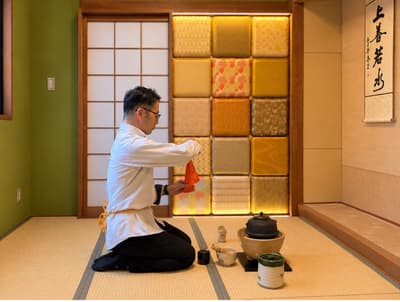
Before that comes the "chazume no gi," the ceremony of packing tea into the jar. Many tea practitioners know the term, but in modern life, the chance to actually witness it in person has become rare.
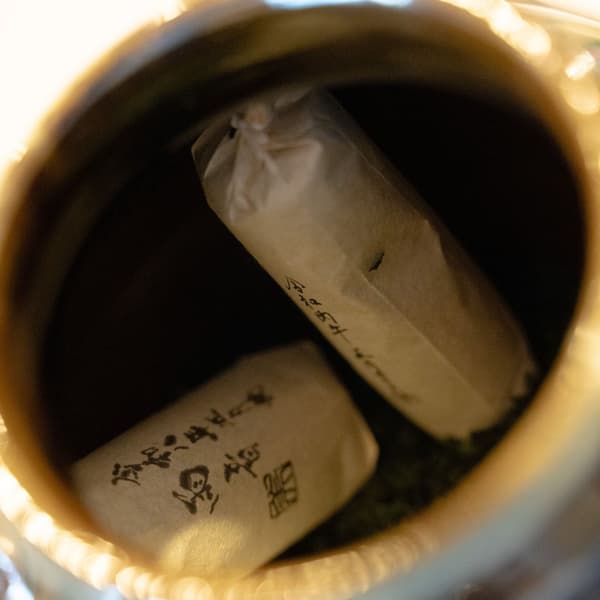
Packing the source tea leaves into a jar, letting them age thoroughly, and then grinding them on a stone mill is the traditional method passed down from ancient times. In a society that now prioritizes efficiency and tends to forget the value of unhurried time, Roppongi Tea Factory treats this practice as a symbol of spending time carefully.
The July session sold out within hours of being announced, and inquiries about "whether there will be a next session" have continued ever since. Rather than simply observing, participants themselves will pack matcha into the tea jar with their own hands, so the capacity for this additional session has been kept to eight people.
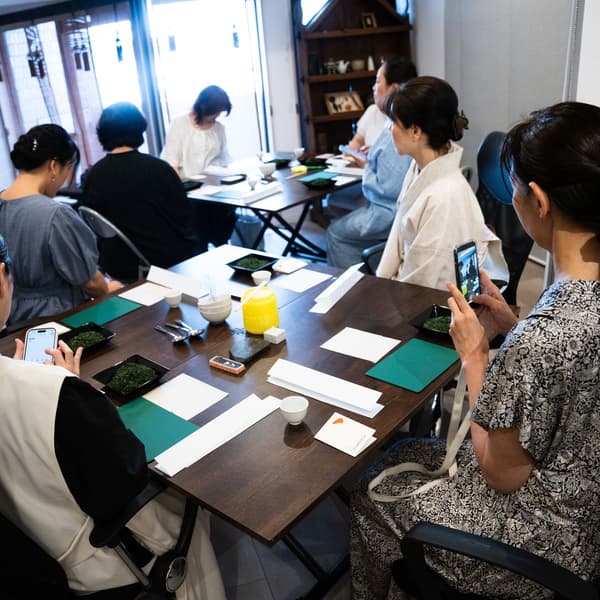
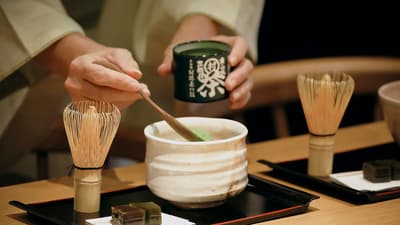
The scene from the "chazume" workshop with tencha and the tea jar.
Participants from a range of generations gathered at the previous session. Feedback included comments such as, "There are so few opportunities to learn about or experience chazume, so a workshop like this is very welcome. Tencha isn't easy to find for sale either, so I wanted to buy some to take home."
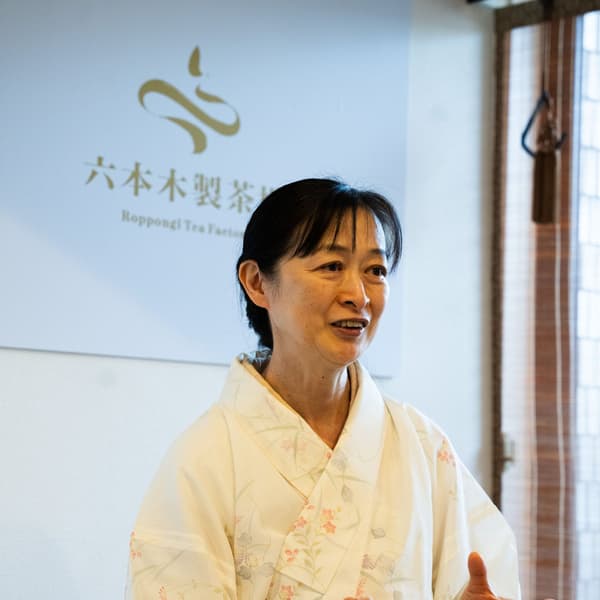
The instructor is Ako Yoshino (part-time lecturer at Shizuoka University; secretariat of the Nihon Sado Juku).
The "Chazume" Workshop: Packing the Jar, Sealing It, and Reuniting in November
Participants will wrap tencha for koicha (thick tea) in a washi tea bag, write the tea's name on it, and place it at the center of the tea jar. They will then experience the full sequence of packing tencha for usucha (thin tea) around it and sealing the jar.
A record book is attached to the jar, which is then sealed with Roppongi Tea Factory's stamp. The jar goes straight into aging at the workshop and will welcome participants back at the "kuchikiri" tea gathering planned for November. Participants in this session will be given priority booking for that kuchikiri workshop.
On the day, in addition to tasting and comparing the koicha and usucha tencha before they are packed into the jar, the workshop will also offer tencha aged using a method that recreates the aging techniques of Sen no Rikyu's era. It is a program for experiencing, in full, the roughly three months each jar spends aging in its own way before autumn's kuchikiri, and how the tea changes over that time.
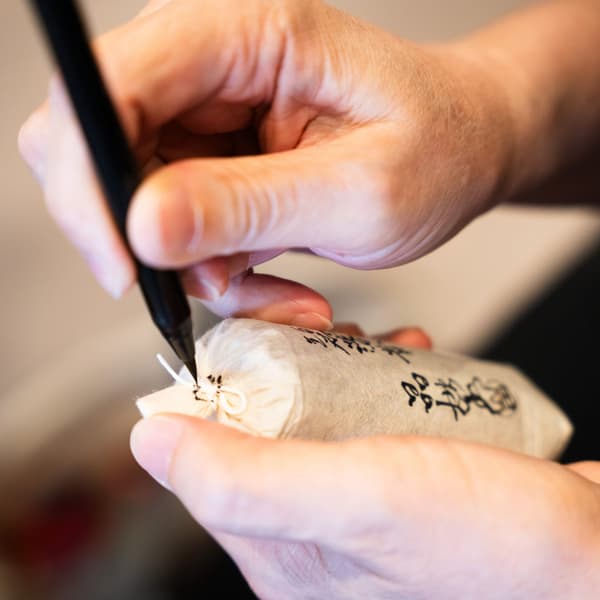
Each participant packs koicha into a washi paper bag, ties it with a paper string, and seals it with ink.
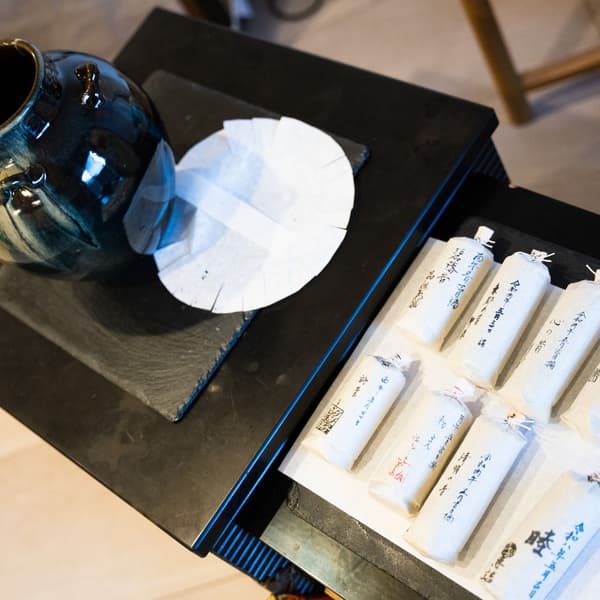
The koicha bag is then placed into the tea jar, with usucha packed in around it. Each participant makes their own koicha bag and places it into the jar.
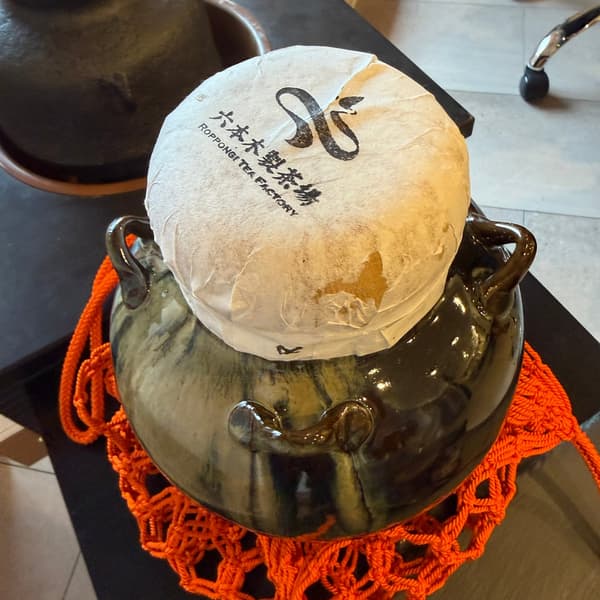
Finally, the tea jar is sealed with washi paper and yamato glue, the workshop's stamp and seal are added in ink, and the jar then enters the roughly half-year aging process.
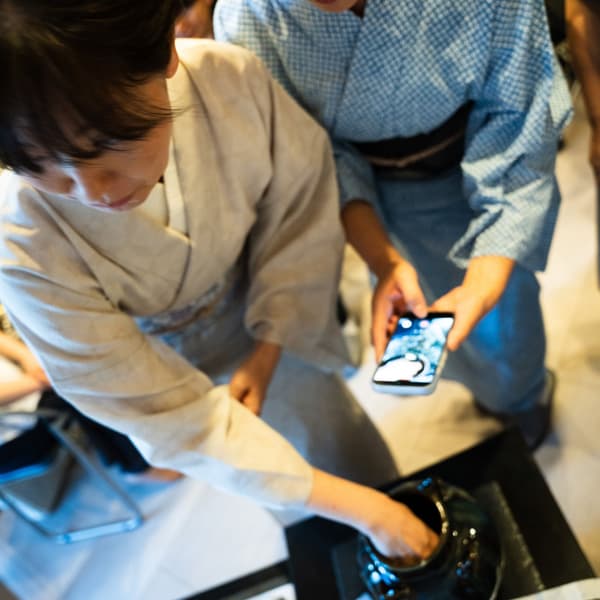
Many participants enjoyed taking photos on their phones, since it was such a rare opportunity.
Tencha: A Tea Rarely Seen on the Market
Tencha refers to the leaf itself before it becomes matcha. It is normally ground into matcha at its place of origin before reaching the market, so opportunities to obtain tencha in its original leaf form are very limited.
The tencha used in this workshop and offered for sale is the highest-grade tencha prepared for tea ceremony use by Shogyokuen, an Uji tea specialist founded in 1827. The current head of the workshop holds one of only a dozen or so "tea master 10th dan" qualifications nationwide.
Tencha grown and hand-picked by Shogyokuen is entrusted to Roppongi Tea Factory, which handles everything from aging and kuchikiri to stone-milling and serving a cup.
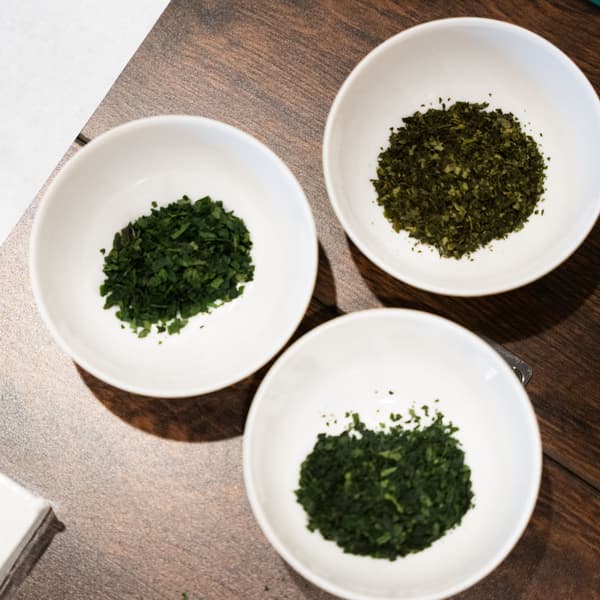
A range of tencha is available, from grades favored by tea school heads to tencha for usucha.
Roppongi Tea Factory carries several varieties of tencha, a leaf that has largely disappeared from the general market, and welcomes inquiries, including for bulk orders.
The rare, top-grade tencha and aged matcha featured in this workshop can also be reserved and purchased in limited quantities in advance through the official website (online store). Those who cannot attend the workshop in person are welcome to enjoy Roppongi Tea Factory's tea through the website instead.
Sales page: https://wanova.org/pages/matcha
Aged Matcha "Ryudo no Mukashi" and "Shinonome no Shiro," Now Taking Reservations
Roppongi was once known as "Ryudo," a place name carrying the memory of "earth" (tsuchi/do). Roppongi Tea Factory offers rare teas that have fallen out of today's Japanese tea distribution networks, including a koicha named after that former place name, "Ryudo no Mukashi," and a usucha called "Shinonome no Shiro."
Reservations are currently being accepted for two varieties of aged matcha (delivery after the November kuchikiri). Tencha before it is ground into matcha, for both koicha and usucha, is also on sale now.
The lineup includes two matcha varieties:
- Aged matcha koicha "Ryudo no Mukashi" (Ryudo's Past): a koicha named after "Ryudo," the former place name for the wider Roppongi area.
- Aged matcha usucha "Shinonome no Shiro" (White of the Dawn Sky): a usucha reflecting the color of the sky at daybreak.
Workshop Overview
- Date and time: August 8, 2026 (Saturday), 5:00 PM to 6:30 PM
- Venue: wanova TOKYO (Roppongi, Minato-ku, Tokyo); the exact address will be shared with participants only
- Capacity: 8 people
- Fee: 5,000 yen (tax included, tencha included)
- Instructor: Ako Yoshino (part-time lecturer at Shizuoka University; secretariat of the Nihon Sado Juku)
- Organizer: wanova (Godo Kaisha Satoyama Marketing Office)
- Booking: https://wanova.org/pages/wabunka-kouza
This is the listing page for wanova's Japanese culture courses. The course at the very top of the page is the one covered in this release.
Roppongi Tea Factory Product Information
The rare, top-grade tencha and aged matcha featured in this workshop can also be reserved and purchased in limited quantities in advance through the official website (online store). Those who cannot attend the workshop in person are welcome to enjoy Roppongi Tea Factory's tea through the website instead.
- Aged matcha koicha "Ryudo no Mukashi": 8,748 yen (tax included) / reservations open, delivery from November
- Aged matcha usucha "Shinonome no Shiro": 6,048 yen (tax included) / reservations open, delivery from November
- Tencha (for koicha): 6,264 yen (tax included) / on sale now
- Tencha (for usucha): 3,780 yen (tax included) / on sale now
Sales page: https://wanova.org/pages/matcha